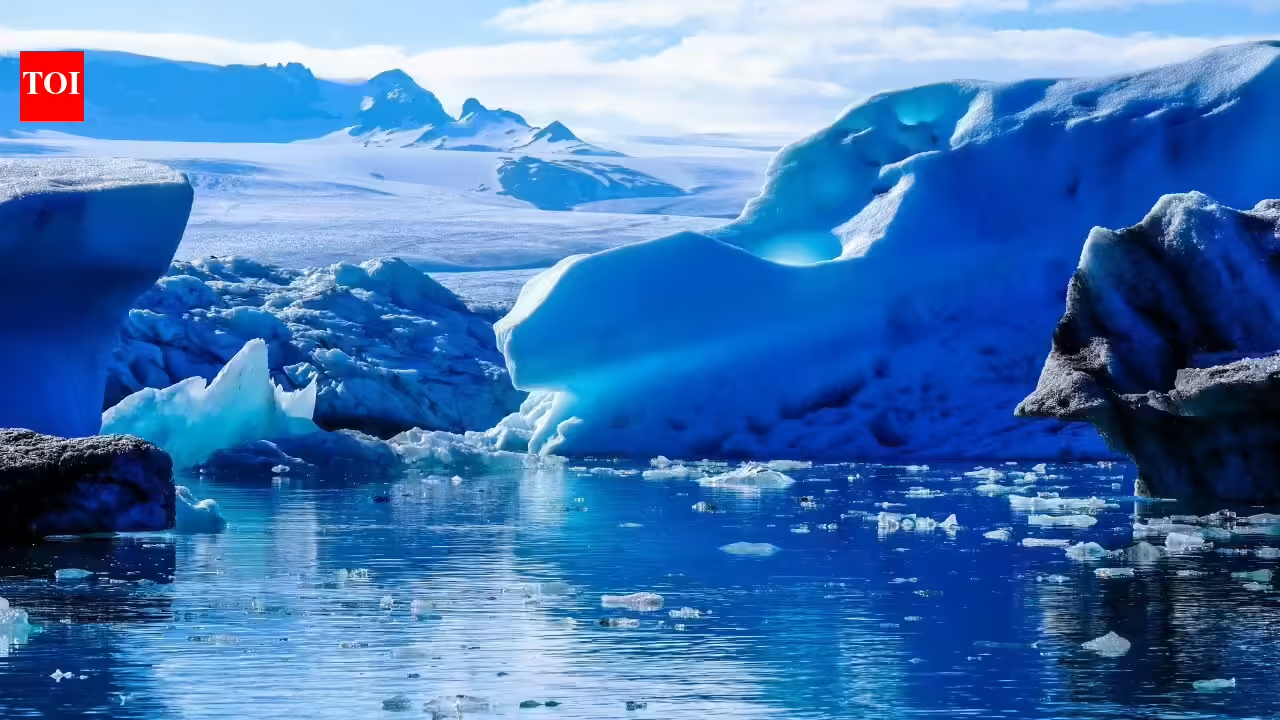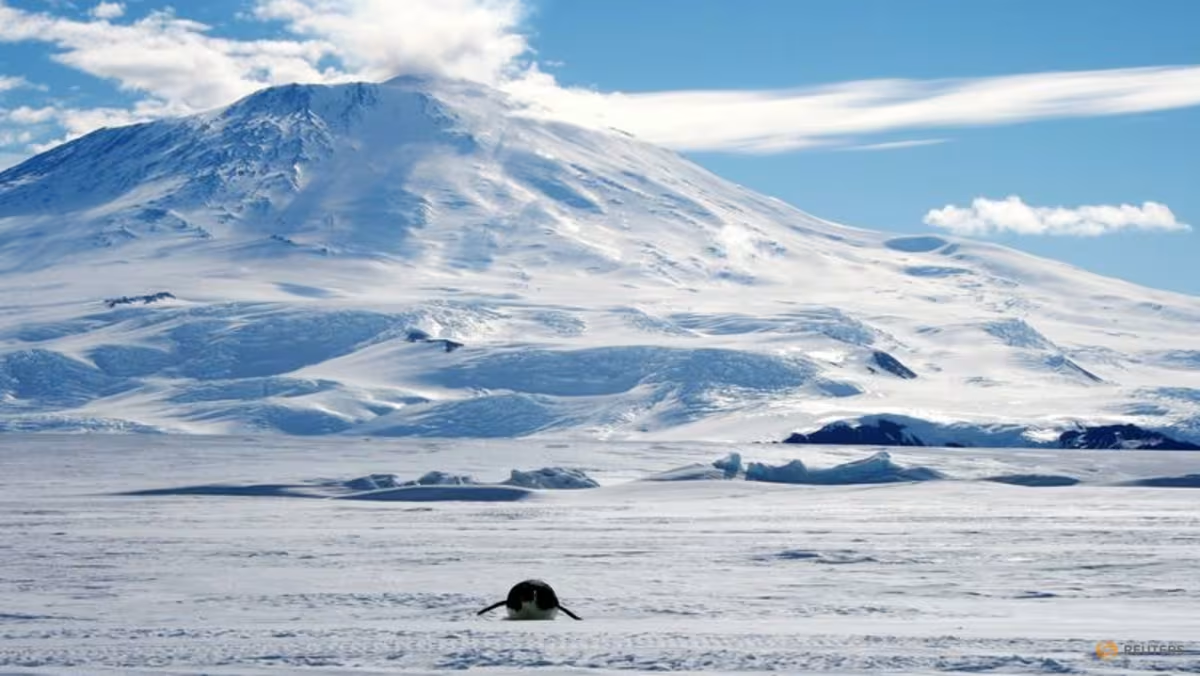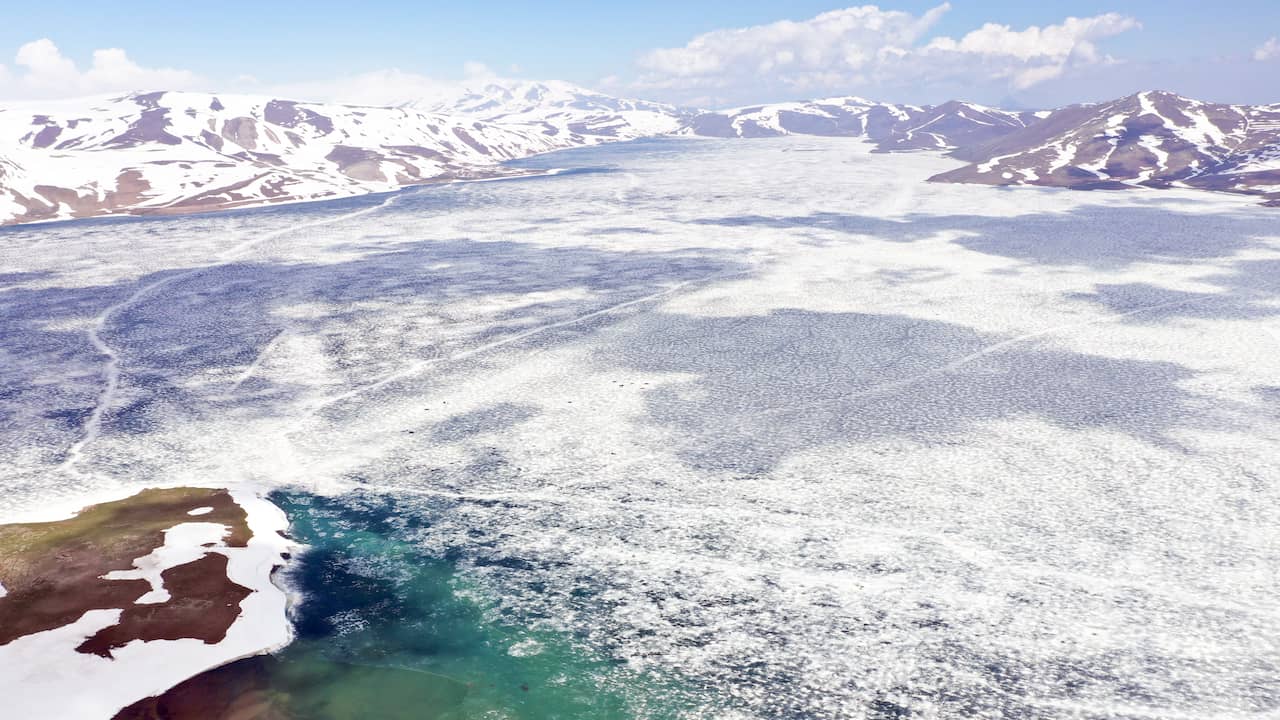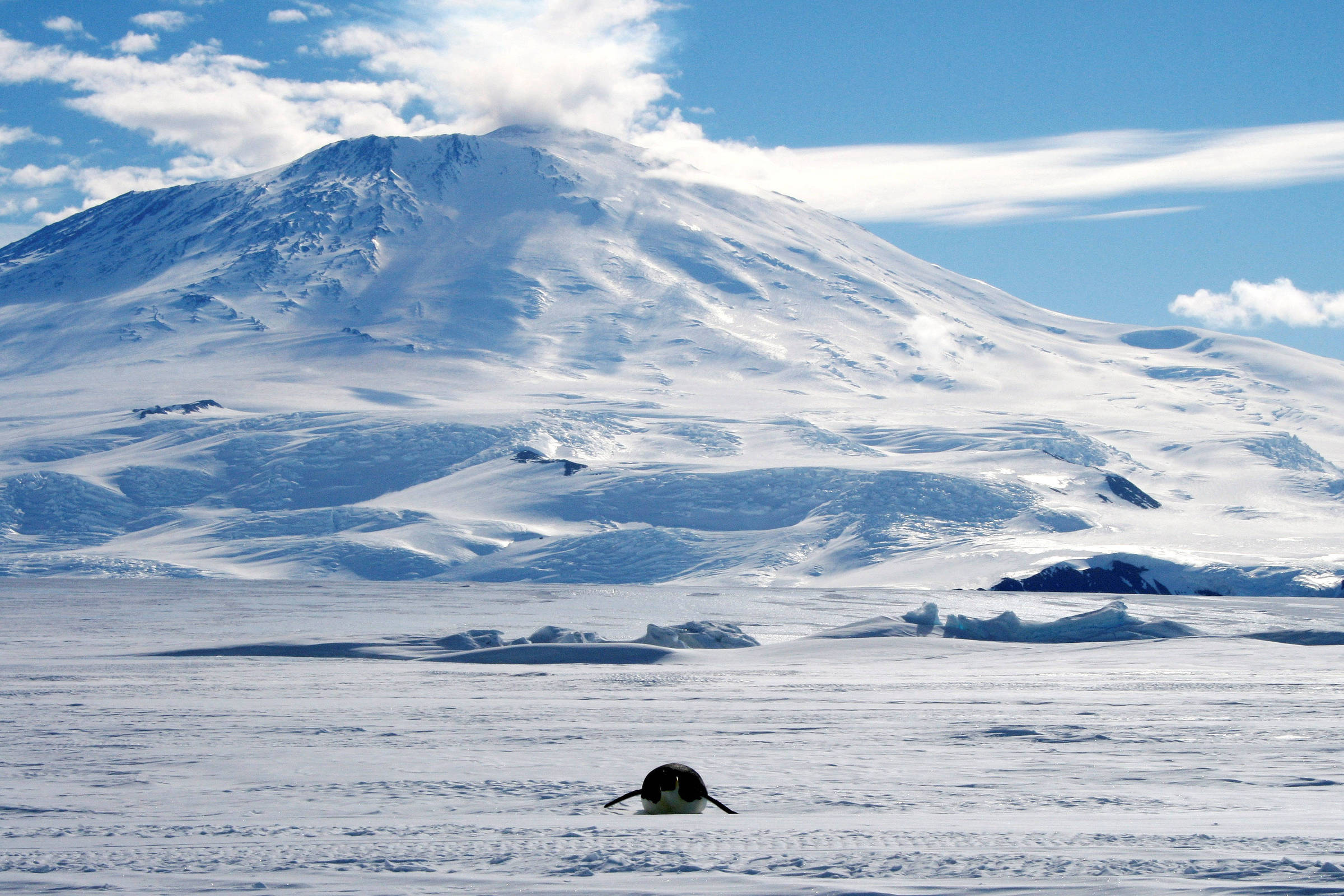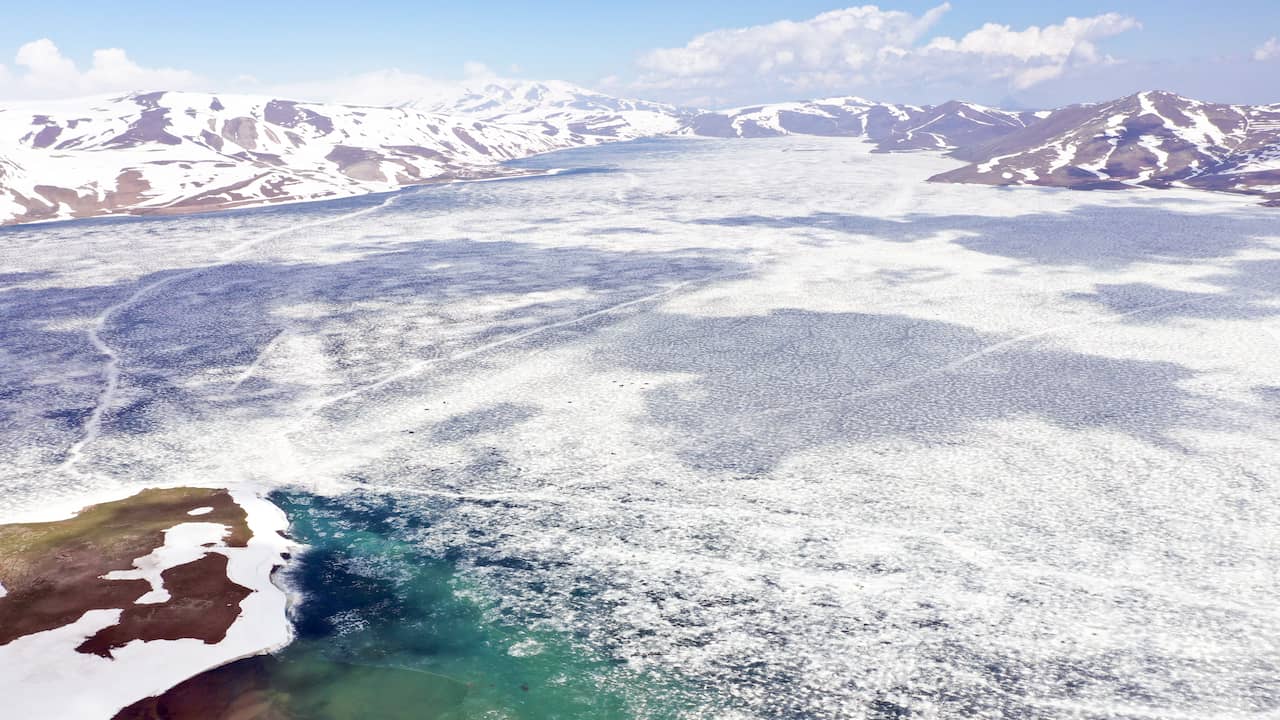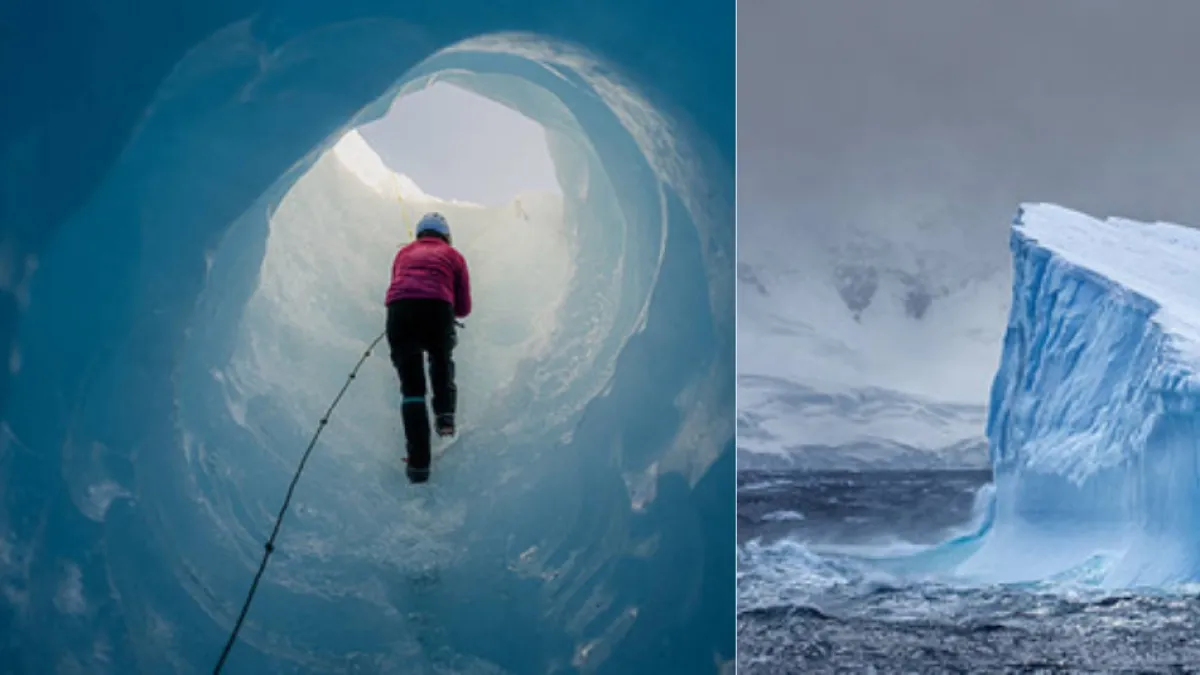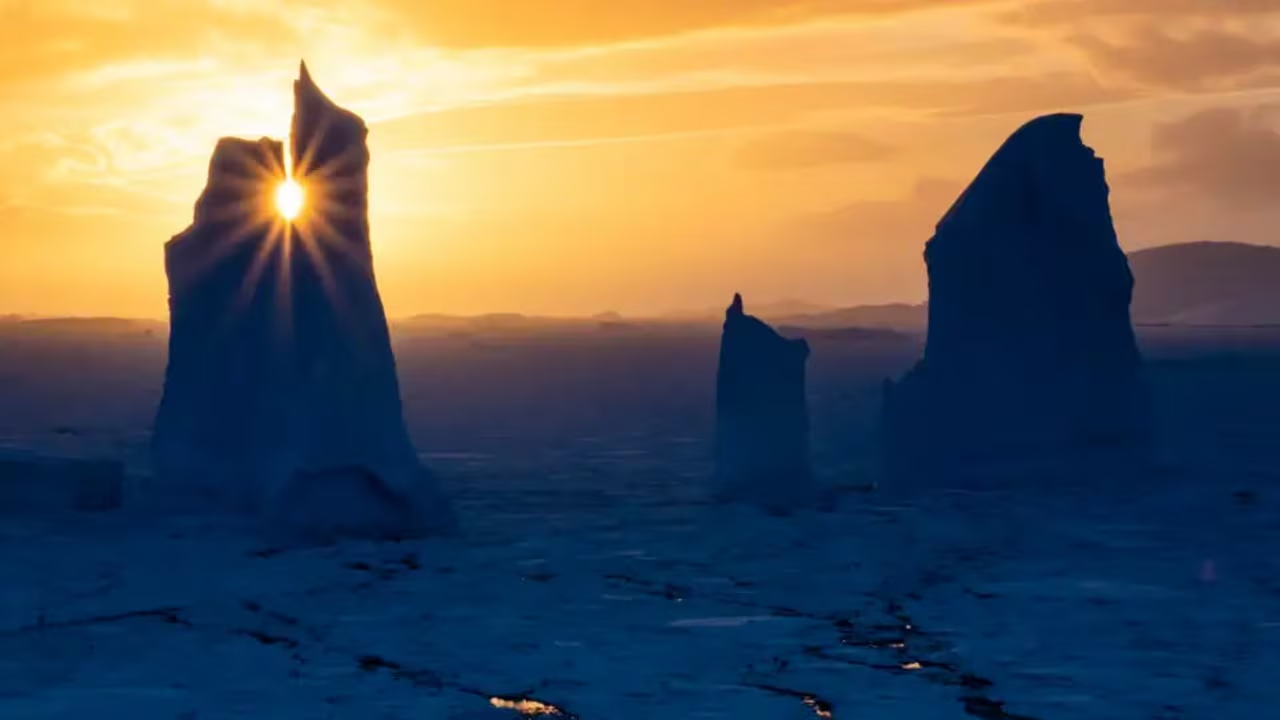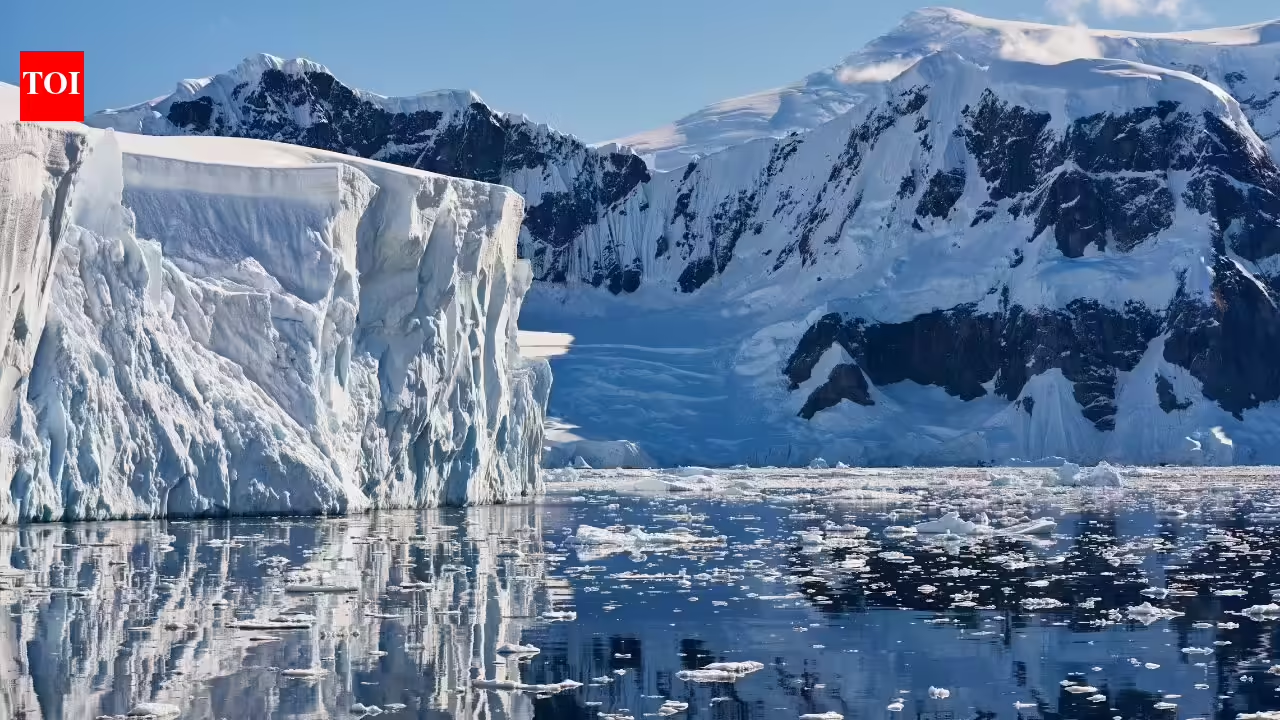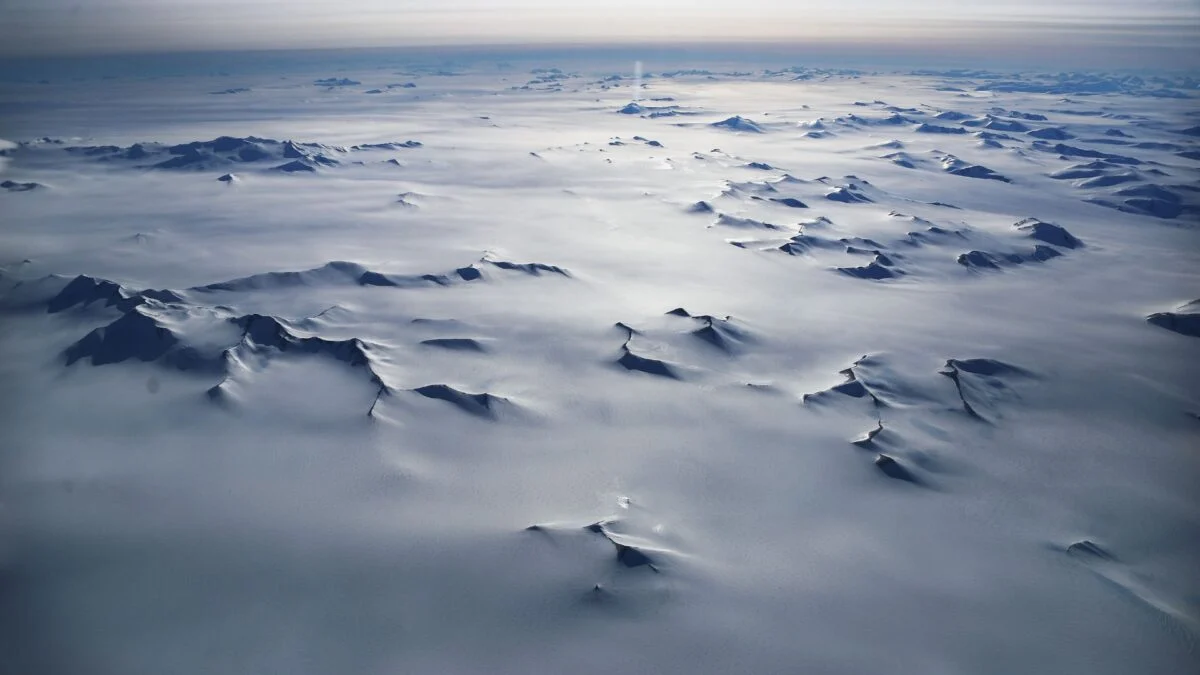
Some 34 million years ago, when Earth was significantly warmer than it is today, Antarctica froze over. It would take another 25 million years for ice to cover the Arctic, and the question of how the South Pole got its head start has puzzled scientists for decades. Experts have long attributed Antarctica’s glaciation to global cooling driven by declining levels of carbon dioxide (CO2) in the atmosphere, but therein lie two problems. First, the ice sheets somehow began to form when the climate was still relatively mild. And second, if global cooling was the sole culprit, the Arctic would have frozen over around the same time. This conundrum indicates that another factor must have jumpstarted the formation of Antarctica’s ice sheets, and to get to the bottom of it, a team of researchers dove deep into Earth’s geological history. Their findings, published Thursday in the journal Science, suggest that regional topographical uplift caused by continental breakup during the Jurassic period provided an elevation boost that allowed snow and ice to accumulate.
“We tend to think of dropping CO2 as the whole story, and it does matter enormously, but it doesn’t act alone: elevation and latitude are just as critical in determining whether an ice sheet can take hold and stabilize,” lead author Thomas Gernon, a professor of Earth science at the University of Southampton, told Gizmodo in an email.