There are two signs that should have sounded the alarm if the government truly cared to listen. First, that for years, while salaries slid to the bottom of the EU-27 in terms of purchasing power, many consumer goods have been permanently more expensive. Second, that in recent years, especially after 2020, inflation in Greece has been rising 40-50% faster than in the European Union and the Organization for Economic Cooperation and Development (OECD).
The combination of the two shows that the Greek economy has a very specific problem. We must look at what needs to change in the market’s operating conditions so that households can make ends meet, instead of introducing short-term (pre-election?) fixes for the inflationary surge. Two observations need to be made here:
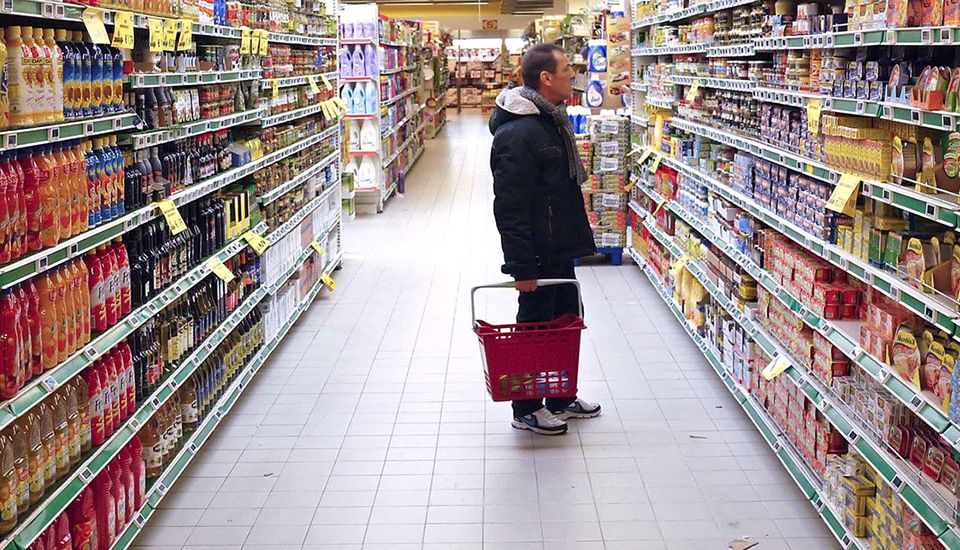
First, state checks that are limited only to the last link in the supply chain, to the prices on the shelf, make for attractive noise and publicity, but they do not solve the problem. Example: You can control the profit rate at retail, but if a dozen proxy, virtual or non-virtual companies have intervened in the meantime, each for even a small profit, the profit rate at retail may be low but the one that quietly accumulated in the meantime is enormous. Also, if over-pricing has been mediated with the prices of transporting products within a multinational chain, intra-group, control over the retail price is only for show.