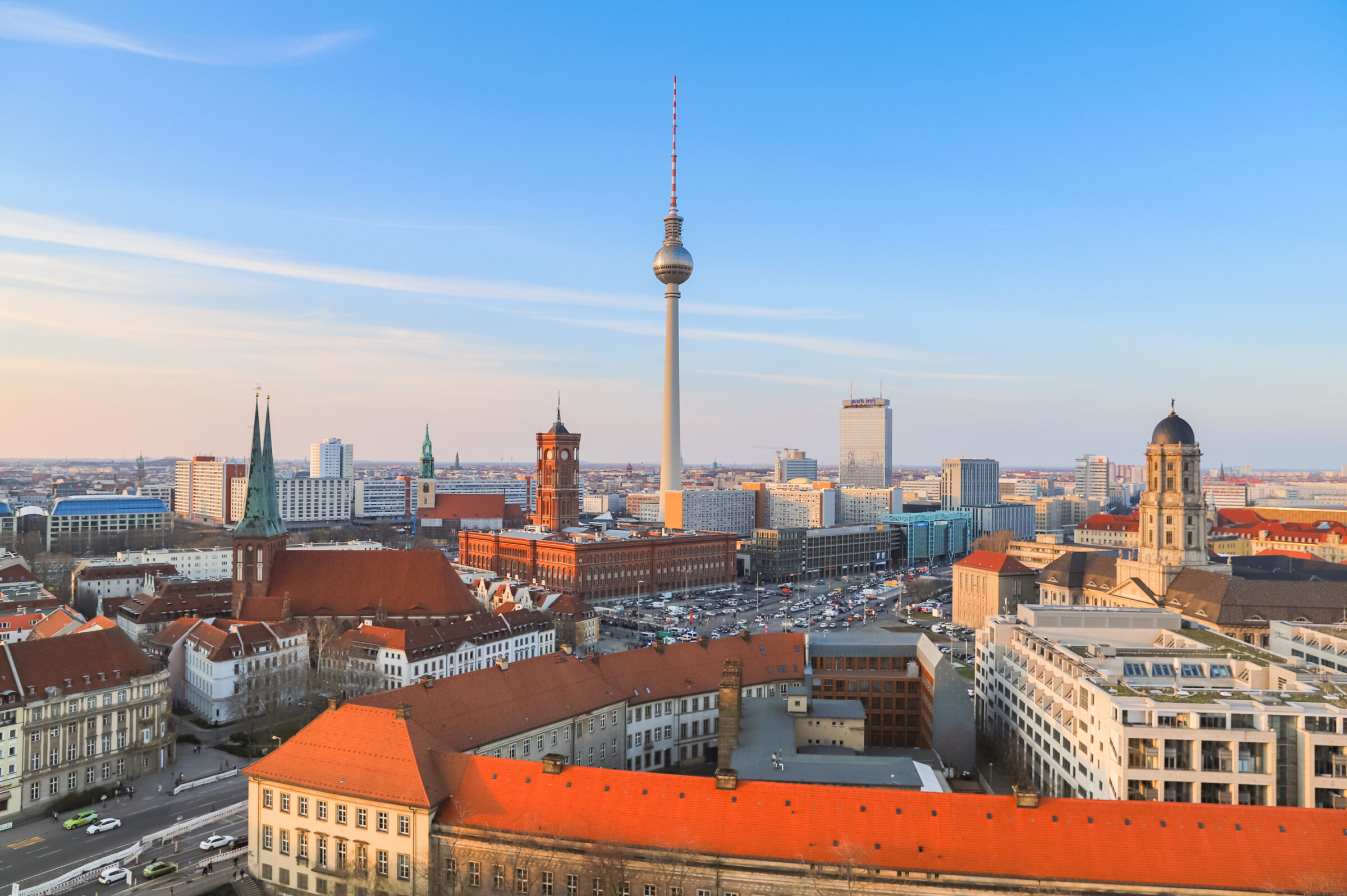
Long gone are the days when Berlin was “poor but sexy”, the catchphrase of former mayor Klaus Wowereit in 2003 to sum up the German capital’s appeal to the continent’s young creatives.
When I first moved here in 2004, my rent – for a one-bedroom apartment in Prenzlauer Berg, probably the city’s most trendy middle-class district – was an astonishingly low €175 a month. That’s right, per month. (For comparison, my rent in London at that time was €1,000+/month. And fast forward to 2026 and my Berlin rent is now also €1,000/month). Eating out costs roughly €2 for a starter and €5 for a main course. Spending €35 one day on ingredients for one meal at one of the city’s many organic supermarkets, I realised it was actually cheaper, if less healthy, to permanently eat out.
Not only that, but apartments were plentiful, so no problem finding a new or better apartment somewhere else.
Of course, the reason for that was the city was €50bn in debt, the laughing stock of the rest of Germany for its poor public services and schools, and with a serious unemployment problem.
Despite the fall of the Wall in 1989, or rather because of the division of Germany into two separate states (with West Berlin merely being a symbolic administrative and cultural outpost buried inside East Germany for 44 years), there were few, if any, serious employers in the German capital. West Germany’s media was in Cologne and Hamburg, heavy industry in the Ruhr valley, and the automotive giants in Munich (BMW), Audi (Ingolstadt) and Volkswagen (Wolfsburg).