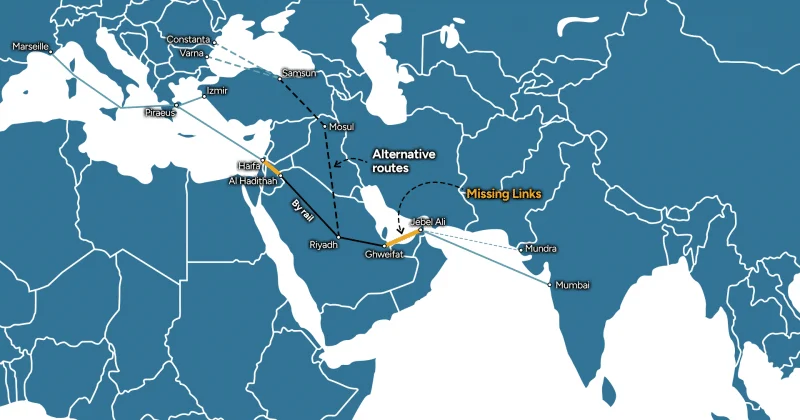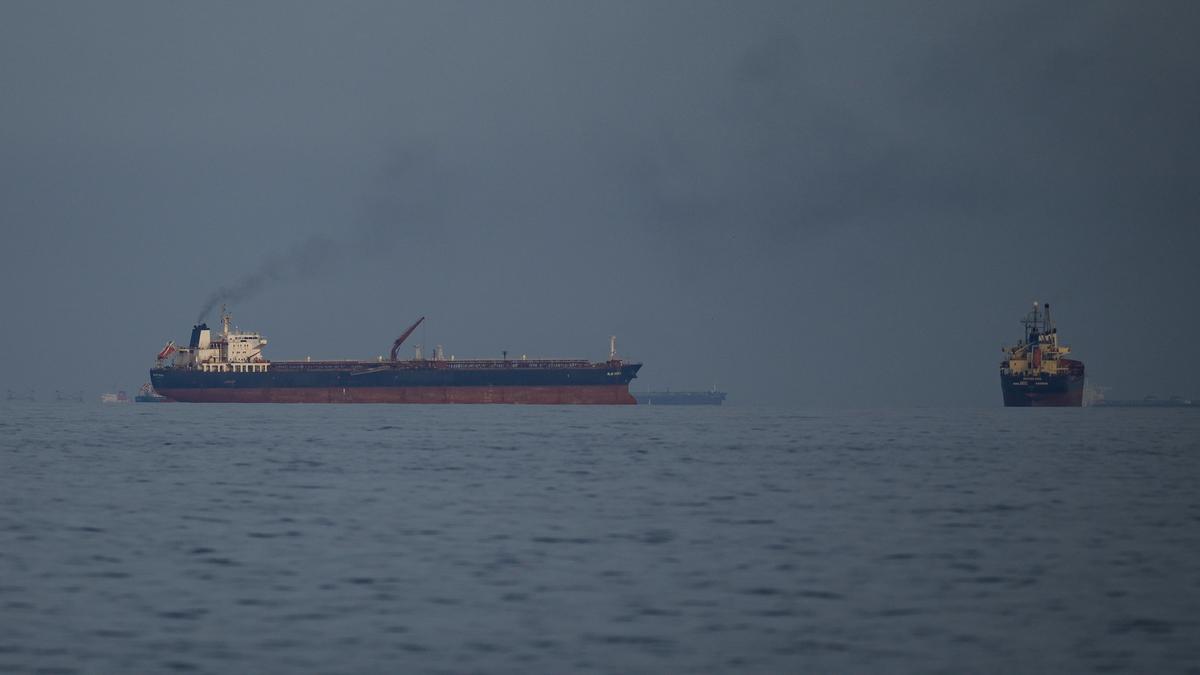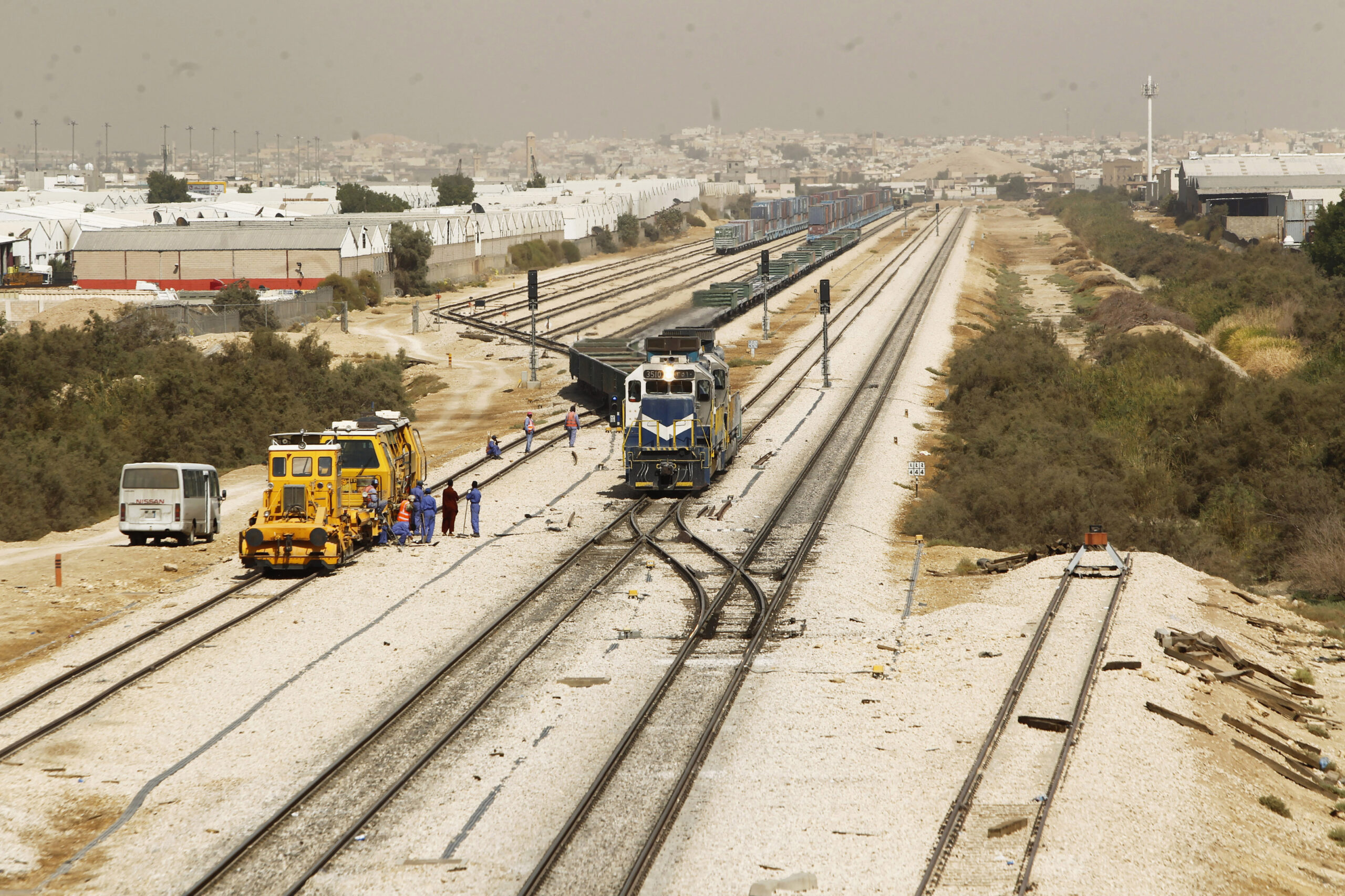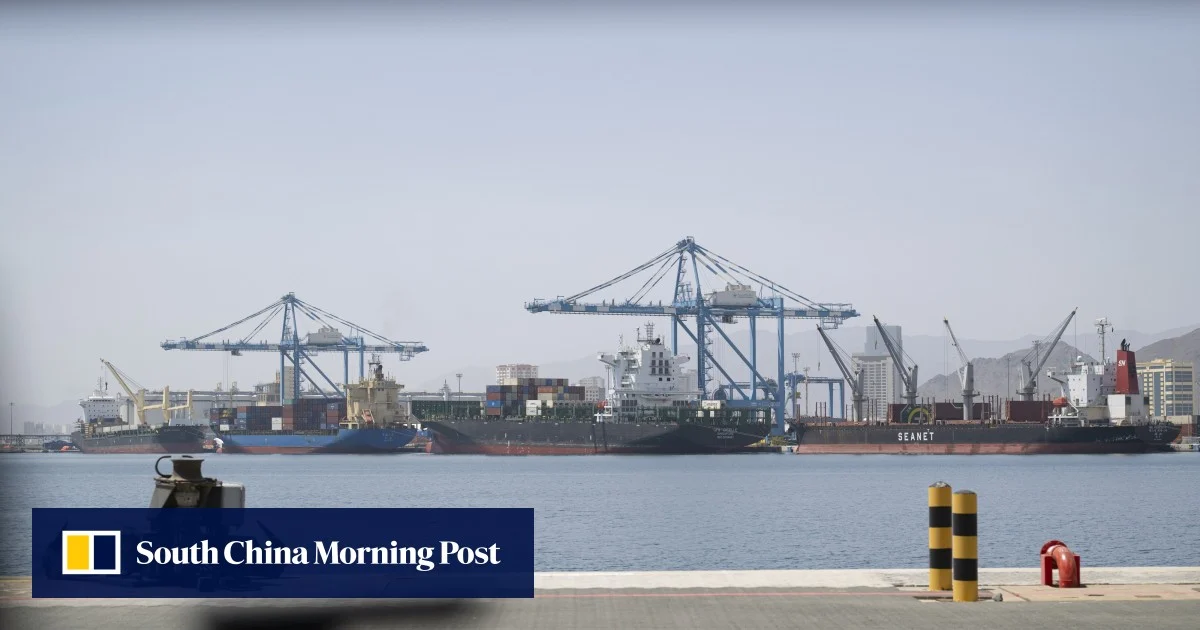
The disruption of the world’s most significant maritime chokepoint, the Strait of Hormuz, is propelling a surge of support for new, overland trade and energy corridors connecting the Gulf to the Mediterranean. Middle East governments are fast-tracking investments in new infrastructure, streamlining customs and regulatory processes, and exploring new rail and pipeline projects that mitigate dependence on the Strait of Hormuz.
The strategic and economic potential of these corridors extend beyond Hormuz: new cross-border corridors have the potential to strengthen cooperation in a region that continues to suffer from low economic integration and high political fragmentation. They could also provide much-needed economic opportunity for places like Jordan and Syria, strengthen Syria’s integration into the region during a pivotal period, and establish new regional hubs amid a shifting trade landscape.
Realizing the potential of these projects demands close coordination across multiple countries: the efficiency of overland trade depends on an entire connectivity ecosystem that leverages digital customs integration, digital payment systems, and mitigation of non-tariff barriers. Ensuring that trade corridors fuel economic growth and integration inside the Middle East, rather than serving solely as a pass-through for trade between Europe and Asia, requires coordinated industrial efforts. Additionally, governments must signal their clear, durable political support to mobilize private sector investment in these alternative corridors: major infrastructure projects can take a generation to generate returns, and the private sector is wary of investing in projects that traverse difficult political and security environments and rely on overland routes that are largely seen as back-ups to maritime routes.