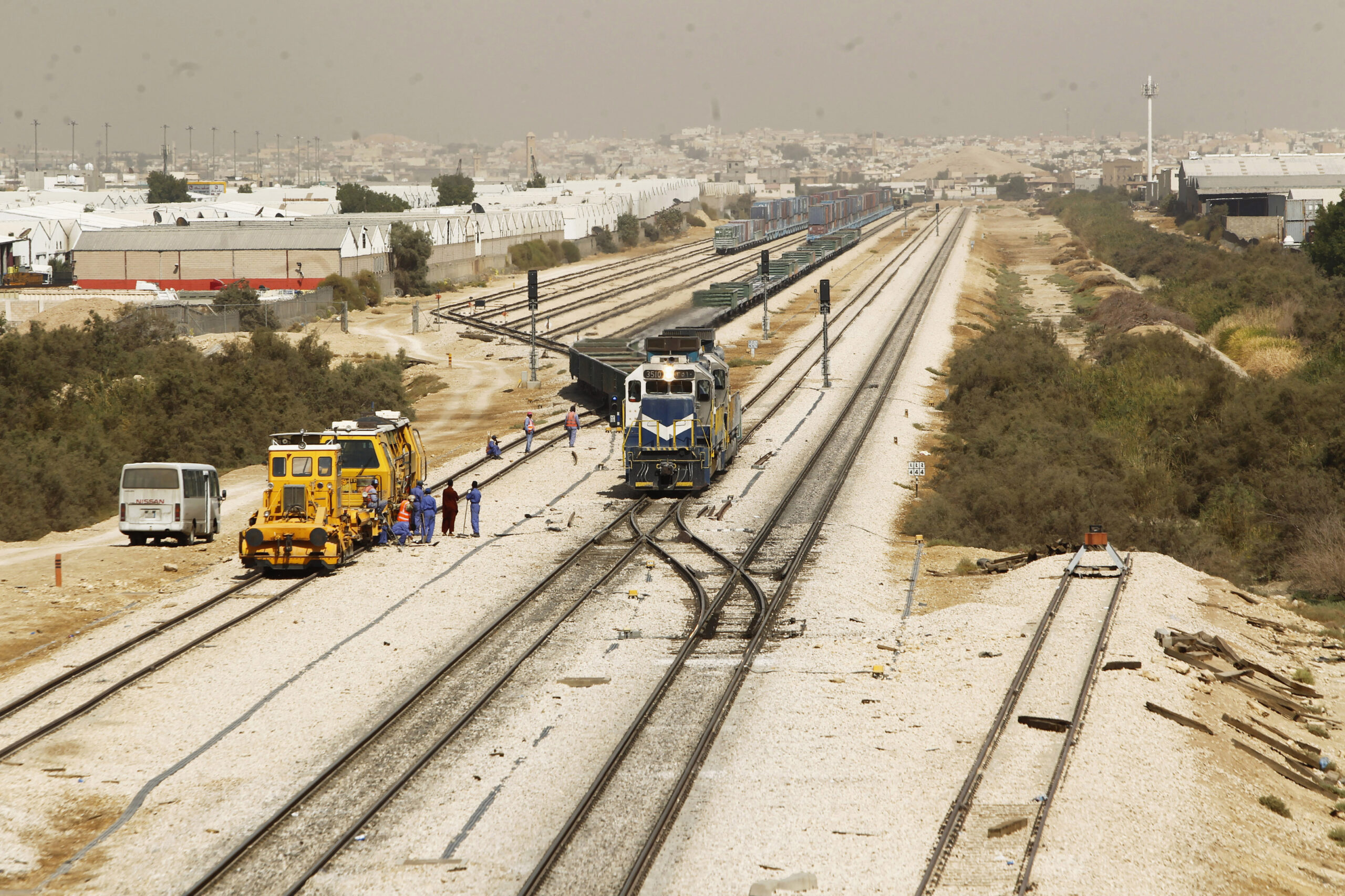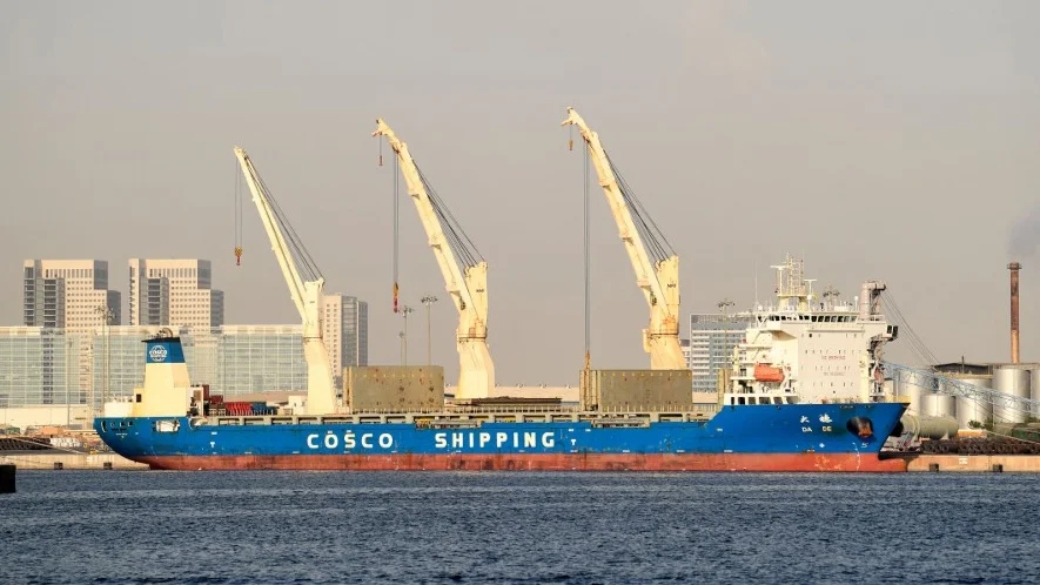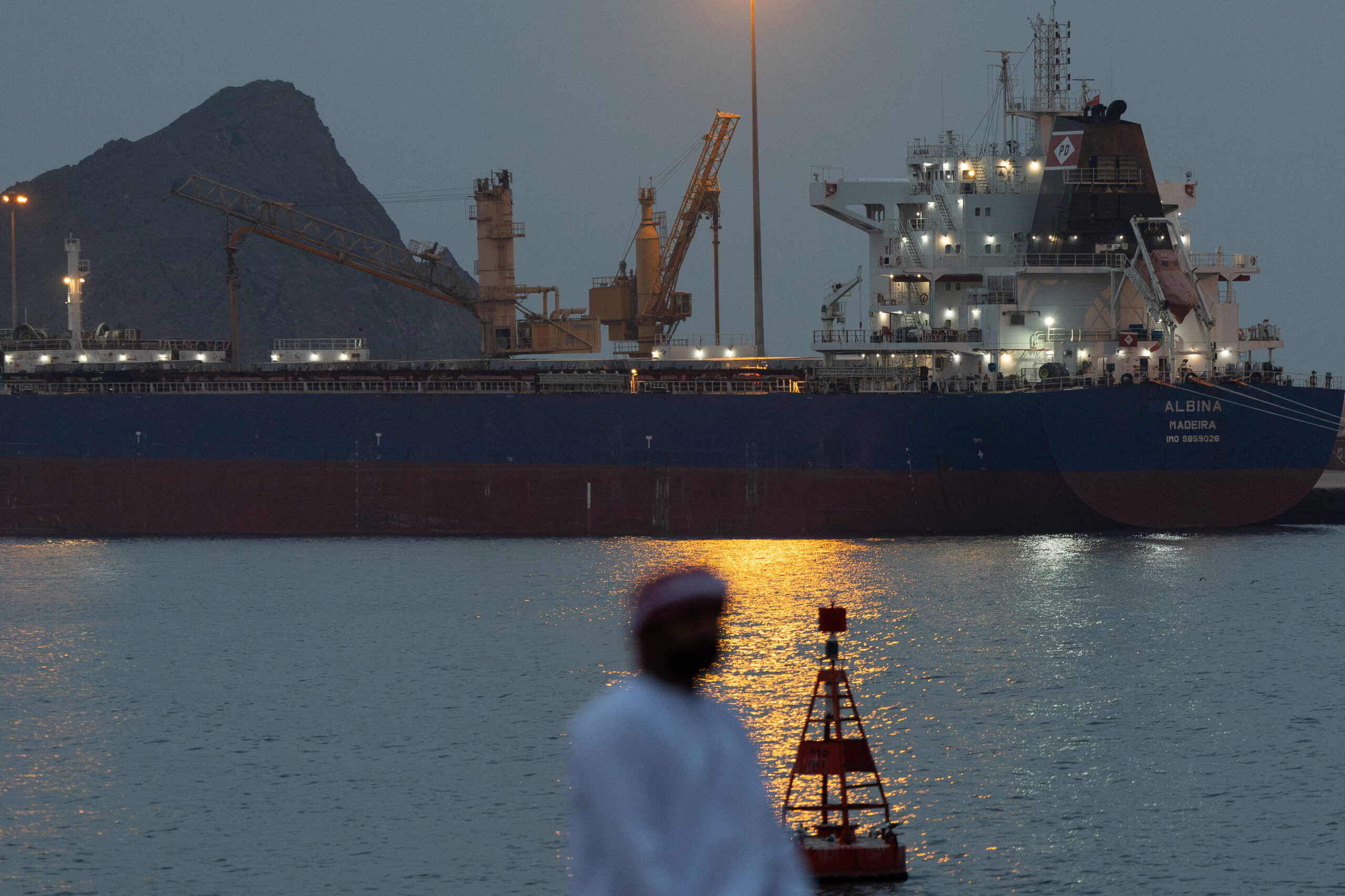
There is little debate about the need for more diversified trade corridors connecting India, the Middle East, and Europe. Recent disruptions in the Strait of Hormuz, the Red Sea, and the Suez Canal, combined with increasing competition over critical trade infrastructure, have underscored the importance of building multiple routes that reduce dependence on maritime chokepoints. Beyond trade, these corridors can deepen economic integration across the Middle East, strengthen partnerships, and create new opportunities for growth.
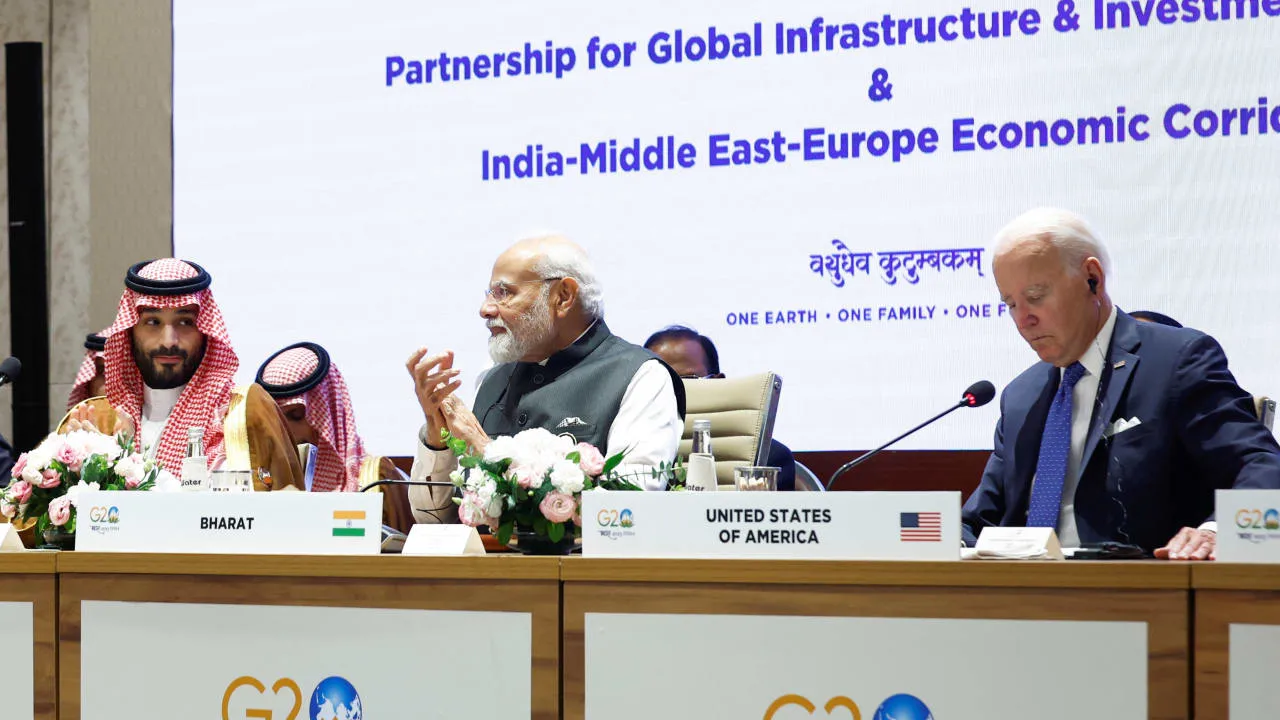
This was largely the logic behind the India-Middle East-Europe Economic Corridor (IMEC) when it was announced at the Group of Twenty Summit in 2023. As originally conceived, IMEC envisioned India and Israel as the corridor’s two principal anchors, connected through the Gulf at a moment when Saudi-Israeli normalization appeared within reach. The objective was not simply to build another transportation route but to reshape global trade around a more resilient and distributed network.
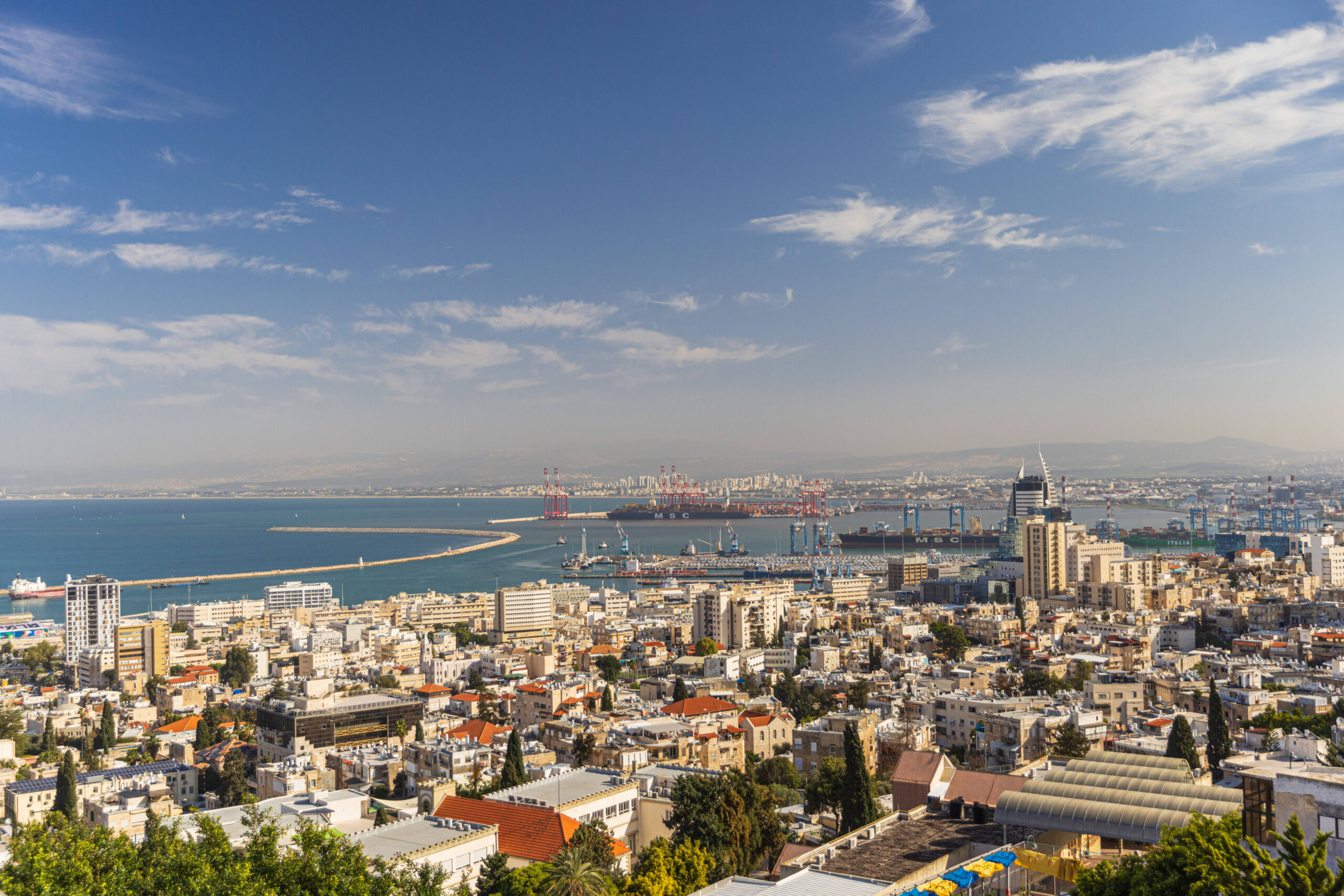
Increasingly, however, policymakers are exploring options to bypass Israel, looking instead to options that would route through Egypt, Iraq, Turkey, Syria, and other countries in the region. A networked approach is both sensible and desirable: resilient supply chains should never depend on a single route. But as governments invest in alternative ports, railways, and logistics hubs, Israel can no longer assume it will remain central simply because that was the original vision. The next Israeli government faces a strategic imperative to demonstrate that Israel is the fastest, most reliable, and commercially attractive gateway between the Gulf and the Mediterranean. Doing so will not only reap economic benefit. It will more broadly help determine Israel’s place in the region’s emerging economic and strategic architecture.