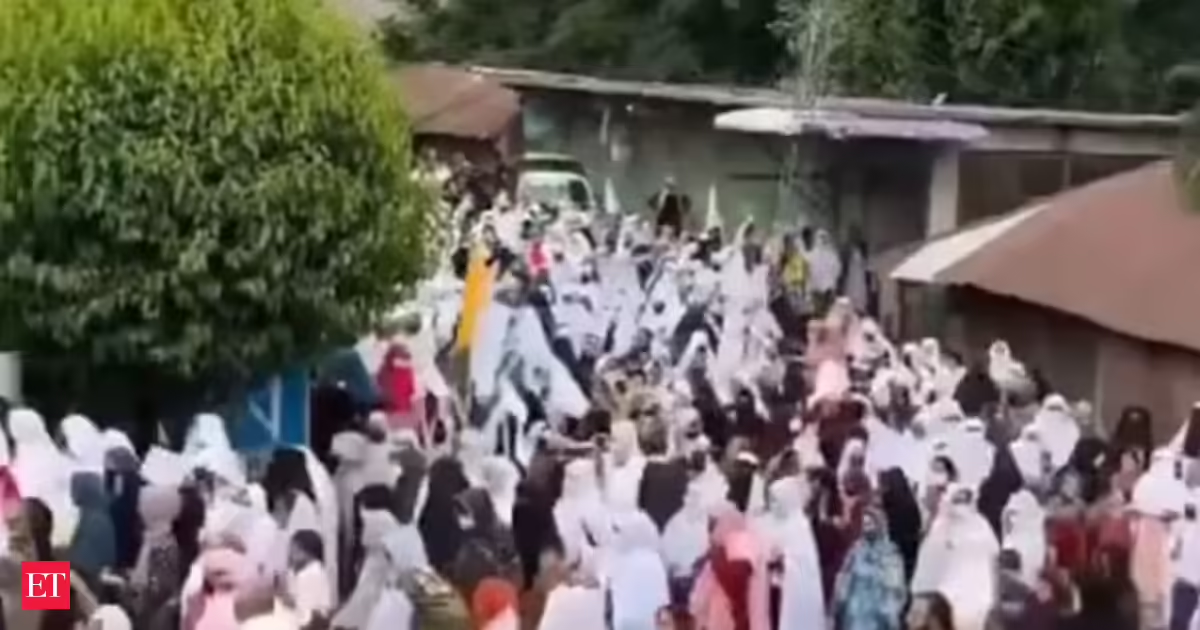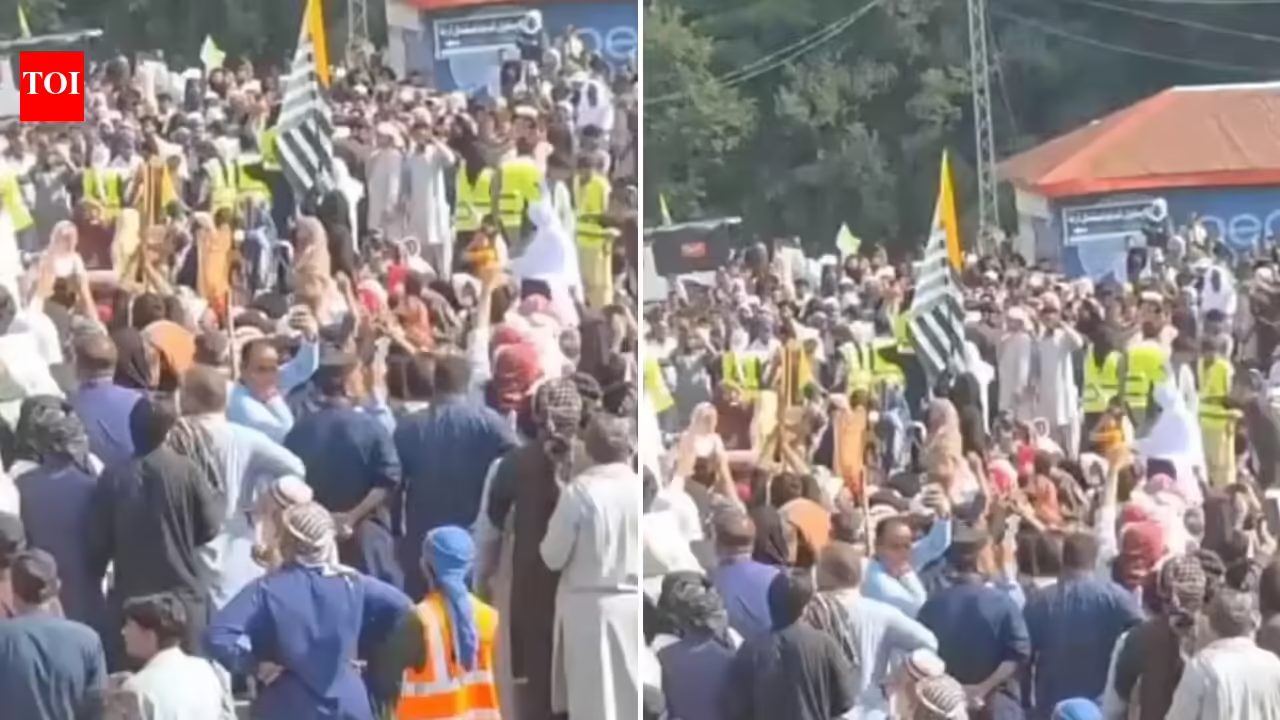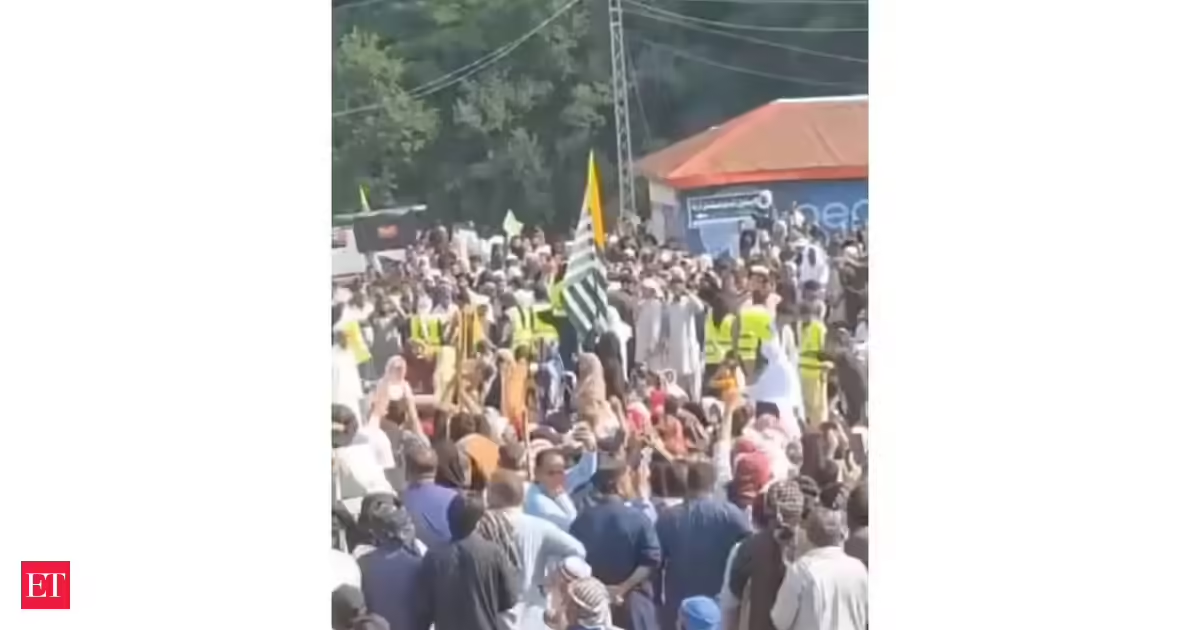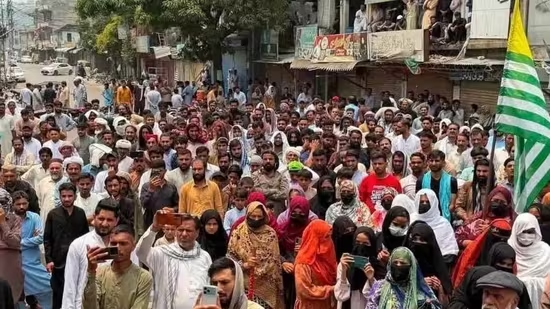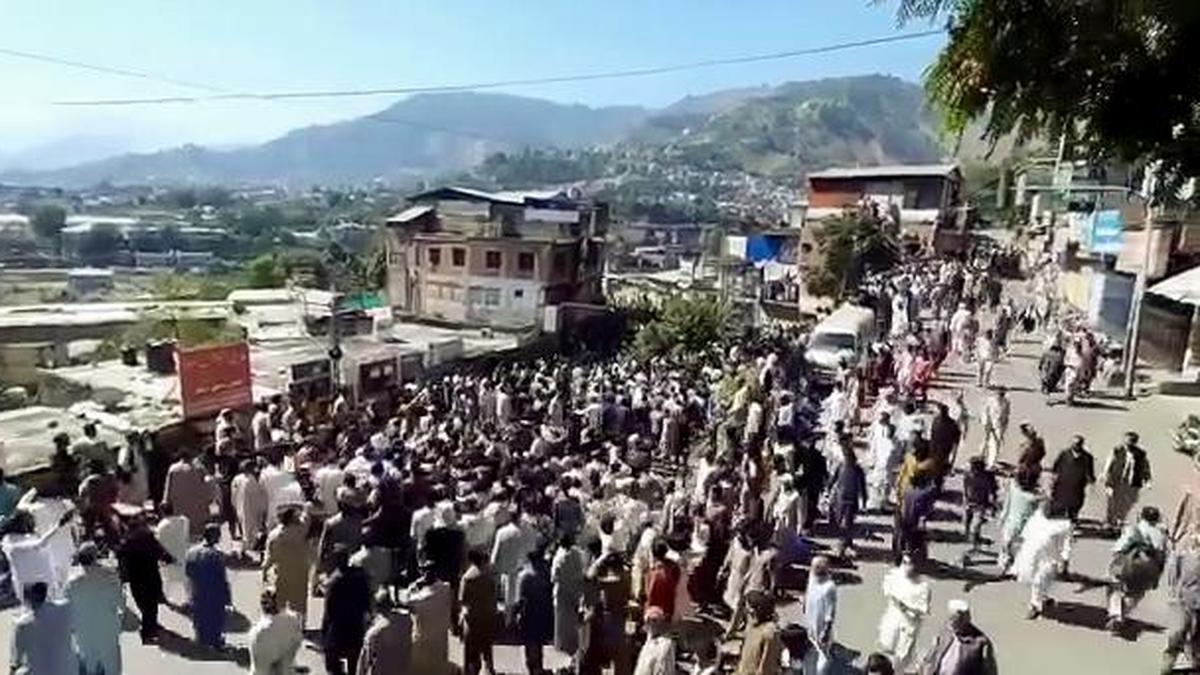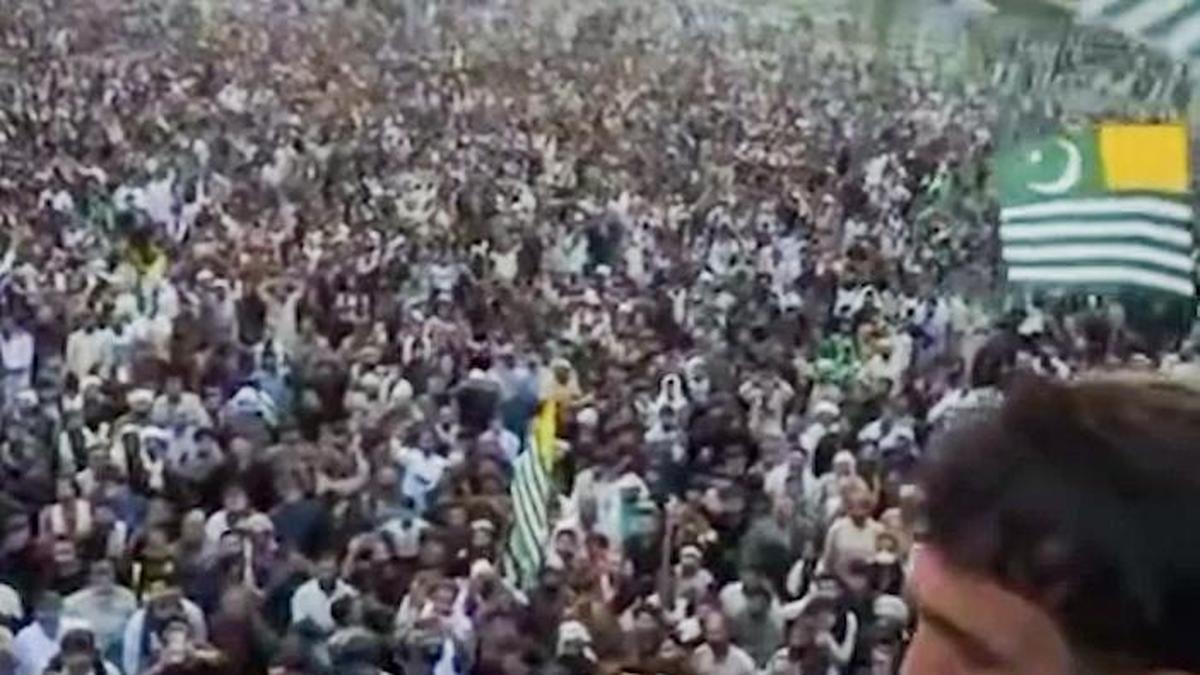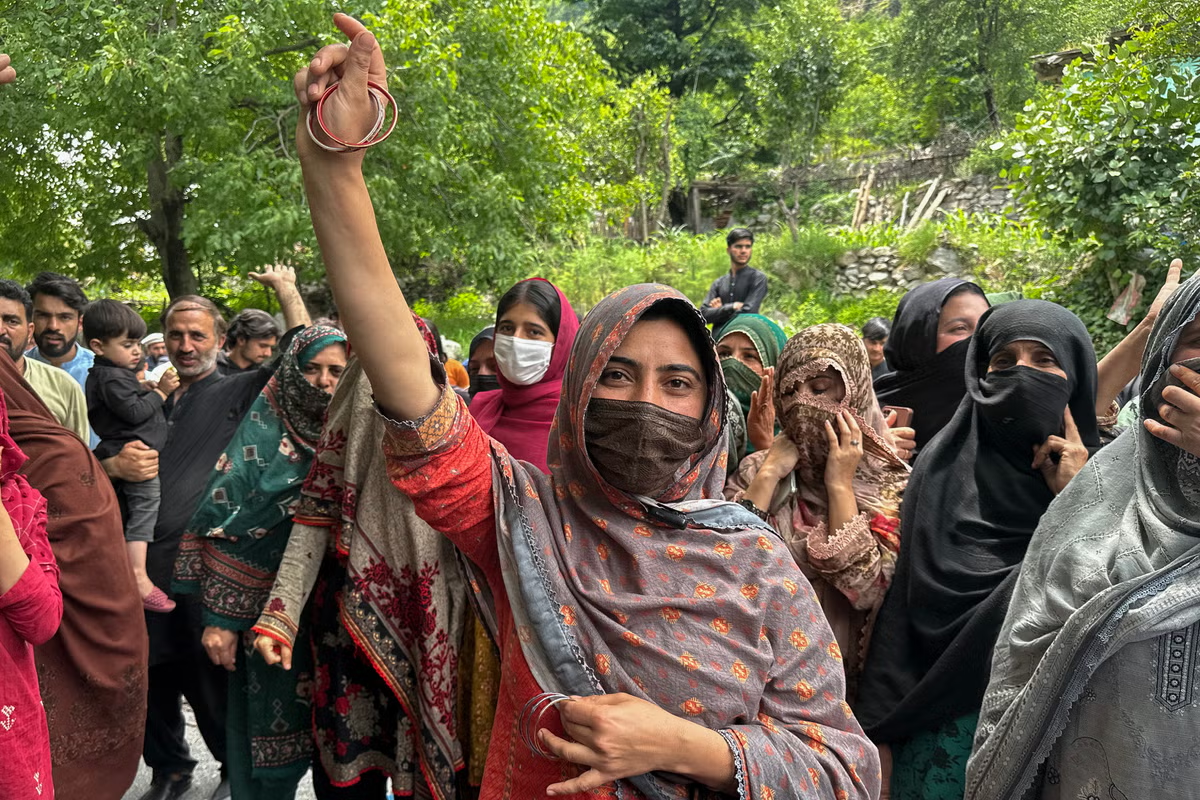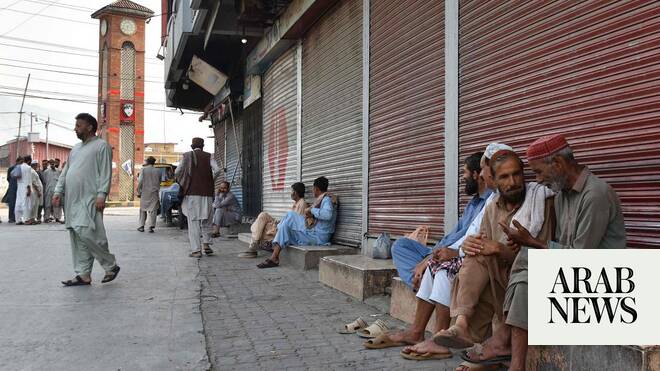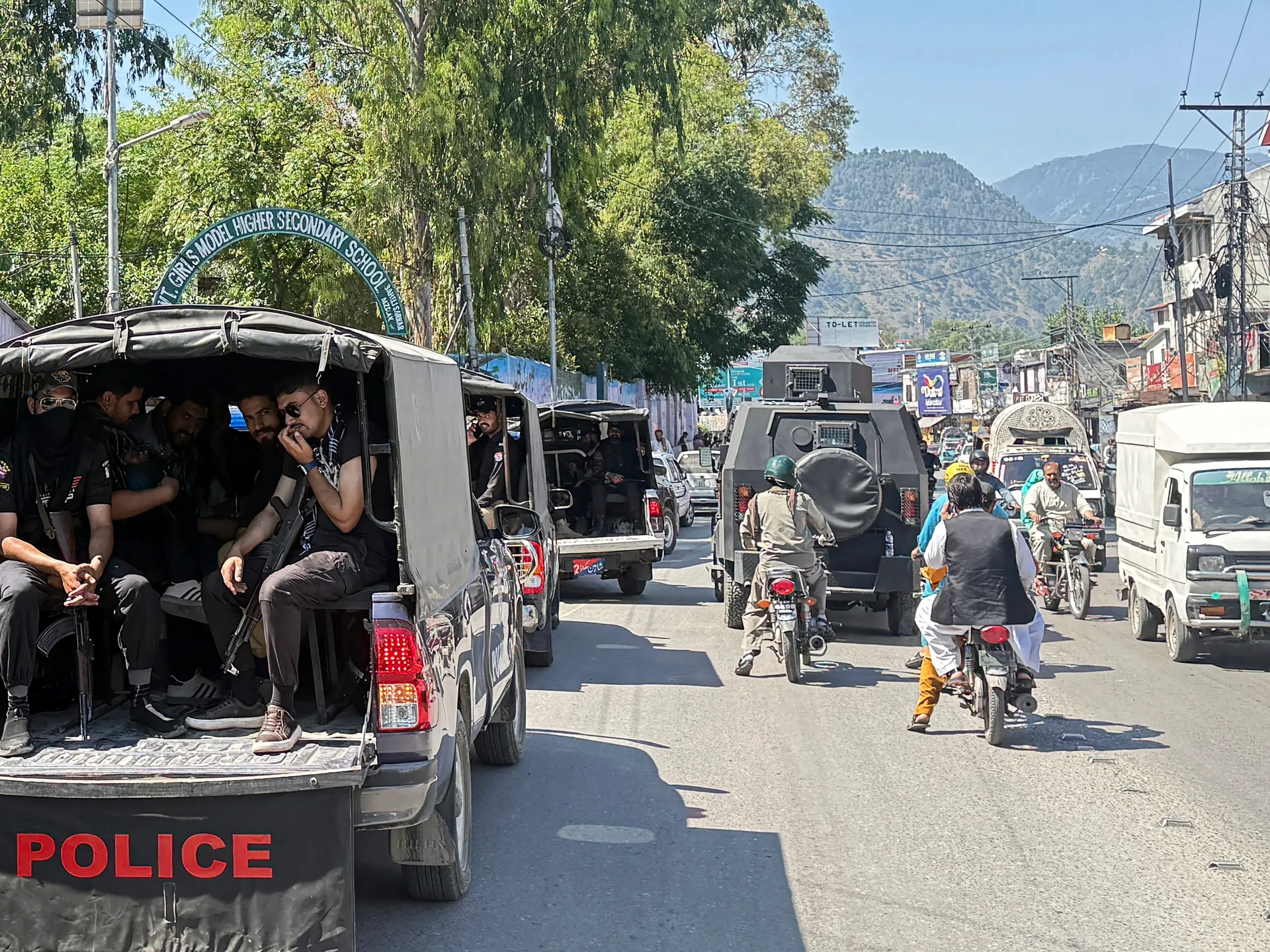
In June this year, violent clashes erupted between police and local protestors in Pakistan-administered Jammu and Kashmir (PaJK), resulting in death and injuries to scores of people. The immediate trigger for the protests was the ban on the Joint Awami Action Committee (JAAC), a grassroots civil society coalition, under the Anti-Terrorism Act. The JAAC had emerged in 2023 to protest soaring electricity bills, wheat prices, and governance issues. Islamabad’s approach to the festering grievances — while it did meet some demands, larger issues have been ignored — together with its use of force against protesters, has resulted in the periodic eruption of mass protests.
Political analyst and author of “Across the LoC: Inside Pakistan-Administered Jammu and Kashmir” Luv Puri spoke to The Diplomat’s South Asia editor Sudha Ramachandran about what is driving this little-known but important and complex conflict on the Pakistani side of the Line of Control (LoC), the de facto border between the two parts of Jammu and Kashmir (J&K). The “protest demands combine everyday governance concerns with deeper structural, political, and economic issues,” Puri said.
Unlike disquiet on the Indian side of Jammu and Kashmir, which manifested in an armed insurgency against the Indian state, public anger in PaJK has been more muted. However, Islamabad cannot be complacent. As Puri noted, “while many participants state that their demands are not directed against Pakistan itself, they also express frustration over contradictions within Pakistan’s Kashmir policy and the handling of dissent.”