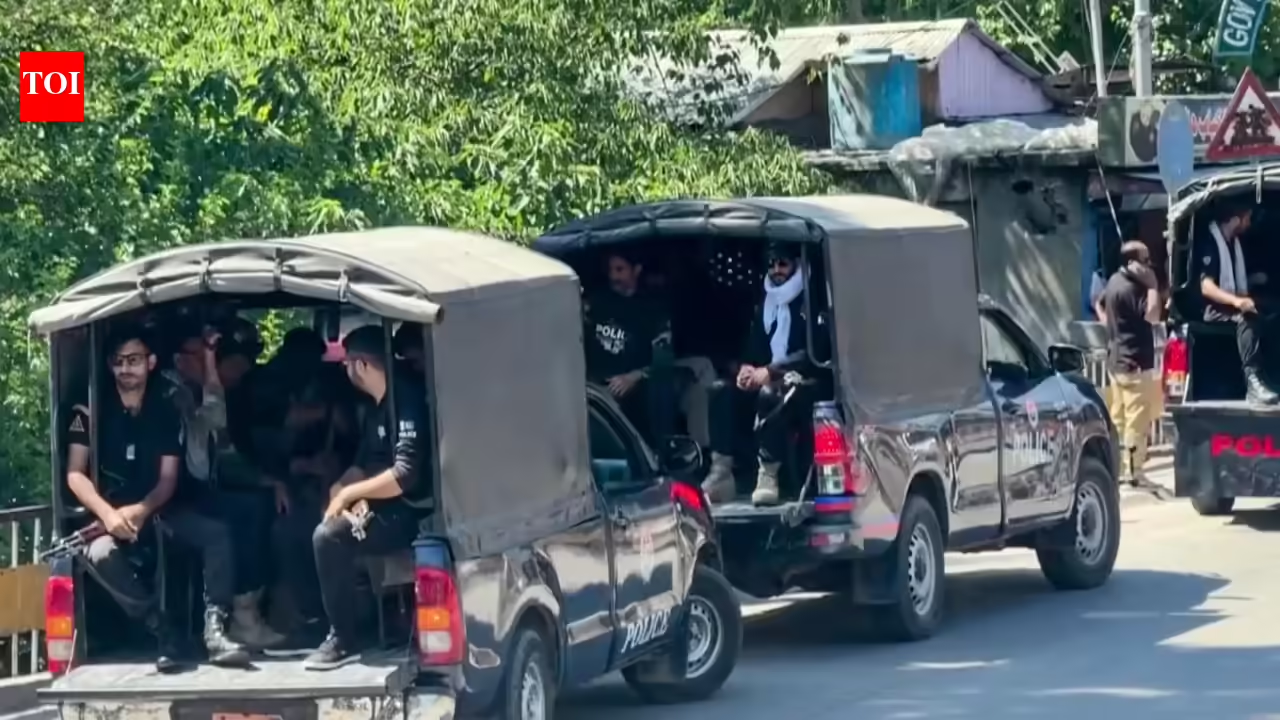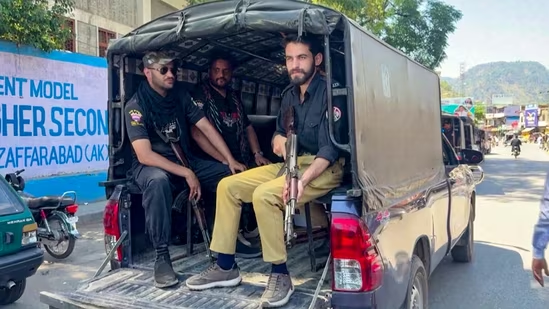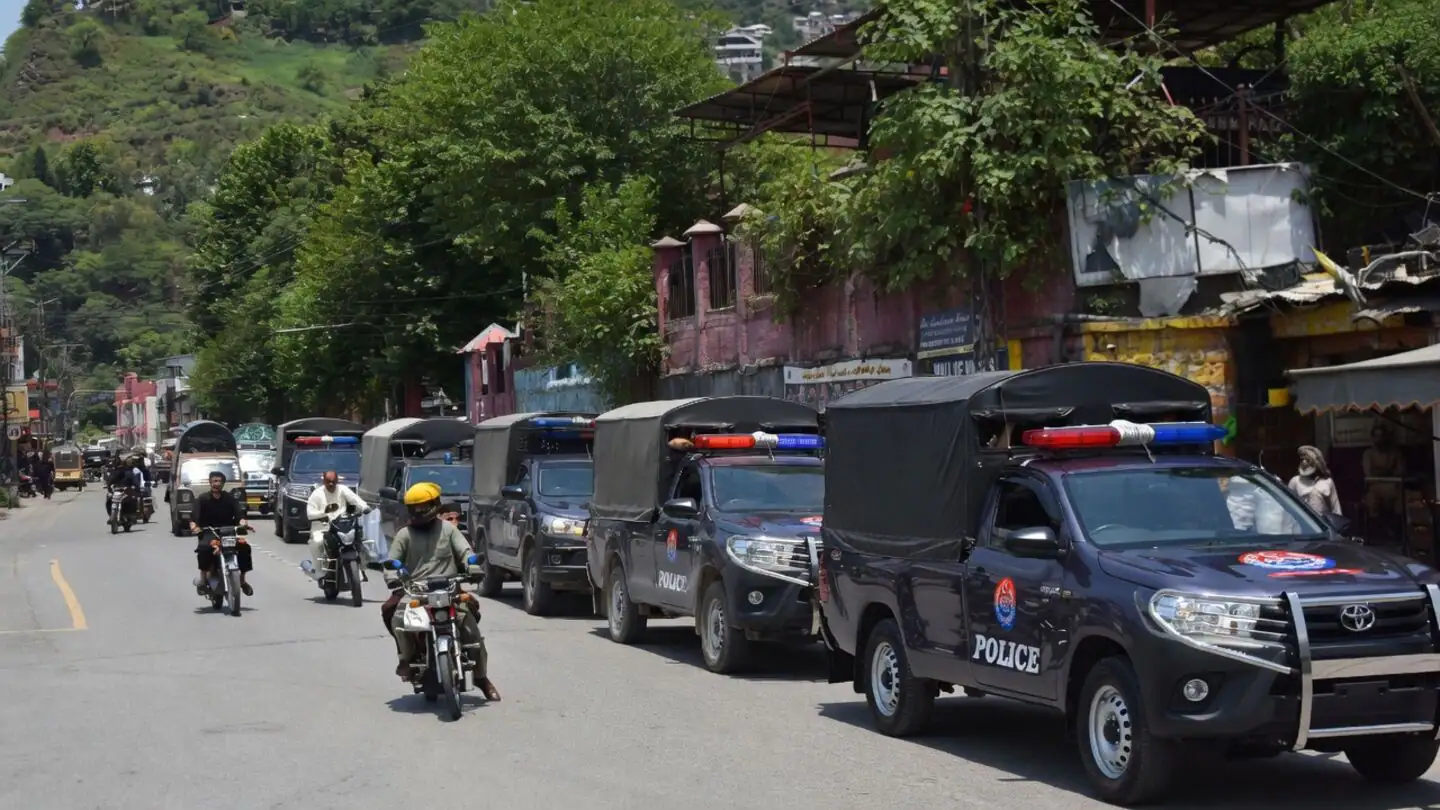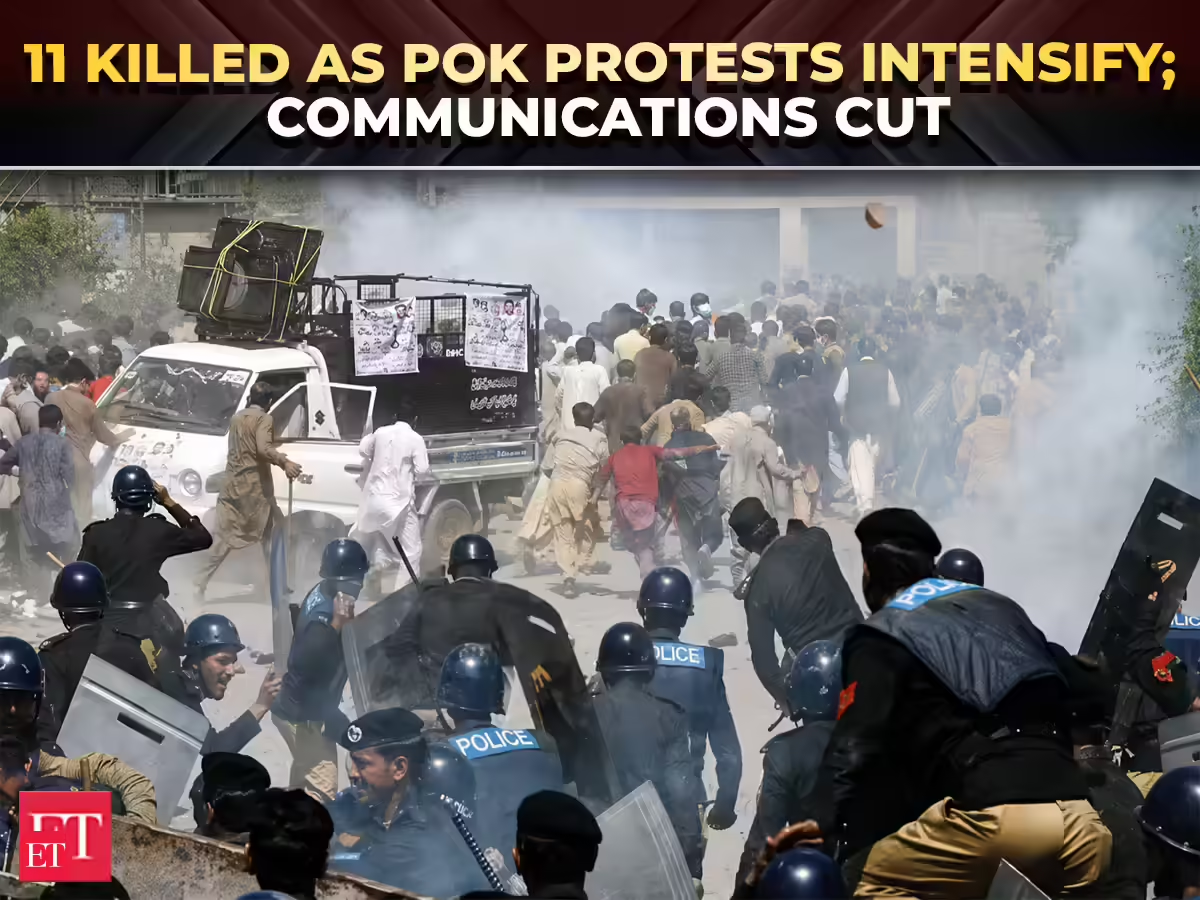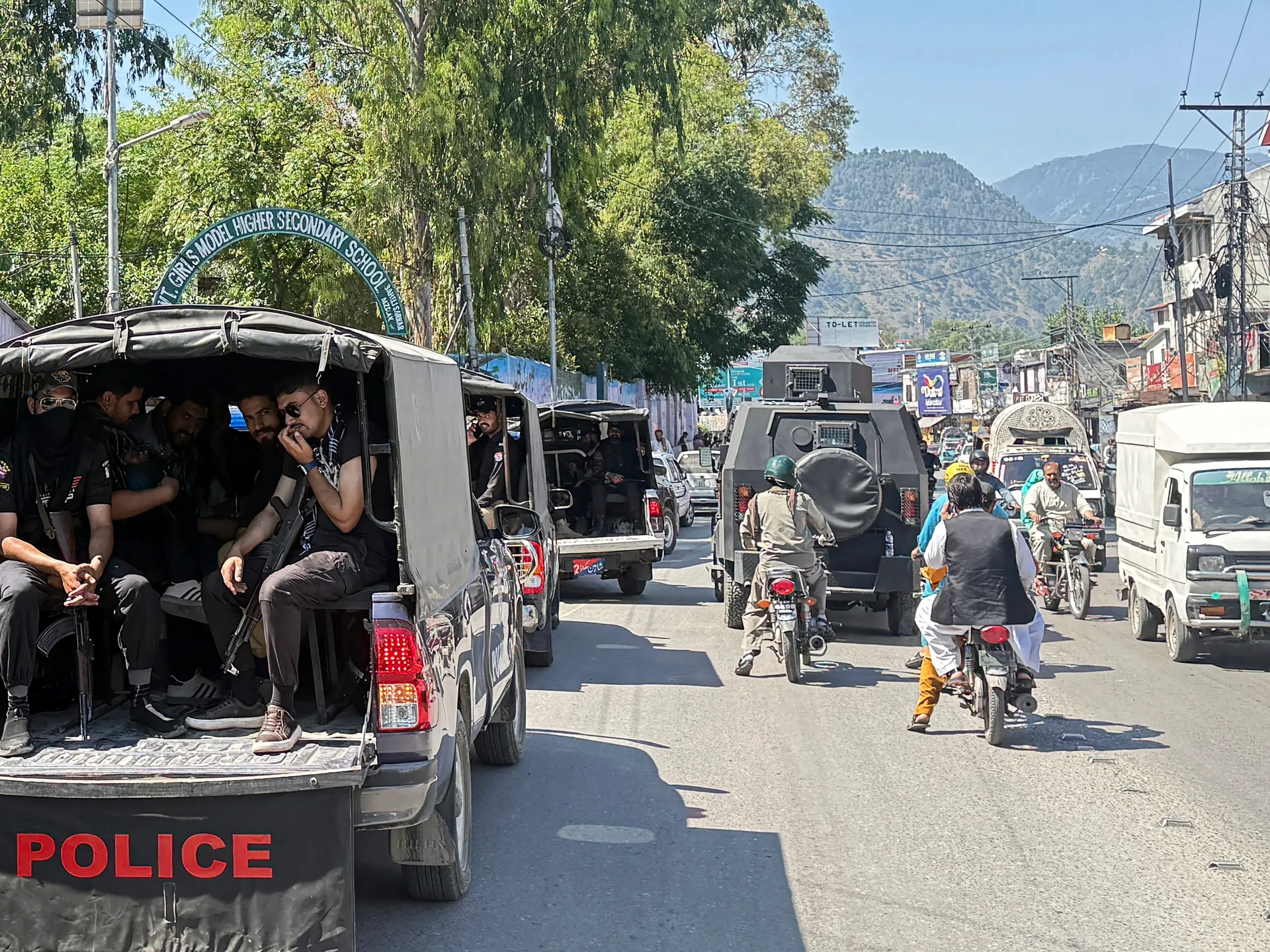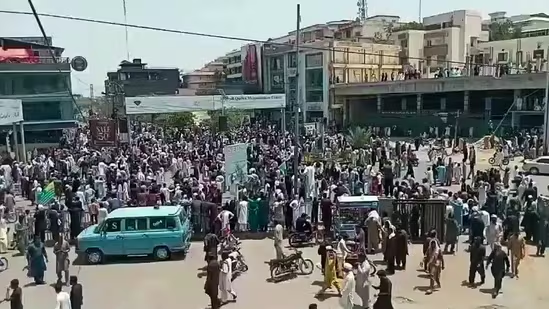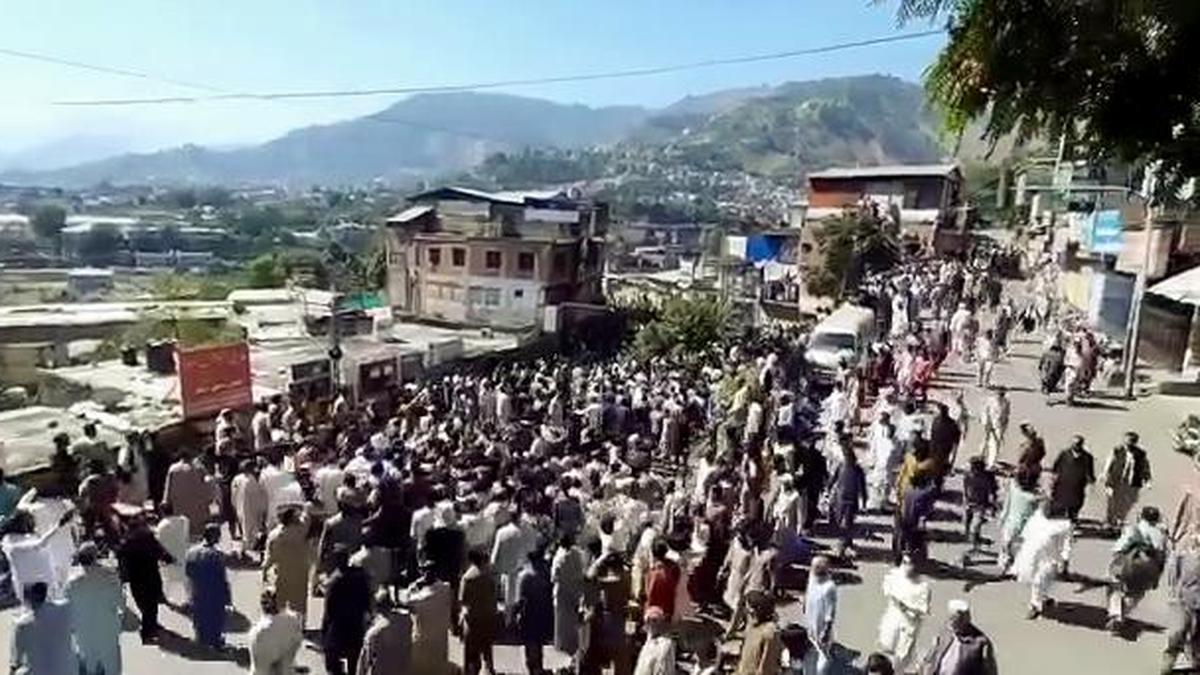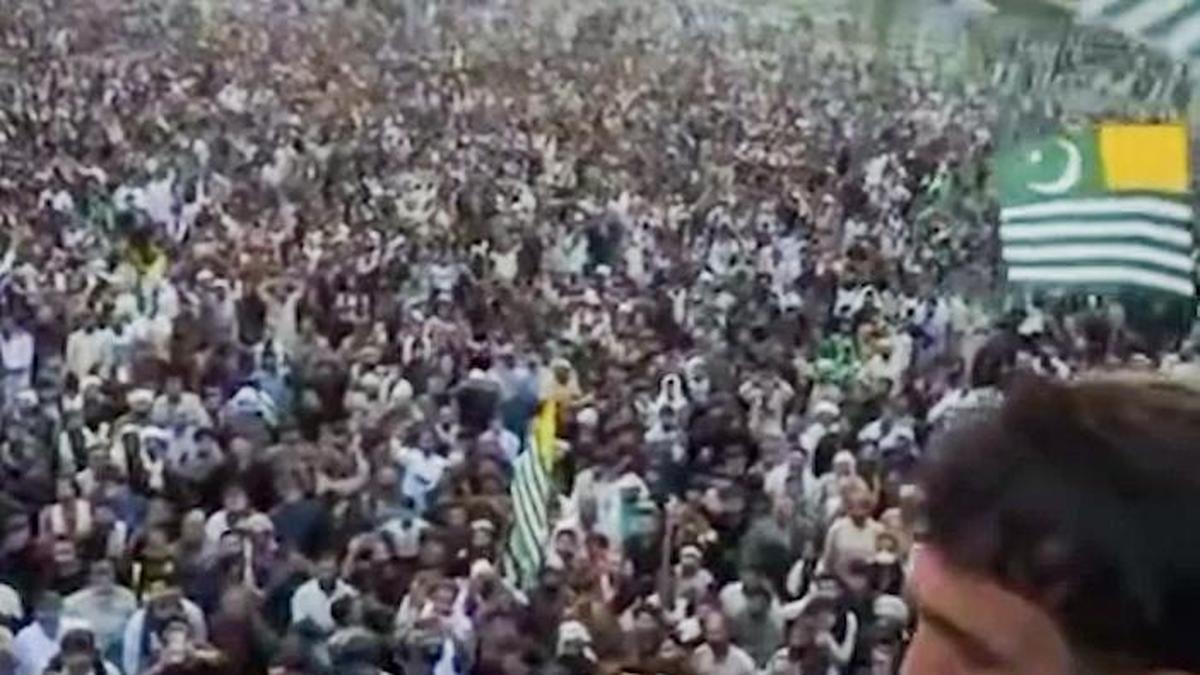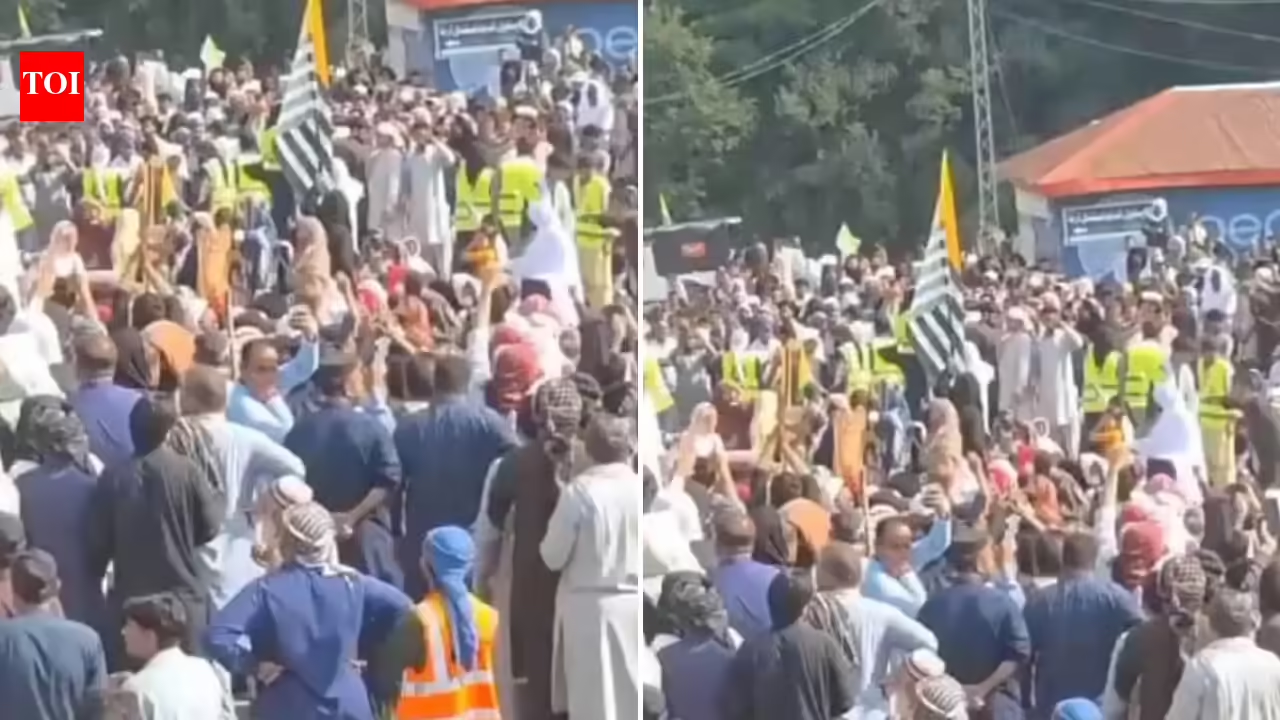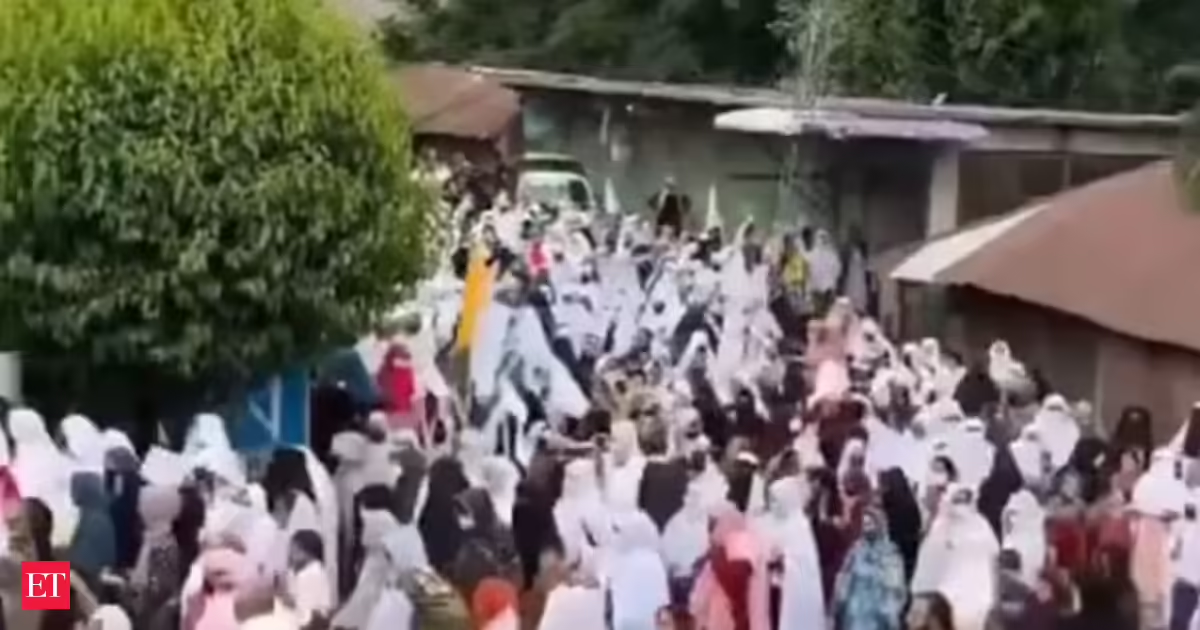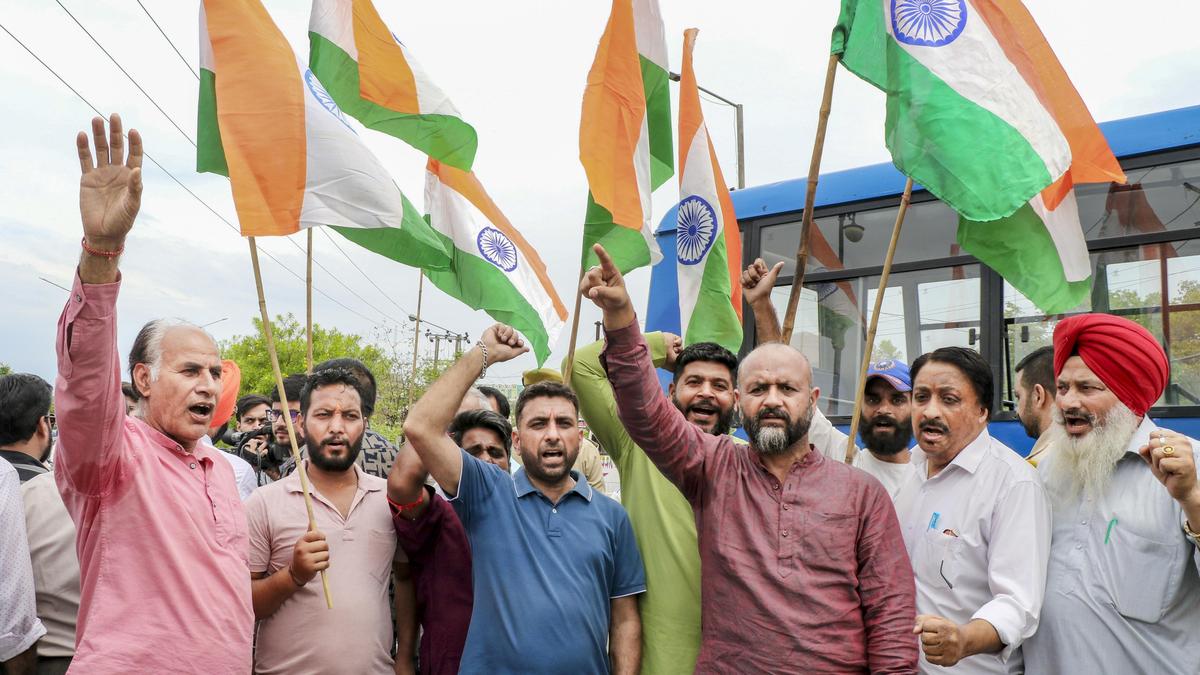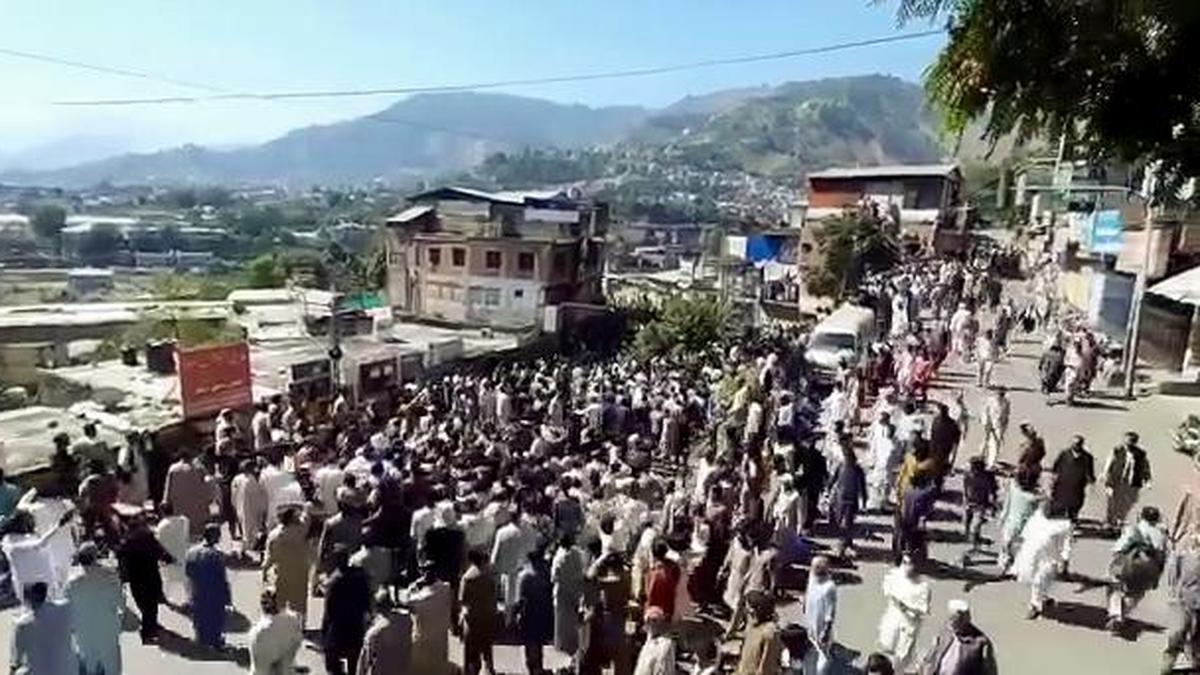
People gather in large numbers during an anti-Pakistan protest, in Muzaffarabad, Pakistan-occupied Jammu and Kashmir, on June 9, 2026.
| Photo Credit: ANI
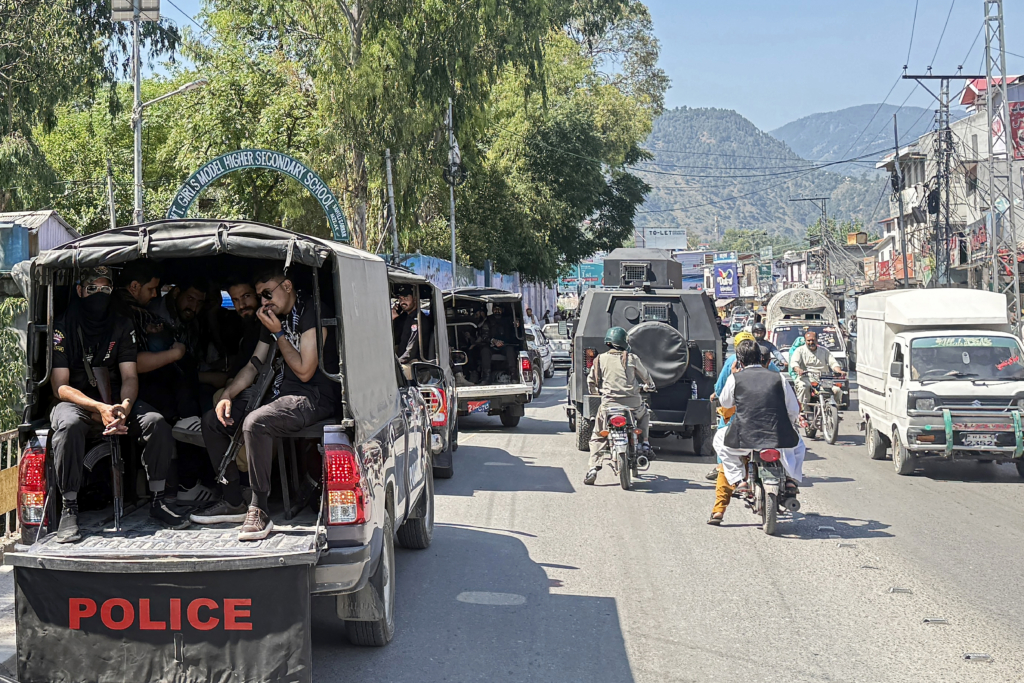
Nearly two decades ago, a person from Pakistan’s Punjab asked me, curiously, why people in Pakistan-occupied Jammu and Kashmir appeared so antipathetic towards Punjabis, even though, as he put it, “we almost spoke a similar language.” Perhaps he assumed that someone who also had one side of the family that had migrated from the region during the 1947 Partition riots and who could converse in that language might offer a more detached assessment. Coincidentally, I was then researching my book — Across the LoC — on the region. What stayed with me was not merely the question itself, but the deeper tensions it hinted at questions of identity, representation and the uneasy relationship between the region and Pakistan’s political centre. Nearly two decades later, those unresolved sentiments appear to be resurfacing in a new form.The latest events suggest that the public discontent simmering in Pakistan-occupied Kashmir has once again entered a volatile and violent phase. Founded in 2023, the Jammu Kashmir Joint Awami Action Committee (JAAC), which emerged last year as a powerful grassroots platform mobilising around electricity tariffs, wheat subsidies and governance reforms, has renewed pressure on the regional administration over what it describes as unfulfilled commitments made during earlier negotiations. Authorities have responded by moving to ban the organization, declare it as a terrorist organization and detaining several of its supporters ahead of a planned mobilisation. JAAC, however, maintains that unresolved concerns, particularly institutional and electoral grievances, remain at the heart of the movement. Published - June 09, 2026 06:11 pm IST