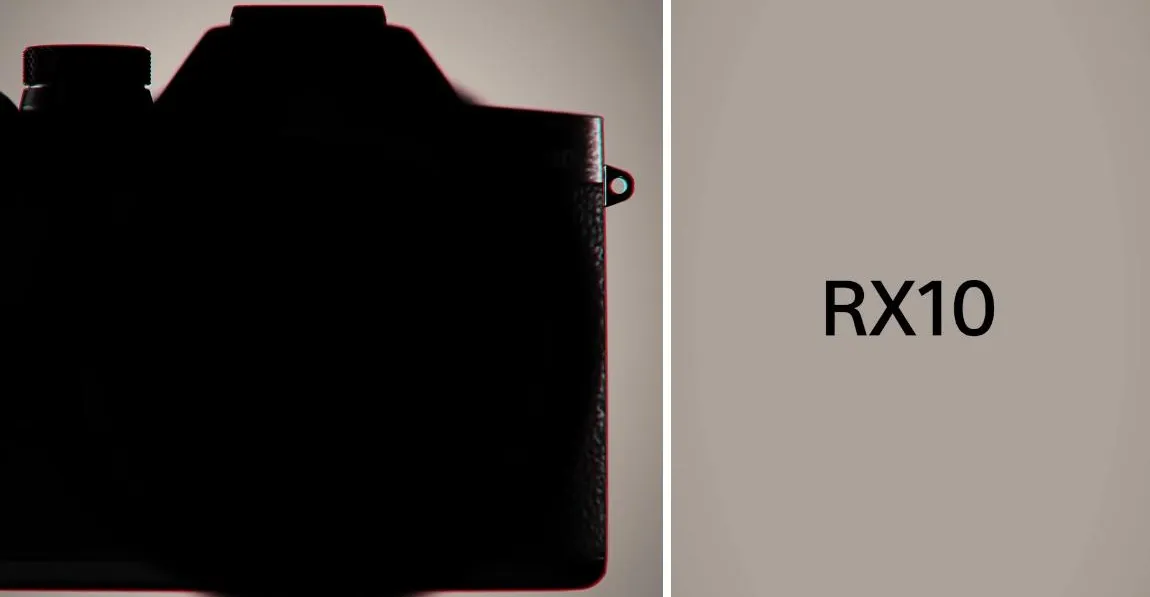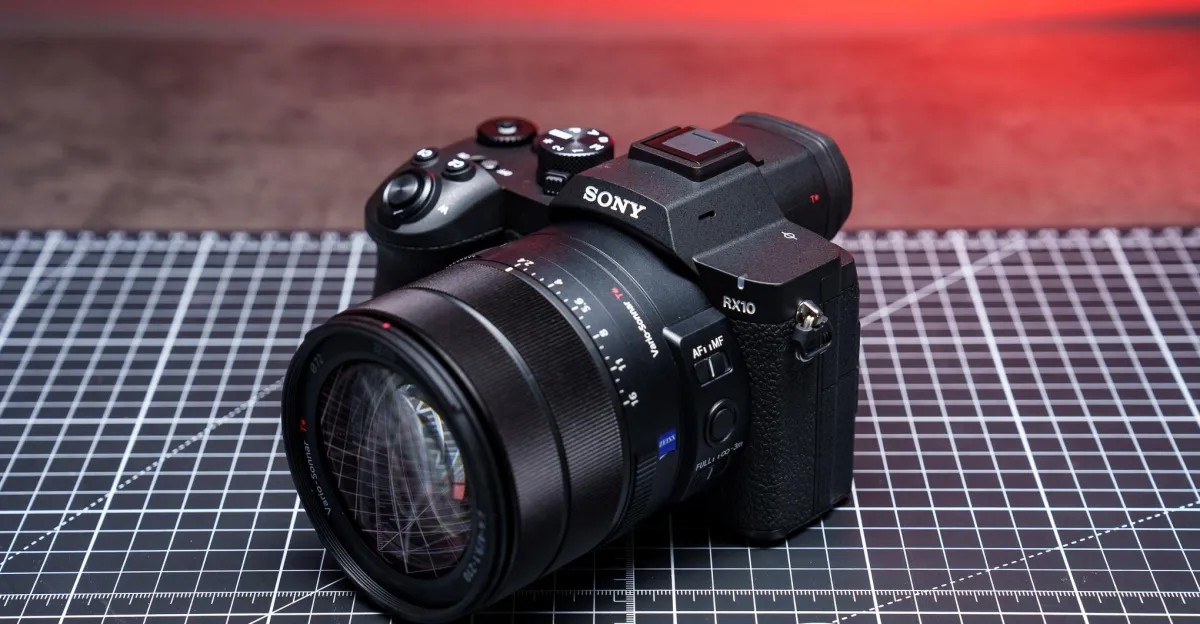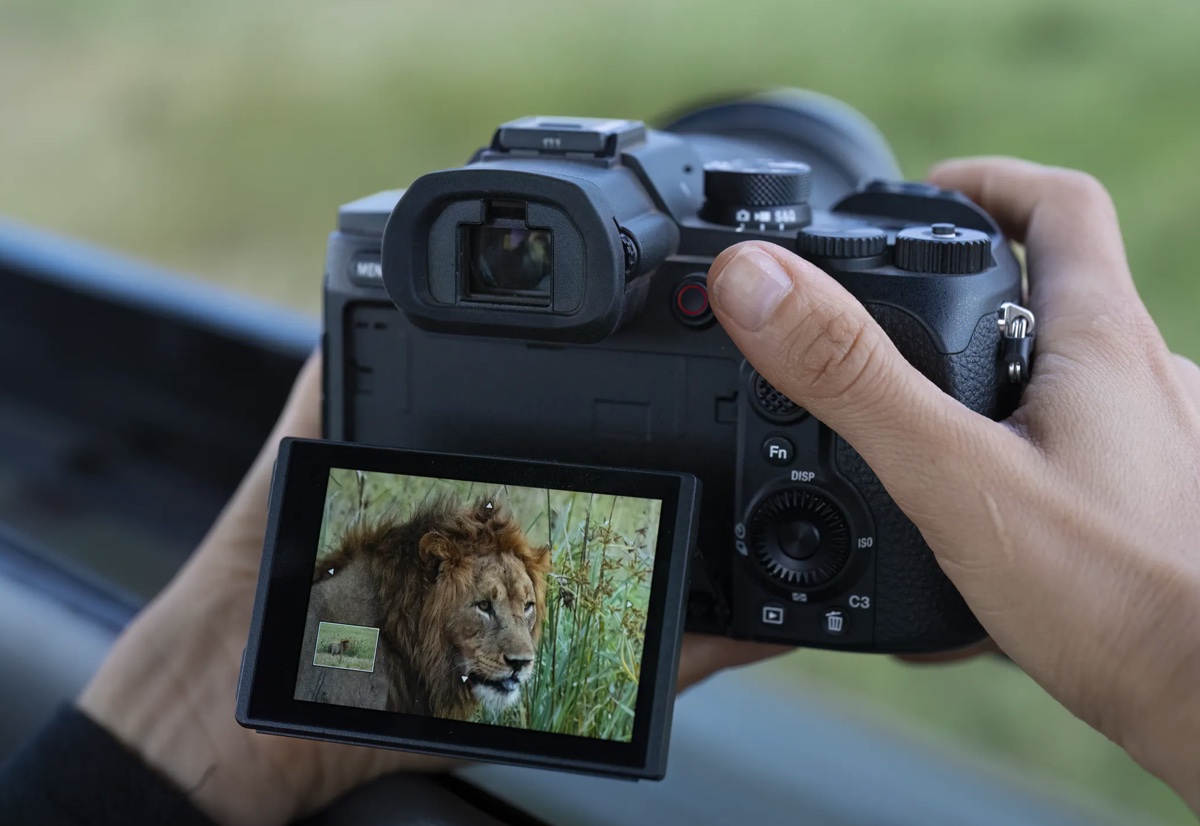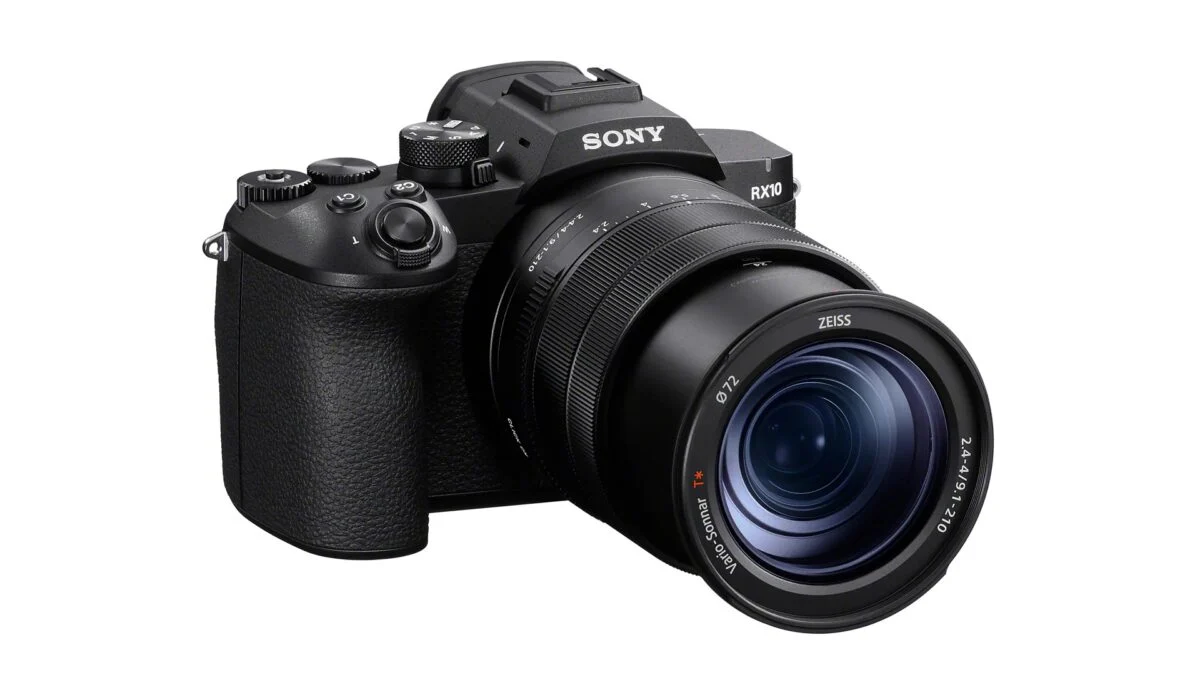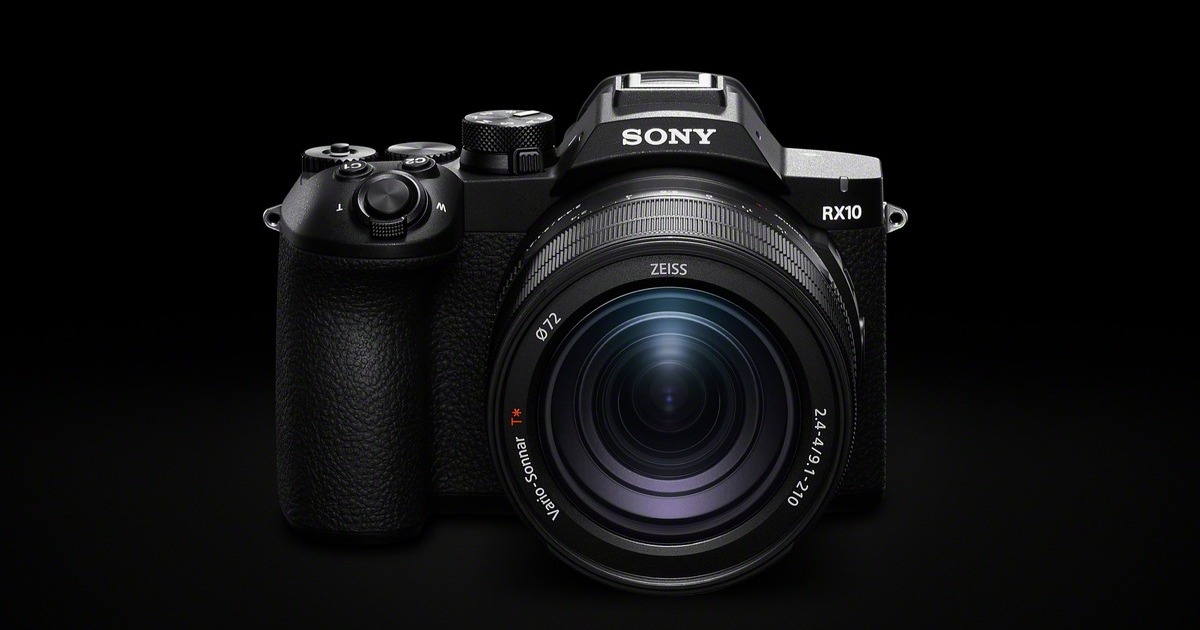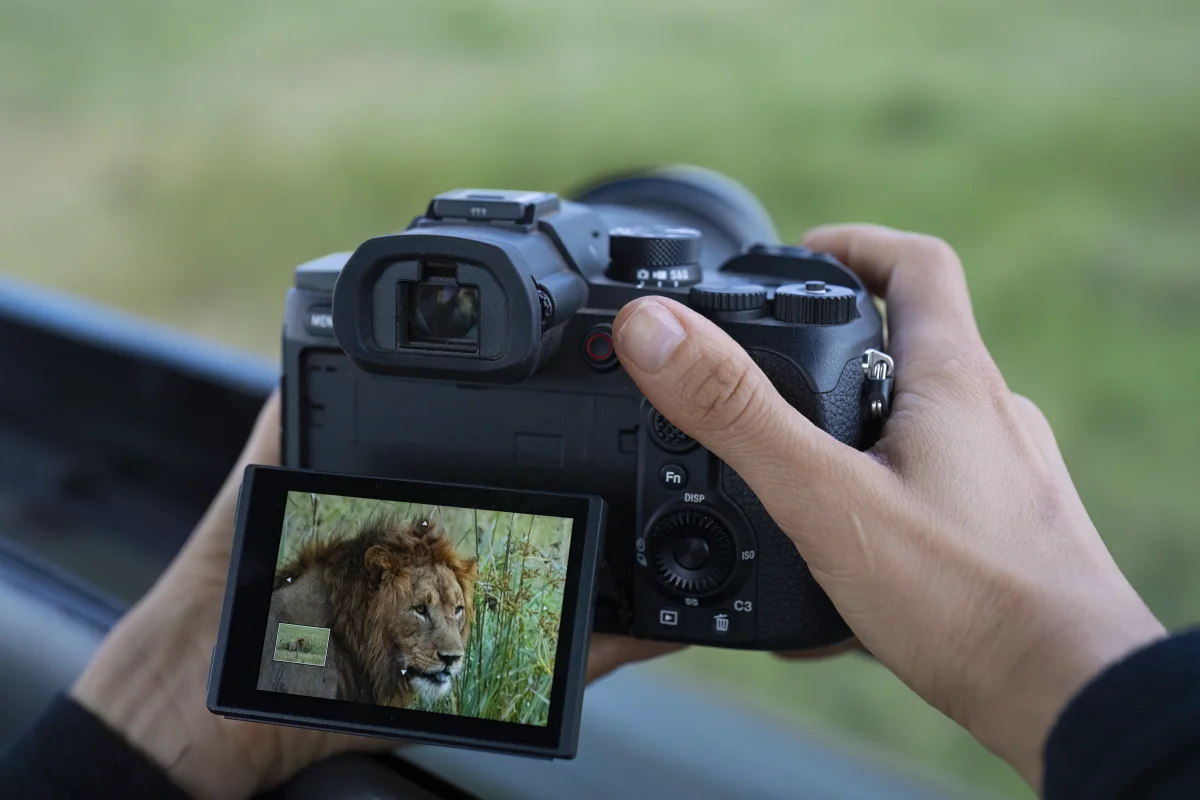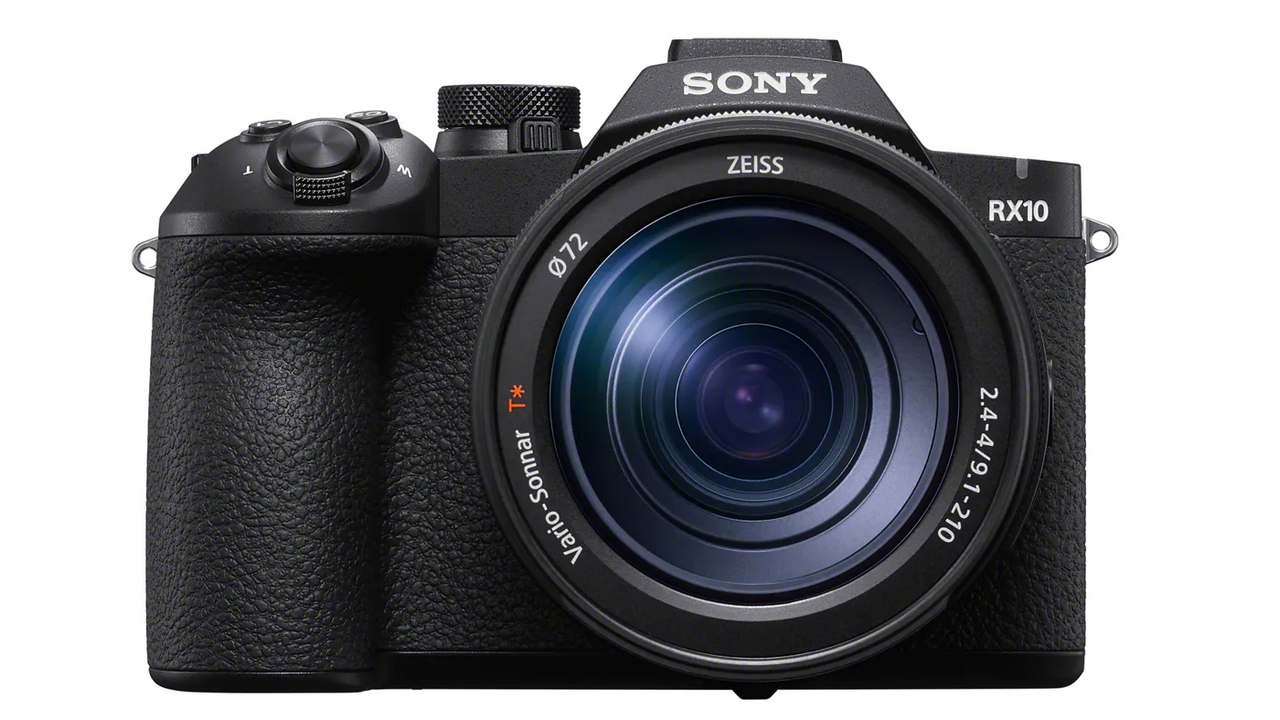
The teaser runs a few seconds, shows a silhouette, and says almost everything. "The wait is over. A new RX10 is coming 7/9/2026," reads the caption on a clip posted to the Sony Alpha Instagram account, confirming that the most beloved bridge camera of the past decade is getting a successor — its first since the RX10 IV of late 2017, a 20-megapixel, 1-inch-sensor superzoom with a 24-600mm equivalent lens that was discontinued in early 2025 after almost a decade in production, and even then had been in desperately short supply. The reveal lands on 9 July at 7 am Pacific / 3 pm BST — 7.30 pm IST, prime-time viewing for India's birding and wildlife community, which kept RX10 IV units circulating on the used market long after retail stock dried up. This is a reunion tour, and reunion tours happen for one reason: the crowd came back. Compact and fixed-lens cameras are the fastest-growing category in photography, and Sony has spotted an encore worth playing.Inside the teaser, and the one spec it leakedSony has shown a darkened profile of a body and a lens extending upward, and enthusiasts have been frame-scrubbing it for clues. TechRadar found the clearest one: as the lens extends, the visible aperture range reads f/2.4 to f/16 — identical to the RX10 IV, which features a 25x optical zoom with a 24-600mm focal length range, and the silhouette shows the same Vario-Sonnar T* branding and twin control rings. Read that as strong circumstantial evidence the optical formula carries over. The rumour mill agrees. SonyAlphaRumors claims the new model is a minimal update with a new chip for faster processing and better autofocus, plus Sony NP-FZ100 battery support, keeping the same sensor and 24-600mm lens of the nine-year-old RX10 IV. Treat that as informed speculation until Wednesday — Sony has confirmed the date and the RX10 name, and everything else remains rumour. Even the "RX10 V" name is an assumption, since the teaser gives zero details on the model number.A dynasty in four actsSome history earns its place here, because the RX10's formula explains its cult. The original arrived in 2013 with a simple pitch: a 1-inch sensor, four times larger than those in conventional bridge cameras of the era, behind a 24-200mm constant f/2.8 zoom. The RX10 II of July 2015 added a stacked Exmor RS sensor, 4K video and a 1/32,000s shutter. The RX10 III of March 2016 tripled the zoom range to 24-600mm f/2.4-4. And the RX10 IV of September 2017 completed the formula with 315-point phase-detection autofocus locking in 0.03 seconds and 24fps bursts.ModelYearLens (equiv. )Headline additionRX10201324-200mm f/2.81-inch sensor in a bridge bodyRX10 II201524-200mm f/2.8Stacked sensor, 4K videoRX10 III201624-600mm f/2.4-425x Zeiss zoomRX10 IV201724-600mm f/2.4-4315-point PDAF, 24fpsNew RX102026TBC (teaser suggests f/2.4-4)Revealed 9 JulyThat fourth act ran for eight years — the greatest-hits album that stayed on the charts because the label had stopped signing new bands.Why Sony went silent for nine yearsTwo forces explain the gap, and both reversed. First, smartphones gutted the small-sensor camera business through the late 2010s, and manufacturers redirected every engineering rupee towards full-frame mirrorless, where margins lived. Sony's imaging division became the Alpha division in all but name. Second, Sony's own product philosophy demands a technology step before a sequel. Yasufumi Machitani, General Manager of Sony's camera business, explained the near-identical RX1R III delay to PetaPixel this year: the company held back until "AI-powered subject recognition, higher megapixel sensors" justified renewing the line, having implemented its best technology in the previous model almost 10 years earlier. The statement matters because it is the closest thing to an official doctrine for the RX10's return — the RX1R III of July 2025 was the proof of concept, reviving a full-frame premium compact line after a 10-year hiatus once the premium compact wave (Fujifilm X100VI, Ricoh GR) made the arithmetic work. The RX10 is the second reunion in that programme, and the pattern suggests Sony's decade of silence was strategy rather than abandonment.Compact cameras are selling again, and the numbers are loudHere is the market mechanism. CIPA, the Japanese industry body, recorded total digital camera shipments rising from 8.49 million units in 2024 to 9.44 million in 2025 — an 11.2 per cent jump — with built-in-lens cameras the striking growth story, up 29.6 per cent to 2.44 million units. The momentum held into this year: CIPA's data through April 2026 shows compact and fixed-lens cameras up 30 per cent in units and 26 per cent in value, a point-and-shoot revival driven by younger buyers who want a dedicated camera that is separate from their phone. CIPA forecasts 2.77 million fixed-lens cameras shipping in 2026, a further 13.6 per cent increase, even as mirrorless is predicted to dip 2.6 per cent. Rivals have noticed. Canon is increasing compact camera production volume to 1.5 times last year's level, per Japanese outlet News Switch. Bridge cameras are the overlooked corner of this revival — a superzoom with a proper sensor answers the single biggest complaint driving buyers back from phones, which is zoom. The lesson from the sales charts is that the audience never left; the instruments did.Rivals abandoned this stage years agoThe competitive picture is the strangest part of this story: the new RX10 returns to a category its competition vacated. DPReview's framing is blunt — the Nikon P1100 offers a massive 24-3,000mm zoom but uses a Type 1/2.3 sensor that makes even the RX10 IV's look massive by comparison, while Panasonic's ZS300 pairs a 1-inch sensor with a far less ambitious 24-360mm f/3.3-6.4 lens against the RX10's f/2.4-4. The direct rival died first: Panasonic's FZ1000-class competitors have also disappeared from the market, and Panasonic's current Lumix FZ80D bridge camera uses a 1/2.3-inch sensor. A 1-inch sensor is roughly four times the area of that chip — the difference between clean feathers on a hornbill at dusk and watercolour mush. If the new RX10 simply matches the old one with modern autofocus, it wins its segment by walking on stage. Pole position, awarded in the pit lane.Can it out-shoot your phone?This is the question every GN reader will ask, and it deserves a straight answer rather than camera-industry cope. Flagship phones have made genuine zoom progress: the Samsung Galaxy S26 Ultra pairs a 200MP main sensor with a 50MP 5x periscope and 10MP 3x telephoto, and TIPA called its camera the new standard in zoom capability, while the Oppo Find X9 Ultra covers 14mm to 230mm optically with a 200MP 3x periscope and a 50MP 10x periscope whose 230mm-equivalent reach digital zoom in other phones simply cannot match. Impressive. And still a different instrument. Think of it as tube amps versus solid state: the phone is the modelling amp — convenient, clever, processed to taste before you hear a note. The RX10 is the valve head — a real 600mm of glass in front of a sensor that is physically larger than anything in a phone's periscope, with an aperture that holds f/4 at full stretch where phone telephotos sit at f/4.5 and beyond on far smaller chips. Optical reach past 230mm is where every phone falls off a computational cliff; 600mm is where birds, cricket boundaries and airshows live. Add a proper electronic viewfinder in Delhi's afternoon glare, twin control rings, and burst shooting with mechanical-grade tracking, and the trade is clear. The phone wins the shot you take on the way to dinner. The RX10 wins the shot you left the house for.India: pricing physics and the wildlife crowdThe India stakes are specific. The RX10 IV launched here at roughly Rs 1,29,990 and was last listed at Rs 1,31,490 — figures worth re-verifying against Sony India on launch day. Its natural constituency here is large and underserved: birders on the Bharatpur-Corbett-Western Ghats circuit, safari tourists heading to Ranthambore who refuse to lug a 100-400mm lens plus body, and cricket parents at academy nets. India's camera conversation has been mirrorless-first for years, and a one-box 600mm answer changes the entry maths for wildlife photography — a used RX10 IV has been the quiet recommendation in Indian birding groups because a comparable Alpha body-plus-telephoto kit runs multiples of its price.Two India-specific risks temper the excitement. Import duty and GST will inflate whatever global price Sony sets, and this launch arrives amid the memory-cost crunch that has already pushed Apple to raise MacBook and iPad prices in India by 20 to over 40 per cent, citing memory and storage costs driven by AI infrastructure demand — cameras carry DRAM and NAND too, and French outlet Phototrend expects a launch price likely above the RX10 IV's €2,000. If that converts the way Sony's India pricing usually converts, expect a sticker between Rs 1.8 lakh and Rs 2.2 lakh — an estimate, and one which will get confirmed on 9 July. Availability is the second question: Sony India has kept the RX10 IV page live on its site, which suggests the channel exists, but India launch timing for niche Cyber-shot bodies has historically trailed the US and Europe by weeks.Watch for these three things on WednesdayThe reveal will answer three questions that decide whether this is a comeback album or a cash-grab remaster. First, the sensor: a carried-over 2017 stacked chip with a new processor would still deliver class-leading results in a dead category, but a modern sensor with Sony's AI autofocus unit would make it a genuine wildlife tool at a fraction of Alpha money. Second, video: the RX10 IV's 4K/30 was strong for 2017; creators in 2026 expect 4K/60, better codecs and mic-monitoring for run-and-gun work, the constituency CineD identifies as wildlife shooters, event photographers, and run-and-gun video journalists who want serious reach. Third, the price — because the category is empty, Sony can charge what it likes, and the RX1R III's $5,099 tag shows how far this company will push a monopoly on nostalgia. The RX10 earned its cult by being the sensible superzoom. On Wednesday we learn whether Sony still remembers the setlist, or whether the reunion tour is priced for the corporate box.Frequently asked questionsWhat has Sony announced?A teaser confirming a new RX10-series camera, with the full announcement set for 9 July at 7.30 pm IST. Specs, name and pricing arrive then.When was the last RX10 released?The RX10 IV launched in 2017 with a 24-600mm f/2.4-4 lens, a 20. 1MP 1-inch sensor and 24fps shooting; it was discontinued in early 2025.Will the new model keep the 24-600mm lens?Rumours say yes — one report claims the same sensor and lens with a new chip and NP-FZ100 battery, and the teaser's visible f/2.4-16 aperture range matches the RX10 IV. Confirmation comes on 9 July.What will it cost in India?Yet to be announced. The RX10 IV last listed at Rs 1,31,490; European speculation points above €2,000, so budget upwards of Rs 1.8 lakh as a working estimate.Is a bridge camera still worth it against a flagship phone?For reach, yes. Even the best phone telephotos top out around 230mm-equivalent optical; the RX10 formula delivers 600mm of real glass on a far larger sensor — the difference shows in wildlife, sport and low light.end of article
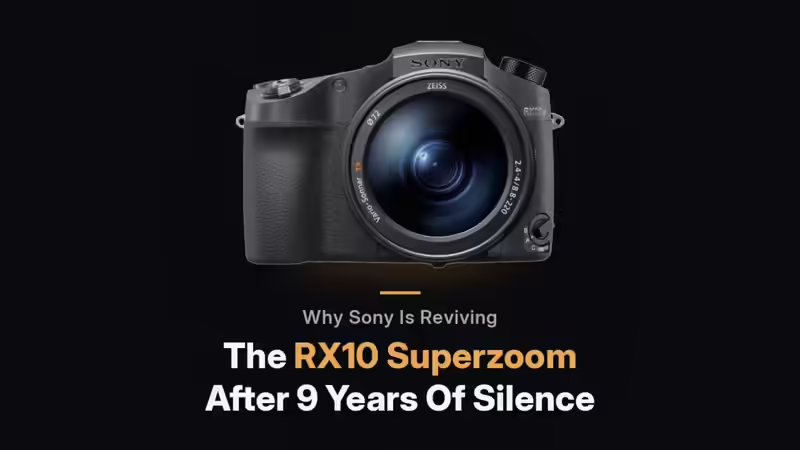
Why Sony Is Reviving The RX10 Superzoom After 9 Years Of Silence
Sony has confirmed a new RX10 arrives on 9 July, ending a nine-year gap since the RX10 IV. With compact camera shipments up 30 per cent and every direct rival gone, the superzoom returns to an empty category — and to an Indian wildlife audience that kept the old model alive on the used market.
1,852 words~8 min read