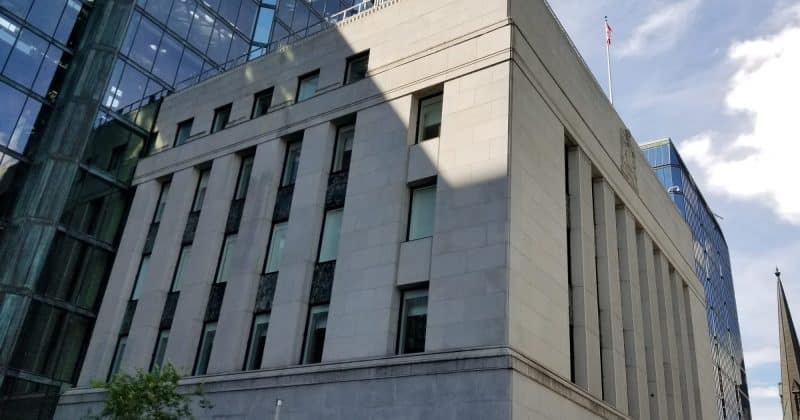
Canadian firms are feeling a lot less anxious about inflation, and geopolitics deserves most of the credit. The Bank of Canada’s latest Business Outlook Survey shows that one-year-ahead inflation expectations among businesses have softened meaningfully, driven by declining energy prices in the wake of the US-Iran ceasefire framework announced in mid-June 2026.
Before the ceasefire, the picture looked different. Firms had reported a slight uptick in short-term inflation expectations, pointing to rising costs for oil, fertilizer, and freight as the culprits. Then diplomacy intervened, oil prices started falling, shipping lanes stabilized, and suddenly the inflation boogeyman looked a lot less scary.
The numbers behind the shift
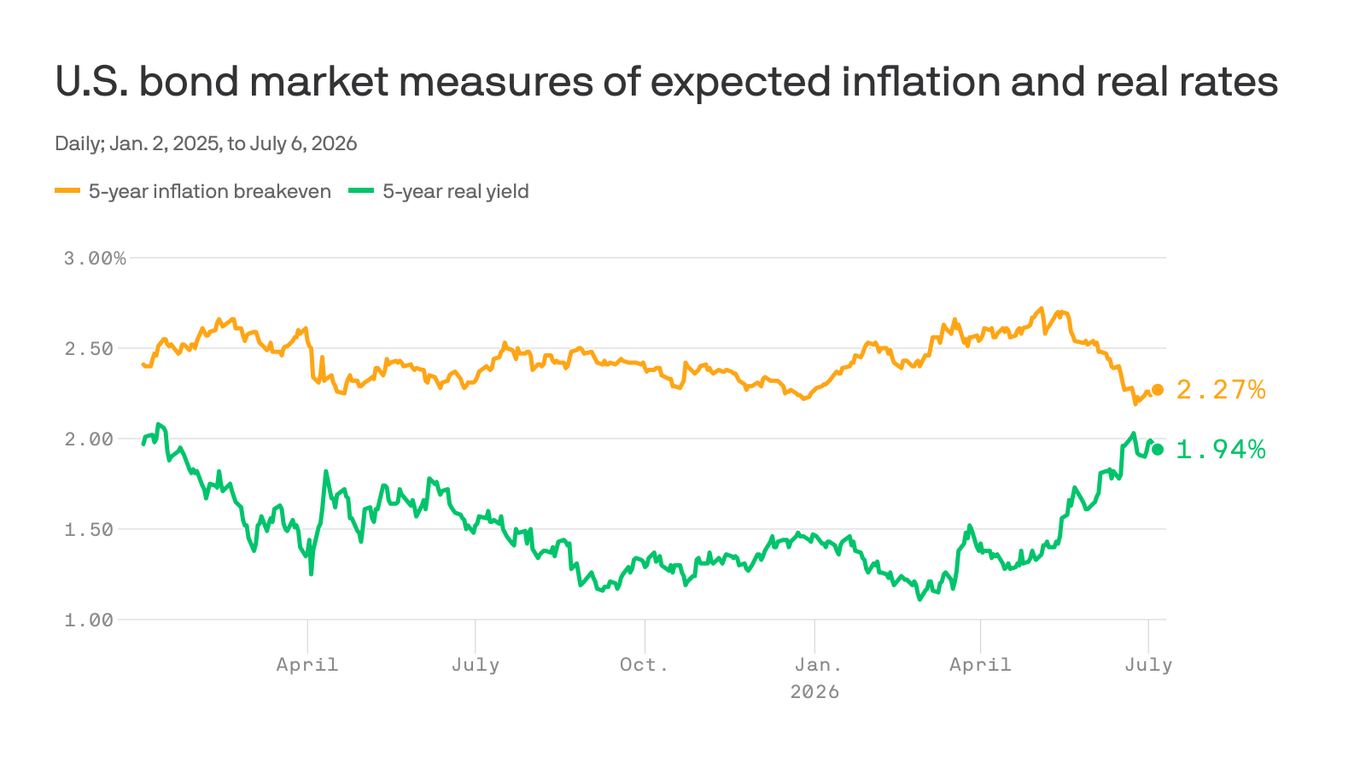
Canada’s Consumer Price Index hit 3.2% year-over-year in May 2026. That’s still above the BoC’s 2% target, but core inflation sat at just 1.6%, suggesting the headline number was being driven by volatile energy costs rather than broad-based price pressures.
Long-term inflation expectations among surveyed firms remain anchored in the 2.5% to 3% range. Analysts now project that headline inflation will hover around 3% before gradually drifting back toward that 2% target, potentially reaching it by 2027.