What was once viewed as temporary retail is now evolving into a strategic entry point to organised malls, particularly when quality retail space becomes harder to secure.
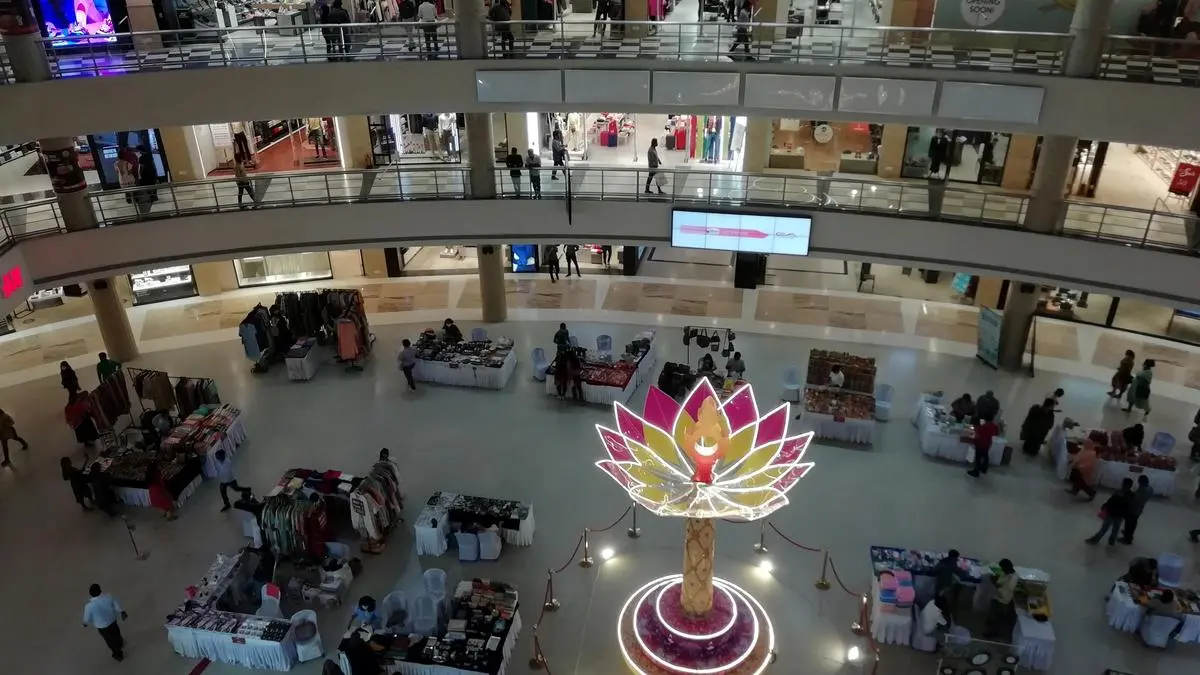
Finding space in India’s leading malls has become almost as challenging as attracting customers. With premium retail space in short supply, beauty, fashion and digitally native brands are increasingly turning to kiosks as a lower-risk entry point, allowing them to test demand, validate locations and build brand visibility before committing to full-fledged stores.From beauty and fashion labels to digitally native D2C brands and premium food and beverage players, companies are increasingly opting for compact kiosks to test consumer demand, validate locations and build brand visibility. What was once viewed as temporary retail is now evolving into a strategic entry point to organised malls, particularly when quality retail space becomes harder to secure.Reduces risksBlackstone-backed Nexus Select Trust, which operates 19 malls across 15 cities, says the format allows both brands and mall operators to reduce risk before making long-term commitments. “We give them kiosks and ask them to spend 11 months understanding the market. During that time, we also evaluate how they perform. If the concept works, we can then offer them a larger store,” said Pratik Dantara, Chief Investor Relations Officer and Head of Strategy at Nexus Select Trust.The staged approach has become increasingly relevant as established malls operate at high occupancy levels. Rather than allocating large stores to relatively untested brands, mall operators are using kiosks as a screening mechanism, while brands gain access to premium locations at a fraction of the investment required for a permanent outlet.Industry experts say the shift also reflects the growing maturity of India’s omnichannel retail landscape.According to Anuj Kejriwal, CEO, Retail, Europe, Middle East & Africa at Anarock Group, D2C brands accounted for more than 25 per cent of retail leasing in 2025. Kiosks, he said, have become valuable omnichannel touchpoints, allowing brands to gauge customer response before committing to larger expansion plans.For brands, the economics are equally compelling. Setting up a kiosk requires significantly lower capital, while still providing the crucial “touch-and-feel” experience that online-first businesses often lack. The smaller format also offers the flexibility to experiment with locations, merchandise and consumer preferences without taking on the financial risk of a conventional store.Sunil Munshi, COO, Retail at Brigade Group, said interest is particularly strong from digitally native brands, lifestyle companies and premium food and beverage players. The model works because it combines cost efficiency with customer engagement, flexibility and immediate access to high-footfall destinations.As brands gain confidence through kiosks, many eventually aspire to larger stores. But in premium malls, space availability, not just affordability, has become the biggest hurdle. Kiosks, therefore, strike a balance, allowing brands to establish a physical presence while giving mall operators time to assess whether the concept complements the mall’s positioning and tenant mix before allocating permanent space.The model is also helping mall operators diversify their retail mix without taking unnecessary leasing risks. If a brand performs well, it can graduate to a larger format. If not, operators avoid the disruption of replacing a full-sized tenant.Interestingly, kiosks are no longer viewed merely as a stepping stone. Kejriwal noted that they are increasingly becoming permanent fixtures within retailers’ omnichannel strategies, offering flexible, hyper-local touchpoints even as brands plan larger flagship stores in key markets. In metros such as Mumbai, Bengaluru and NCR, premium and international brands are using kiosks in high-footfall zones, where retail space commands a premium. In Tier-II cities, meanwhile, the format enables brands to test demand before investing in full-scale stores.The growing popularity of kiosks ultimately reflects a broader imbalance in India’s retail real estate market. Demand for quality mall space continues to outpace supply, with leading malls operating at near-full occupancy and new Grade A developments being added only gradually. In that environment, kiosks are evolving from a stopgap solution into a strategic retail format, one that allows brands to expand faster while helping mall operators curate their tenant mix more effectively.Published on July 6, 2026