6 Min Read
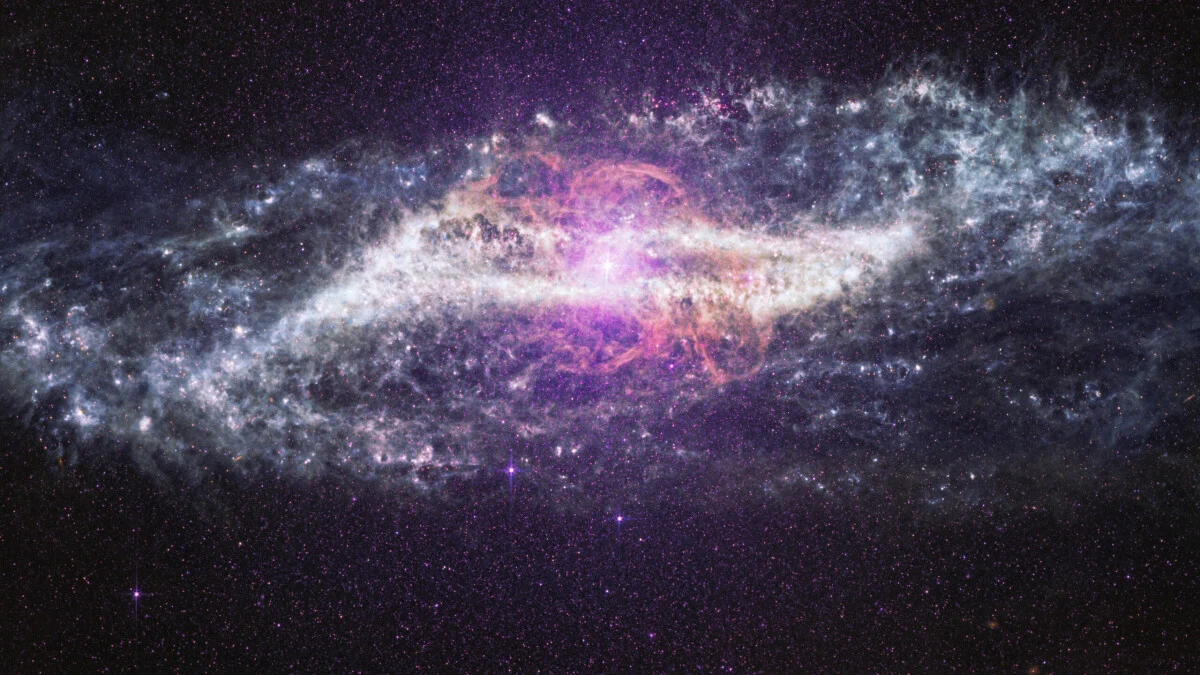
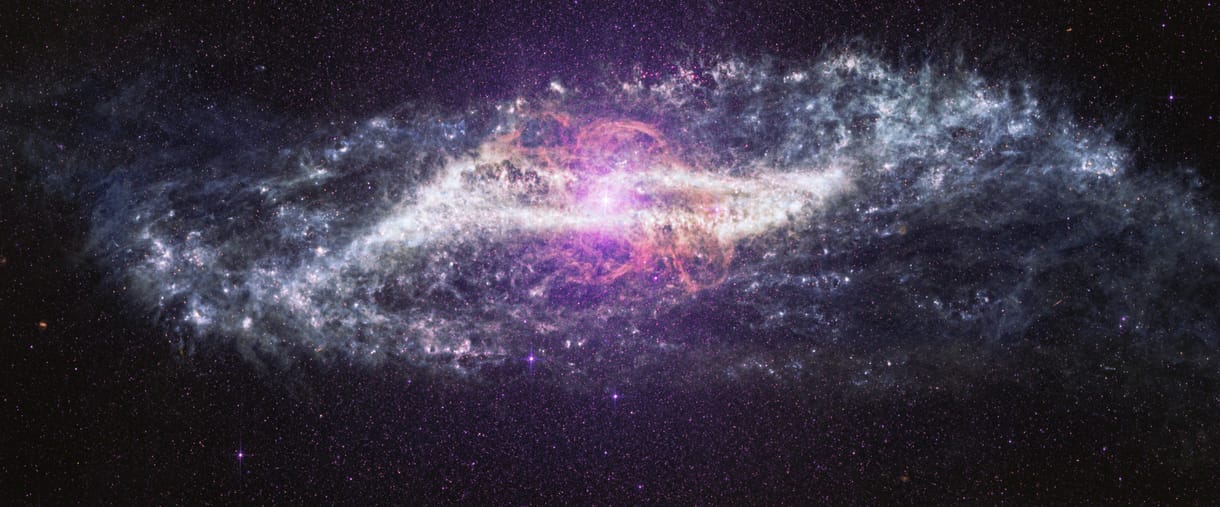
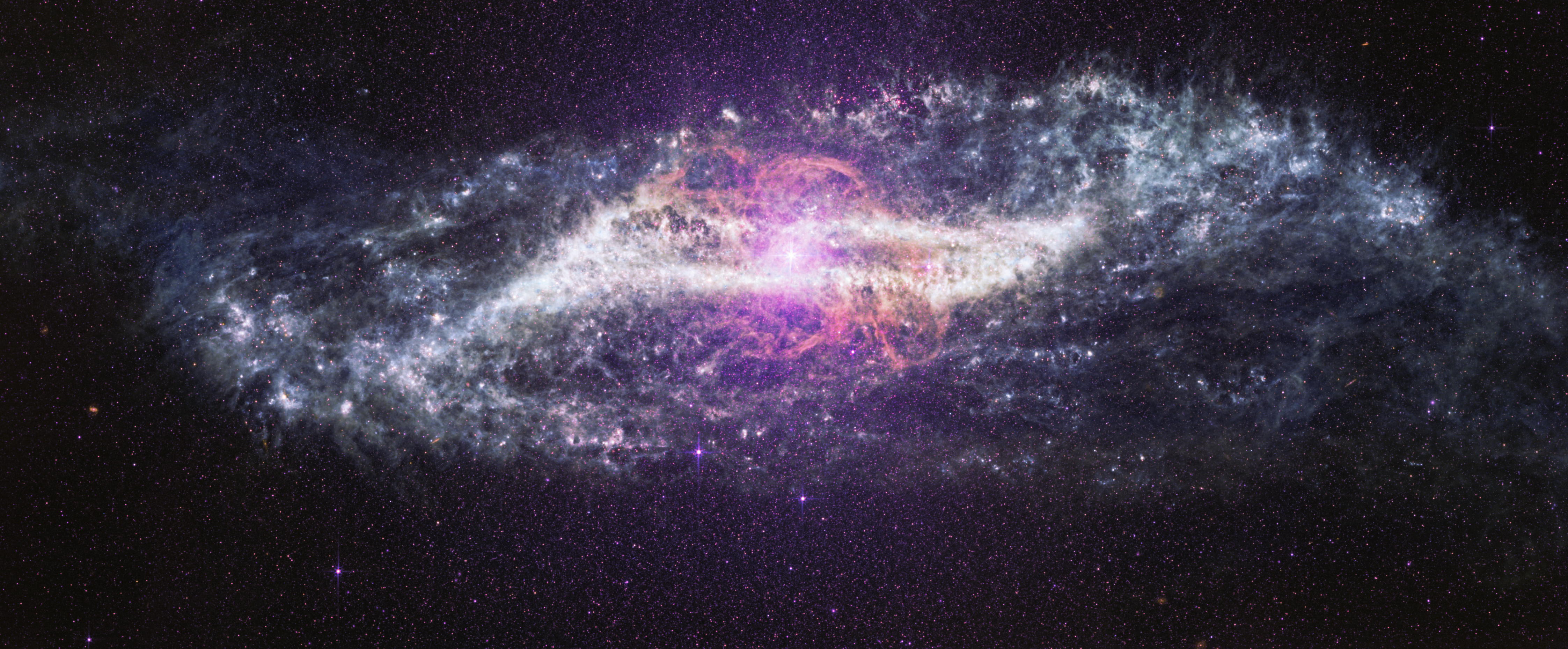
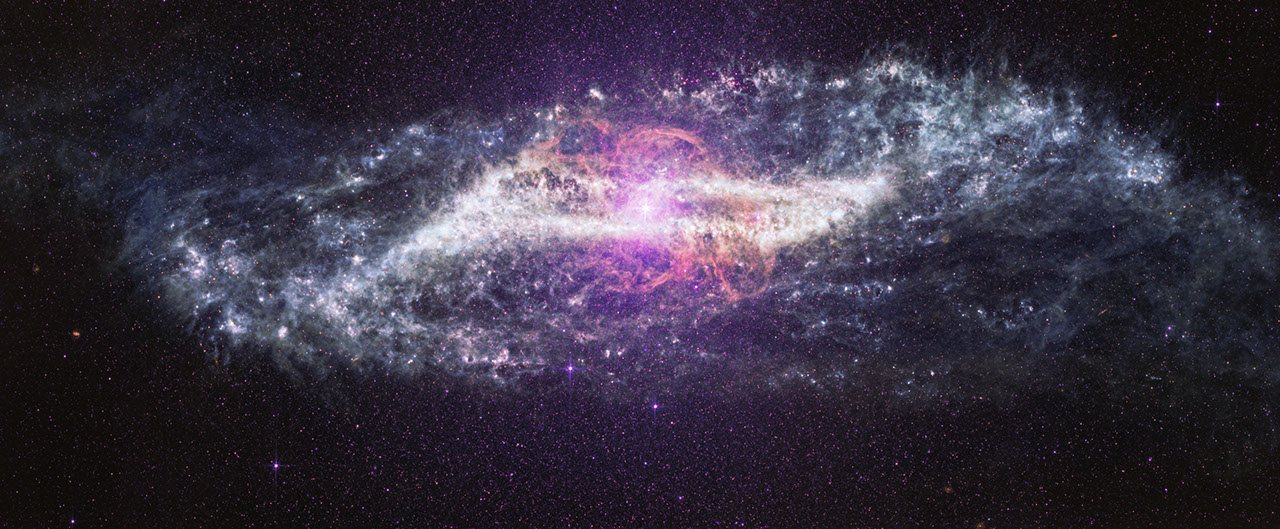
The mid-infrared view of Centaurus A from NASA’s James Webb Space Telescope reveals dusty structures and hidden activity within the nearby, active galaxy.
Credits:
In new images from NASA’s James Webb Space Telescope to celebrate its fourth science anniversary, a familiar galaxy transforms into something far richer, and far more complex, than ever seen before. Webb’s unprecedented sensitivity across near- and mid-infrared wavelengths cuts through the thick lanes of dust that obscure Centaurus A’s center in visible light, showing a densely packed tapestry of individual stars and an active, everchanging galaxy. These images mark four years of better-than-anticipated performance and successful science operations for the most powerful space telescope in history.
Centaurus A is 11 million light-years away from Earth, relatively close in cosmic terms. Yet, unlike most nearby galaxies, it is very active, making it a powerful laboratory for understanding how galaxies and black holes grow and evolve together.