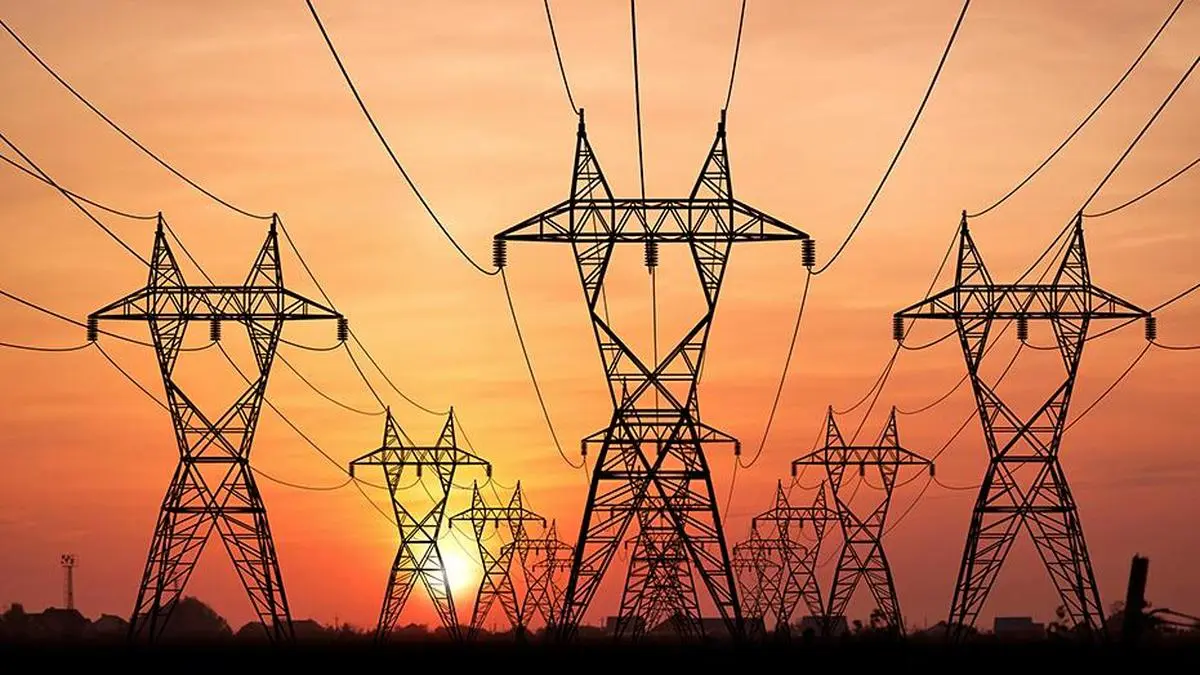
The CEA suggested that every Discom should complete a Summer Preparedness Review by February every year
| Photo Credit:
TebNad;iStockphoto
The Central Electricity Authority (CEA) has issued an advisory to Discoms recommending a slew of measures, including setting up emergency response teams, to tackle blackouts and create a summer response plan, to prevent load shedding during peak demand periods.Despite the overall adequacy of generation resources and availability of power in the grid, several States continue to experience outages and load shedding during the summer months, rued Ghanshyam Prasad, Chairperson of the CEA.“Field experience and operational feedback indicate that a significant proportion of such interruptions arise from constraints within the distribution network. These include overloading of distribution transformers and feeders, inadequate transformation capacity at substations, delayed system augmentation, failure of ageing equipment, local network bottlenecks, and insufficient preventive maintenance,” he added. Growing use of air-conditioners, rapid urbanisation, expansion of commercial establishments, growth in agricultural demand, EV charging infrastructure, etc are accelerating the growth of peak demand at the distribution level.In many cases, the actual growth in local demand exceeds the pace of network strengthening, resulting in transformer failures, feeder tripping, voltage-related issues, and consequent load shedding during peak demand periods.preparedness reviewThe CEA suggested that every Discom should complete a Summer Preparedness Review by February every year, which should cover network capacity assessment identification of distribution transformers (Dts) loaded above 80 per cent, feeders loaded above 80 per cent, power transformers loaded above 75 per cent and areas experiencing low voltage.A comprehensive Annual Preventive Maintenance programmes of 33 kV (kilo volt) substations, 11 kV feeders, DTs, etc shall be completed prior to the onset of summer season. No critical maintenance activity shall be deferred for the summer season except under exceptional circumstances, it said in the advisory.The CEA also emphasised that dedicated Emergency Response Teams (ERTs) shall be constituted to restore the power supply as soon as possible within the applicable norms and regulations.These teams may be positioned at strategic locations, equipped with adequately trained manpower, vehicles, tools, testing equipment and requisite safety equipment including PPE, fall-arrest system, etc. along with an adequate inventory of critical spares. Regular training may be provided to Discom personnel, including engineers, linemen, and other field staff, on preventive maintenance, fault detection, hotline maintenance, outage management and rapid restoration of supply.proactive approachPrasad emphasised that distribution utilities need to transition from a predominantly reactive approach of addressing outages after they occur to a proactive approach based on scientific planning, predictive analysis, preventive maintenance, and advance preparedness for seasonal demand growth.To deal with the situation, the CEA has prepared a set of advisory measures for Discoms aimed at minimising load shedding and improving reliability of power supply during peak demand periods.The advisory emphasises systematic assessment of network loading, advance planning of augmentation works, preventive maintenance of critical assets, data-driven monitoring of distribution infrastructure, and strengthening of emergency response mechanisms.“Considering the expected increase in demand during forthcoming summer seasons, I would request you to advise all distribution utilities in your State to review their preparedness and take suitable action on the above lines,” Prasad urged States.Particular emphasis may be placed on identifying network constraints well in advance and ensuring timely completion of augmentation and maintenance works before the onset of peak demand conditions.Published on July 6, 2026