As a brutal heat wave hits much of the central and eastern United States this week, the Department of Energy wants power-hungry data centers to help ease the strain on the grid. The Energy Department issued an emergency order earlier this week allowing PJM, the grid operator for 13 states and Washington, D.C., to require data centers and other large customers to use their own backup power. Energy Secretary Chris Wright authorized PJM to direct heavy power users to rely on their own backup generation as a last resort before potential blackouts. “Maintaining affordable, reliable, and secure power in the PJM service territory is non-negotiable,” said Wright in a press release. The department estimates there are more than 35 gigawatts of unused backup generation available nationwide, enough to power roughly 26 million homes.
The order comes as the National Weather Service has warned that a heat wave will hit states across the U.S. through the July 4 weekend, with temperatures ranging from 95 to 105 degrees. As millions of people crank up their air conditioners to stay cool, the power grid is expected to be pushed to its limits.
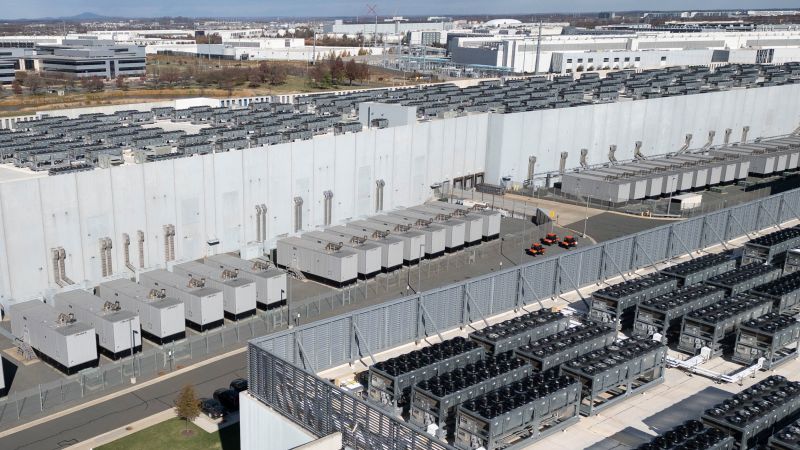
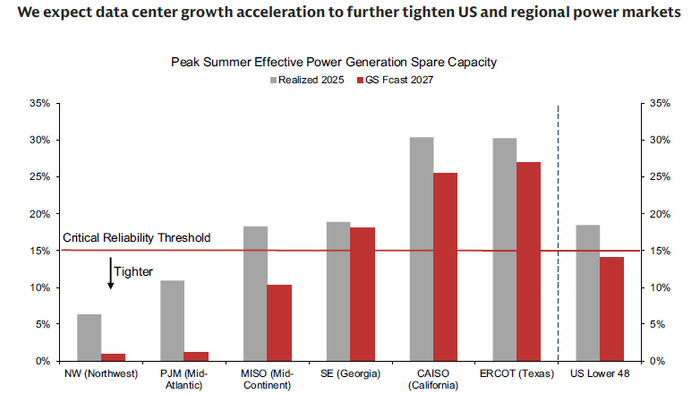
It also arrives as the AI boom has led to a wave of data center projects across the country. These facilities require massive amounts of electricity to power and cool the servers used to train and run AI models, cloud computing, and other digital services. PJM is what is known as a regional transmission organization. These organizations are often described as the “air traffic controllers” of the power grid. They usually do not own power plants or power lines, but they help balance supply and demand, operate wholesale power markets, and coordinate grid planning across large regions.