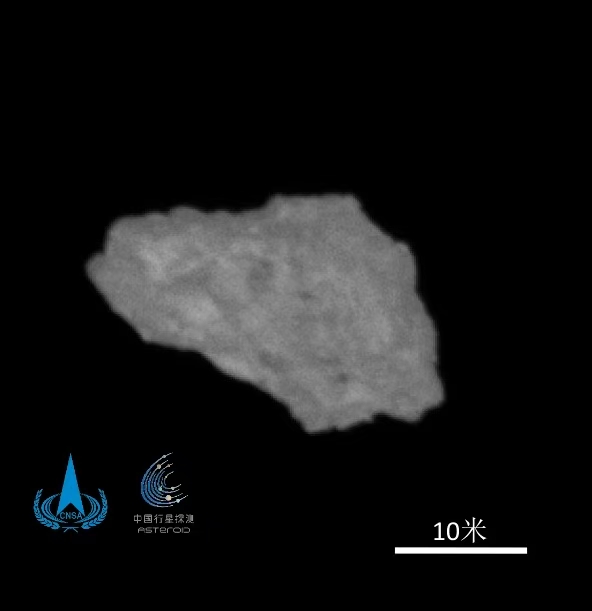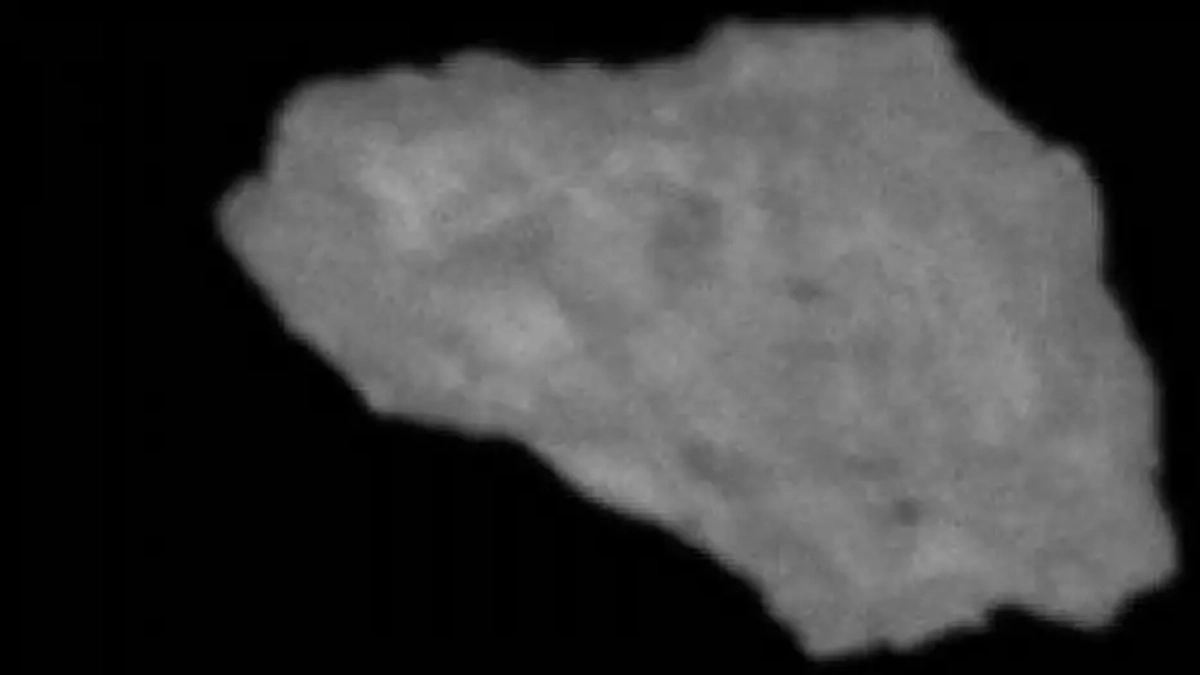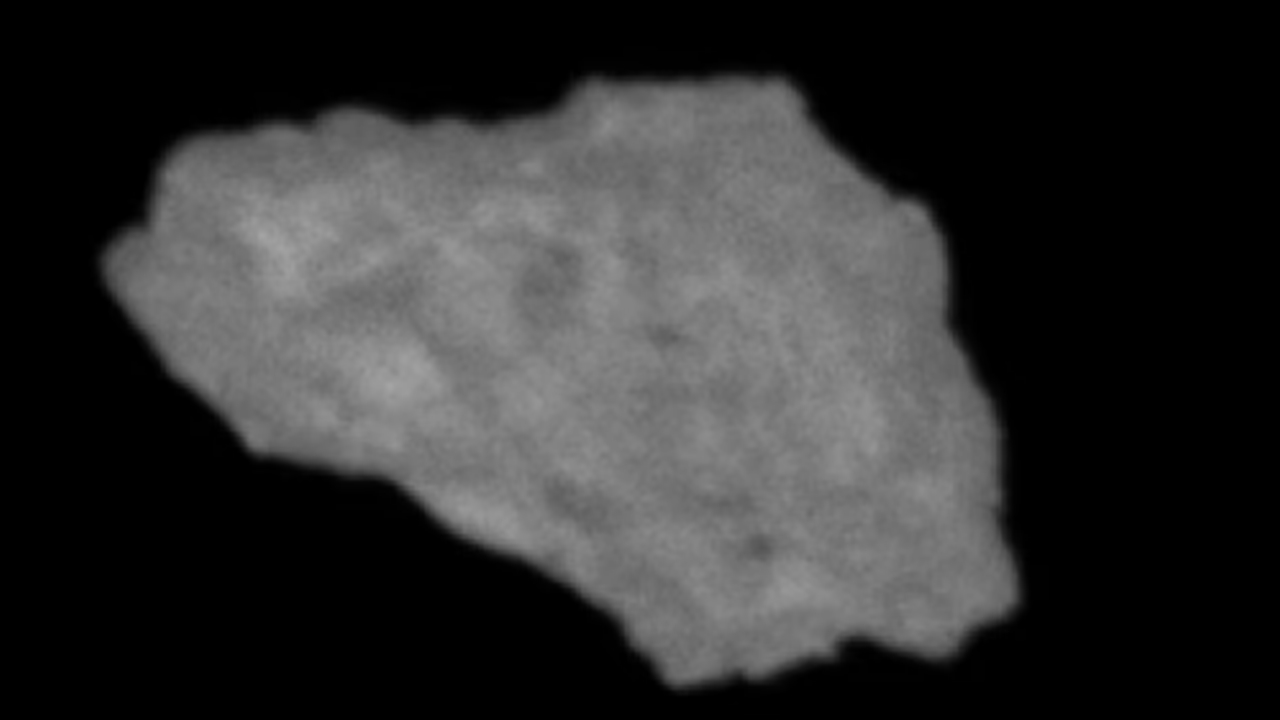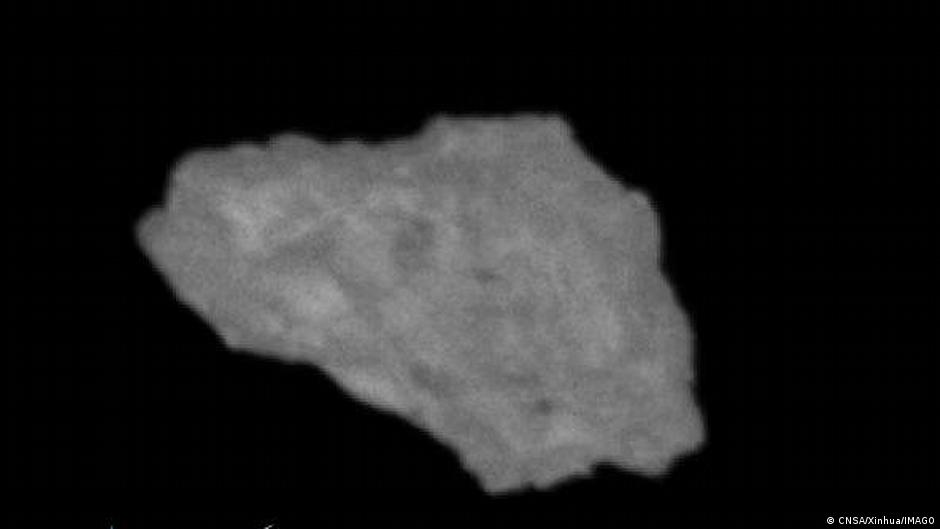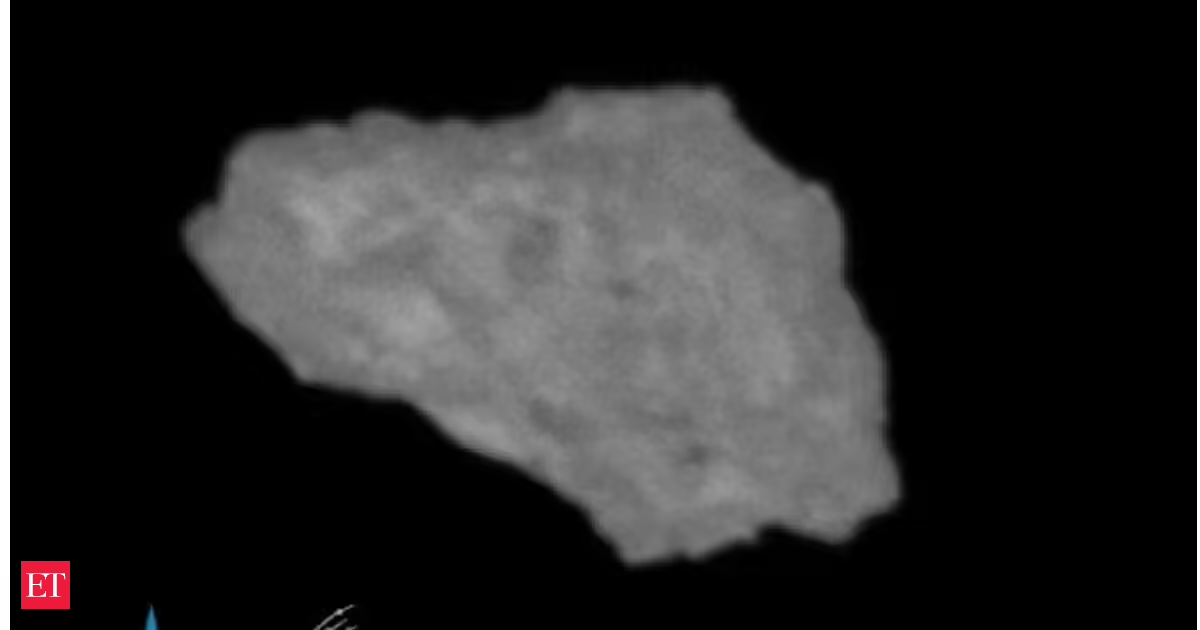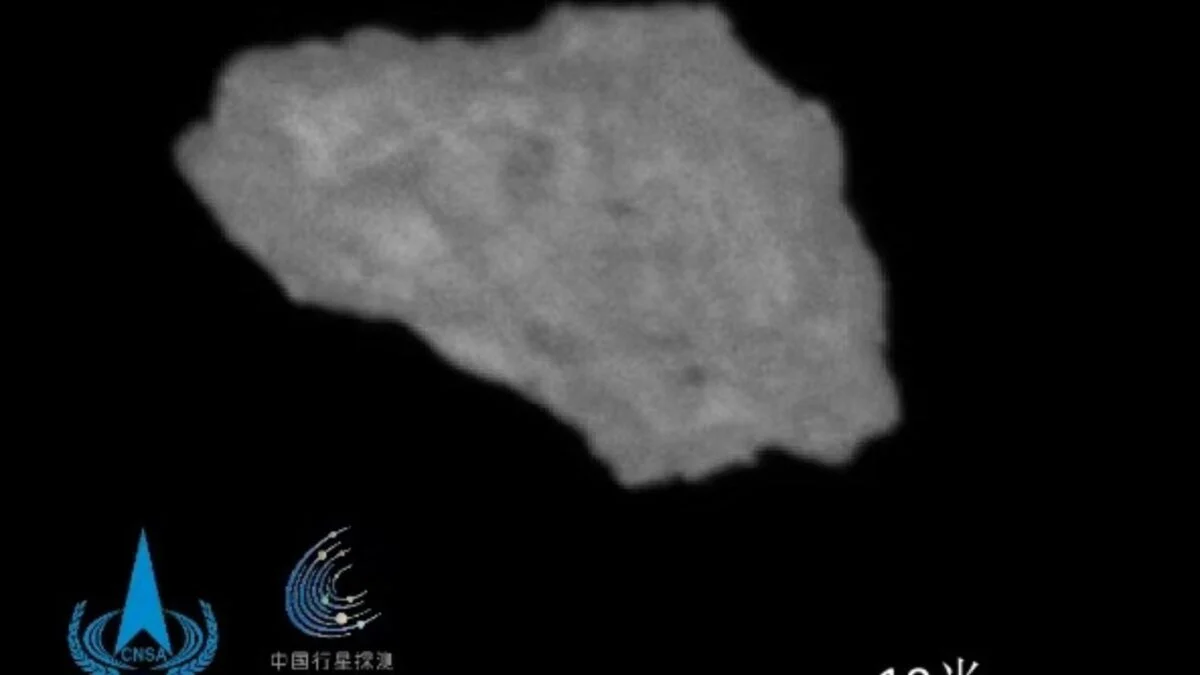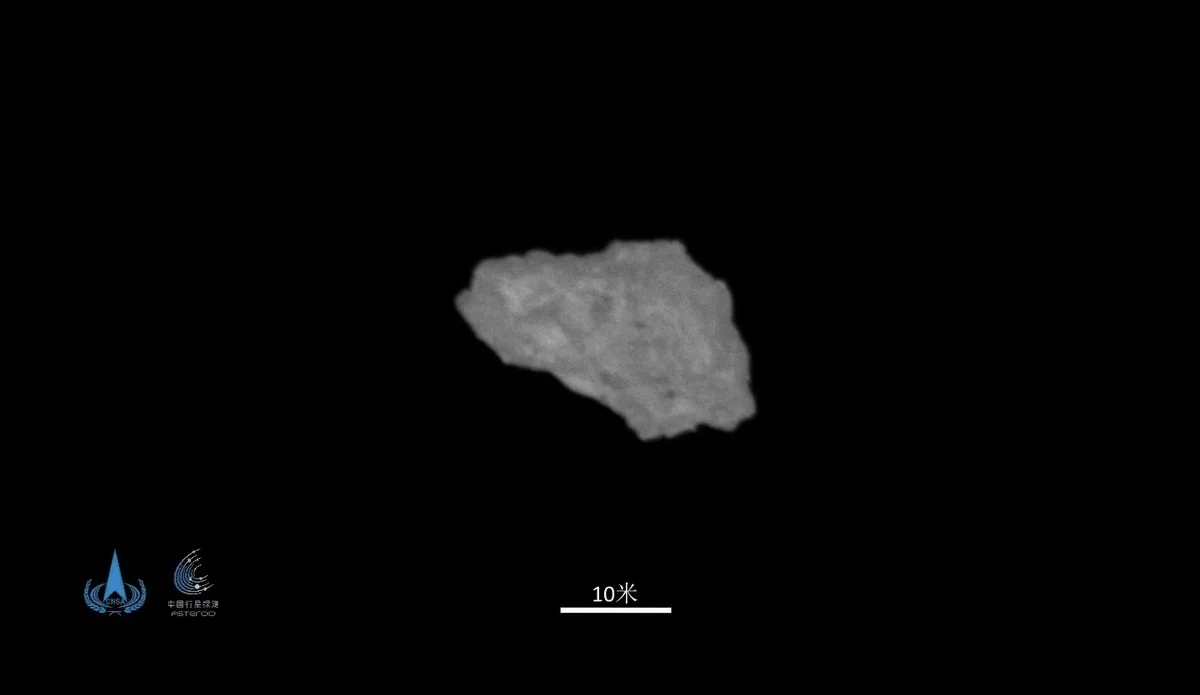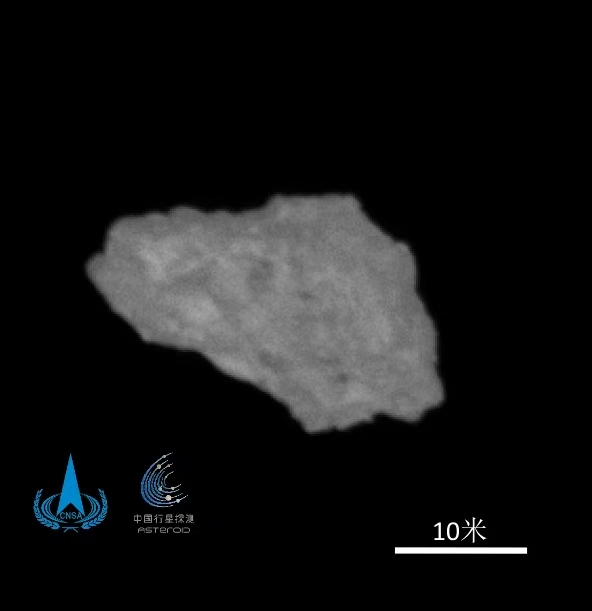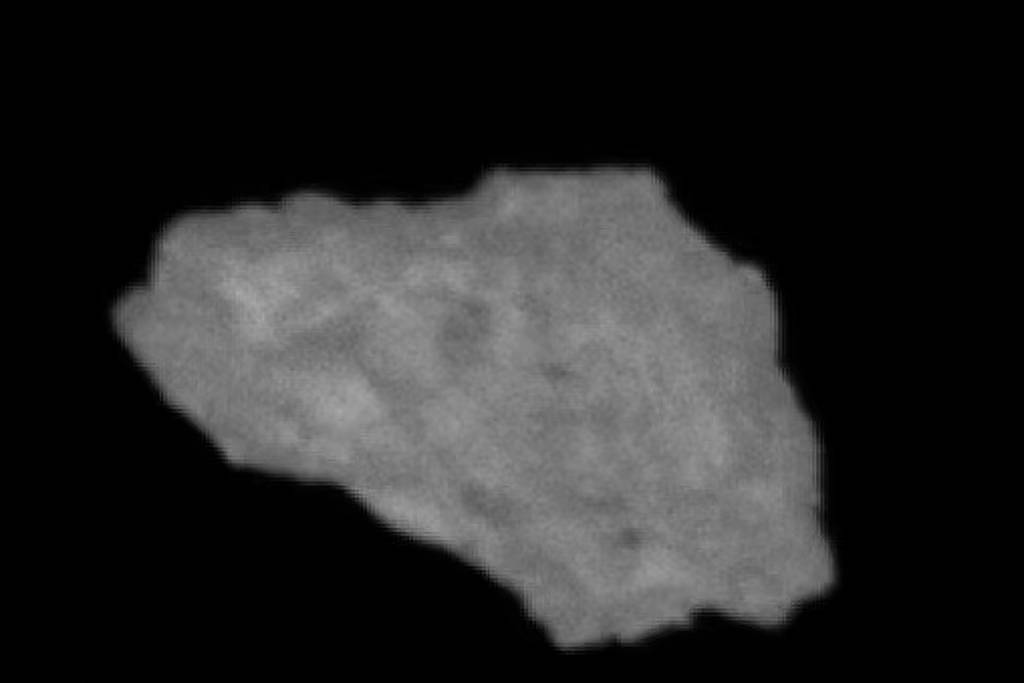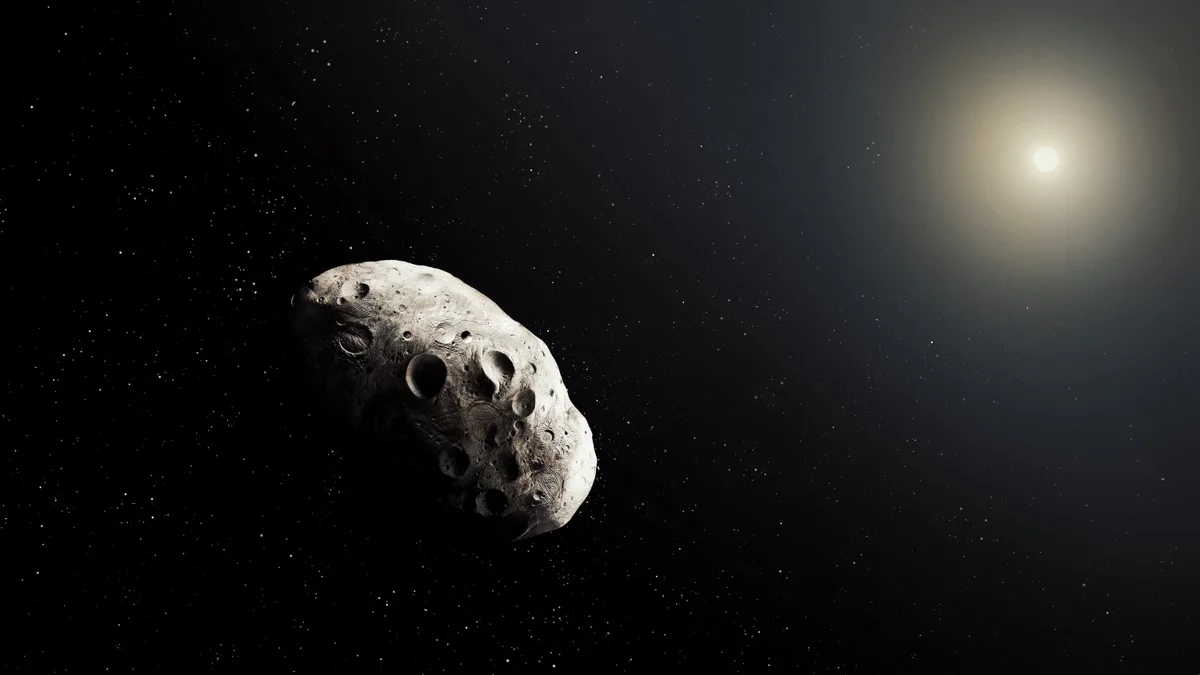
China’s Tianwen-2 spacecraft has captured its first close-up image of a near-Earth asteroid, revealing that the target is even smaller than anticipated – a factor scientists say will make the sample-return task “far more difficult” than previous Japanese and American missions.The China National Space Administration released imagery of asteroid 2016 HO3 taken by Tianwen-2 probe from about 20km on July 2, 2026. Photo: CNSA/XinhuaIt was close enough for the spacecraft to begin scientific exploration of the asteroid, the agency said on its website.Formally designated 2016 HO3, or asteroid 469219 Kamo‘oalewa, the target is a very small Apollo-type near-Earth asteroid previously estimated to measure about 40 to 100 metres (130 to 330 feet) in diameter. However, the image captured by Tianwen-2 and its accompanying scale bar suggests that the asteroid is likely to be less than 40 metres in diameter.This makes it far smaller than Ryugu and Bennu – the targets previously explored by Japan and the United States – which are about 900 metres and 500 metres across, respectively.“Based on the image released so far, this asteroid appears to be somewhat smaller than previously predicted – it seems to be only about 20 to 30 metres across, whereas the earlier estimate from our paper was around 57 metres,” said Zhang Pengfei, a researcher from the Institute of Geochemistry at the Chinese Academy of Sciences.
China’s asteroid hunter nears target after 400 days, though size is a surprise
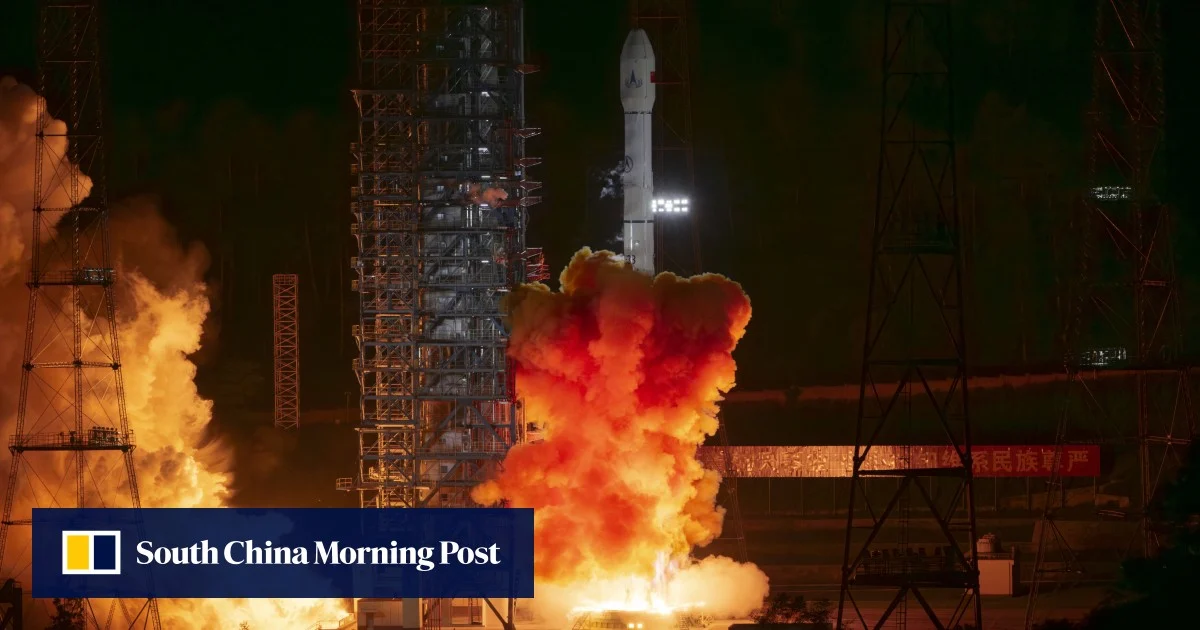
Tianwen-2 spacecraft is equipped with varying sampling modes to perform best in uncertain terrain of 2016 HO3 asteroid.
224 words~1 min read