5 min readImage of the Day for July 6, 2026Using satellite data, researchers connected harmful algal blooms with warm water and low water levels at one of Colorado's largest reservoirs.NASA Earth ObservatoryJul 06, 2026 Article
View more Images of the Day:
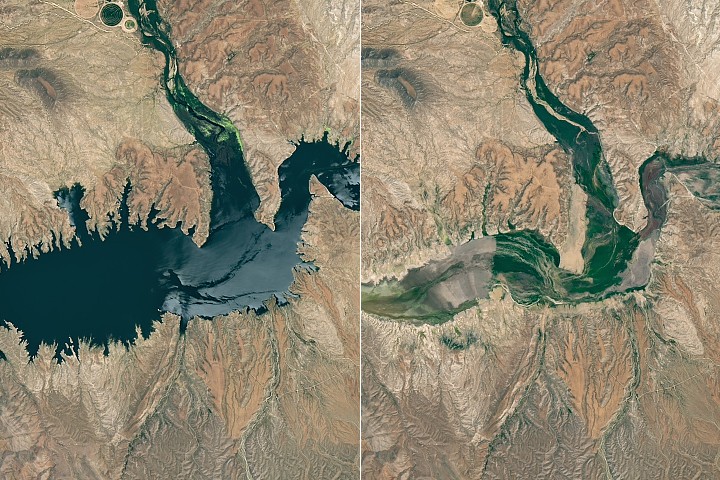
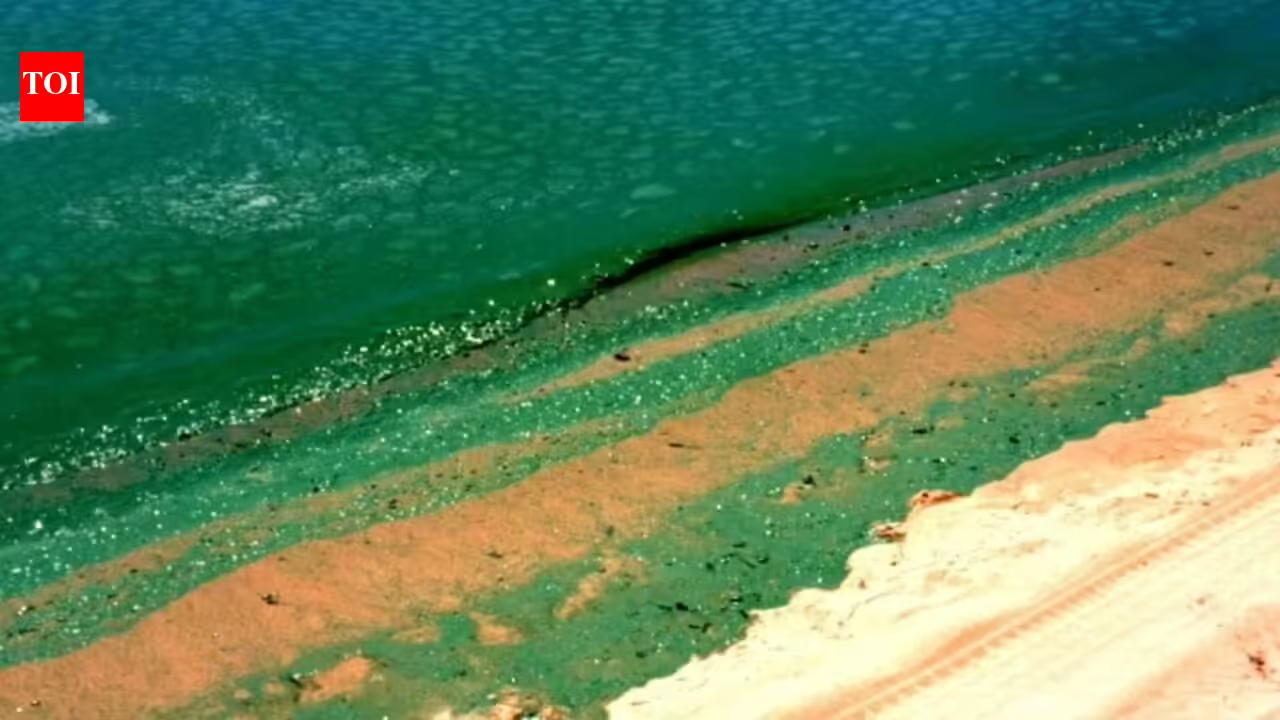
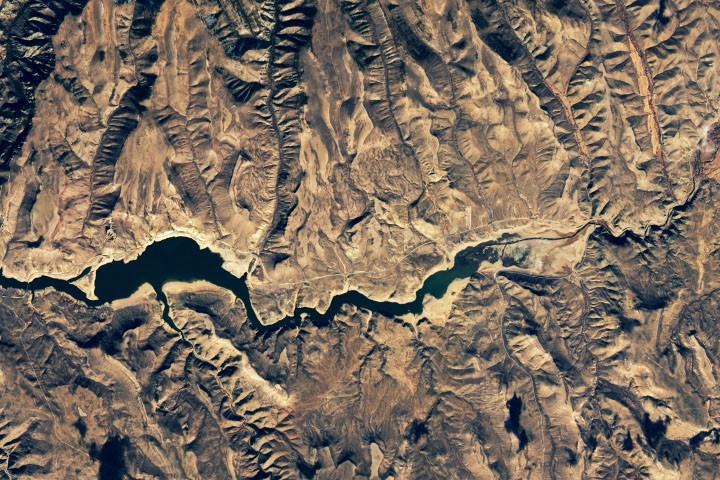
The summers of 2021 and 2022 were tough seasons for Colorado's Blue Mesa Reservoir. A severe drought gripped much of the western U.S., prompting emergency water releases that brought the reservoir to its lowest level since 1984. Marinas and boat ramps closed, remnants of a ghost town emerged from the muck, and parts of the reservoir turned greenish and swirled with toxic cyanobacteria blooms.
Research conducted by scientists at the U.S. Geological Survey and the National Park Service analyzed decades of Blue Mesa Reservoir data and found a connection between low water levels, warm water temperatures, and harmful blooms.
"Algal blooms were more common when water levels were below 7,470 feet and water temperatures were above approximately 19.5 degrees Celsius (67.1 degrees Fahrenheit)," said Tyler King, a research hydrologist with U.S. Geological Survey. Water levels that low are relatively common and have occurred every few years in recent decades.