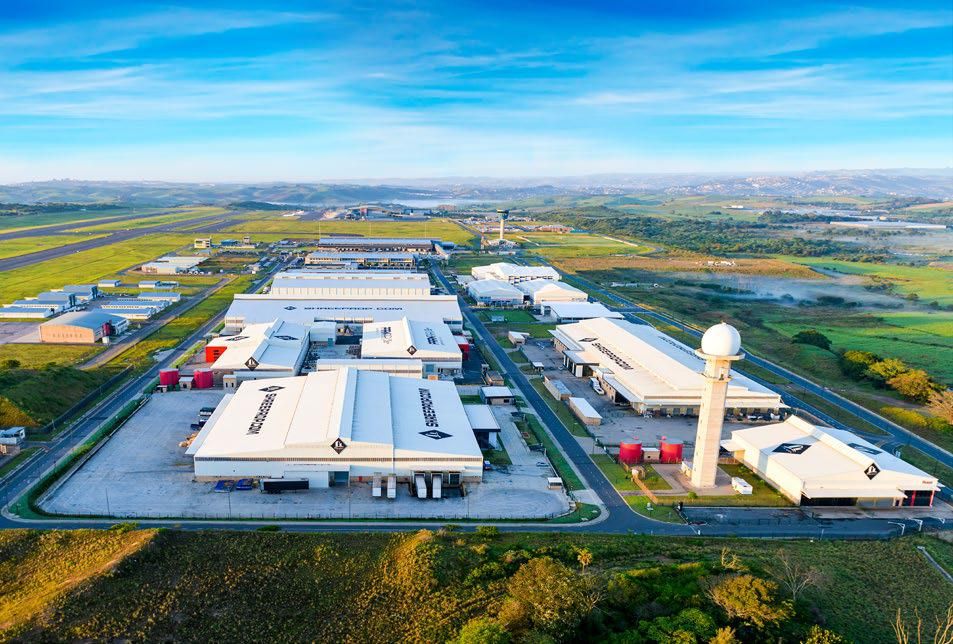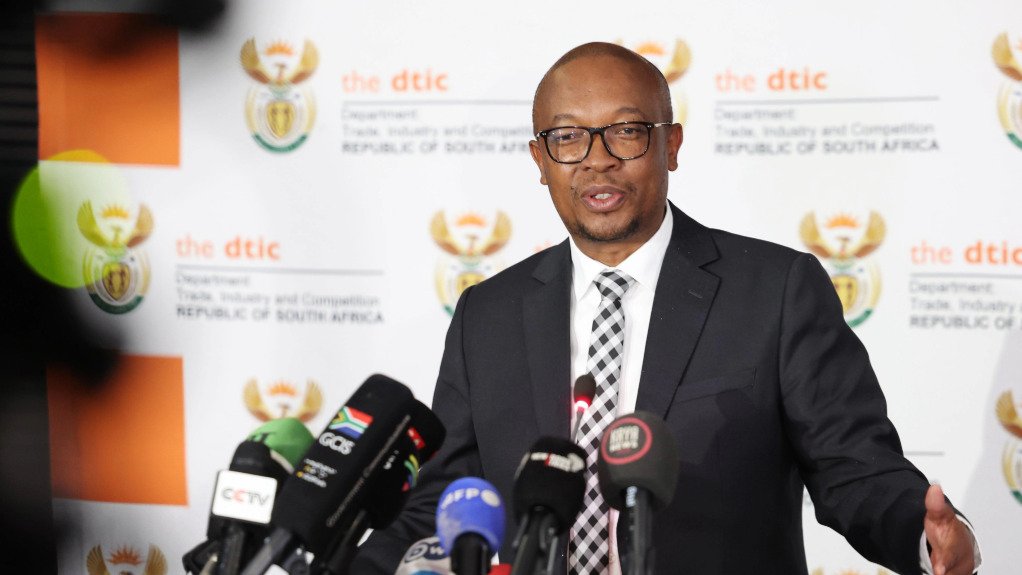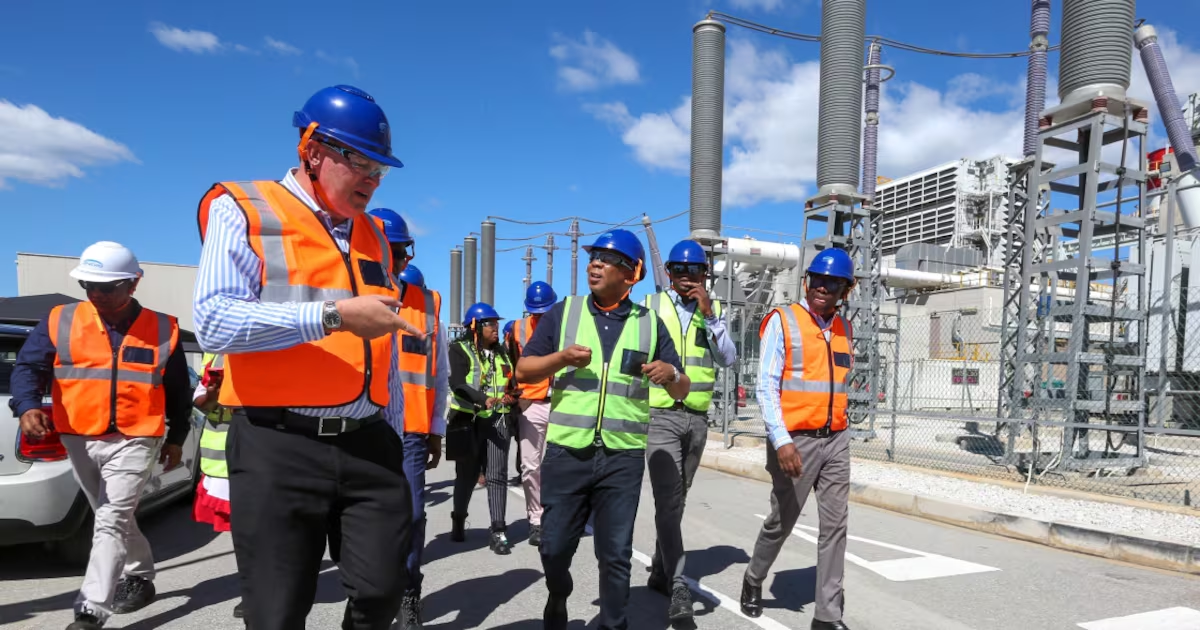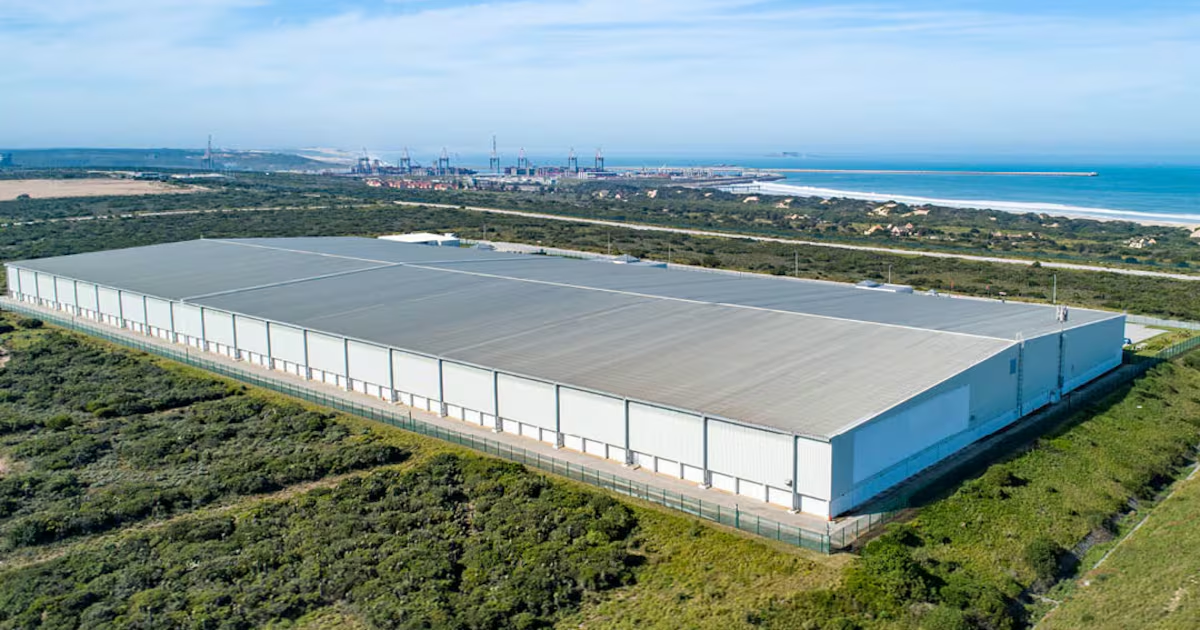
The World Bank has recommended South Africa consider extending a preferential 15% corporate income tax rate to all of its Special Economic Zones (SEZ), adding that the country has the infrastructure and institutional capacity to run a world-class zones programme.Trade, industry and competition minister Parks Tau said the department will assess the tax proposal alongside the study’s other recommendations as it looks to expand the programme. The current rate applies only to qualifying zones, and widening it would require sign-off from National Treasury given the fiscal implications.The World Bank review also recommended designating private sector industrial parks within all zones, using the model developed at Dube TradePort in KwaZulu-Natal, where a public-private partnership structure has been used to attract tenants and investment.The World Bank study assessed South Africa’s SEZ Programme by drawing on surveys of all 12 SEZs nationwide at the time of the study, interviews with provincial government representatives and SEZ-based businesses, administrative data from the DTIC, the South African Revenue Service and National Treasury, and comparative case studies from India, China, Poland, the United Arab Emirates and Jordan. “As government, we are encouraged by the outcomes of this study. It has confirmed the impressive progress we have achieved in the roll-out of the programme, as well as the hugely positive impact it has made on the economy of the country in general, and the provinces where they are located, in particular,” said Tau.The report further recommended accelerating building to let mixed-use developments draw in small and medium enterprises that cannot afford to fund their own construction, and formalising the Special Economic Zones Fund with separate funding pathways for infrastructure and for buildings and facilities.The department plans to weigh the recommendations against its revised special economic zones implementation model, part of its broader spatial industrial development strategy. Tau said some interventions for the current financial year already align with the study’s findings, including plans to designate more zones, attract additional investment and support small business growth in and around existing sites.South Africa currently has 13 designated zones spanning eight of the nine provinces, covering sectors from automotive manufacturing and renewable energy to agro-processing, pharmaceuticals and petrochemicals. The newest addition is the Fetakgomo Tubatse Special Economic Zone in Limpopo, aimed at drawing investment in mining, mineral beneficiation, energy, agriculture and automotive production.Nine operational zones, Coega, East London, Richards Bay, Dube TradePort, Maluti a Phofung, Saldanha Bay, OR Tambo, Atlantis and Tshwane Automotive, have together attracted 224 investors and more than R31.7bn in investment, creating 28,821 permanent jobs, according to the department.Business Day
World Bank recommends 15% corporate tax rate on SA’s Special Economic Zones
Study finds capacity for world-class programme as officials weigh tax break, zone overhauls and funding changes
422 words~2 min read