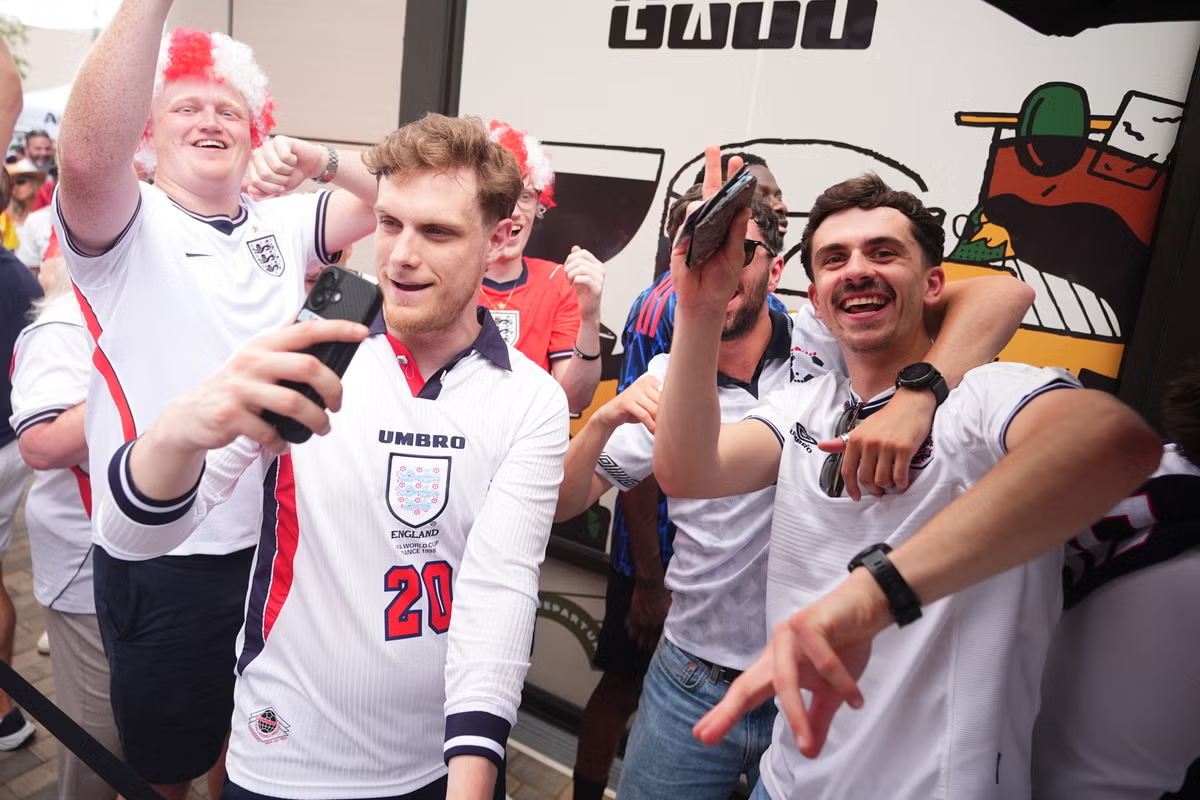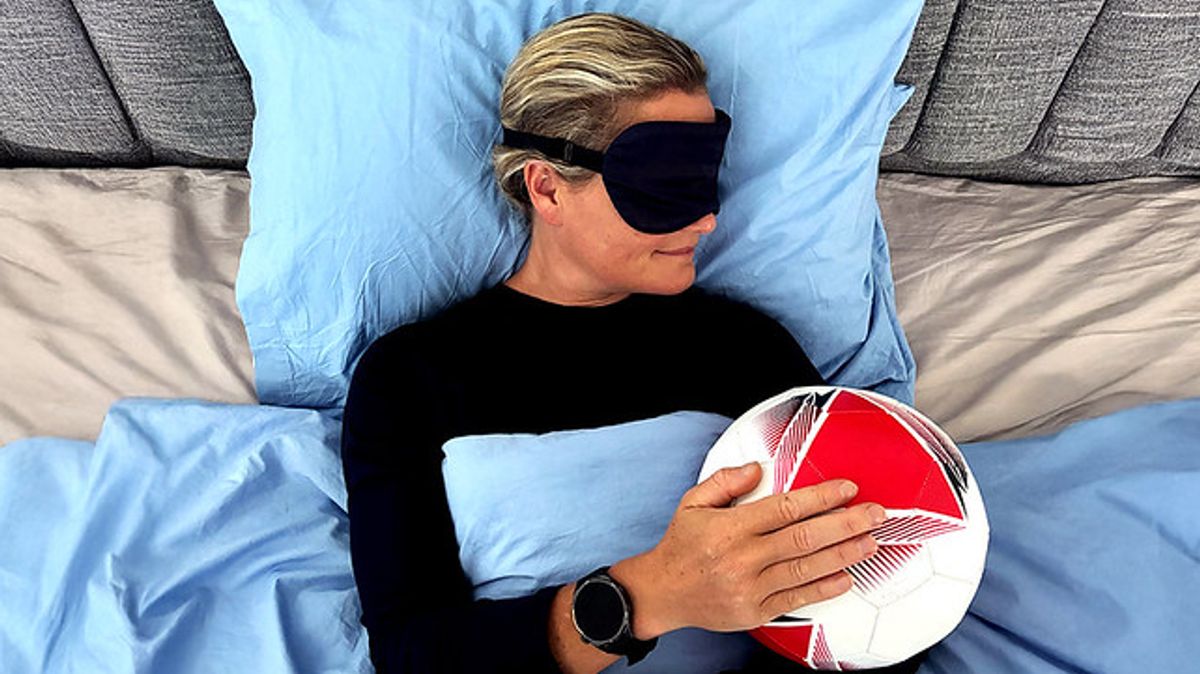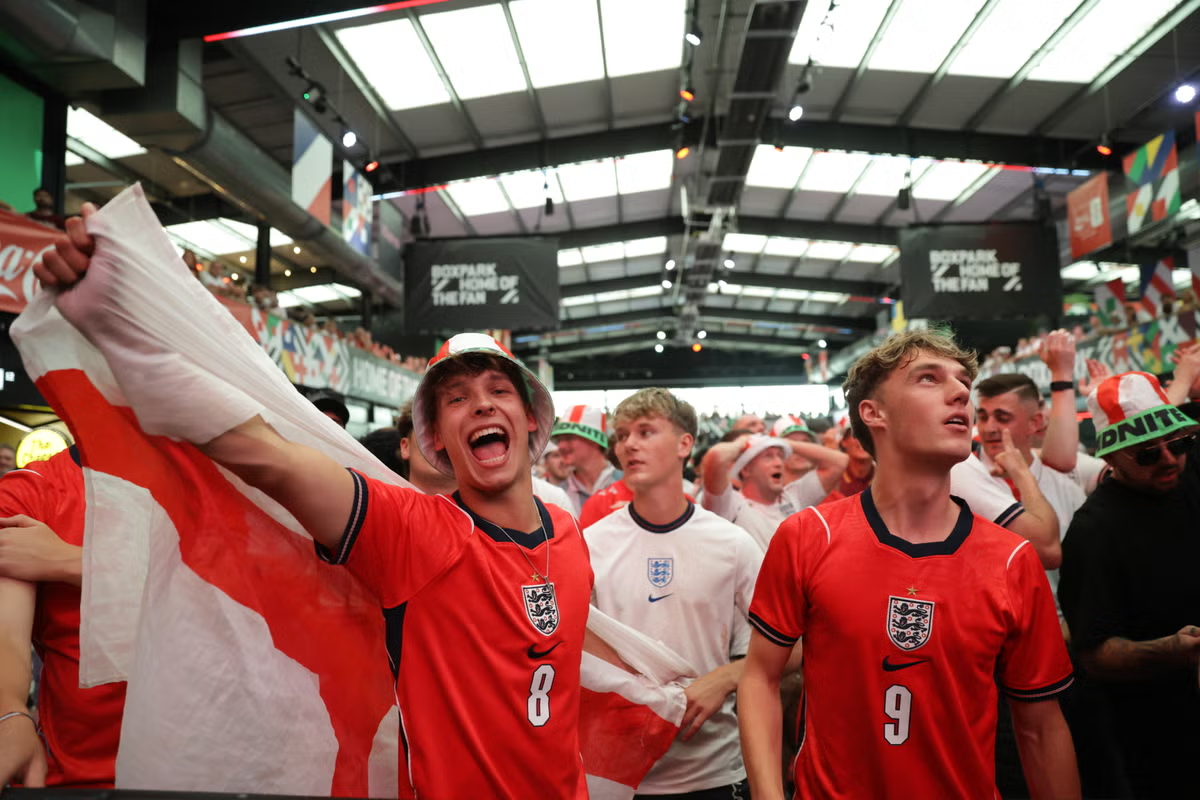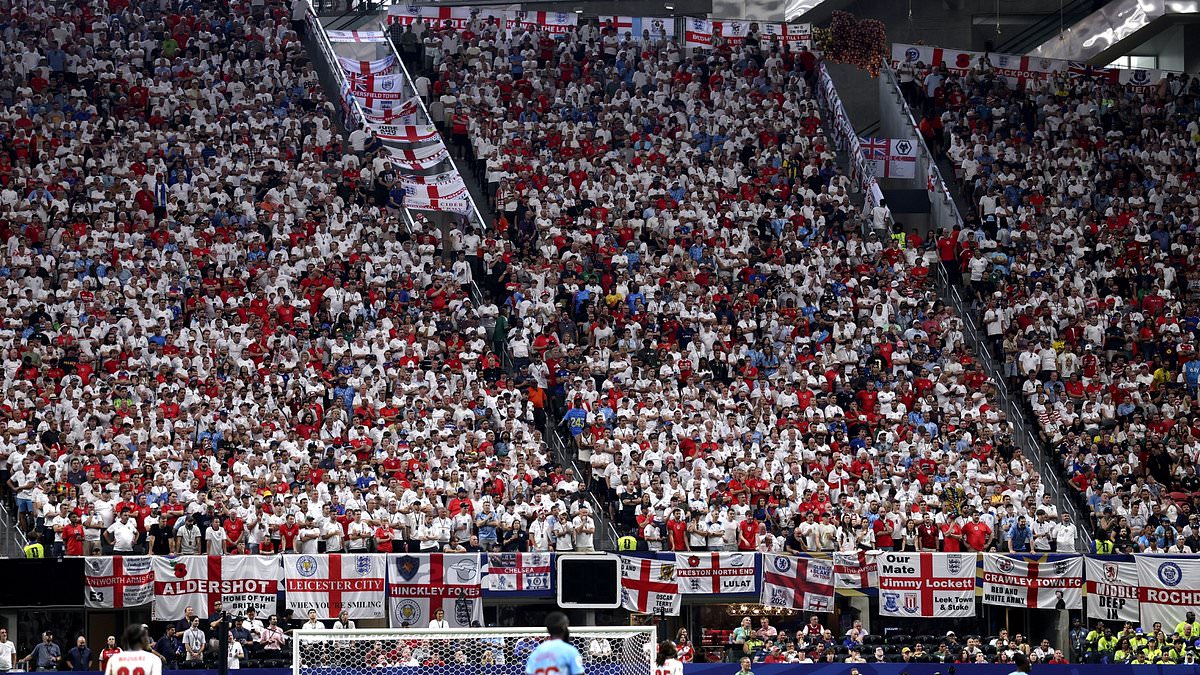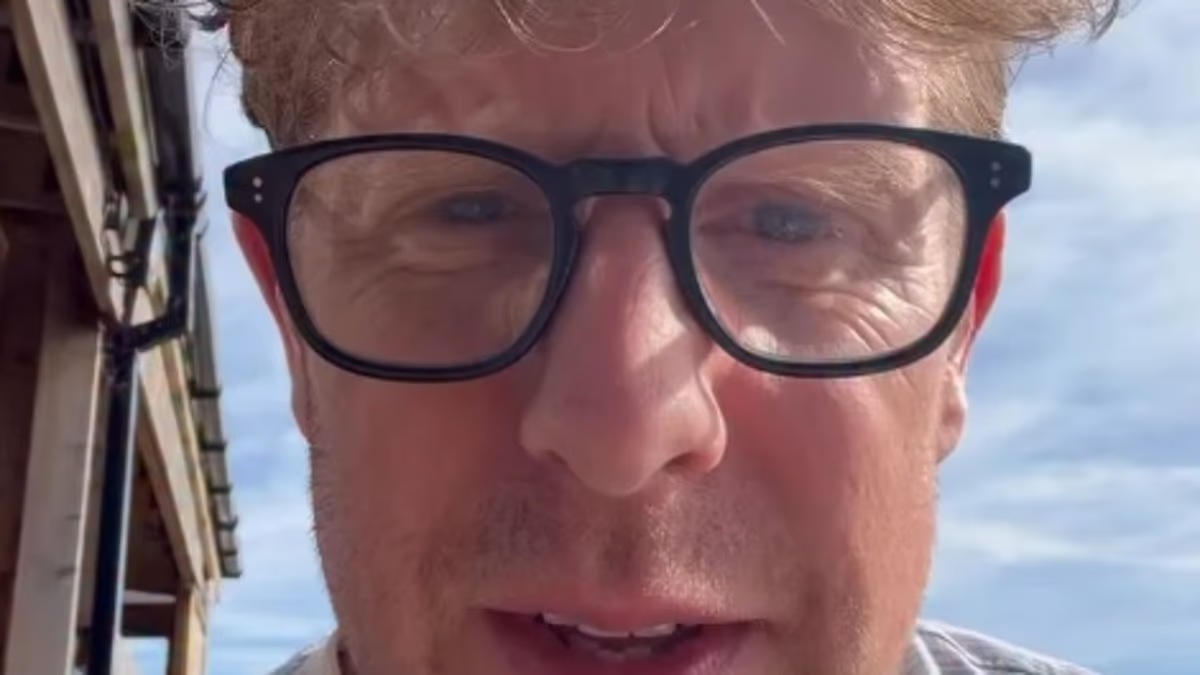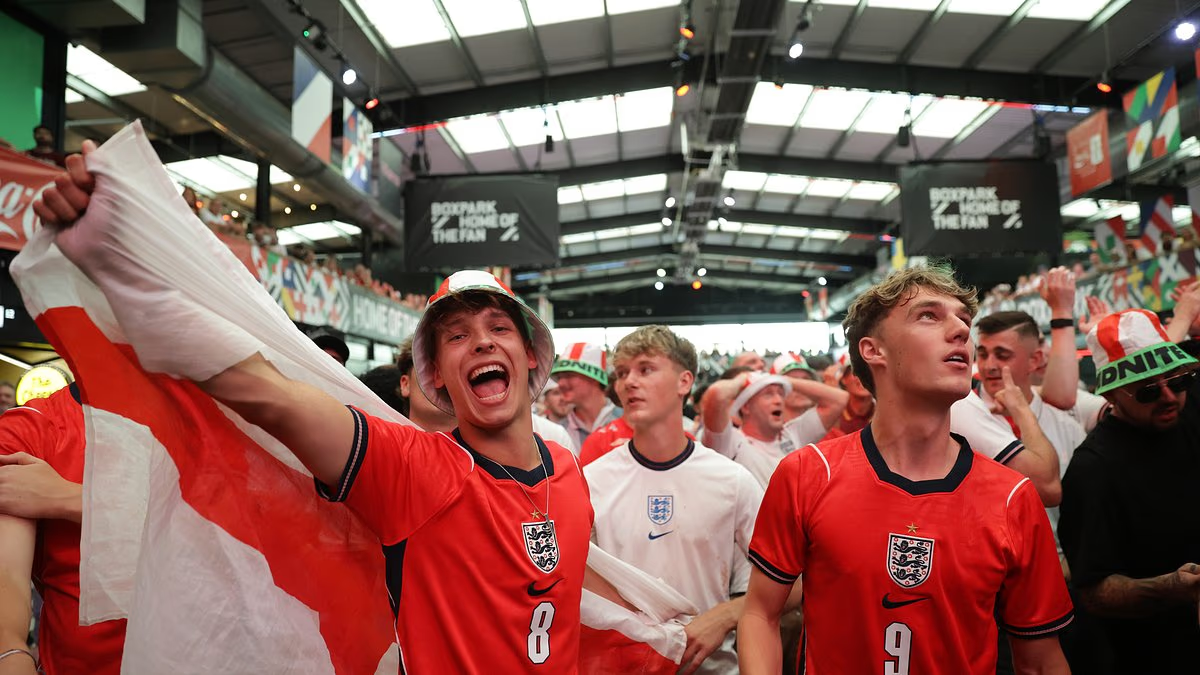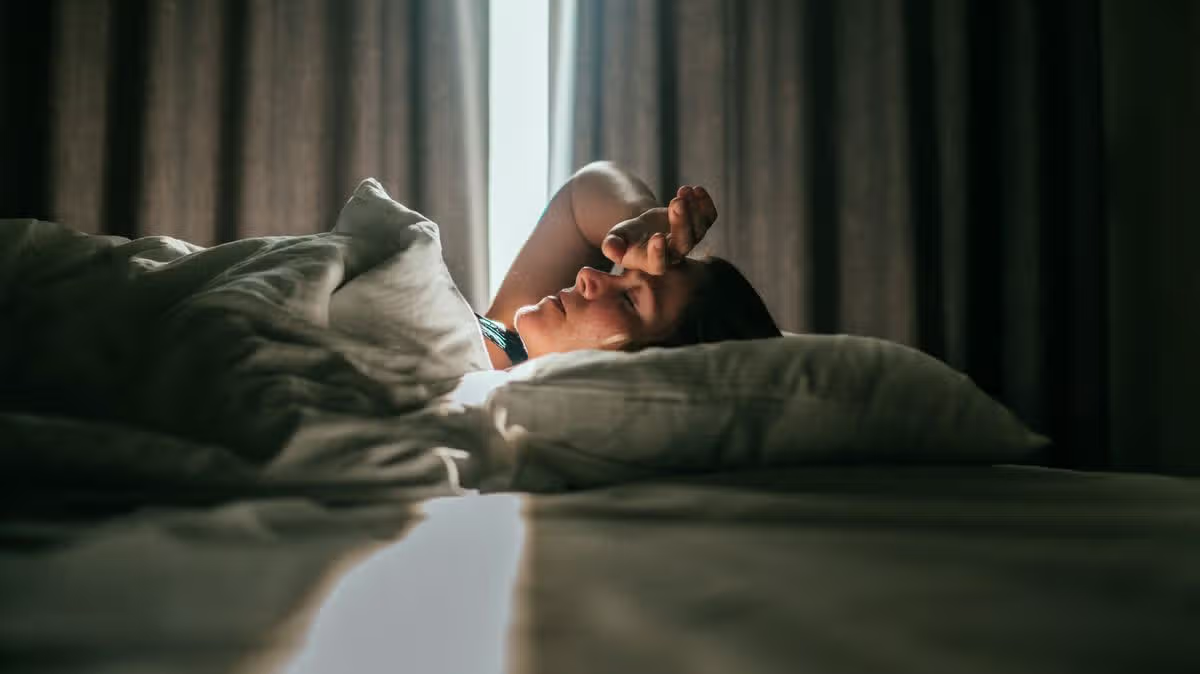
A sleep expert shared her top three tips for recovering from sleep deprivation following England's victory over Mexico – including taking a power nap during a specific two-hour afternoon window11:38, 06 Jul 2026Following England's action-packed 3-2 victory over Mexico in the early hours, a sleep expert has revealed the best time to take a recovery nap. Many World Cup 2026 fans stayed up to watch the match, which was delayed by an hour before England secured the win.But with disrupted sleep known to take its toll, many supporters will be experiencing what has been dubbed a "sleep hangover".Speaking on Heart Radio's Breakfast Show on Monday, Dr Sophie Bostock shared her top tips for getting back into a normal routine – and explained why recovering isn't just about reaching for another coffee.After presenter Jamie Theakston admitted he was "terrified" of hitting "a sleep wall" after staying up to watch the game, Dr Bostock reassured him and listeners in the same boat that there was no need to worry."We're all wired to cope with the occasional sleep lapse, the key thing is to get back to normal as soon as possible," she shared.The expert went on to recommend taking a "power nap" between 1pm and 3pm to help recover from a disrupted night's sleep.She explained: "The effects of sleep deprivation usually hit us the following afternoon, we have a natural alertness between one and three and, actually, that's a great time for a nap, just a short nap something like 20 to 30 minutes, that could help see you through to the evening."According to Dr Bostock, around 26 minutes is the ideal length for a power nap, as this allows you to experience "the lighter stages of sleep but you don't get into the a deep slow wave sleep"."If you wake up from deep slow wave sleep, you often get that groggy sleep inertia, that makes you feel really groggy and slow to respond."It can take a full hour to recover from that sleep inertia, so keep the nap short and hopefully you'll bounce back quickly."As well as napping, Dr Bostock said caffeine can help boost alertness, although she warned it can have "a drawback", particularly if you're sensitive to it."When you're trying to get back into your routine, the best thing is to tune in with your body," she continued to explain.Referencing research, she added: "1 in 4 UK adults are just planning to push through with caffeine, but just keep in mind that when you push through, if you've been up for 24 hours, your alertness will typically drop by about 50 per cent, in terms of your reaction time."We also see impairments in decision making and coordination."With this in mind, Dr Bostock warned that the effects can be "comparable to someone over the drink driving limit", urging anyone getting behind the wheel or operating heavy machinery to be "careful".She also recommended getting outside during the day, explaining that exposure to bright light can help improve alertness.Article continues below"Get some bright light, go outside, have a break in the bright natural sunshine, that's probably one of the most powerful alert signals to our brain, bright light, if you're in a studio, go outside and it should give you a bit of va va voom in the afternoon."
Exact time you should take a nap to recover from England vs Mexico game
A sleep expert shared her top three tips for recovering from sleep deprivation following England's victory over Mexico – including taking a power nap during a specific two-hour afternoon window
547 words~2 min read