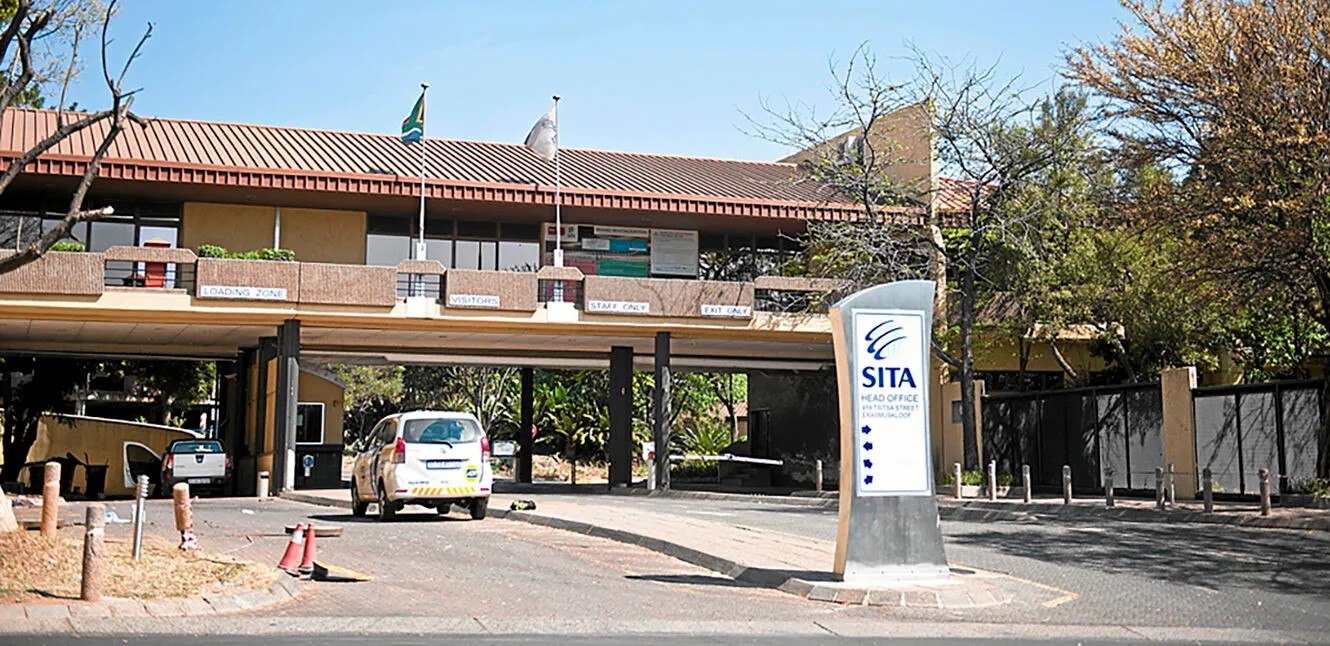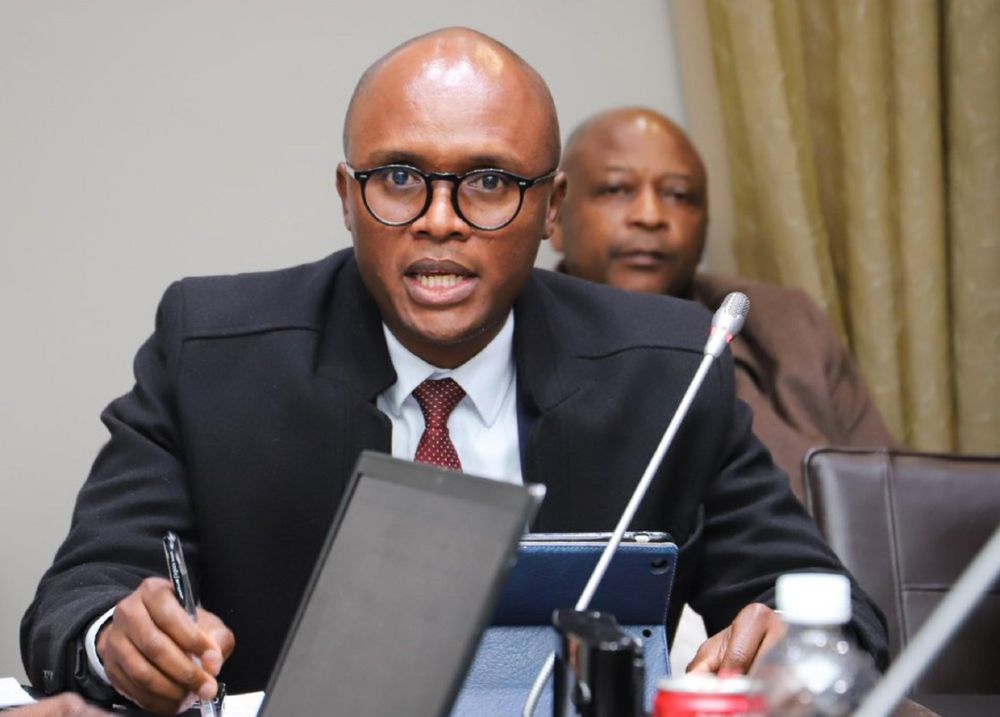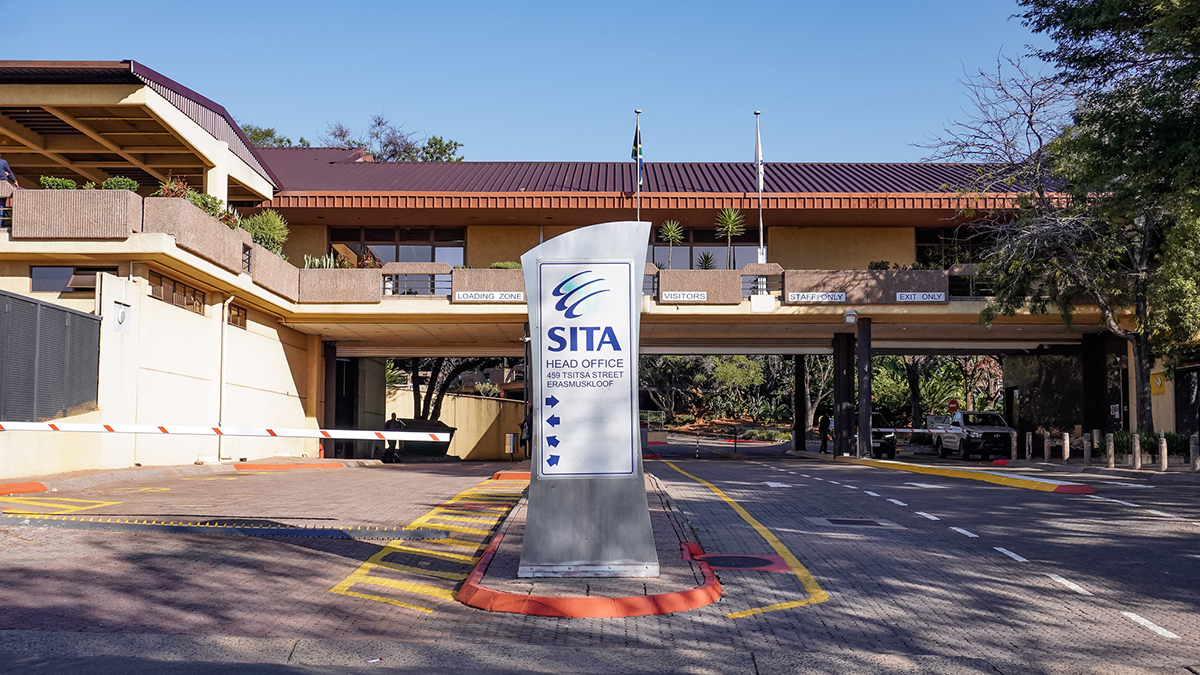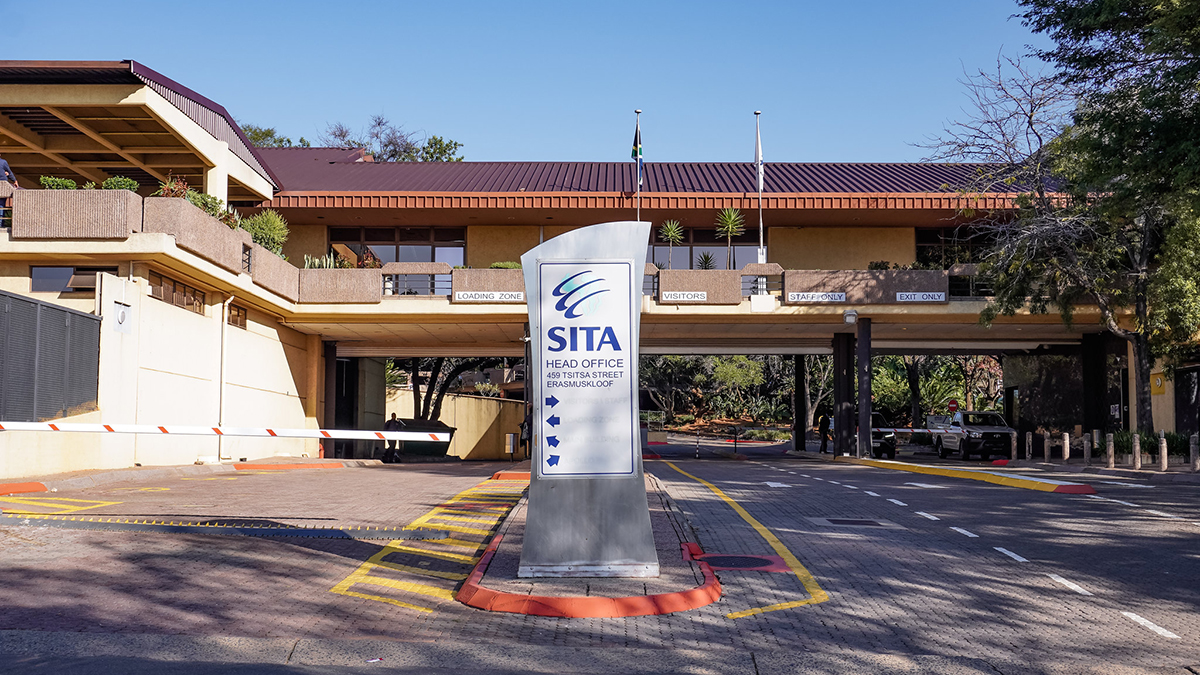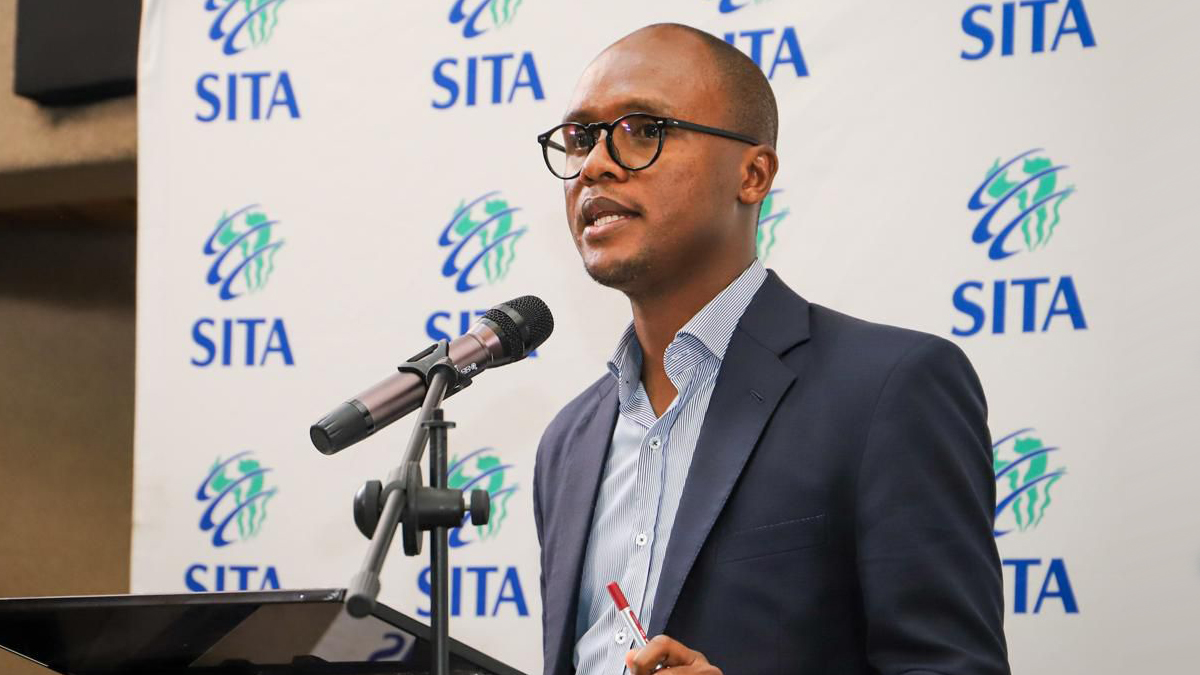
SITA’s head office in Erasmuskloof, Pretoria. (Photograph by Lesley Moyo) The State Information Technology Agency (SITA) has reported improvements in operational areas and cost containment gains despite falling short of some key performance and financial targets for the 2025/26 financial year.This was outlined by SITA managing director Magatho Mello during the agency’s Q3 and Q4 performance briefing in Parliament, which detailed the organisation’s six strategic programmes and associated annual performance plan (APP) indicators.SITA reported an audited APP performance of 56.25% for the year, down from management’s preliminary tracking of 66.67% in Q4.The agency tracks performance across six strategic areas: customer experience, revenue growth and financial sustainability, innovation and partnerships, operational efficiency, digital services and infrastructure, and governance.SITA’s financial results show continued pressure on revenue collection and profitability, with total revenue falling short of budget in both Q3 and Q4.For the year ended March 2026, total revenue amounted to R7.36 billion, compared to a budget of R8.41 billion, a shortfall of more than R1 billion in Q4.“Financial performance for the year reflects that revenue growth and profitability were affected, in the main, by procurement delays, capacity limitations, marketing constraints and delays in the settlement of client invoices. SITA generated revenue primarily from the provision of ICT services to organs of state,” Tlali Tlali, SITA spokesperson, tells ITWeb via e-mail.Tlali says the revenue shortfall was attributable to lower-than-anticipated internet usage volumes despite the reduction in pricing tariffs implemented in October 2025.SITA MD Magatho Mello. He adds that revenue was also lost because of unfilled vacancies in positions where staff are typically contracted to client departments.Furthermore, Tlali notes that anticipated revenue opportunities did not materialise due to procurement delays, budgetary constraints within government departments, and delays in concluding service level agreements with certain key customers.Service revenue growth also missed its target, achieving 5% year-on-year growth against a 10% target, while EBITDA remained below expectations at 5% compared to a target of 11%.SITA reported a surplus before tax of R478.9 million, below the budgeted R705.9 million.While revenue declined, SITA recorded savings in cost of sales driven largely by reduced activity linked to lower revenue.Labour costs also remained below budget due to unfilled vacancies, with total labour expenditure at R2.5 billion against a budget of R2.62 billion.However, operating expenses rose slightly above budget in Q4 due to accounting adjustments not included in the original budget, including impairment provisions and municipal back-billing charges from the City of Tshwane.Tlali explains that total expenditure amounted to R7.213 billion, comprising the cost of sales of R5.158 billion and operating costs of R2.055 billion, with employee-related costs, ICT infrastructure, software licensing and contracted services remaining the principal cost drivers.“Expenditure patterns reflected the continued implementation of cost-containment and robust cash-management, including the prioritisation of critical operational requirements, rationalisation of discretionary spend as well as enhanced monitoring of spending trends and disciplined cash-flow management.He adds that capital expenditure remained limited, also due to procurement delays and structural issues with implementation, and this affected asset renewal and infrastructure modernisation initiatives.“Building on the gains achieved during the financial year, driving down the cost of doing business remains a critical organisational priority. Focused interventions are underway to optimise operational and business processes, improve procurement efficiencies, leverage automation and strengthen financial discipline across the organisation. These measures are intended to enhance effectiveness, while ensuring sustainable service delivery and value creation for clients,” he says.He points out that SITA has prioritised the filling of key vacant positions in line with business needs and organisational requirements.“The plan is to close off all executive recruitment processes by the end of December 2026. Recruitment for priority roles is progressing well, and during the first quarter, SITA successfully filled prioritised positions in line with approved business requirements.”Despite financial pressures, SITA reported recovery in several operational targets by year-end.According to Tlali, SITA is making significant progress in strengthening its role as a key enabler of government’s digital transformation agenda during the 2025/26 financial year.He says the agency is advancing the digitisation of government services by deploying eight new e-services during the year, increasing the total number of services available online. These include digital solutions for the Presidency, the Department of Agriculture, Land Reform and Rural Development, as well as several national, provincial and local government institutions.Tlali states that SITA is strengthening cyber security across government through its 24/7 cyber security operations centre, which provides managed security services to government departments and monitors systems across 52 national and provincial departments connected to the SITA-managed network.He says the agency is maintaining core government network availability at 99.8%, ensuring uninterrupted access to critical government systems and services.He adds that SITA is driving innovation and supporting small, medium and micro enterprises by piloting digital and AI-enabled solutions focused on skills development, employability and digital inclusion.Tlali also says the agency is improving governance and organisational stability through better audit outcomes, stronger compliance controls, enhanced risk management practices and the continued implementation of governance reforms aimed at achieving an unqualified audit opinion.He further says SITA is enhancing its financial sustainability through improved debt collection, stronger working capital management, increased cash reserves and a healthy balance sheet, positioning the agency to continue investing in government's digital transformation priorities.“Overall, these achievements demonstrate SITA's continued commitment to delivering secure, reliable and innovative digital solutions that improve public service delivery and support government's broader digital transformation objectives.”Tlali says SITA aims to increase revenue in the next reporting period by continuing its financial stabilisation measures, including improving revenue certainty, accelerating debt collection, strengthening governance and finalising the agency's repurposing.He says the agency also aims to diversify its revenue streams by capitalising on opportunities in IT, big data and artificial intelligence, while restructuring the organisation to become more client-centric and deliver integrated solutions.Tlali adds that SITA will streamline procurement and contract management, conclude service level agreements earlier with customers and improve long-term planning to better align with government departments' budget cycles, enabling it to capture revenue opportunities that were previously missed.
SITA reports R1bn revenue shortfall
For the year ended March, the agency’s total revenue amounted to R7.36 billion, compared to a budget of R8.41 billion.
987 words~4 min read