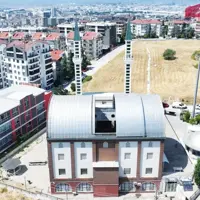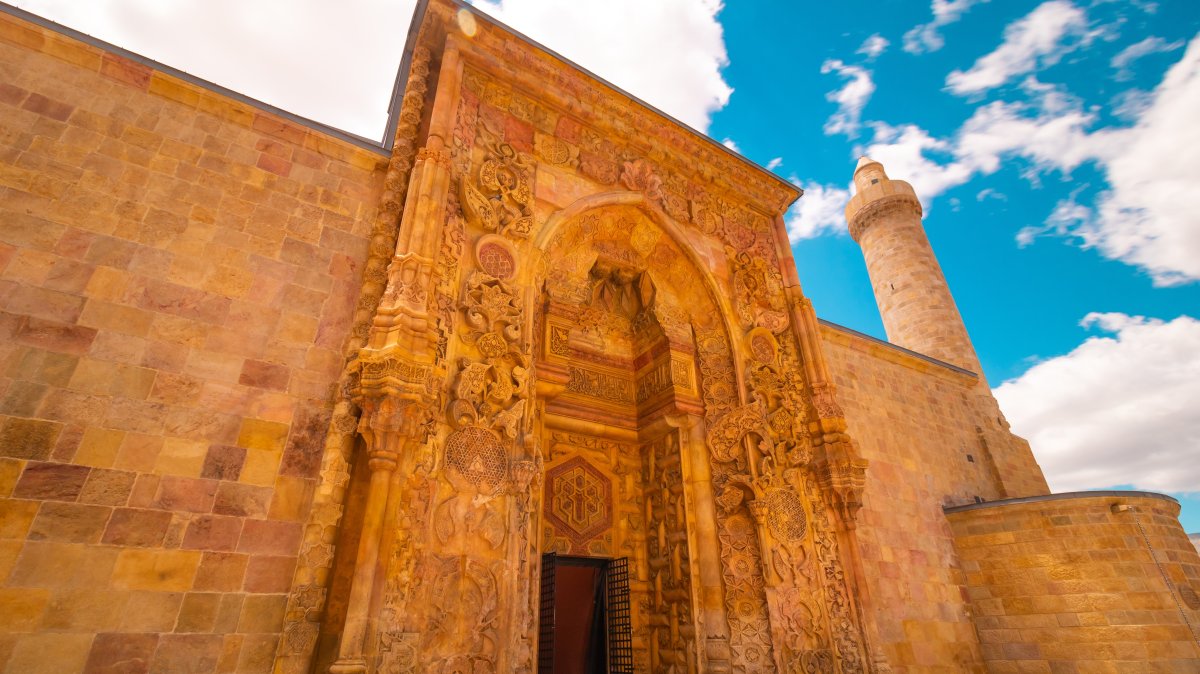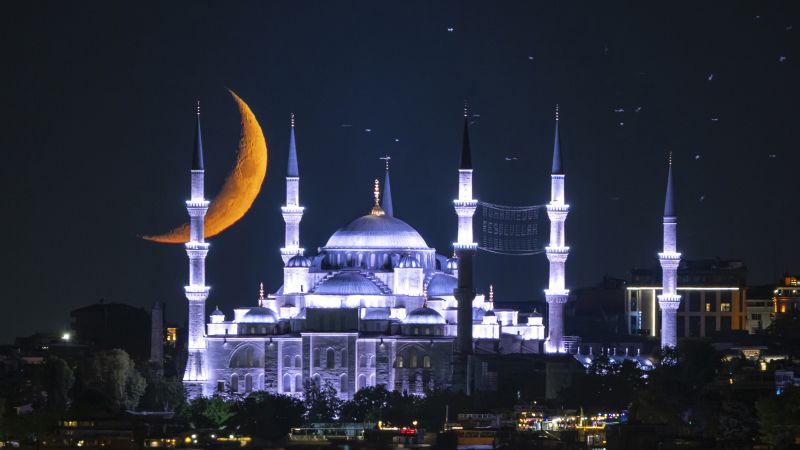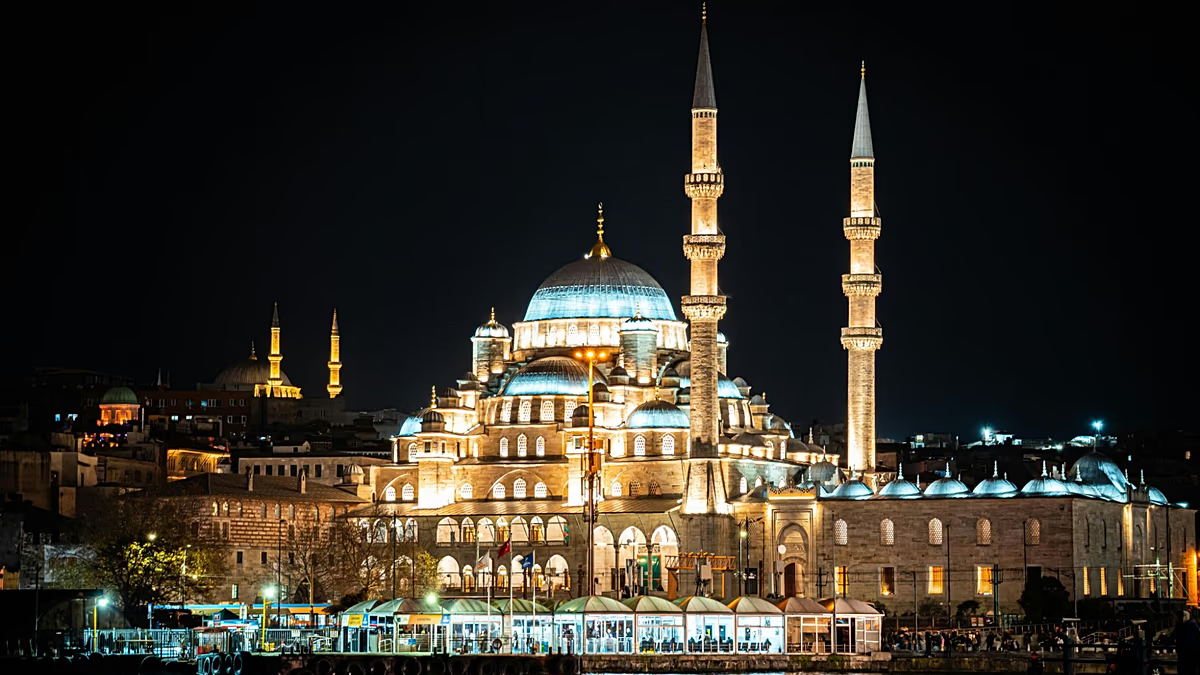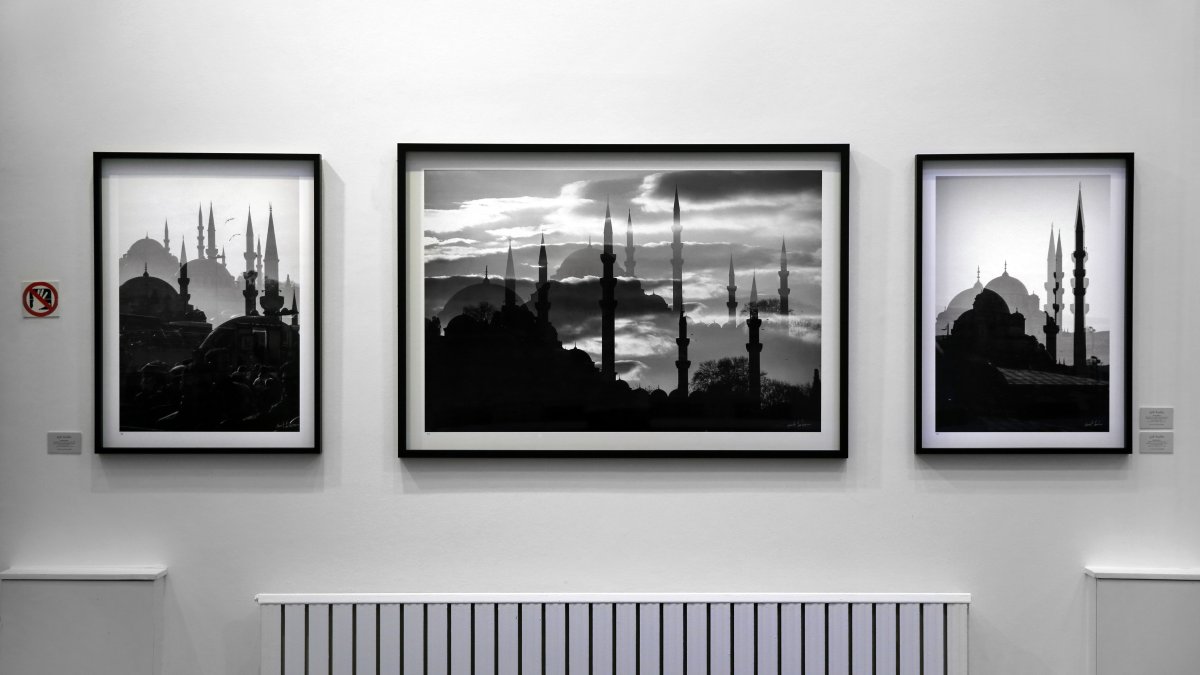
The dome is a foundational architectural form that the Turks embraced profoundly with the conquest of Istanbul, subsequently striving to elevate it to its most advanced and perfected expression. While the dome exists in various geographies across the globe, Istanbul holds a uniquely distinct place because here, the form is iterated in diverse dimensions, repeatedly punctuating the horizon to create the city’s unmistakable silhouette.
In Istanbul, domes are far more than architectural elements; they may be perceived as a garment the city wears, a question mark it poses, an answer it provides, or even a thought balloon hovering above the metropolis. Through the masterpieces of Mimar Sinan, the foremost Ottoman architect, the dome attained near-perfection, becoming the defining form of Ottoman architecture for generations of architects to follow.
Beyond its physical presence, the dome serves as a powerful metaphor through which to contemplate thought, the world and the earth itself. This is beautifully captured in the famous line by the Ottoman poet Baki: “Baki kalan bu kubbede hoş bir seda imiş” ("What remains in this dome is but a pleasant echo"). It speaks to the desire to perform good deeds, to build beautiful things, and crucially, to gather and construct together.