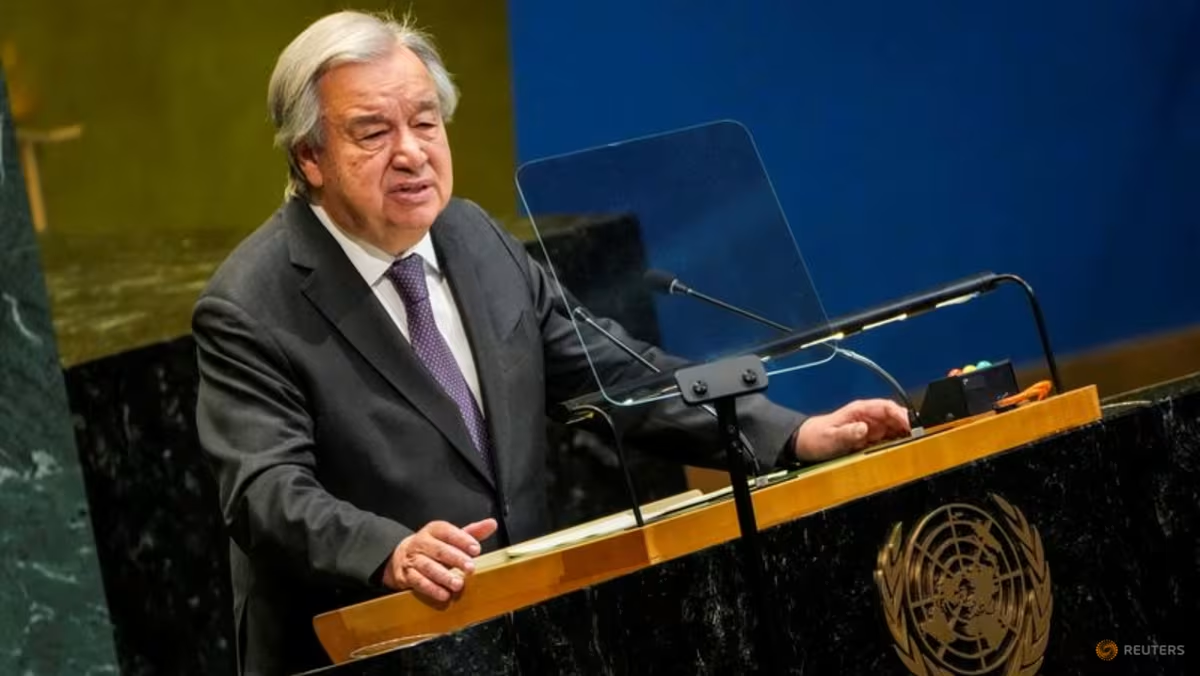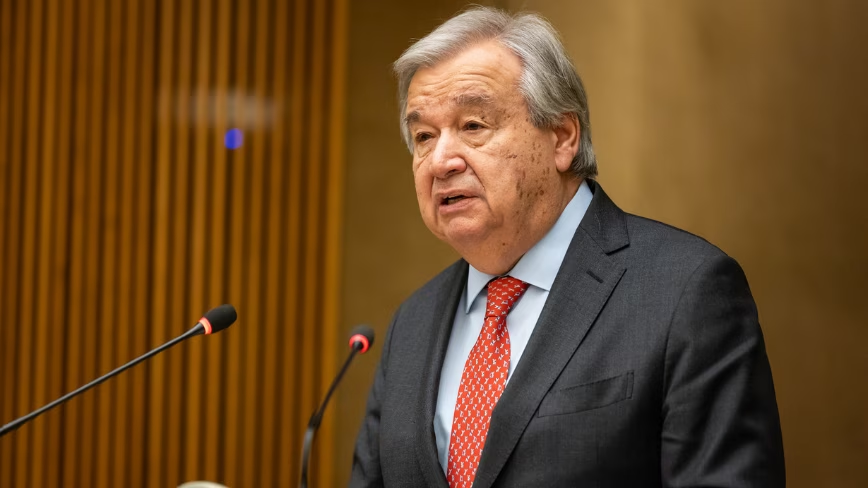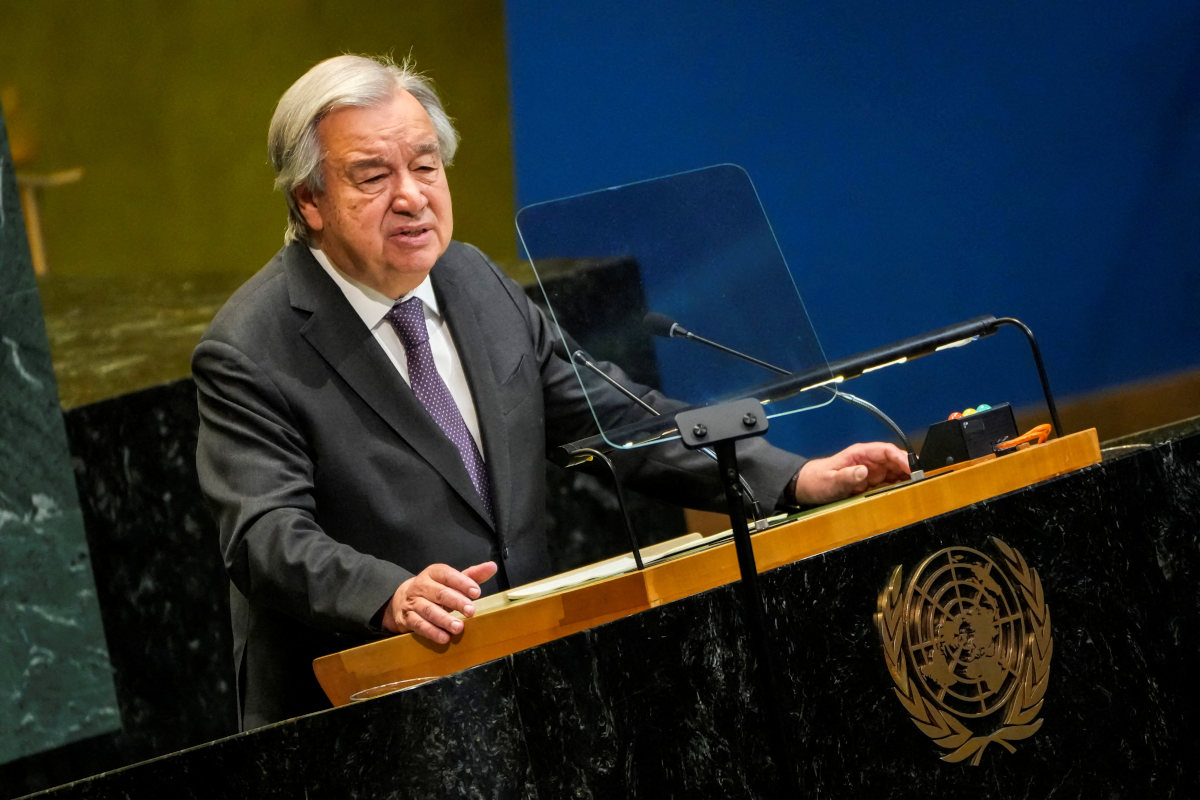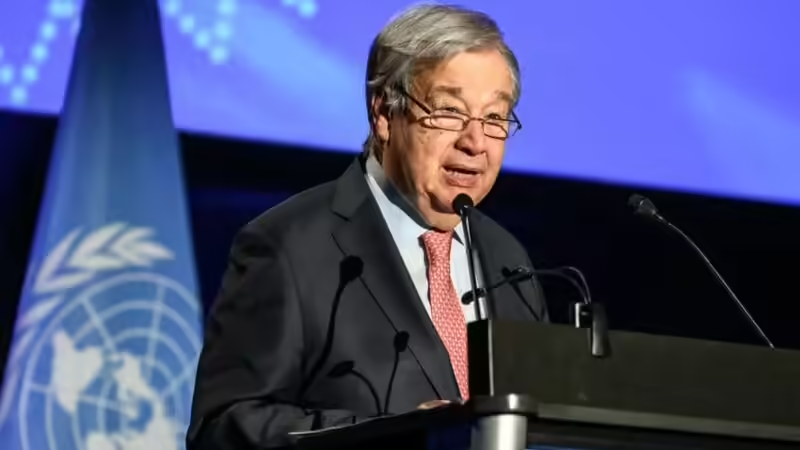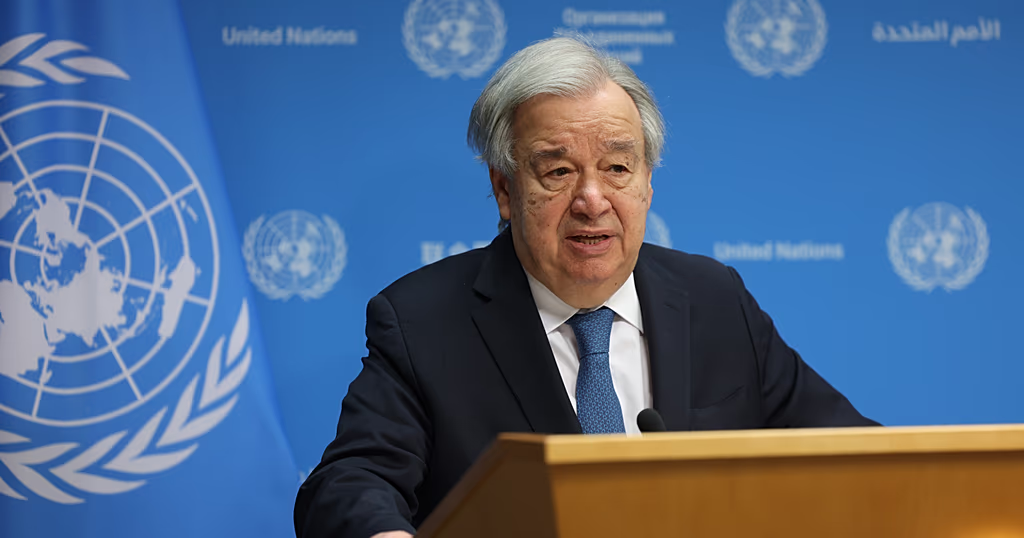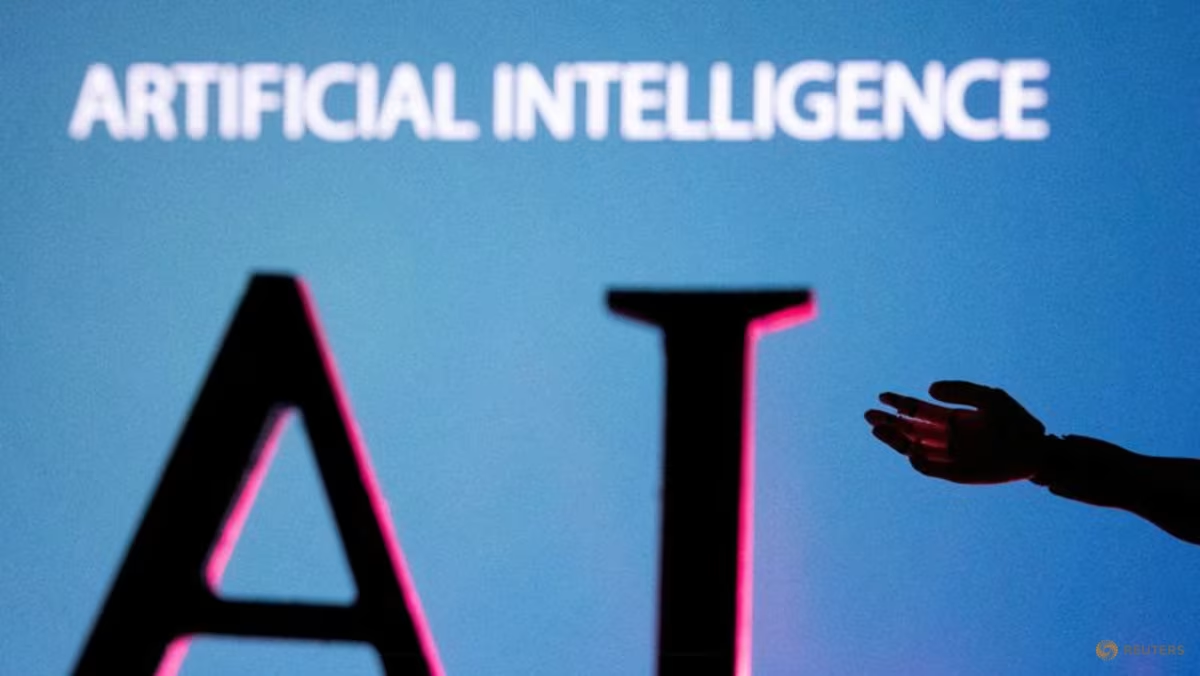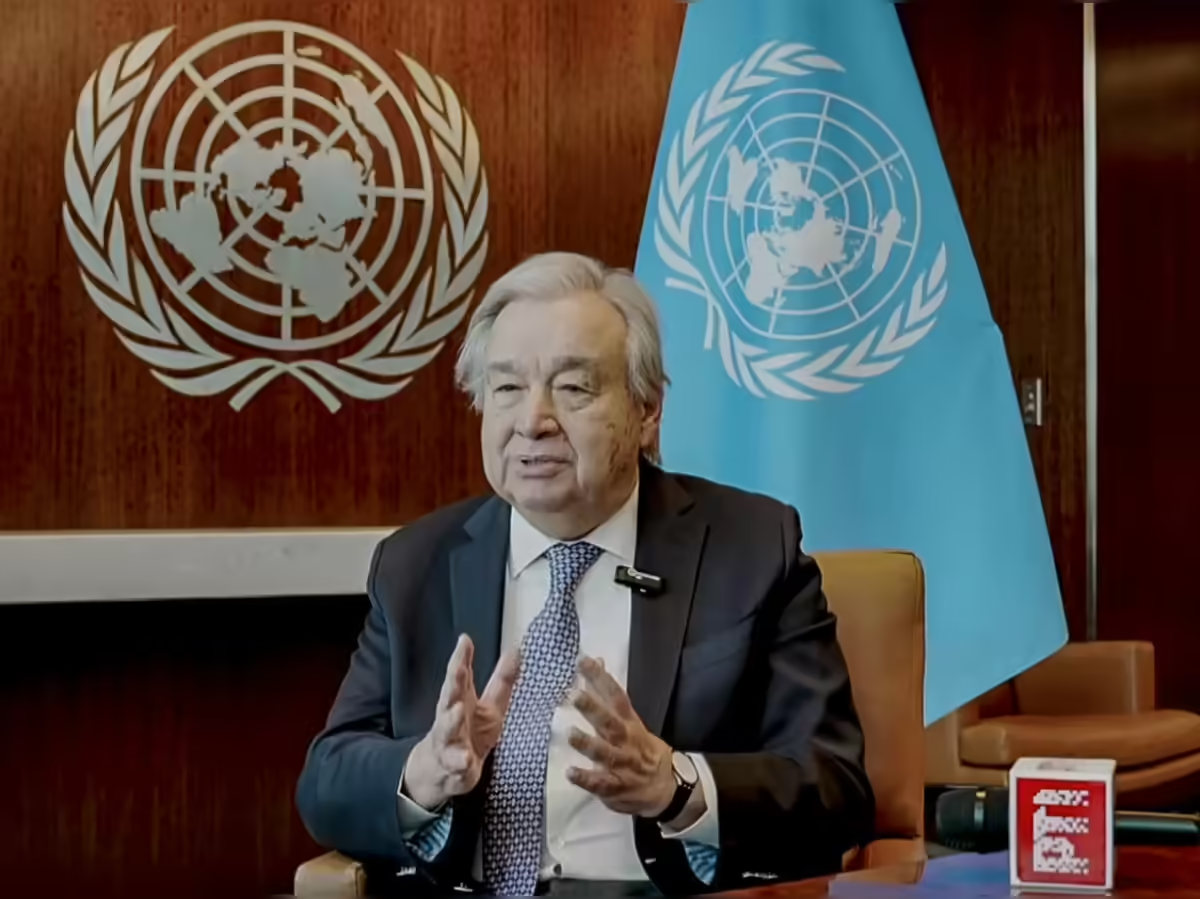
SynopsisUnited Nations chief Antonio Guterres has issued a stark warning: artificial Intelligence is advancing at an unprecedented pace, outpacing even its creators' ability to comprehend its implications. Addressing a global dialogue in Geneva, he stressed the urgent need for harmonised international rules to manage AI's profound impact on economies, work, elections, and security, particularly safeguarding children from its potential risks. PTIUN chief Antonio Guterres The United Nations secretary general on Monday warned that artificial intelligence is developing faster than anyone can keep up, urging the need for globally harmonised rules to reduce potential risks - especially to children. "A technology that can reshape economies, transform the world of work, sway elections and tilt the balance of security is being deployed faster than anyone - including the people building it - can keep up," Antonio Guterres told delegates at the first-ever government-level global dialogue on AI in Geneva. "Innovation needs guardrails.... If AI is to be powerful, it must be governed," Guterres told delegates. The purpose of the two-day inaugural U.N. Global Dialogue on AI Governance in Geneva is not to forge a treaty, but rather to discuss how to set rules to mitigate the potential harms of AI as well as take advantage of its opportunities. Delegates will consider a report by a UN-backed independent scientific panel of 40 experts, who will present their findings from the first global, independent scientific assessment of AI. A more comprehensive report is planned next year, alongside a second global meeting in New York. ...moreElevate your knowledge and leadership skills at a cost cheaper than your daily tea.Subscribe Now
UN chief warns AI is developing faster than rules can keep up - The Economic Times
United Nations chief Antonio Guterres has issued a stark warning: artificial Intelligence is advancing at an unprecedented pace, outpacing even its creators' ability to comprehend its implications. Addressing a global dialogue in Geneva, he stressed the urgent need for harmonised international rules to manage AI's profound impact on economies, work, elections, and security, particularly safeguarding children from its potential risks.
265 words~1 min read