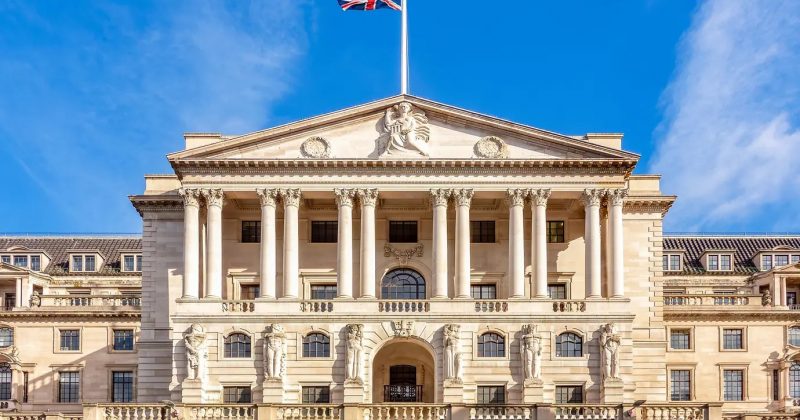
The Bank of England is staring down a problem it arguably made worse. UK gilt yields briefly punched above 5%, a level not seen since the 2008 financial crisis, as the escalating conflict involving Iran and the closure of the Strait of Hormuz sent energy prices surging and inflation expectations spiraling higher across Europe.
And through all of it, the BoE kept selling gilts. In previous crises, the central bank paused its quantitative tightening program to avoid pouring gasoline on a bond market fire. This time, it didn’t.
What’s actually happening
The BoE held its Bank Rate steady at 3.75% at its June 2026 meeting, with a 7-2 vote. What’s jarring is the context shift around it. Just months ago, markets were pricing in rate cuts. Now the conversation has flipped entirely to potential hikes. The energy shock rippling out from the Iran conflict has pushed UK Consumer Price Index expectations toward 3% or higher by the end of 2026, well above the BoE’s 2% target.
Meanwhile, the central bank has been actively shrinking its gilt holdings as part of its quantitative tightening regime, with the portfolio projected to fall toward £523 billion by mid-2026. In normal times, that’s responsible balance sheet management. In the middle of an energy-driven inflation shock with bond yields screaming higher, it looks like a central bank selling into its own crisis.