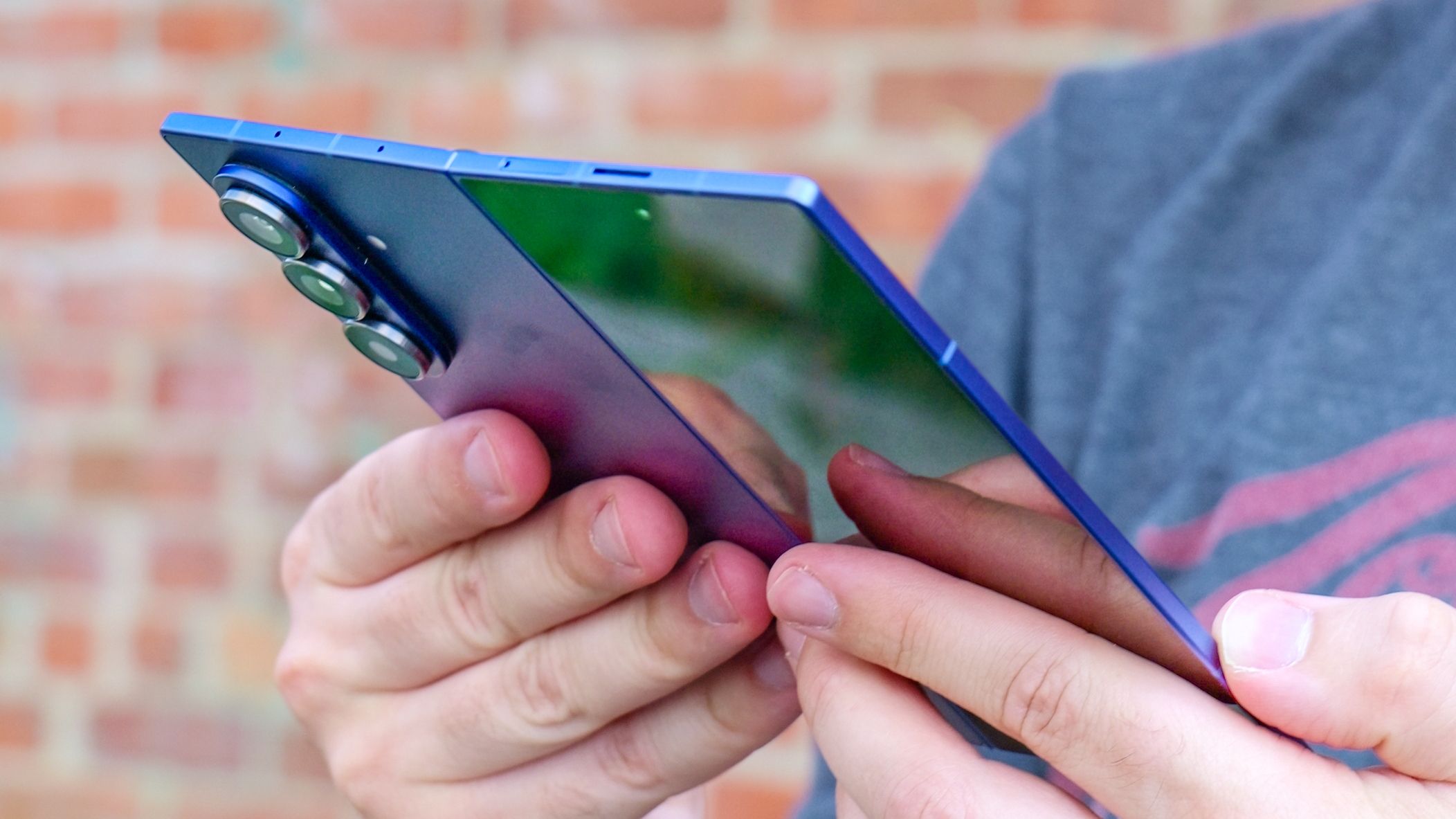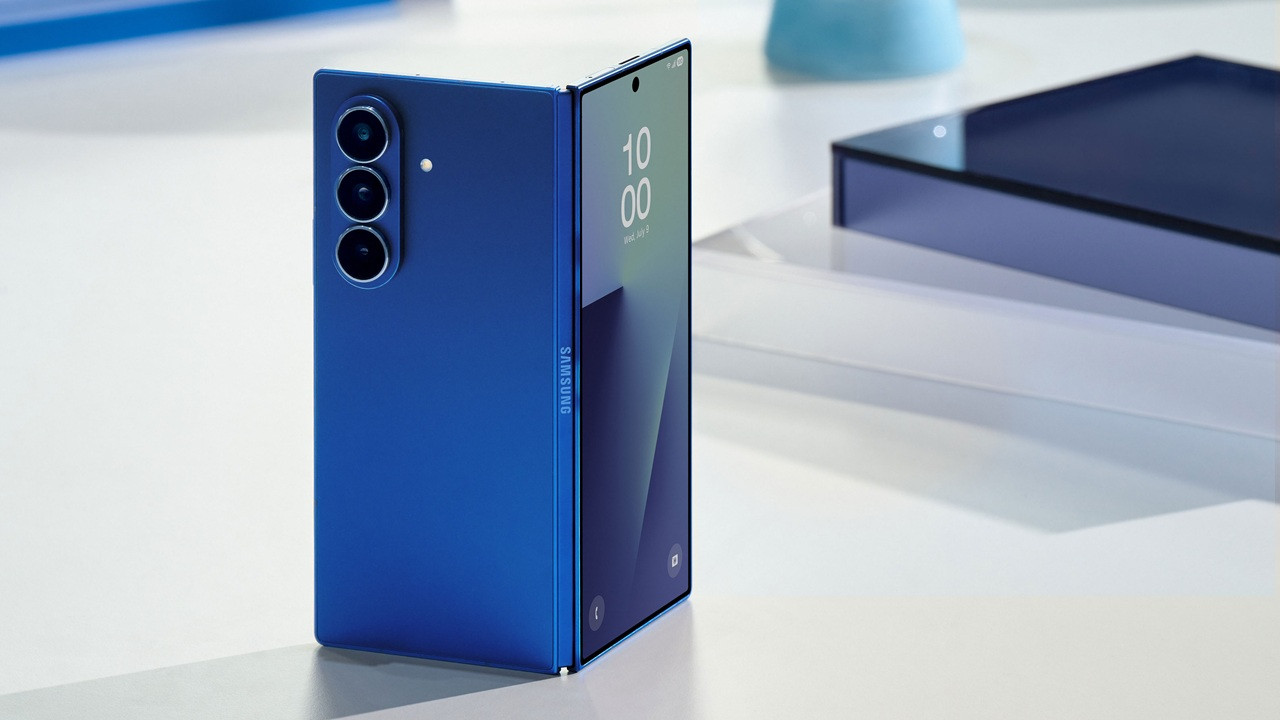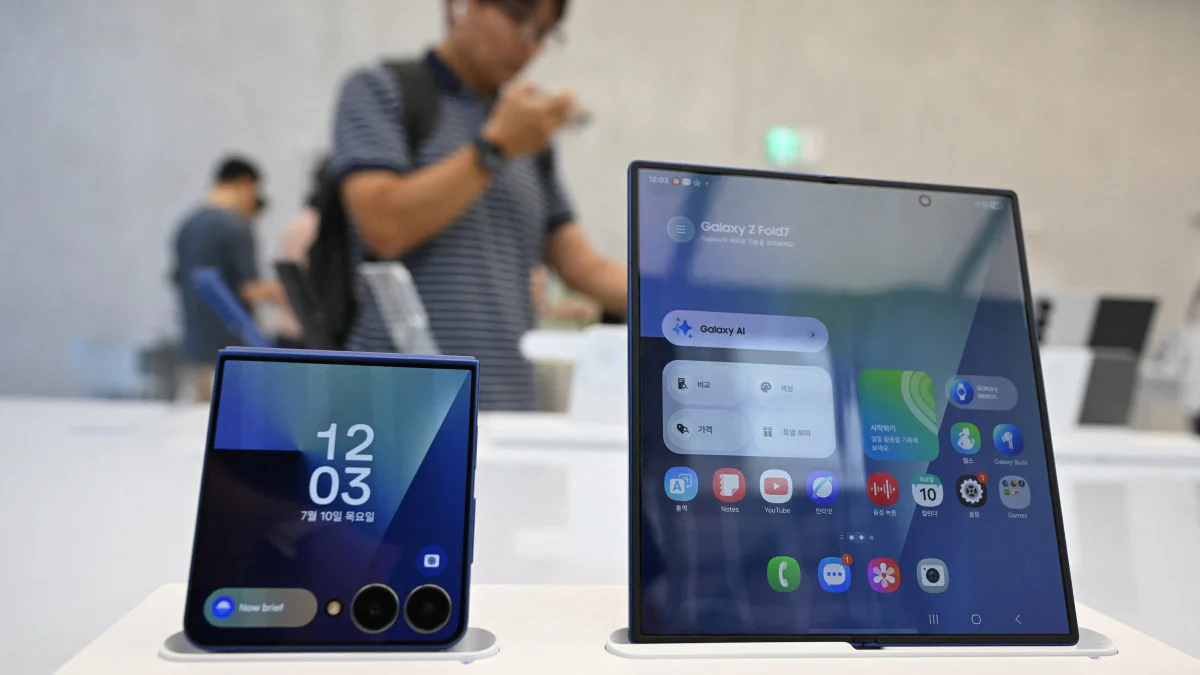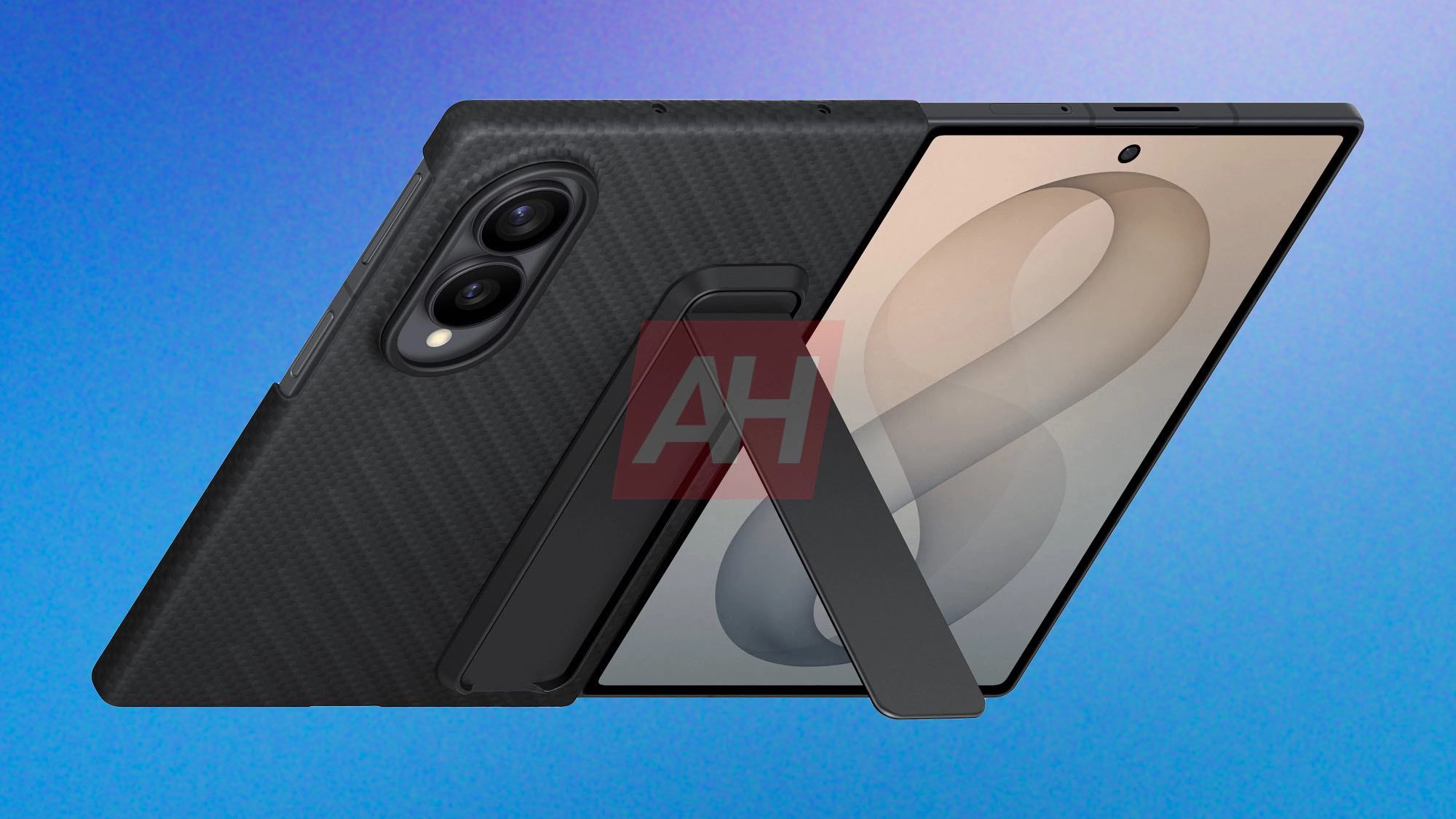
A Galaxy Z Fold7 on display at Samsung Store Hongdae in Seoul in July last year, when South Korea's three mobile carriers opened pre-orders for the Fold7 and Flip7 (Newsis) Samsung Electronics is expected to raise prices across its Galaxy Z8 foldable lineup, with the entry Galaxy Z Flip8 rising about 13 percent over its predecessor, according to leaked pricing from Korean telecom distribution channels reported by local outlet Bloter.It is yet another consumer sign of a memory chip shortage born in the AI boom that is now reshaping the economics of the electronics industry.The Flip8 offers the cleanest read on the increase because it is the only new model with a direct predecessor. Bloter reports an expected domestic price of about 1.68 million won ($1,100) for the 256-gigabyte version, up roughly 198,000 won from the Flip7, a 13.3 percent jump.The Fold line is harder to compare. Samsung is splitting it into a top-tier Fold8 Ultra, expected around 2.58 million won, and a new wider-format Fold8, near 2.28 million won, neither with a like-for-like predecessor.The pattern holds in Europe. German outlet WinFuture, citing retail sources, reports the Fold8 Ultra's 1-terabyte version will rise 280 euros ($320) to 2,799 euros, with the increases steepest on the high-capacity models where memory weighs most.Samsung will reportedly unveil the phones in London on July 22 and release them in South Korea on Aug. 7. The company has not confirmed the figures.The increases break from Samsung's usual practice. It lifted Galaxy S26 prices in February, ending a freeze held since 2023, then in April raised the 512-gigabyte Fold7 and Flip7 already on sale, its first in-year increase since 2022. Memory's share of the bill of materials for an $800 smartphone, where combined DRAM and NAND cost rises from $63 in early 2025 to a forecast $291 by the second quarter of 2026, nearly quadrupling as AI demand tightens supply (Counterpoint Research) The reason sits in the same component about to hand Samsung a blockbuster chip quarter. With AI data centers absorbing memory production, the DRAM and NAND flash that phones rely on has grown scarce and costly. Counterpoint Research estimates memory now accounts for roughly 40 percent of the bill of materials for an $800 smartphone, up from 14 percent in early 2025, with DRAM and NAND costs for one model rising about 4.6-fold to $291.That squeeze cuts through Samsung in two directions. On Tuesday, the company reports preliminary second-quarter results, and analysts surveyed by FnGuide expect operating profit of about 85 trillion won, driven almost entirely by its memory business. The same shortage padding those chip profits is eroding margins in its phone division, which some analysts believe may have posted its first quarterly loss as memory costs outran what it could absorb.Samsung is not alone. Apple has raised MacBook and iPad prices by up to $300, and Chinese makers have followed. IDC projects global smartphone shipments will fall 12.9 percent this year, the drop concentrated at the low end as rising memory costs price out the cheapest phones.
AI memory crunch pushes Samsung to raise foldable prices again
Samsung Electronics is expected to raise prices across its Galaxy Z8 foldable lineup, with the entry Galaxy Z Flip8 rising about 13 percent over its predecessor
506 words~2 min read