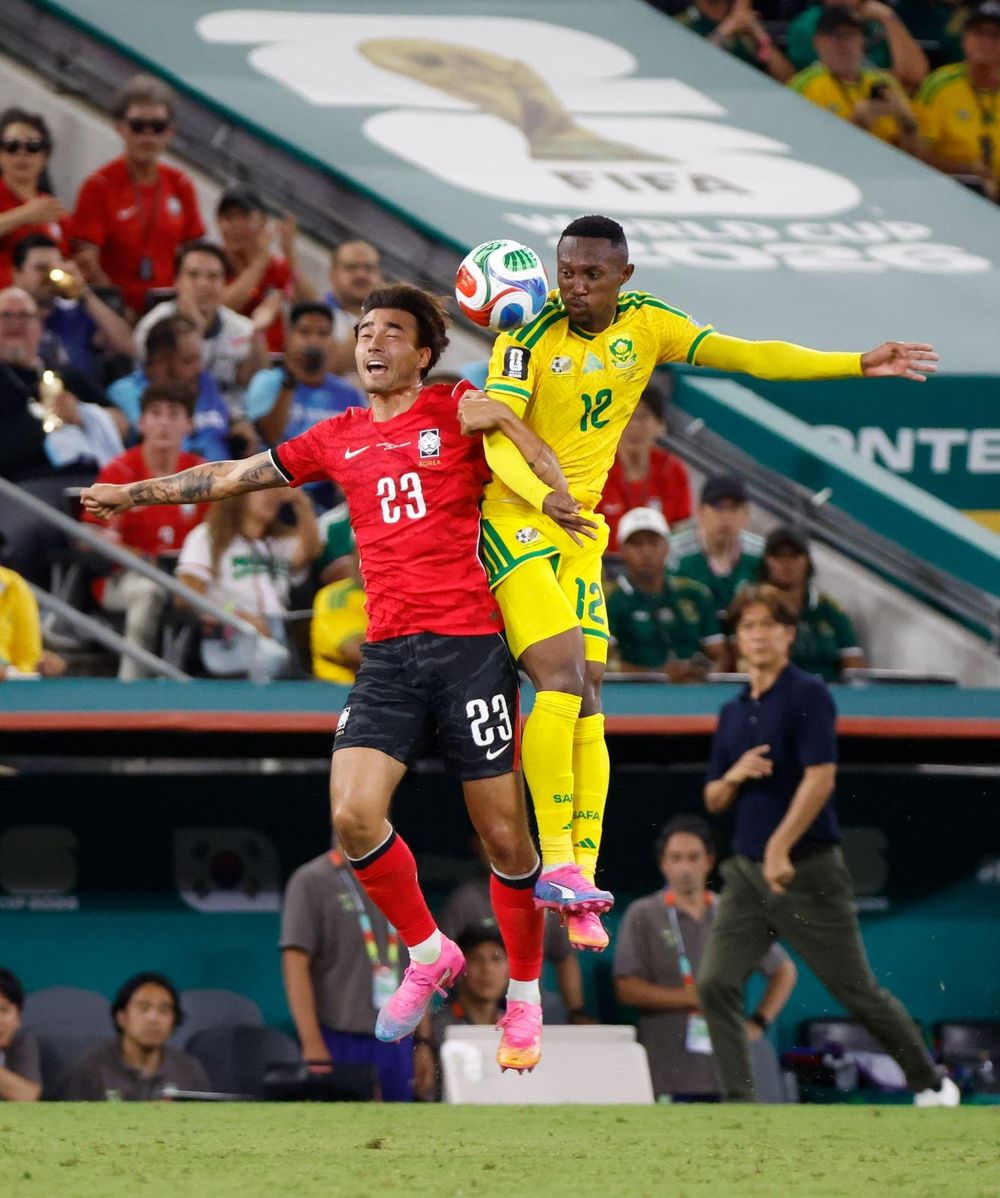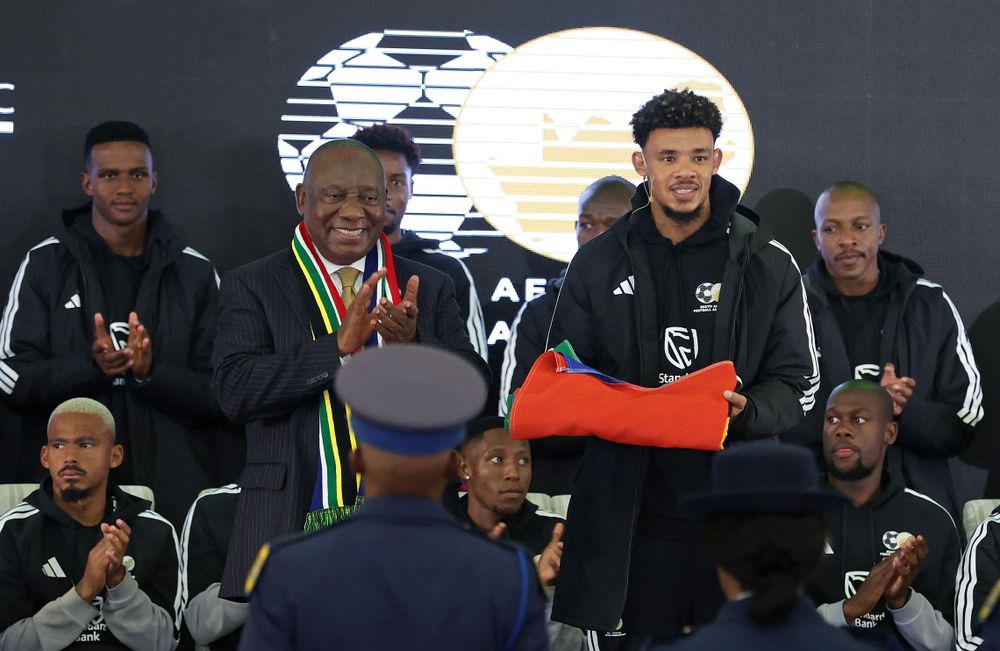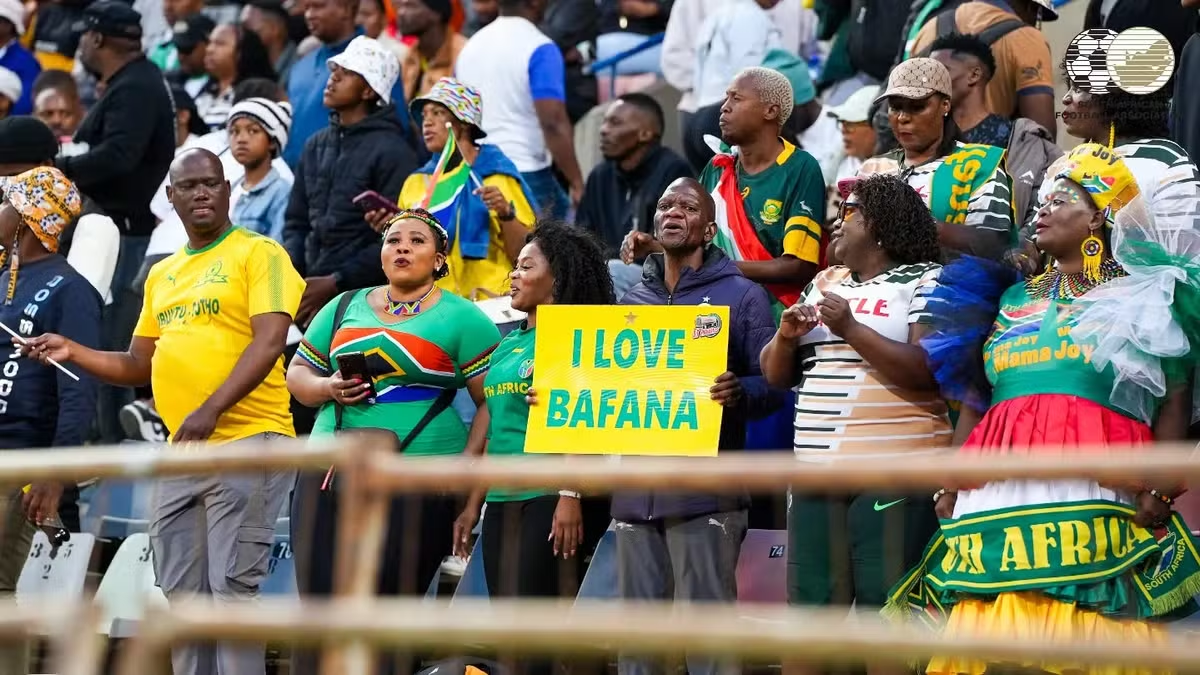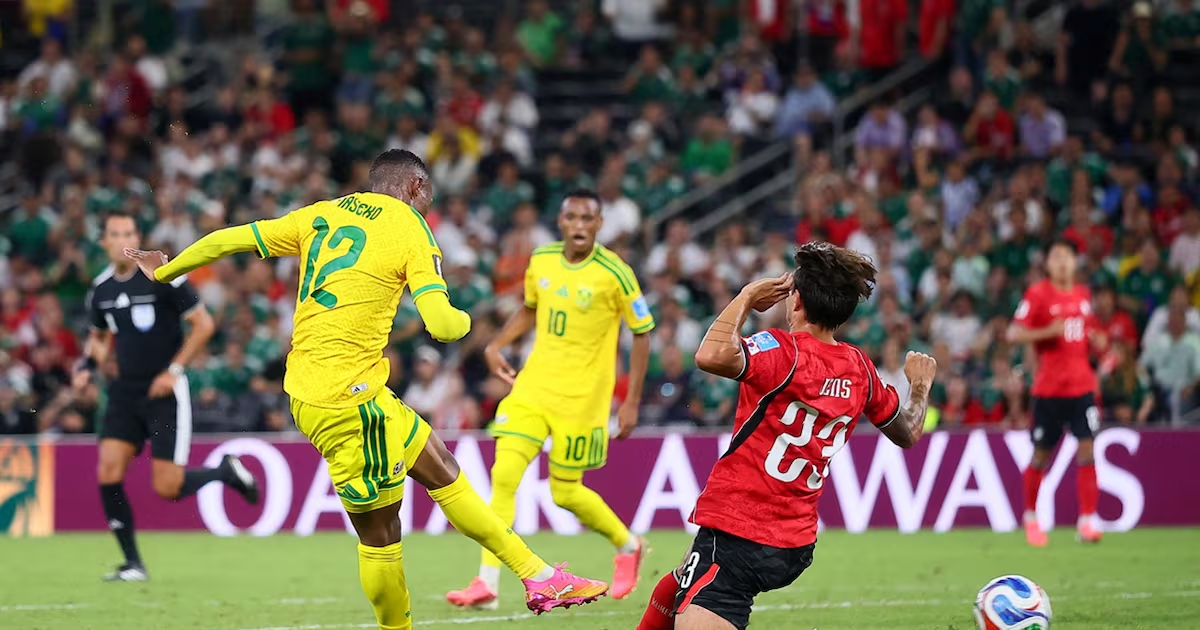
It was 9am in the middle of Shanghai. Daily Maverick journalist Lindsey Schutters and I had been delivered by a DiDi to a boarded-up shop window ― the wreckage of a long-closed sports bar. The location had popped up on Google as somewhere to catch the South Africa and South Korea game; what we got instead was a firm lesson to not rely on service that is blocked in the place you’re visiting, even if you think you’re smart enough to get around its firewall.We wandered like deranged pilgrims, knocking on doors and flashing Google Translate in the hope that someone would mercifully turn on a TV for us (despite the company’s prohibition, this particular app is indispensable when in China).Eventually we found a seafood restaurant preparing for a noon opening. Its sole worker agreed to open early and pour us a draft of beer. He spent his morning blithely wiping down the crockery, occasionally shooting bemused glances at the two foreigners shouting at the TV. We exited the crab-flanked front door in a thoroughly good mood. Thapelo Maseko’s instinctive bottom corner drive had earned Bafana Bafana an historic first trip to the World Cup knockout stages. A rare savouring of success for long-suffering fans.That warm feeling wouldn’t last, of course. Co-hosts Canada eliminated us over a tight 90 minutes a few days later. Despite the previous elation ― and an overall admirable effort ― the loss resurrected that old familiar feeling that the South African football team is a perpetual underachiever. It’s puzzling why we’ve achieved so little over the past three decades; why the democracy-buoyed, star-filled team that lifted the 1996 Africa Cup of Nations would never again reach similar heights of achievement.We are a football-mad nation. The investment is there. Our infrastructure is relatively robust. The national league, while far from perfect, provides a strong testing ground for young players. The ingredients are all there on paper.Unfortunately, to borrow from the great Brian Clough, the game is played on grass.In 2014, then-sports minister Fikile Mbalula would have had no idea that he was creating a generational meme when he infamously declared: “What I saw was not a problem of coaching, it was a bunch of losers.” The sentiment has lingered in the minds of South Africans. Each disappointment is accompanied by a national interrogation of the Bafana mindset. Against Mexico they were too tepid; before that it was arrogance that was their downfall.Those of a more tempered disposition are quick to point the finger at the sport’s administrative structures. Safa has been no stranger to mishap or mismanagement throughout the years ― an observation epitomised by the Visa debacle on the eve of this event. That perception is worsened further by the Shakespearean tussle for the soul of the national game between its chief, Danny Jordaan, and that of the PSL, the Iron Duke Irvin Khoza.In reality, it’s impossible to distil all contributing factors down into one succinct answer.This World Cup is the perfect proof point to how intangible ― and immune to economic metrics ― football success is.Despite the number of participants increasing to 48, only two of the world’s 10 most populous nations are represented this year ― the US and Brazil. And look no further than where we began this story. If Bafana’s underperformance is curious then that of China is unfathomable. Here we have the world’s second largest economy that until recently boasted its largest population.The beautiful game is also far more popular than many outsiders assume, with marketing estimates putting the football fanbase at nearly 300-million strong. President Xi Jinping himself is one of them, presiding over a government that has poured billions of dollars into the sport. But as powerful as Chinese state ambition is ― just ask German automotive manufacturers ― that wealth has bought it precisely one appearance (2002) and exactly zero goals at the World Cup.“What I find interesting is not simply the existence of these problems but China’s inability to solve them,” James Palmer writes in Foreign Policy, dissecting the usual culprits of culture and corruption.“Ironically, Xi’s enthusiasm for soccer may have contributed to the problem. A familiar pattern has played out across multiple sectors... Once an area becomes a national priority, the money flowing into it creates powerful incentives for corruption with few institutions capable enough to expose waste or abuse.”While China sat on the sidelines, tiny African archipelago Cabo Verde ― population 530,000 ― earned cult status at the World Cup after impressive group stage draws and scaring the stripes off of Argentina in the knockouts. Not bad for a team that recruited one of its centre backs on LinkedIn. (Incidentally, we in the South African press lost our minds when Cabo Verde beat Bafana back-to-back in 2017.)Curaçao ― population 156,000 ― made headlines by inexplicably becoming the smallest nation to qualify for a finals. A constituent country of The Netherlands, it did so with a shrewd Dutch manager who recruited 25 Dutch-born players.The Oranje itself, meanwhile, continued its own inexplicable legacy of 21st-century underperformance in major tournaments. Germany did the opposite, losing a penalty shootout in the competition for the first time.Football success is rarely rational or predictable. There is little the fan can do about that except wander the Earth looking for a place to watch the game.
LUKE FELTHAM | Bafana Bafana and the indecipherable economics of football success
Fikile Mbalula saying Bafana were a bunch of losers has lingered in South Africans' minds
885 words~4 min read