Get the latest news and updates from Dawn
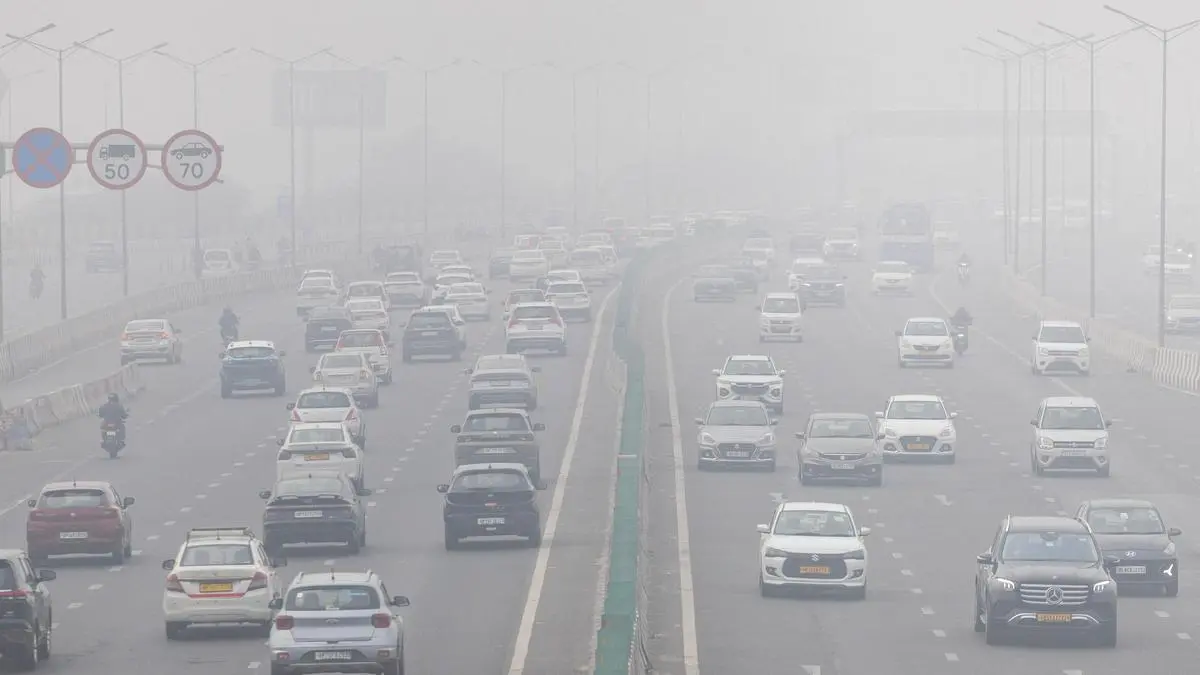
Every winter, Lahore disappears into a thick grey haze that leaves its citizens gasping for breath. Similar conditions are being experienced by residents of other major cities, including Multan, Karachi and Faisalabad.
Many Pakistani cities now regularly compete with one another to top global rankings for the world’s worst air quality. Transport exhaust is one of the biggest contributors. The government knows this. Its under construction New Energy Vehicle (NEV) Policy is an attempt to change course, aiming for 30 per cent clean vehicle penetration by 2030 by encouraging investments in pure electric mobility.
The policymakers explicitly acknowledge that the country can no longer afford petrol-driven vehicles for a very long time if they are to fight deteriorating air quality and its health burden.
But a policy built almost entirely on the supply side — encouraging assembly of electric cars and two- and three-wheelers — misses the harder part of the problem: how to persuade consumers to buy electric vehicles? As policymakers move towards final approval of the framework, they don’t have to look far for a demand-side blueprint.