Get the latest news and updates from Dawn
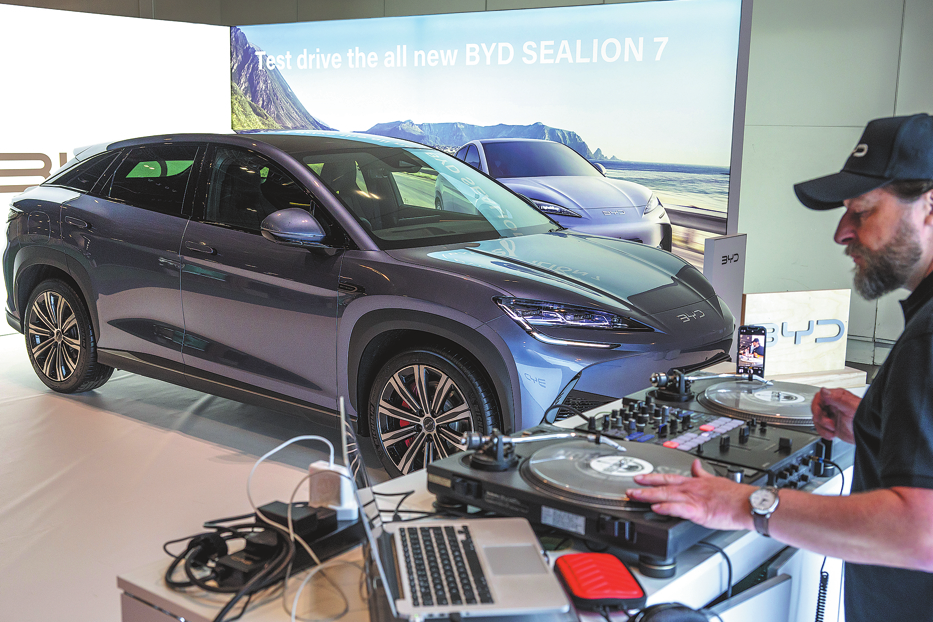
BYD’s showroom at Metropole has constant, if sparse, traffic in the background as Danish Khaliq, spokesperson and Vice President of Sales & Strategy for BYD Pakistan, talks about the EV giant’s plans in Pakistan. Despite the modest Rs5-per-litre cut in petrol prices over the weekend, fuel remains prohibitively expensive and more consumers are turning towards electric vehicles. Showroom walk-ins have quadrupled, he says, translating directly into higher sales conversions. The company’s $150m investment in its Gharo plant aims to achieve around 20pc localisation over the next two to three years.
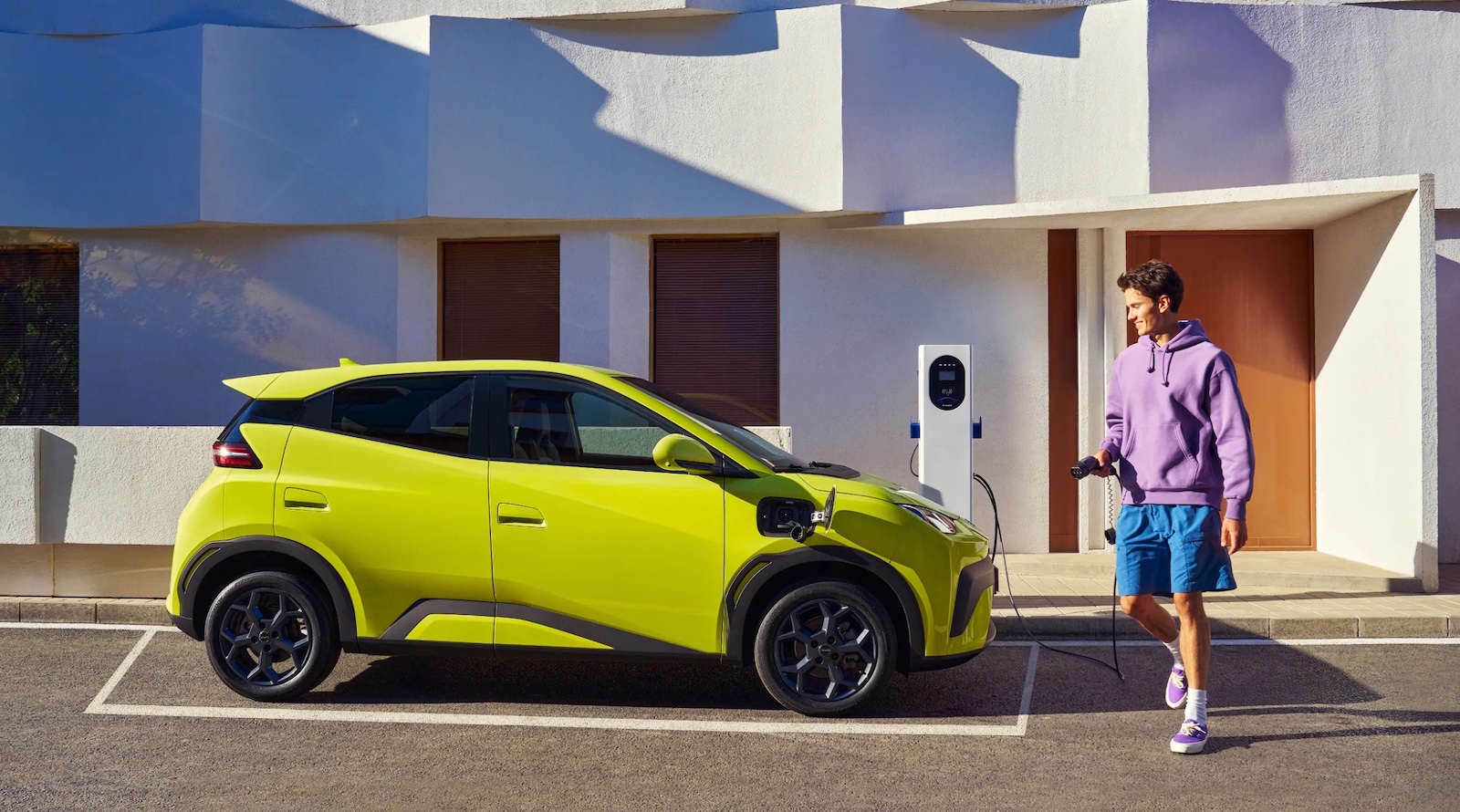
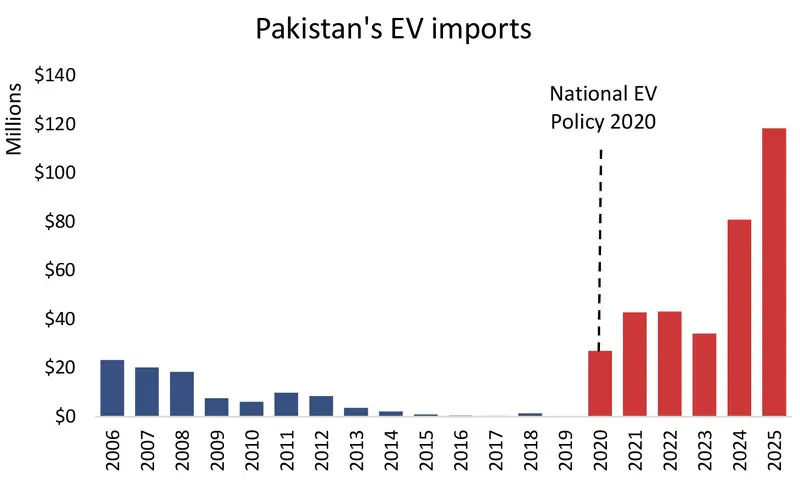
Pakistan’s passenger EV imports have surged 338pc since the government’s National Electric Vehicle Policy in 2020, rising from just $45,000 in 2019 to $118.4 million in 2025. But the real driver of demand is the cost of commuting. Back-of-the-envelope calculations suggest that filling up a petrol vehicle for 400km can cost around Rs16,000 at current prices, compared to about Rs3,000-3,500 to fully charge BYD’s ATTO 3. With fewer moving parts and lower servicing requirements, maintenance costs can also fall by nearly two-thirds, Mr Khaliq claims.
It is likely that for the grandchildren of today’s younger generations, traditional cars will belong in museums. But given the mixed success of localisation in Pakistan’s conventional auto sector, the question remains whether the country is replacing one import-dependent industry with another.