Spencer Cox, Governor of Utah
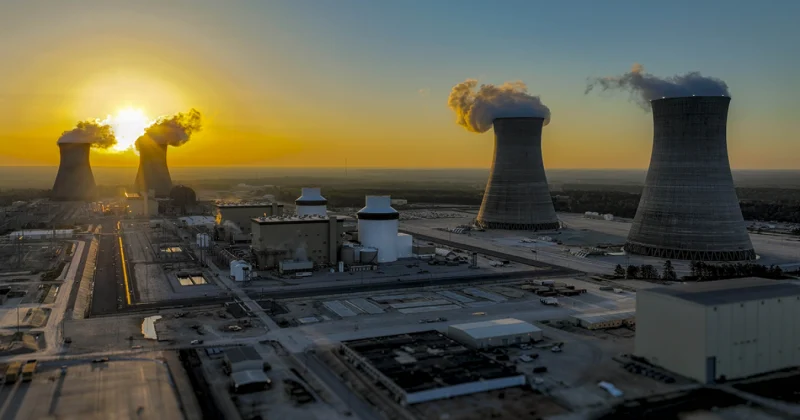
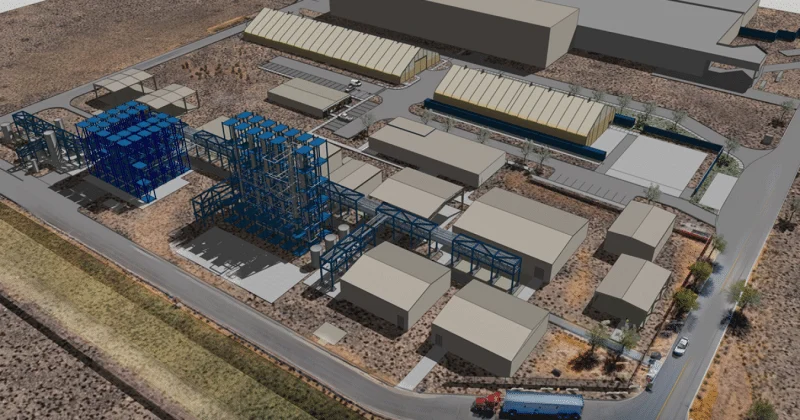
Utah plans to step up nuclear power generation to meet an anticipated surge in electricity demand from data centres, with Governor Spencer Cox saying new projects are expected to come up within four to five years.“We’re going to have nuclear here, hopefully in the next four or five years, in a big way. We’ve had several nuclear companies who have moved to Utah, more that are coming. And we think that’s an area that is very much ripe for investments,” Cox told businessline during an interaction.As Big Tech companies step up investments in artificial intelligence, states across the US are competing to attract data centres while ensuring adequate power supplies.Utah is positioning itself as a government that pursues investments both in AI infrastructure and alternative energy sources.The western US State has launched Operation Gigawatt, an ambitious initiative to double electricity generation over the coming decade. It focuses on advanced nuclear energy, including conversion of ageing coal-fired power plants into nuclear facilities, and the development of a domestic nuclear supply chain.The move comes as Big Tech companies are expected to spend well over $300 billion this year on AI infrastructure, much of it on data centres.Utah already hosts about 48 data centres with a combined power capacity exceeding 920 MW, according to industry estimates. Demand is expected to rise sharply.A proposed 40,000-acre data centre campus in Box Elder County, developed by O’Leary Digital, is drawing attention for its enormous power requirement, although the project proposes to generate its own electricity rather than relying on the public grid.The State’s lawmakers are also working with the US Department of Energy to establish a Nuclear Lifecycle Innovation Campus to position Utah as a national hub for next-generation nuclear research, development and power generation.Betting on Utah’s skilled workforce and established energy ecosystem, Cox said fresh investments could accelerate the commercialisation of advanced nuclear technologies.“We just had a new nuclear reactor go critical here in Utah... which was an incredible goal. They started a year ago,” he said, adding that the State’s ambitions extend beyond deploying small modular reactors (SMRs) to manufacturing reactor components as well.State Senator Jerry Stevenson said nuclear power was emerging as the preferred option because it offers reliable electricity with lower environmental impacts when managed safely.“We also have a site about 100 miles from Salt Lake City where we are working on safe disposal of nuclear waste from large plants and reprocessing it into fuel for smaller reactors,” Stevenson said.After decades of limited new reactor construction, the rapid growth of artificial intelligence and cloud computing has rekindled interest in nuclear power. Technology companies including Amazon, Google and Microsoft have announced investments or partnerships linked to nuclear energy, particularly SMRs, to secure long-term power supply for their expanding data centre operations.Several US states are revisiting their nuclear policies as electricity demand, after years of remaining largely flat, begins to climb again.Geothermal systemsUtah is also banking on geothermal power. It is among the few states in the US with significant, utility-scale geothermal potential. The Utah Frontier Observatory for Research in Geothermal Energy (Utah FORGE), supported by the US Department of Energy, is working to commercialise enhanced geothermal systems.Private investment is also gathering pace. Texas-based Fervo Energy is developing a geothermal project in Utah to supply 400 MW of round-the-clock, carbon-free electricity.“It is actually scalable now. The first wells we drilled took months. Now they’re taking weeks,” Cox said.(The writer was in Utah on a foreign press tour at the invitation of the US State Department)Published on July 6, 2026