RBI: Deft liquidity management
| Photo Credit:
Deepak Verma
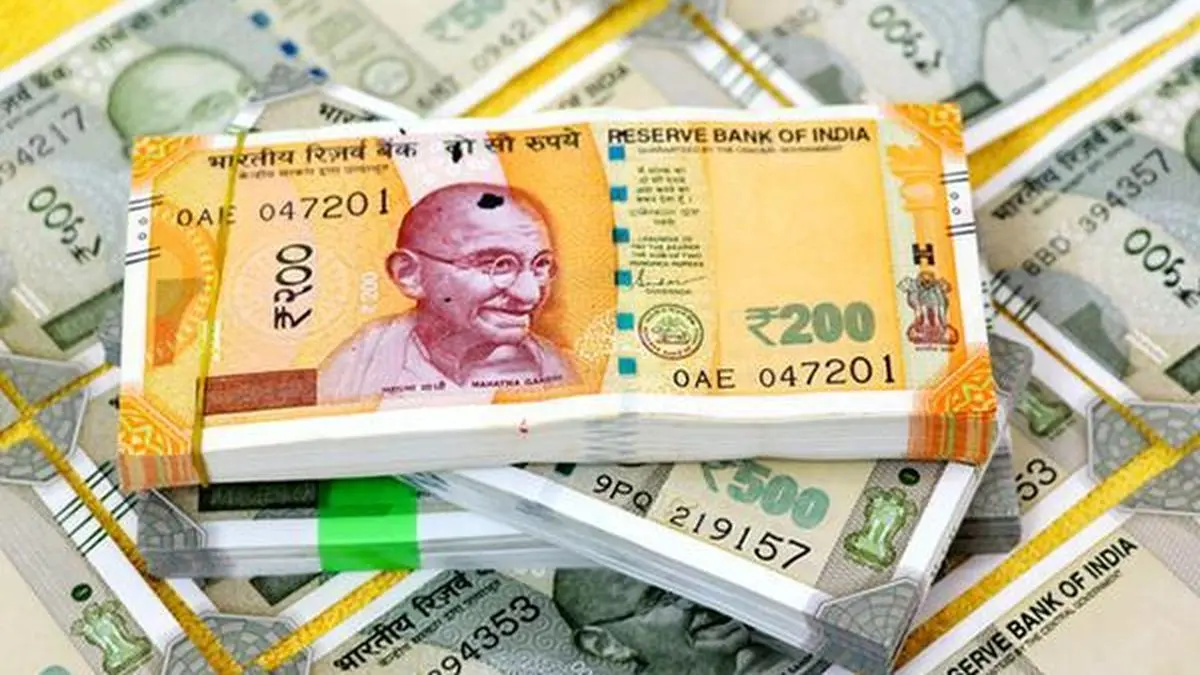
The Indian economy did emerge quite successfully in FY26. Yet, it was actually quite tumultuous with the US tariff issue weighing down heavily on exports and MSMEs.While the government did its part to boost consumption by lowering taxes, banks ran into the problem of liquidity with deposits growth lagging credit, thus leading to greater access to the bulk deposit and CD market.The rupee was volatile with depreciation of almost 10 per cent, posing a challenge for importers.If there was order in the working of the economy, the credit should go to the RBI for calibrated timely intervention.Steps takenFirst, the RBI had ensured that liquidity was provided to banks at all times, which was a strong message sent across to reassure all market participants. One of the major tools used for this was open market operations (OMOs). This is where RBI buys and sells government paper. On a cumulative basis, the RBI bought paper of ₹7.10 lakh crore, which is the highest in the last five years. This was supplemented with variable repo rate (VRR) operations where short term liquidity ranging for a day to 14 days was provided.The second major intervention by the RBI was in the forex market where it sold dollars in the spot market amounting to ₹4.43 lakh crore — its highest sale. The previous high was ₹3.39 lakh crore in FY24. This became expedient due to the fact that the market was always second guessing what the RBI was targeting. Such intervention did help. This was done dexterously while ensuring overall forex reserves remained at comfortable levels of import cover in the double digit region.Third, the RBI also became very active in the forwards market — a strong messaging system where there is no immediate sale of dollars, but large short positions built up. Again in the last five years, the outstanding forwards position for the RBI had crossed $100 billion by March 2026 with a little over 50 per cent due after a year.This would also include positions taken in the NDF market besides the swap purchases of dollars from banks undertaken to provide liquidity. In the last three years the RBI had taken such positions in the forwards market to control volatility in the forex market.Fourth, with virtual real time monitoring of the liquidity situation and forex market, the interventions have also meant that the balance sheet size has expanded significantly this year. The balance sheet size at ₹92 lakh crore, increased by ₹15.7 lakh crore — again an all-time high.RBI surplusThis in turn has also helped in providing support to the fiscal balances with a surplus of ₹2.87 lakh crore being transferred to the government for FY27. This will be a major support to an economy hit by war-led disruptions.Fifth, in parallel, an interesting development which has taken place is the considerable expansion in currency in circulation, which was also a factor in the growth of the RBI’s balance sheet. The interesting aspect is despite the multi-fold increase in digital payments, there has been an increase of ₹4.43 lakh crore in currency — the highest in the last five years.This predilection towards holding currency is ingrained in the Indian psyche. This could be due to the precautionary motive where it was considered to be the safest asset for all times.But there could be two other reasons for this phenomenon. The alarming increase in instances of digital fraud could have made the public to resort to greater cash use.The second can be the continued prevalence of cash for transactions in real estate as well as gold.Hence it can be seen that the RBI had played a vital role in stabilising the economy when required by assiduously pursuing the objectives of a central banks — conduct of monetary policy, monitoring the forex position of the economy and making available currency for transactions.The fact that this was done in a non-obtrusive manner is important.Therefore, a large part of the credit for the performance of the economy in FY26 should be attributed to the RBI for facilitating growth forces while also dampening inflationary pressures.The writer is Chief Economist, Bank of Baroda. Views are personalPublished on July 6, 2026