Story audio is generated using AI
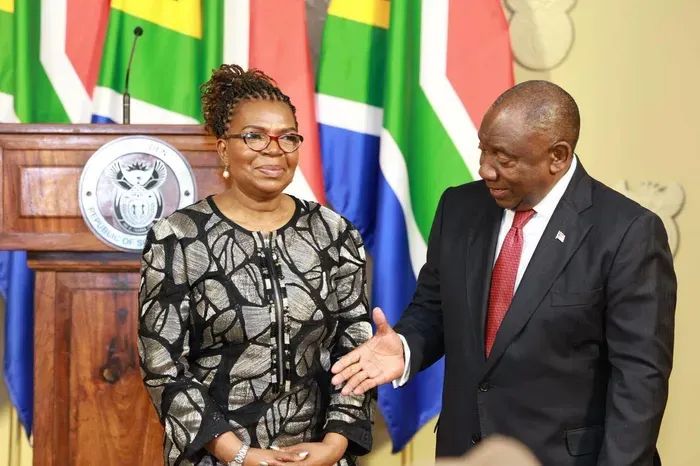
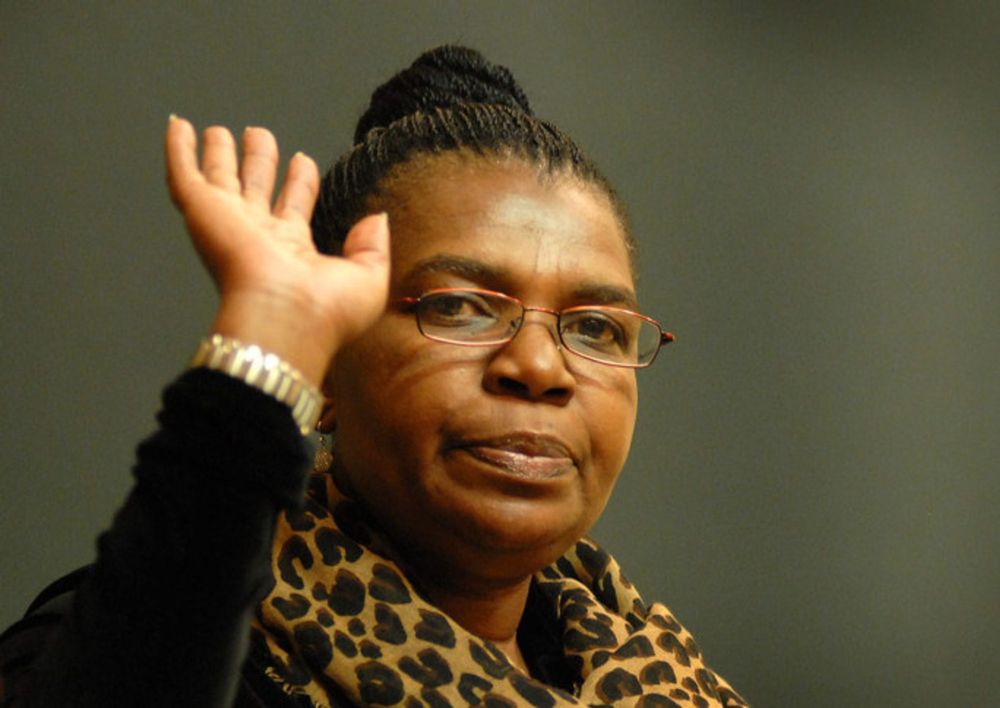
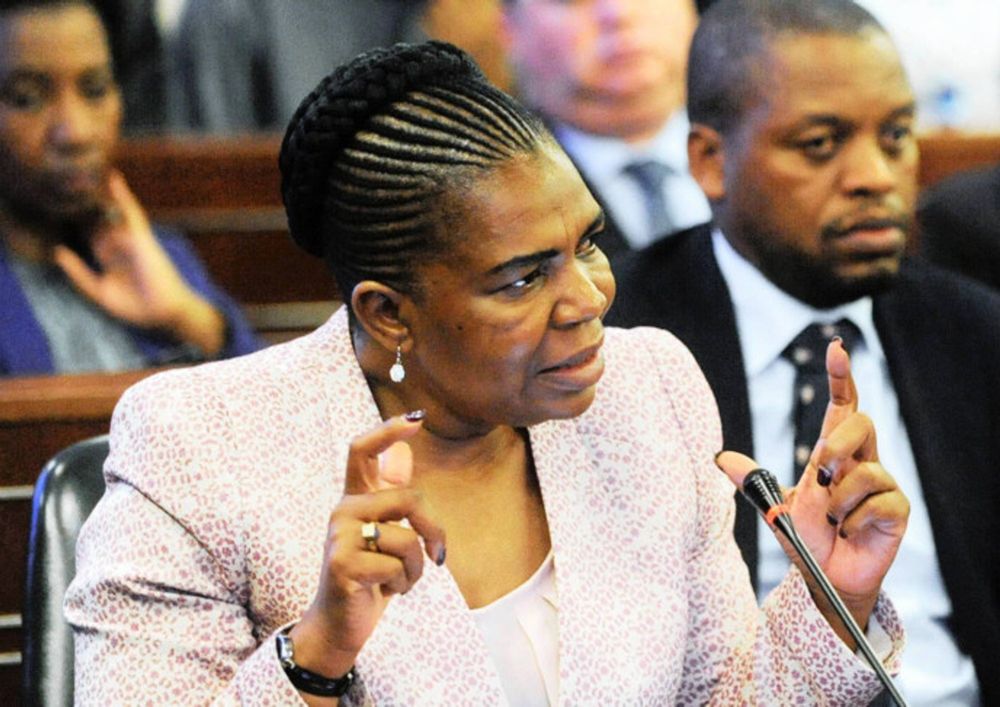
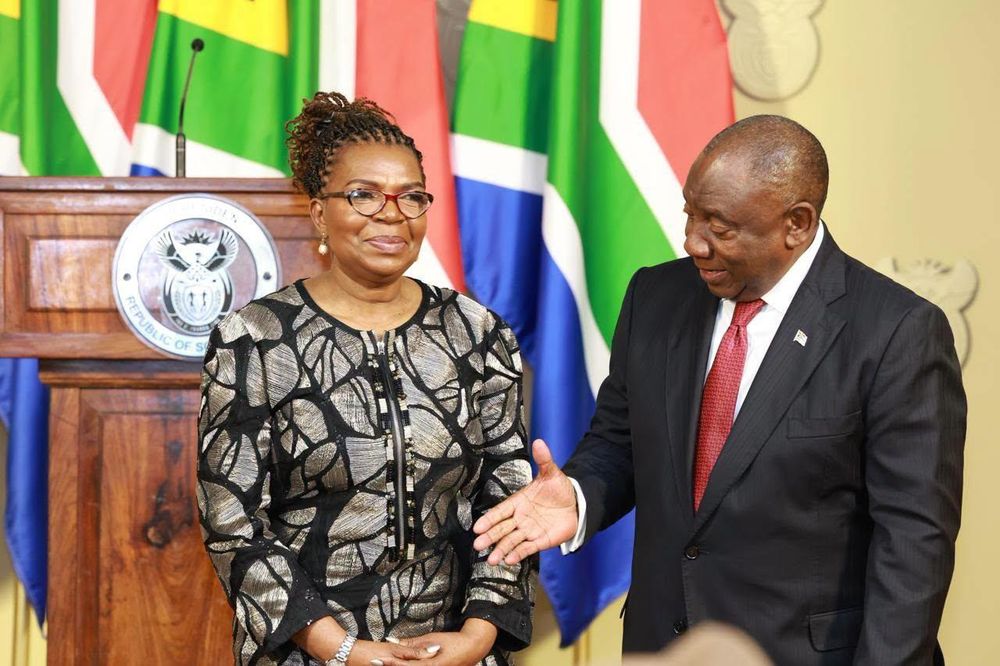
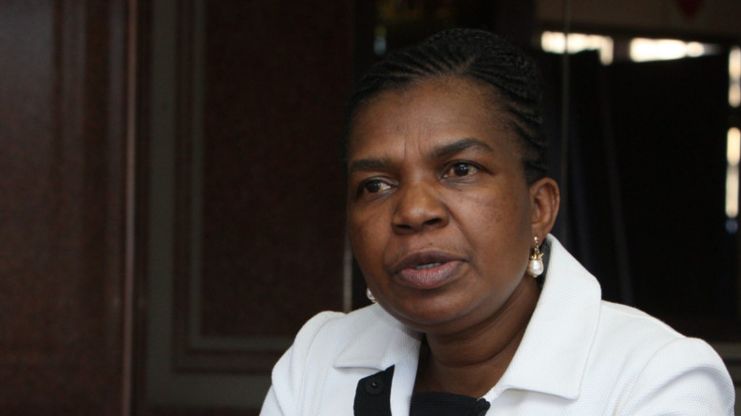
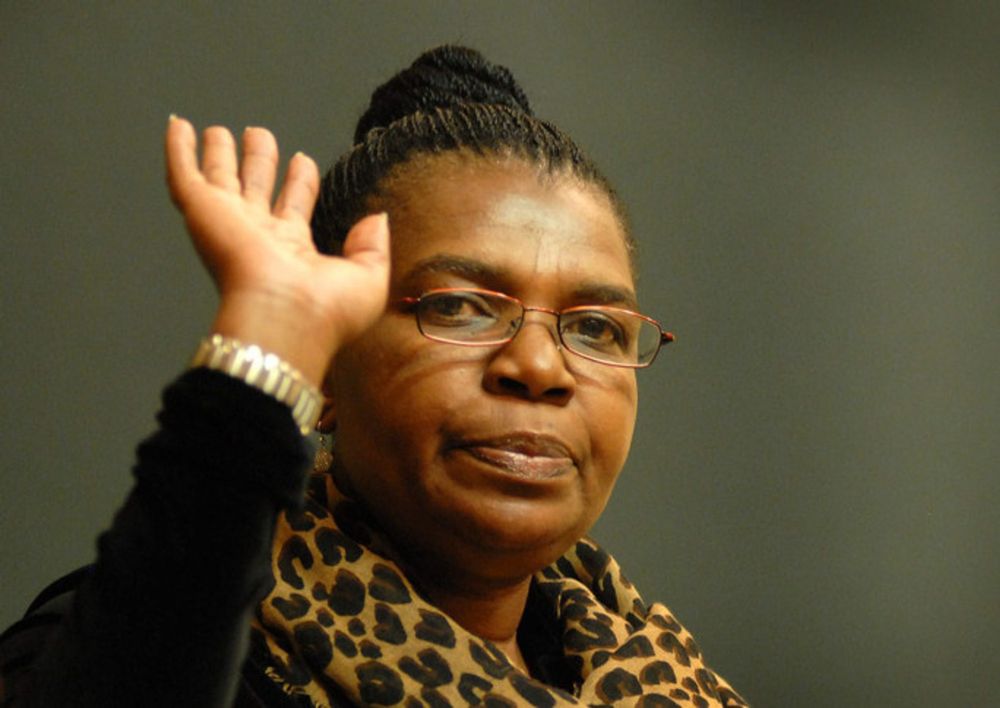
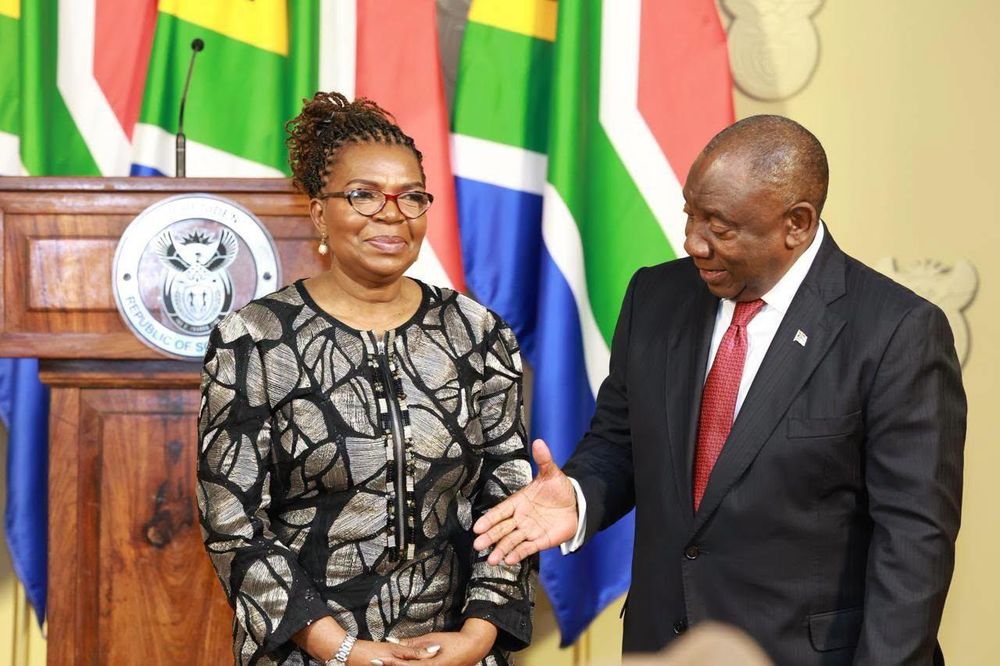
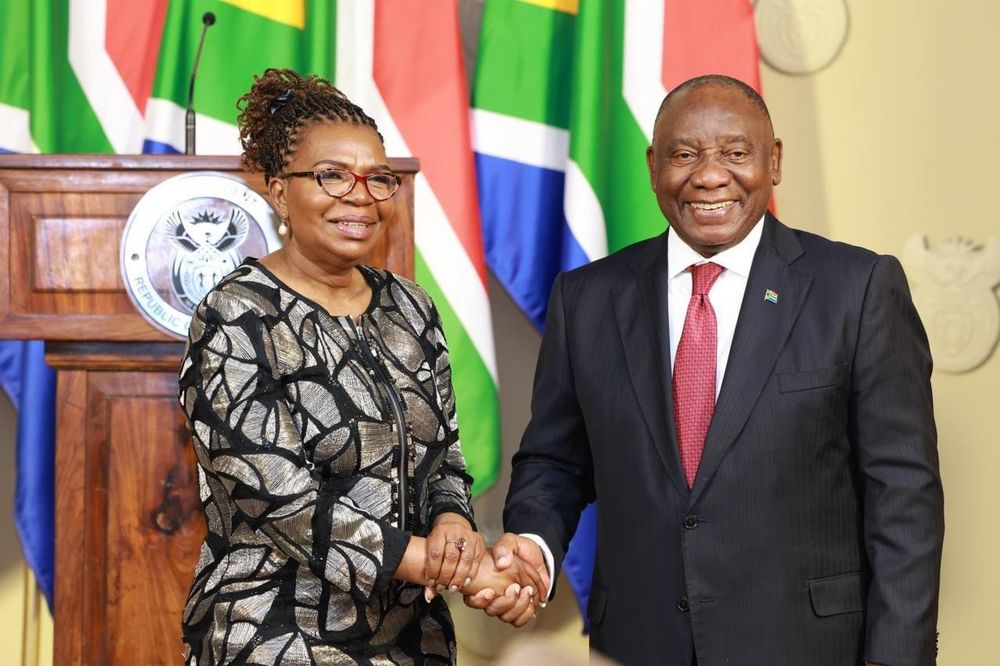
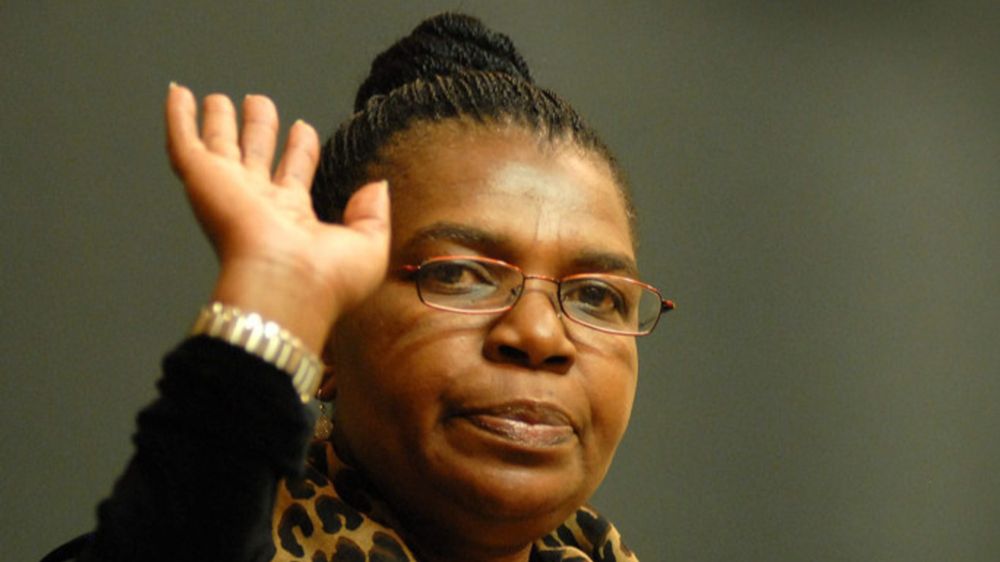
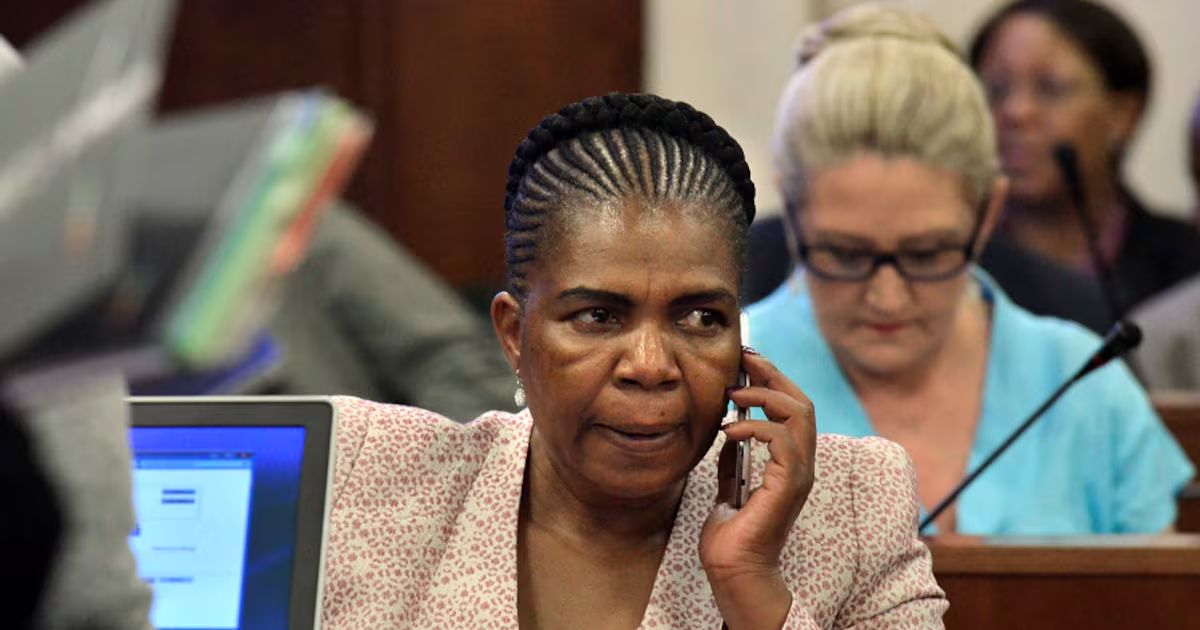
The ANC has mounted a robust defence of President Cyril Ramaphosa’s decision to return Dina Pule to the cabinet, arguing she has served out her punishment and rebuilt the trust lost after findings by the public protector and parliament’s ethics committee more than a decade ago.Speaking at a media briefing on Thursday, ANC secretary-general Fikile Mbalula said the governing party recognised public concern over Pule’s appointment as minister of social development but rejected the notion she should be permanently excluded from public office because of past misconduct.He said Pule had accepted responsibility for her actions, served the sanctions imposed on her, undergone ethics counselling within the ANC and rebuilt confidence through her election to the ANC’s national executive committee, her leadership role in the ANC Women’s League and her return to parliament.“The people of South Africa do not hand down life sentences, least of all where there has been accountability, redress and correction,” Mbalula said, adding the ANC believed in “redemption and in the capacity of a human being to be rebuilt and to rebuild”.Ramaphosa’s latest cabinet reshuffle appears to have been shaped as much by political necessity as by administrative changes, with analysts pointing to the influence of the ANC Women’s League in Pule’s appointment while dismissing speculation the president had intended a much broader overhaul of his executive.The president announced changes to the national executive on Tuesday, replacing several ministers and deputy ministers after recommendations from the DA after the party’s internal review of its representatives in the GNU. (Brandan Reynolds) Among the most notable appointments was Pule’s return as minister of social development. In an earlier statement after the reshuffle, the ANC congratulated her on her appointment and expressed confidence she would discharge her responsibilities “with dedication and commitment to improving the lives of the most vulnerable in our society”.Political analyst Dirk Kotzé said Pule’s appointment was less about her as an individual and more about the position she occupies within the ANC.“The position of minister of social development has, over the last number of administrations, always gone to a senior person in the ANC Women’s League,” Kotzé said.“At the moment, Dina Pule is the most senior person available in the Women’s League to become a minister. It is therefore more about the position she occupies than about her personally.”He said the ANC Women’s League would have expected one of its senior leaders to fill the portfolio and that there were few alternative candidates available.At the moment, Dina Pule is the most senior person available in the Women’s League to become a minister. It is therefore more about the position she occupies than about her personally.— Dirk KotzéKotzé acknowledged Pule’s controversial past, noting she had previously been removed from the cabinet by former president Jacob Zuma after findings relating to a conflict of interest.“That history is obviously a downside, but it was about 15 years ago. Some people will argue she is now a different person,” he said.Political analyst Frans Cronje similarly said the Women’s League may have influenced the appointment.“The Women’s League is an important constituent, so that may have been a factor,” he said.While speculation emerged that leaked correspondence relating to possible Cabinet changes may have forced Ramaphosa into a smaller-than-planned reshuffle, analysts were unconvinced.Kotzé said the premise was flawed because the latest changes were largely initiated by the DA rather than the president.“The driving force of this was very definitely the DA’s internal evaluation process of their ministers and deputy ministers,” he said.“It was therefore not on the initiative of President Ramaphosa. The DA took the initiative, sent its recommendations to the president, and he took the final decision.”He added Pule’s appointment arose because of the vacancy at social development rather than a broader plan to reorganise the cabinet.“I don’t think a cabinet reshuffle is in the pipeline at the moment, even beyond what has happened now,” Kotzé said.He argued that, with local government elections approaching, Ramaphosa would also be reluctant to remove large numbers of ministers because disgruntled former cabinet members could become political opponents or even defect to rival parties.“This is too close to the local government election for him to afford that people leave the ANC. They have inside information that could be used effectively against the ANC,” he said.Read: Anti-migrant attacks threaten Africa’s integration drives: AfCFTA headCronje also declined to speculate that the leaked correspondence had curtailed a wider reshuffle, instead pointing to the president’s broader political challenges.“I don’t know,” he said. “Ramaphosa is in a very vulnerable position now regarding Phala Phala. If the caucus is not willing to protect him, he may go down.”DA leader Geordin Hill-Lewis likewise dismissed suggestions the leaked correspondence constrained the president.“I have no idea. That question is for the president,” he said. “I don’t see how news of our changes should constrain him or anyone else really.”Asked whether South Africa might have seen a broader cabinet reshuffle had the correspondence not been leaked, Hill-Lewis reiterated only Ramaphosa could answer that.Instead, he said the DA’s priority was strengthening its contribution to the GNU.“The president and the ANC should expect a more muscular DA that says clearly what it believes in and argues strongly for what will fix South Africa. That is our primary interest — a working country.”In a statement after the swearing-in of the party’s new executive representatives, Hill-Lewis said he had selected a team that would “unmistakably demonstrate the DA’s difference in government”.“They will show that the DA governs better for all South Africans, and will work to get the economy growing to get more people into work,” he said.DA parliamentary leader George Michalakis told Business Day vacancies had existed on the DA’s Western Cape and Gauteng parliamentary lists, allowing former Western Cape education MEC David Maynier and former Gauteng MPL Jack Bloom to enter the National Assembly.Michalakis also confirmed former deputy minister Andrew Whitfield would move to the Eastern Cape legislature in Bhisho, with Yusuf Cassim taking his place in parliament.Though questions remain over the political calculations behind some of Ramaphosa’s appointments, analysts say the evidence suggests this week’s changes were driven less by a presidential desire to reshape the cabinet and more by the DA’s internal reorganisation and the need to fill a vacancy in the social development portfolio.