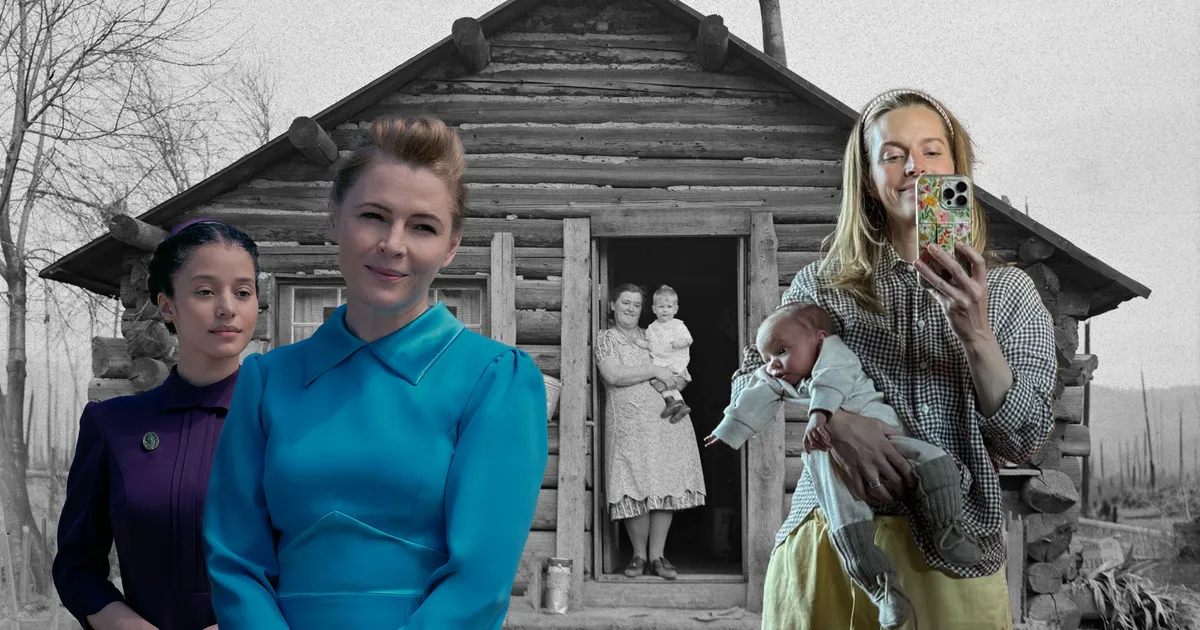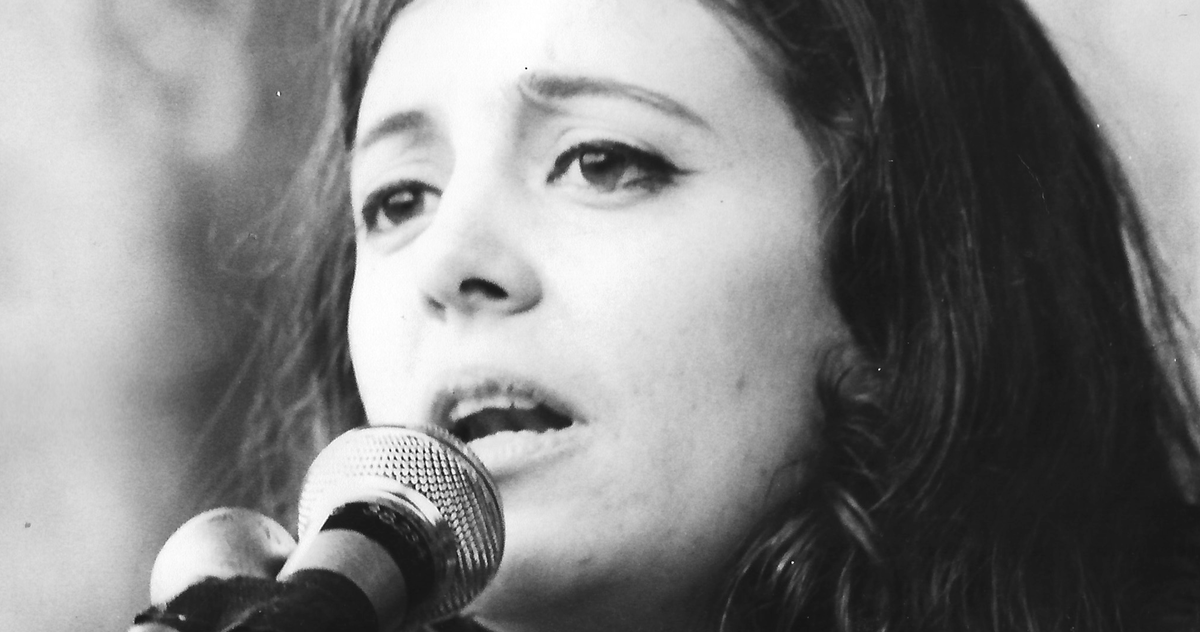
As part of America’s 250th anniversary, The New York Times spotlighted eight consequential Americans, examining their influence on the nation through the lens of their shortcomings. Among them was one of the U.S.’s most influential conservative women, Phyllis Schlafly, who mobilized millions of women in grassroots politics while raising six children.They insinuate Schlafly to be hypocritical because she was both a homemaker and mother while heavily involved in politics, running her organization, Eagle Forum. But no surprise there. The New York Times has long celebrated feminism while treating homemaking as an outdated pastime that women should outgrow. Anyone who did both successfully, well, they hate that too.Since Schlafly’s day, feminism has steadily redefined success for women. Marriage and motherhood gave way to careers, financial independence, and personal fulfillment as the new cultural ideals. Now, the explosive popularity of the trad-wife movement reveals that many women are questioning whether climbing the corporate ladder was ever the fulfillment they were promised.
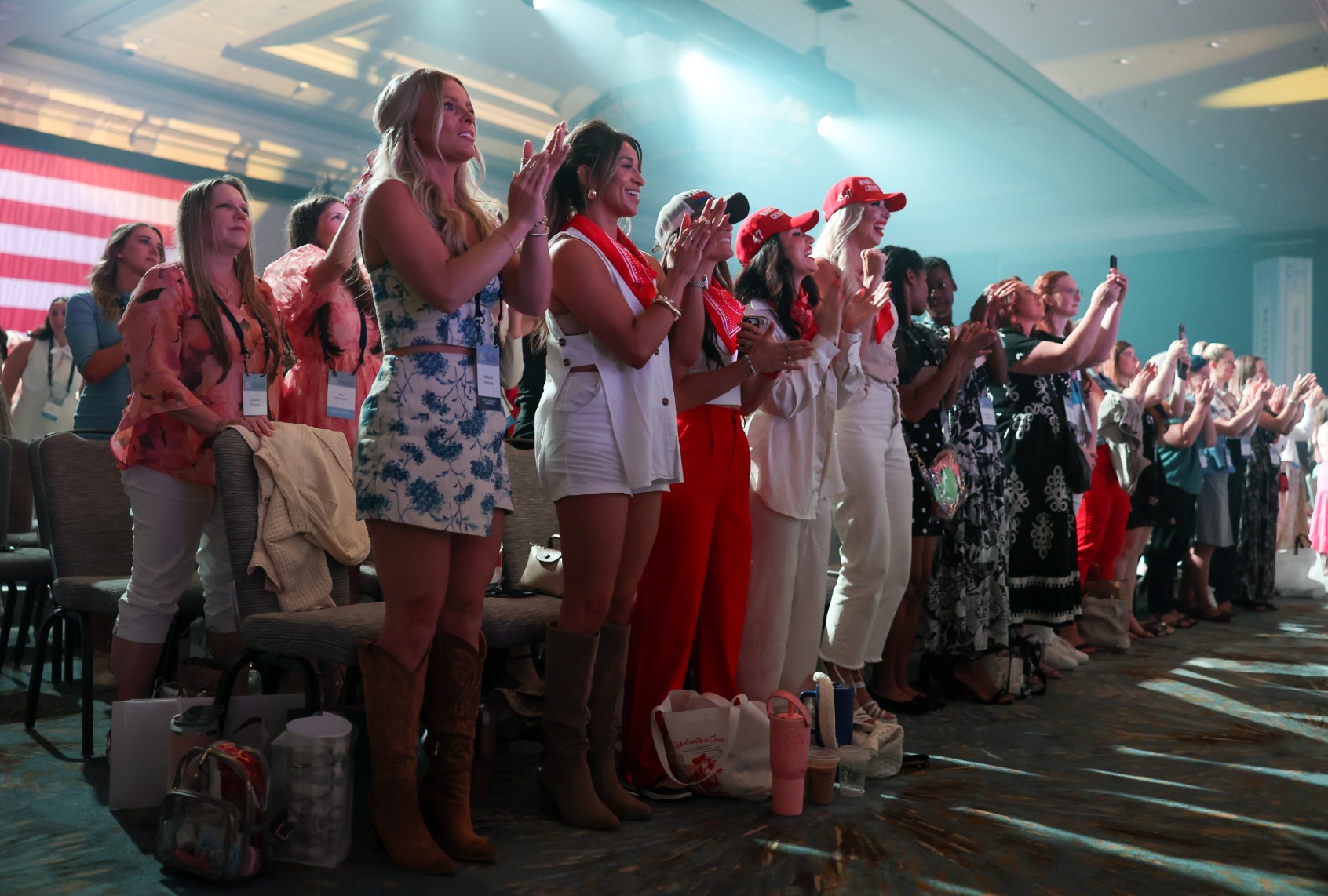
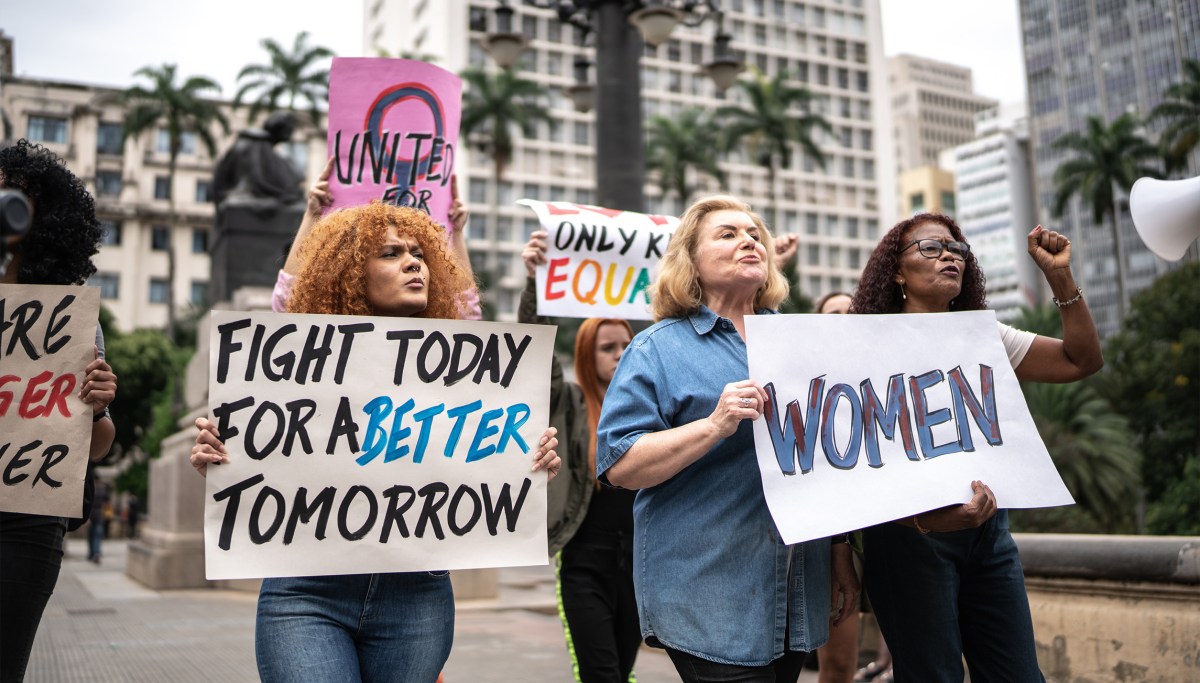
The Schlafly critiques reveal a broader cultural assumption: women must choose between their families and meaningful public influence. With women depressed, isolated, and unfulfilled now more than ever, the trad wife frenzy has become what many women feel is the only alternative to the soul-sucking life that their 9-to-5s offer. But like anything, the pendulum has swung too far in the other direction. As conservative women, we don’t have to falsely choose between modern feminism and the latest internet frenzy. It isn’t an either-or. Instead, we should embrace wholesome femininity, where we can embrace the freedom of cultivating our families, contributing to society, and joining the fight against wokeism targeting our innocent children.We should reject the false dichotomy that says we can only wear a bonnet or a blazer. Phyllis Schlafly exposed the false choice long ago, which her life reflected