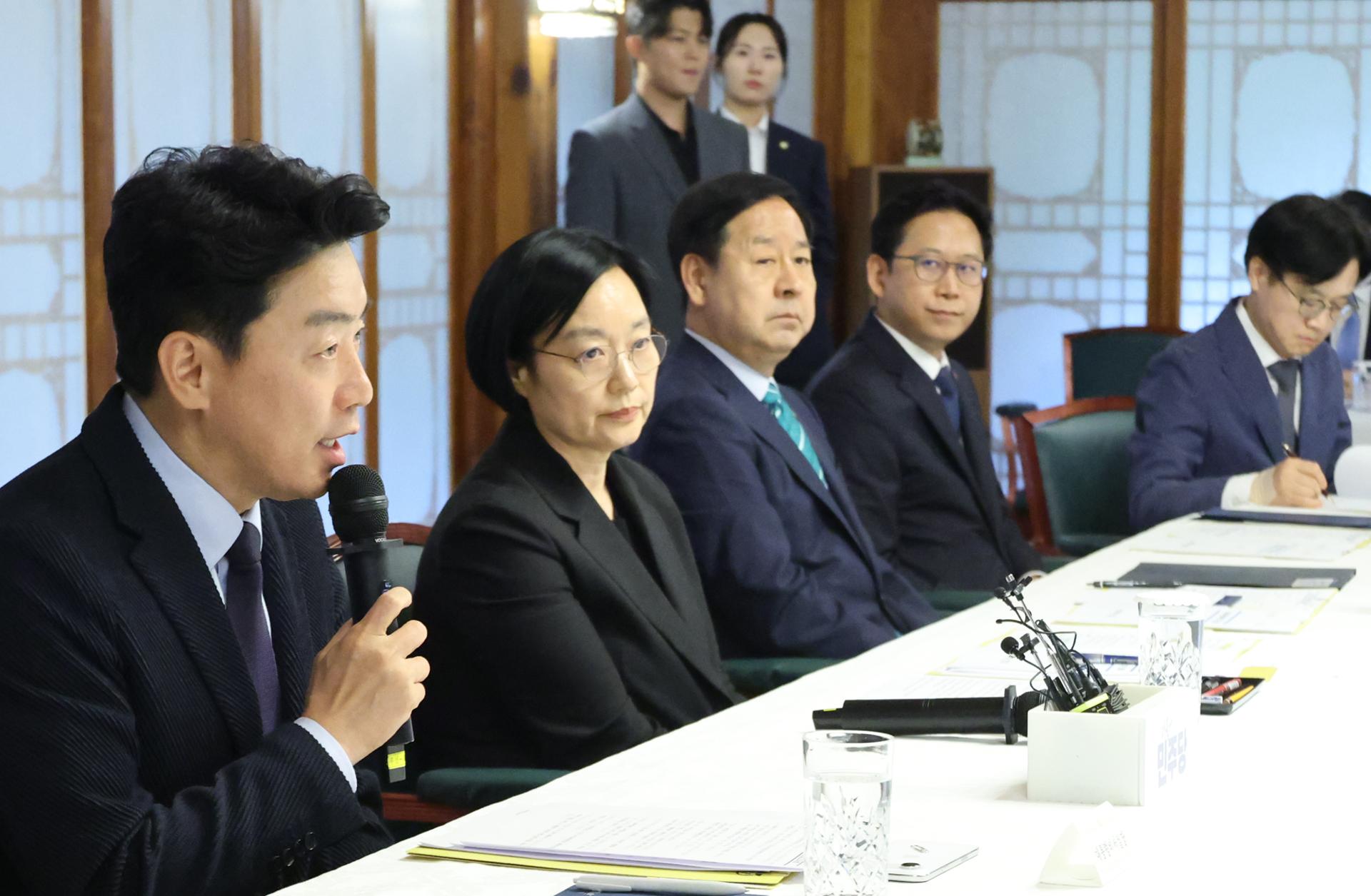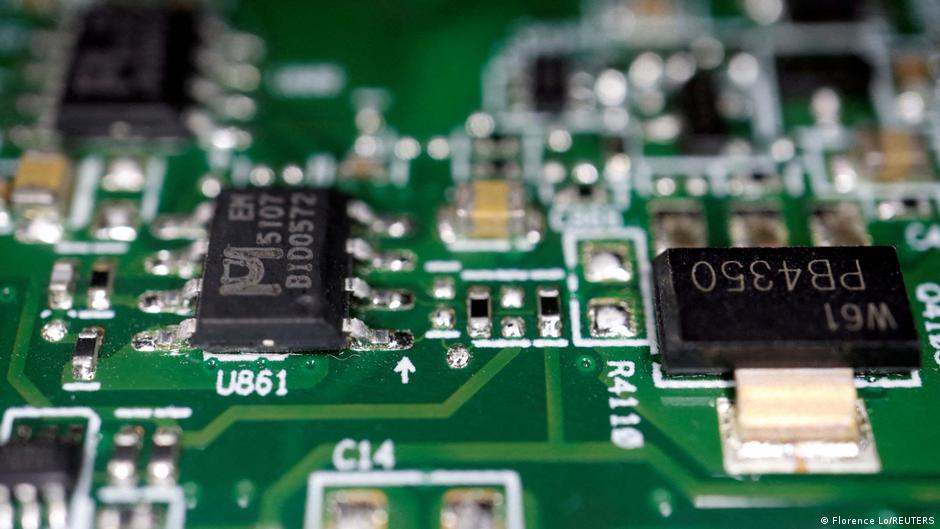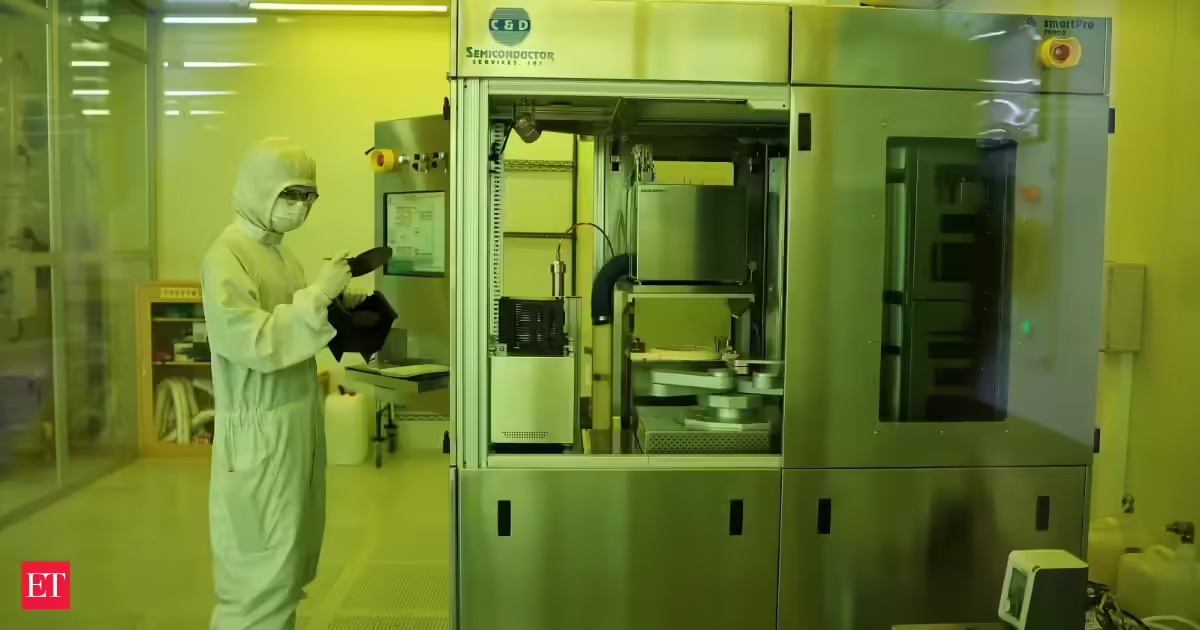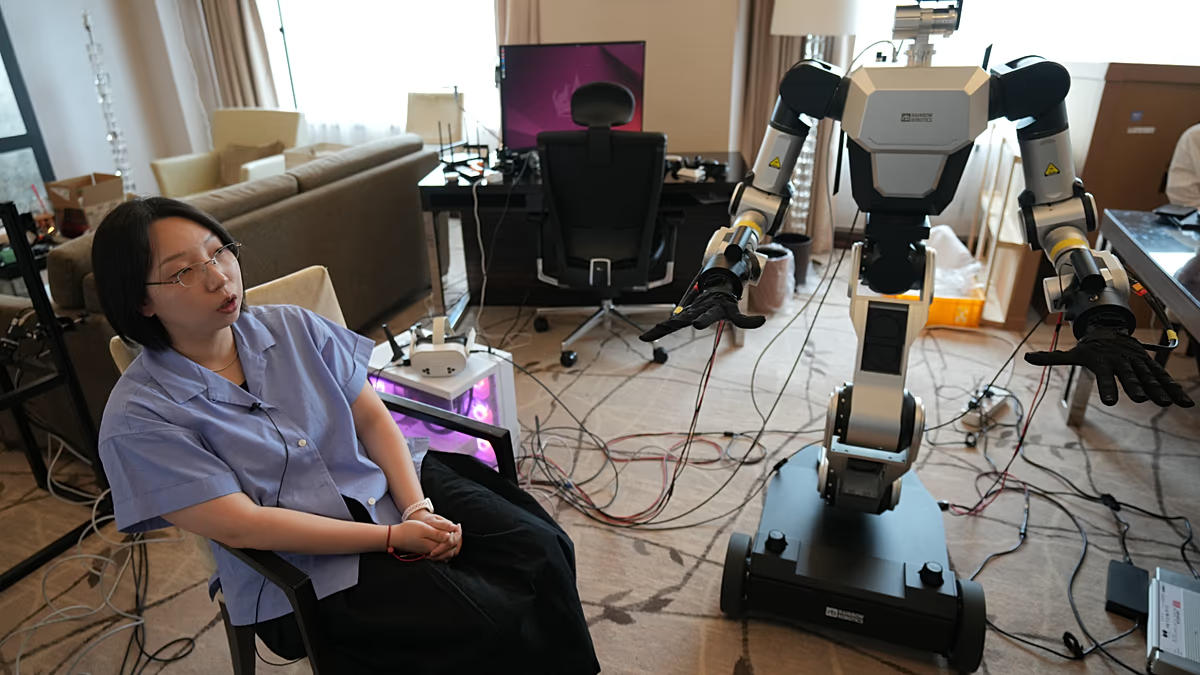
Presidential chief of staff Kang Hoon-sik (first from left) speaks during a meeting with the government and the ruling Democratic Party of Korea presided by Prime Minister Han Seong-sook (second from left) held in Seoul on Sunday. (Yonhap) The Lee Jae Myung administration plans to create a new investment fund financed by a tax windfall from the semiconductor boom.The proceeds will be channeled into artificial intelligence, advanced manufacturing and other long-term growth projects, according to the presidential office."The government seeks to establish a 'future response fund' so that additional tax revenue can be used as investment resources for future generations," Presidential Chief of Staff Kang Hoon-sik said during the ninth high-level consultation meeting attended by the government, the ruling Democratic Party of Korea, and the presidential office.Kang said the fund would become the foundation for realizing an "irreplaceable Korea" by supporting the three megaprojects: fostering new growth engines, addressing widening economic polarization, and expanding support for housing, startups and jobs for those in their 20s and 30s.The Lee administration unveiled a public-private investment blueprint on June 29 centered on three megaprojects spanning semiconductors, artificial intelligence data centers and physical AI.Kang added that the government would support other strategic industries, including biotechnology and aerospace, enabling them to expand beyond the Seoul metropolitan area through close cooperation with local governments and businesses.Kang also urged the ruling party to cooperate in passing key reform and livelihood-related bills during the second half of the year, saying legislation is essential to turning government policy into action.During the meeting, Prime Minister Han Seong-sook called for the government, the ruling party and the private sector to work as "a single team" to generate tangible results from President Lee's three flagship "megaprojects."Describing them as a long-term strategy to secure South Korea's competitiveness in the AI era, Han said the projects would form the backbone of the country's growth over the next three decades."They present a vision for the country's future, and in the second half of this year we must work together to turn that vision into concrete results."Sunday's meeting marked the first high-level consultation between the government, the ruling party and the presidential office since Han officially took office as prime minister on July 1.She said South Korea's experience in industrialization and digital transformation provides a strong foundation to lead the AI era, adding that the projects could usher in "a new era of growth," much as highways and broadband infrastructure powered the country's rapid economic development in previous decades.Han also urged the National Assembly to swiftly pass legislation aimed at reviving the economy, saying bills directly tied to improving livelihoods should be enacted as soon as possible.Her remarks came as the presidential office sought to fend off growing opposition criticism that the projects are politically motivated investments benefiting regions favorable to the ruling party.Ruling Democratic Party of Korea Floor Leader and acting party leader Rep. Han Byung-do also pledged to accelerate legislation supporting the Lee administration's agenda, saying the party would focus on passing key government bills by the end of the year."The period through December will be the golden time that determines the success or failure of the Lee Jae Myung administration," Rep. Han said during the meeting.Calling the three mega projects "a historic decision that will transform South Korea's future," Rep. Han said the party would provide legislative and budgetary support through its dedicated task force and was considering upgrading the body into a formal committee chaired by the party leader or floor leader to speed up implementation.The mega projects have drawn criticism from the opposition, which argues that the investment blueprint is driven more by political considerations than economic priorities and disproportionately favors the southwestern Honam region, a longtime Democratic Party stronghold.Under the plan, the southwestern Honam region would receive 896 trillion won ($585.6 billion) in investment led by Samsung Electronics, SK hynix and Amkor Technology Korea. South Korea's central Chungcheong region and southeastern Yeongnam region are set to receive 392 trillion won and 312 trillion won, respectively, through projects involving major companies including Samsung, SK, Celltrion, Hanwha, Hyundai Motor Group, Doosan and LG.
Seoul to finance AI-era growth with fund drawn from chip tax windfall
The Lee Jae Myung administration plans to create a new investment fund financed by a tax windfall from the semiconductor boom. The proceeds will be channeled in
682 words~3 min read