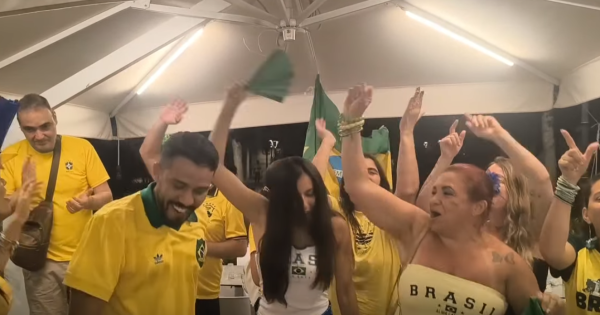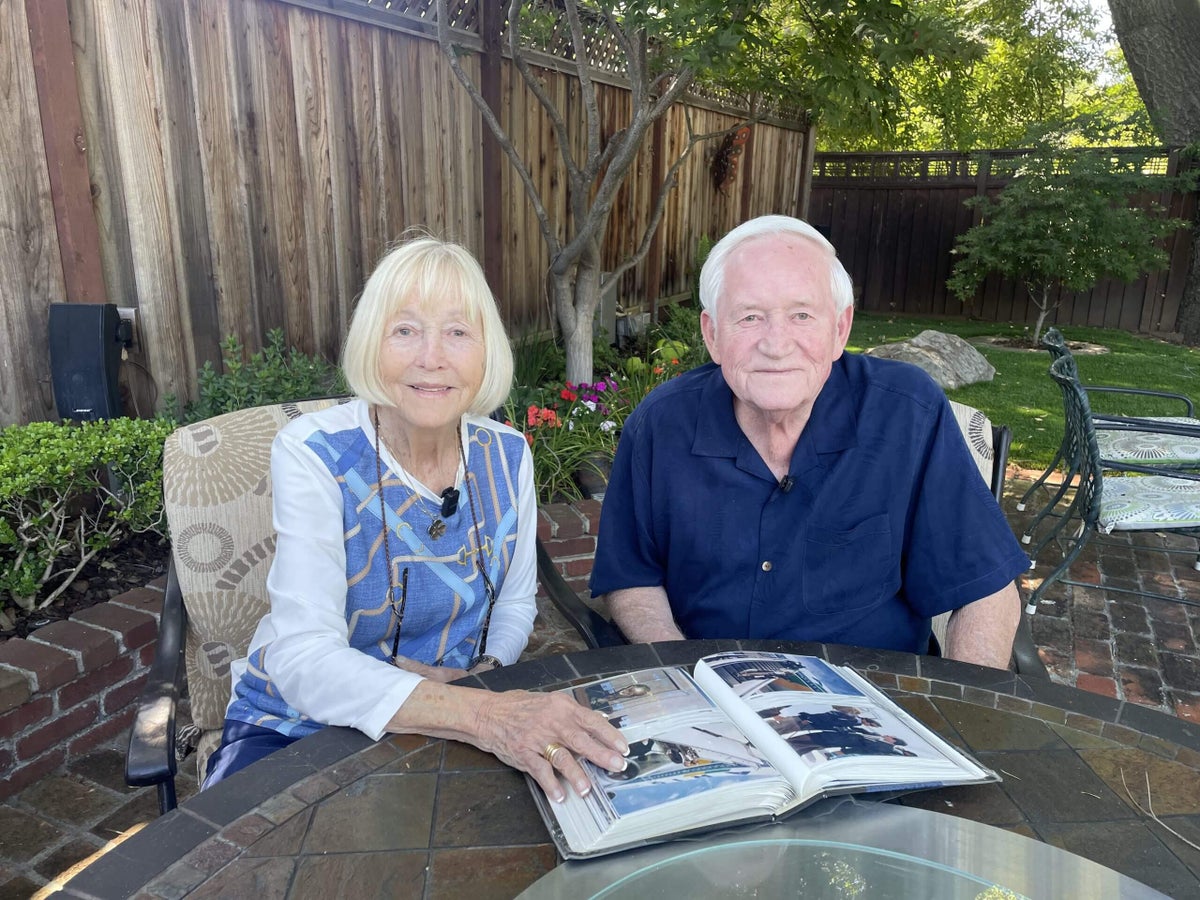
North Santa Cruz Avenue was awash with yellow and green.Brazilians were dancing the samba, drinking, beating their drums and singing “Ole, Ole” as they filled every inch of the main street of Los Gatos. It was carnivalesque chaos. At 2am, Mayor Randy Attaway lay in bed, praying for quiet, fearful of the locals’ complaints. But they never came.In the quaint, sleepy town of Los Gatos, the gateway to the Santa Cruz Mountains and the beaches of Monterey and Santa Cruz, California, fans of Brazil’s 1994 World Cup team had taken over.Residents, speaking to The Athletic 32 years on, say they had never seen anything like it before and will never see anything like it again. “They lit this town on fire,” says Attaway. “In a positive way.”Los Gatos, a once agricultural town with a population of just 27,000, was not initially on the list of the 1994 World Cup team bases.But after stopping for lunch in the area where Silicon Valley entrepreneurs, like Apple co-founder Steve Wozniak, resided, Brazil preferred this low-key option compared to the larger cities nearby of San Francisco or San Jose.Hotel Villa Felice, just over a mile from downtown and with a single entrance, suited the squad’s need for privacy. Before the tournament, the country’s football federation president Ricardo Teixeira invited Attaway and his wife to visit Brazil. Attaway agreed to provide the team with police protection and ensure they were well looked after.“The mayor promised a lot of good things,” says MarLyn Rasmussen, Los Gatos’ former senior deputy clerk. But there was no budget to meet Brazil’s requirements, such as transport and security. Rasmussen recruited volunteer drivers and secured sponsorship via Santa Cruz Operation to loan a bus.MarLyn Rasmussen at her Los Gatos home (Charlotte Harpur/The Athletic)Upon the team’s arrival in Los Gatos, Rasmussen, now 88, recalls meeting them at the town hall to accompany them to their hotel.She boarded the bus and welcomed them. The driver started the engine. “Stop!” said Brazil manager Carlos Alberto Parreira. He pointed at Rasmussen. “You, go! Not on my bus, not with my boys!”“That was my first indication as to where my place was going to be,” says Rasmussen.While the locals partied in Los Gatos, Rasmussen ensured the team’s stay ran smoothly, remaining at their beck and call at any hour of the day.Leading the convoy in her car, flanked by two motorcycle officers loaned to the town, Rasmussen escorted two buses — one carrying the players and staff, the other their equipment — on the drive to Santa Clara University’s campus. “This is unreal,” Rasmussen, responsible for their security, thought. “I have a busload of young men worth millions of dollars.”Driving down the highway on their return from practice one day, her phone, loaned to her by the police, rang. The team bus had broken down. “Oh my god, get back in!” came the driver’s voice down the line.The “boys”, as Rasmussen called them, were out on the freeway, playing football. Cars honked as traffic slowed to catch a glimpse of stars including Romario and a 17-year-old Ronaldo.A replacement vehicle came and as the players later stepped off that bus, their heads hung low.“Are you mad?” they asked Rasmussen. “Don’t you ever do that again or I’m going to smack your butts!” she replied.The players turned around with a smile: “OK, Los Gatos Mamma.” And that affectionate name stuck.Meanwhile, the traditionally “socially conservative” and “uptight” town, in local Jason Sherry’s words, finally “let its hair down”.“I’ve never seen such passion, and passion for football, in my life,” adds fellow resident Chris Verna. “It was like we were in the stadium but we were on the streets.”Every time Brazil won, tournament fervour grew.“It was the first time I realised I needed to pay attention to the World Cup,” says Denise Gollaher, 24 at the time. “It caught us off guard. We knew the World Cup was happening but it wasn’t part of us. We were 49ers (NFL), Giants (baseball), Sharks (ice hockey) fans.”Streets were blocked off to cars as fans flooded restaurants and bars, dancing on the tables and chairs of Willow Street Pizza while Gardino Fresco, an Italian restaurant, sold out of food, beer and wine.Brazil fans outside Willow Street Pizza in Los Gatos in 1994 (Attaway collection)“It felt like all of Brazil was staying here in Los Gatos,” says Verna.But it was not just the Brazilians. Americans joined in, too. Business boomed as crowds 10 deep queued for beer at Los Gatos Brewing Company, owned at the time by Ted Wallace.
When Brazil’s World Cup winners took over Los Gatos in 1994: ‘They lit this town on fire’
The Athletic talks to those who remember how a sleepy California town became the centre of a Brazilian party 32 years ago
1,950 words~9 min read