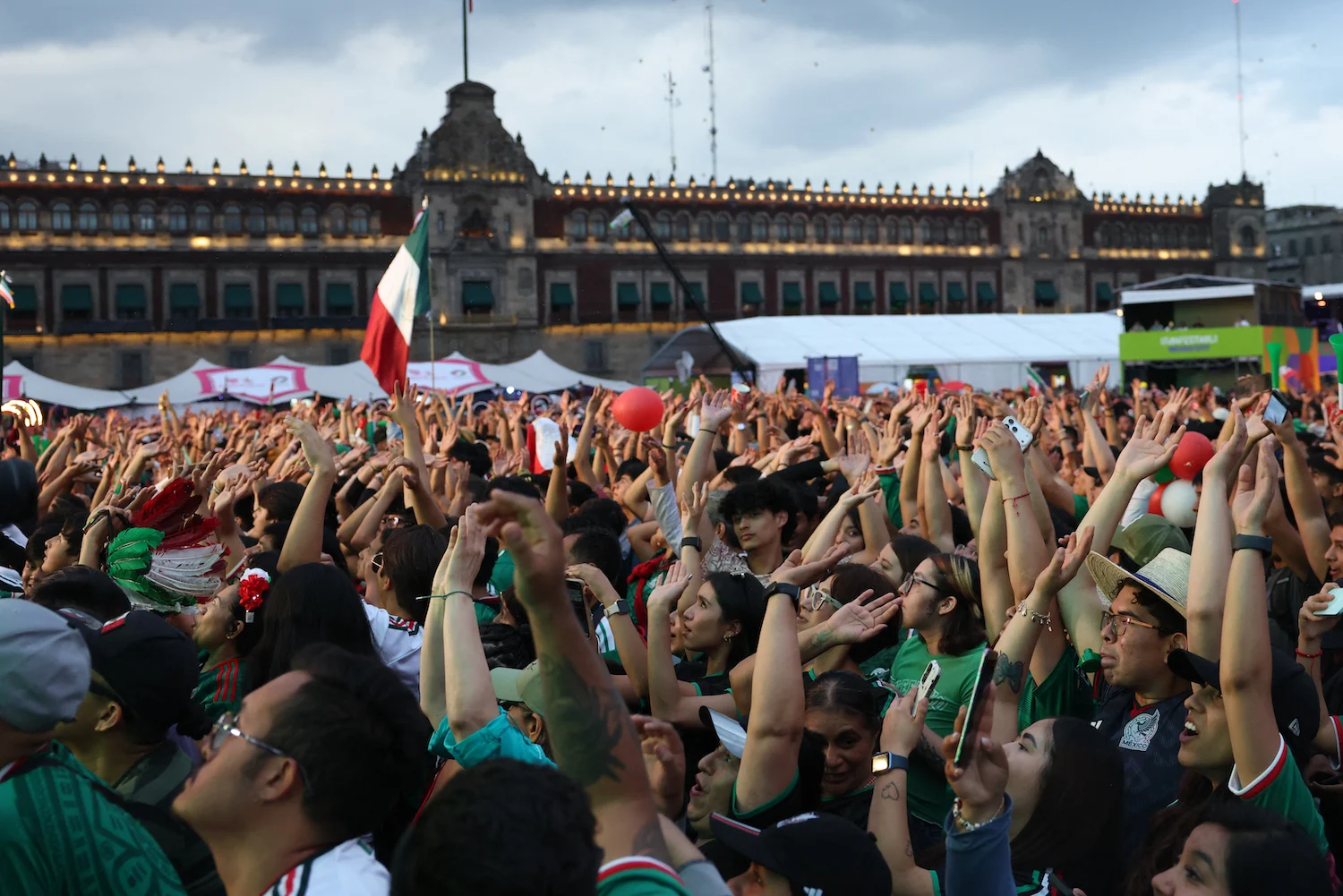
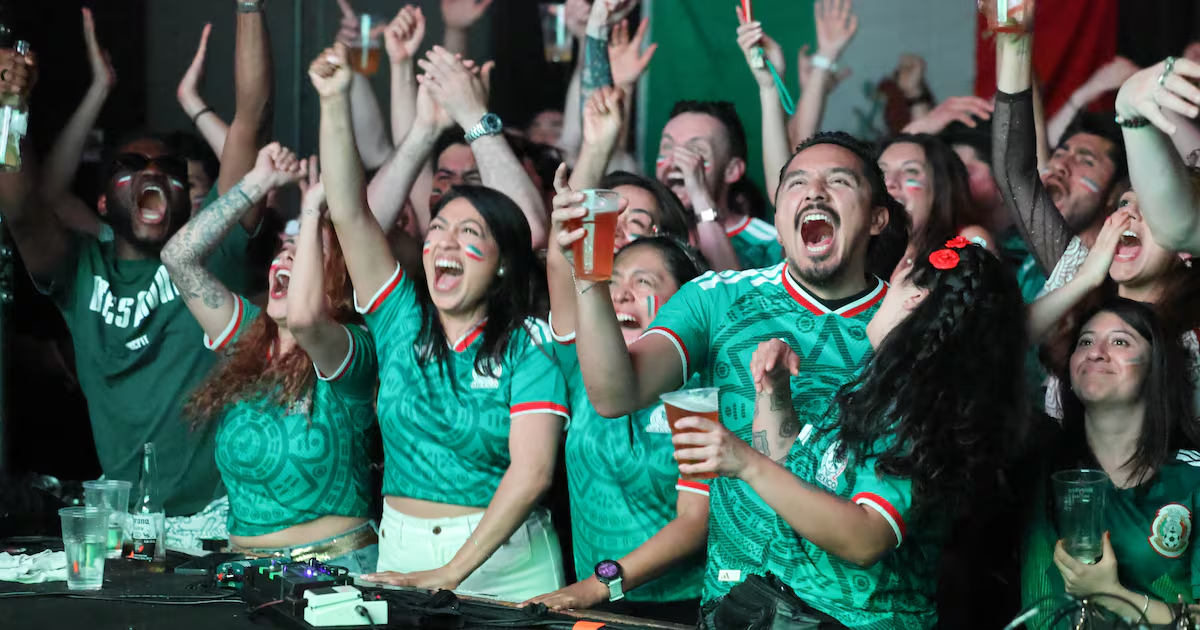
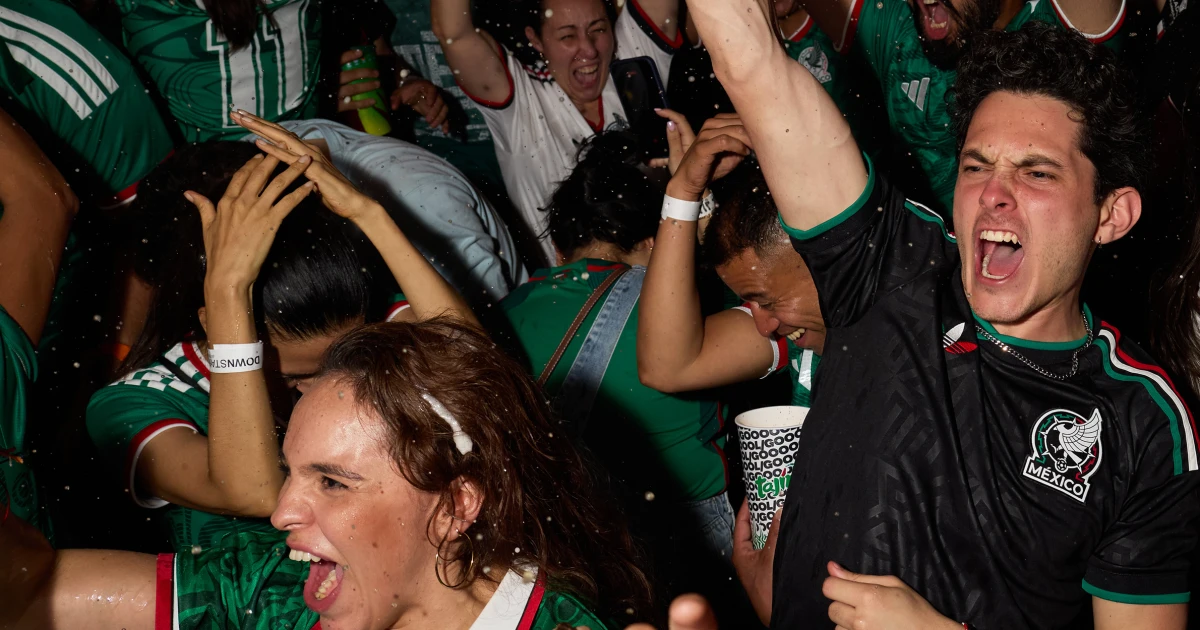
In this story, Roberto José Andrade Franco visits Woodburn, Oregon: a small town between Portland and Salem where Latinos, many descended from World War II-era farmworkers, make up 61.4% of the population and own 95% of the businesses downtown. Franco paints a multi-layered portrait: the food truck El Pariente Mariscos y Mas; a beloved coffee shop, Café La Onda, shuttered for good; a community still shaken from last fall’s ICE raids. As Mexico’s first World Cup match approaches, the mood in Woodburn is optimistic but fragile—joy shadowed by fear, uncertainty over whether it’s safe enough to show up and celebrate. Franco, who grew up on the US-Mexico border in El Paso, unexpectedly finds familiarity and connection in the “cold and gray of western Oregon”—in the hard work, the resilience, and the pride of a community that claims both its Latino roots and this American home.
“A Chicano’s a person that has a clear conscience about having two cultures,” Hernandez says. Like the butterflies he paints, Chicanos are from both here and there. That’s everywhere in Woodburn. From bilingual signs on stores to how soccer players and coaches communicate on the pitch, which some opponents don’t understand.