Can Nigeria’s record 2026 budget deliver as the second half of the year begins?
Festus Akanbi examines BudgIT’s analysis and the tough questions it raises
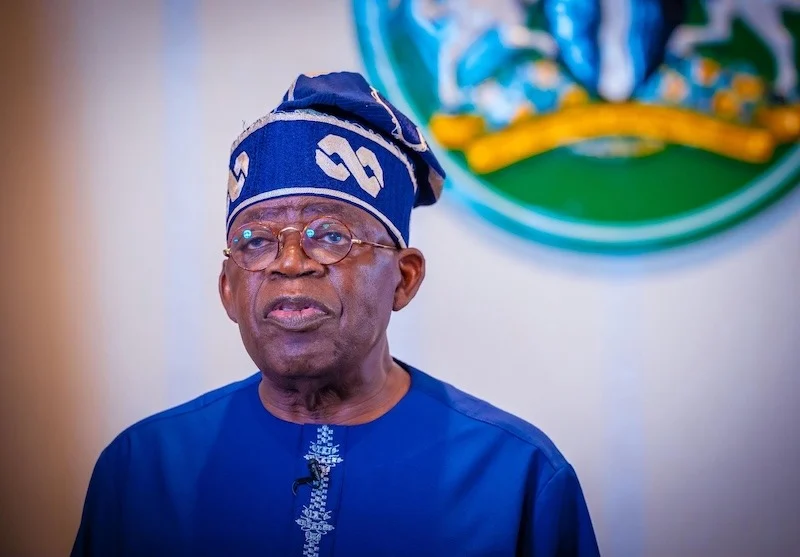
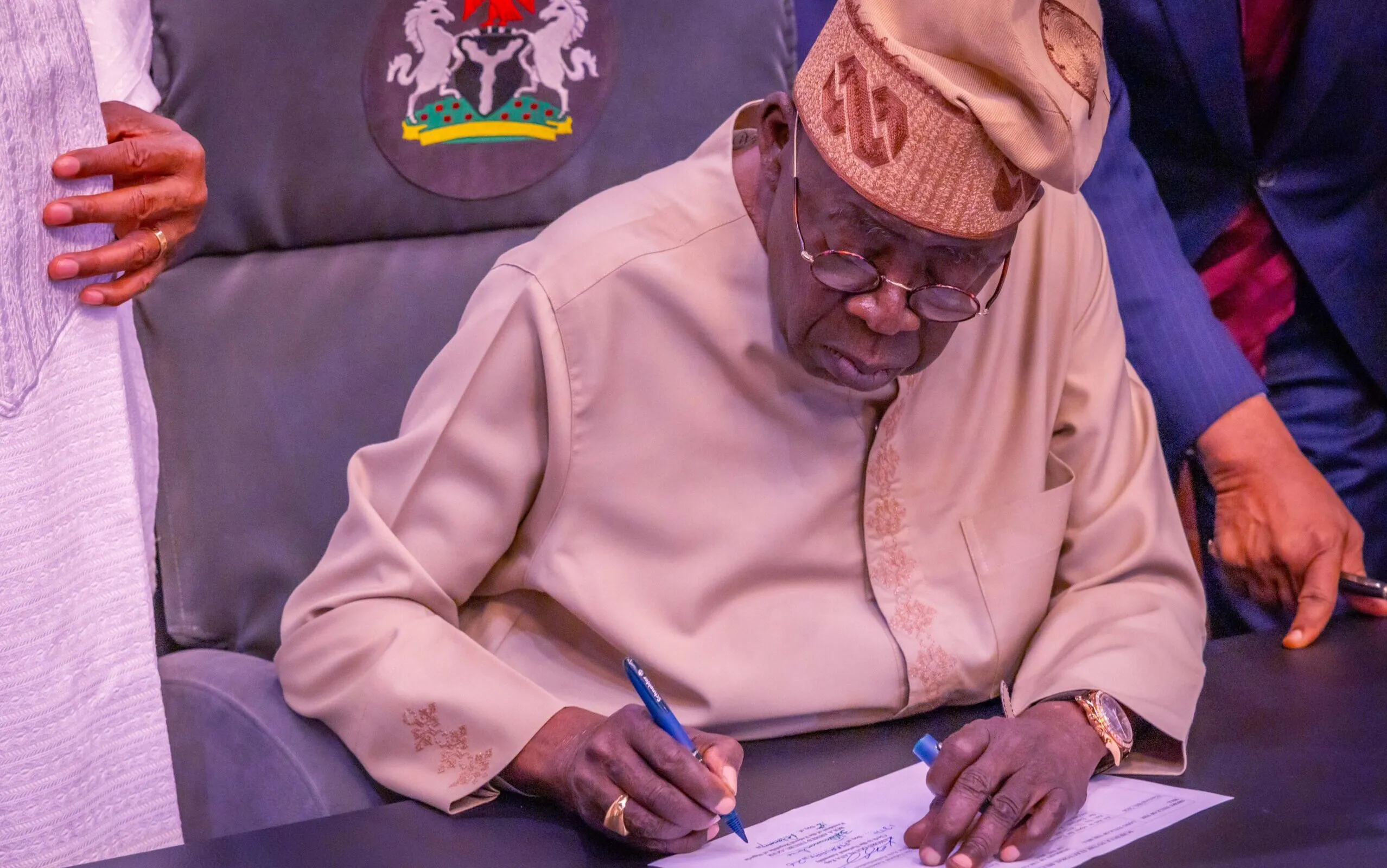
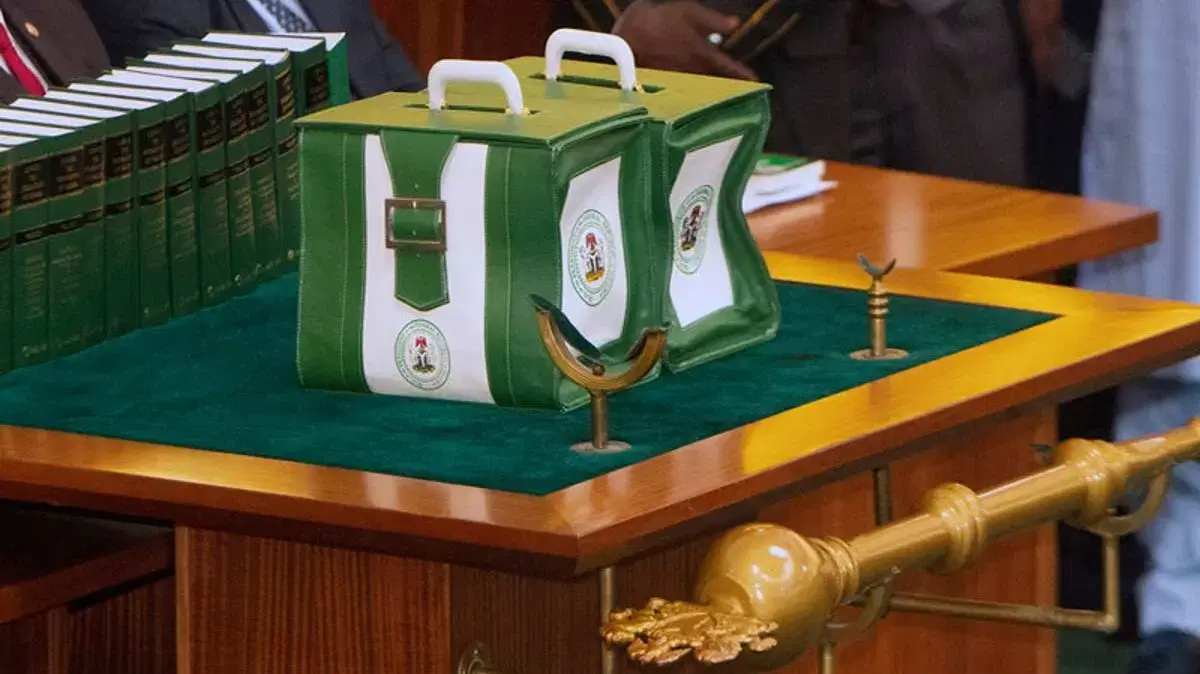
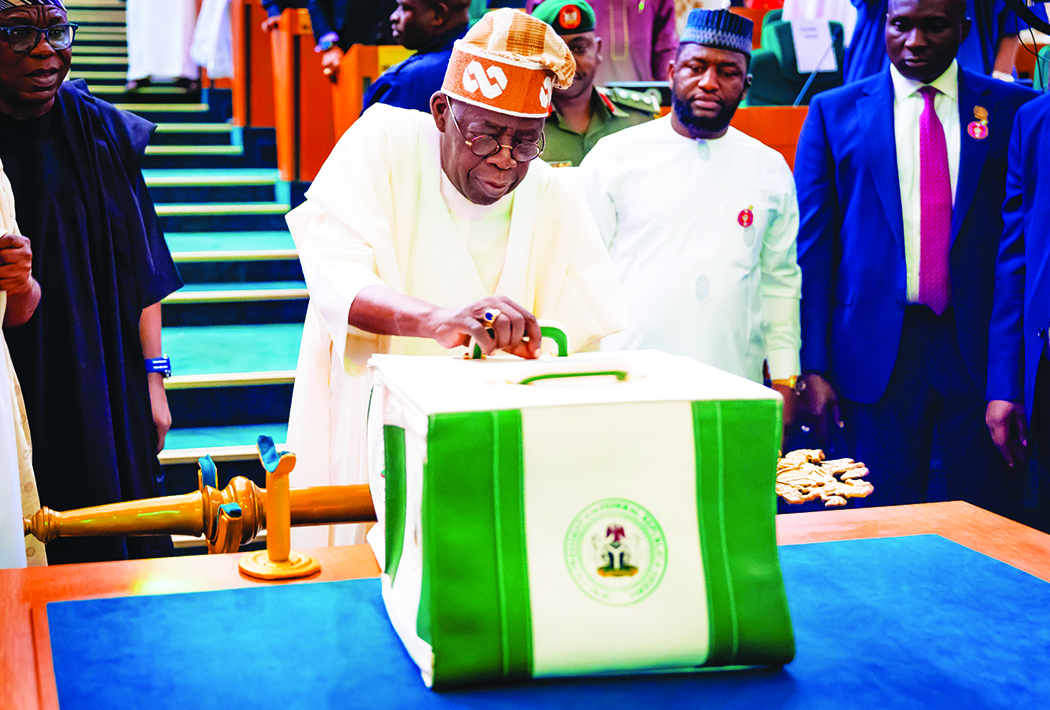
When President Bola Ahmed Tinubu signed the N68.32 trillion Appropriation Act for 2026 into law, Nigeria crossed another fiscal milestone. Never before has the country approved a budget of such magnitude. The record spending plan reflects the government’s determination to sustain economic reforms, expand infrastructure, strengthen security, and stimulate growth. Yet beneath its impressive size lies a more fundamental question: can Nigeria realistically finance its most ambitious budget ever?
That question has increasingly occupied economists, development experts, and fiscal transparency advocates. Among the most vocal is BudgIT, the civic technology organisation renowned for scrutinising public finances. Its assessment raises concerns not about the desirability of higher public investment but about the credibility of the assumptions underpinning the fiscal framework. According to the organisation, the budget exposes a widening disconnect between government ambition and fiscal reality.
The figures illustrate the challenge. While total expenditure is projected at ₦ 68.32 trillion, expected revenue is N36.87 trillion, leaving a financing gap of N31.45 trillion. In effect, projected revenues can finance only 53.9 per cent of planned expenditure, meaning almost one out of every two naira government intends to spend must come from borrowing and other deficit-financing sources. The projected fiscal deficit amounts to about 6.4 per cent of Gross Domestic Product, more than double the 3 per cent ceiling prescribed by the Fiscal Responsibility Act.