The International Monetary Fund (IMF) has expressed concern over gaps in Nigeria’s recent fiscal accounts, saying public spending equivalent to about two per cent of the country’s Gross Domestic Product (GDP) was not captured in official budgets, resulting in a mismatch between the reported fiscal deficit and the government’s actual financing needs.
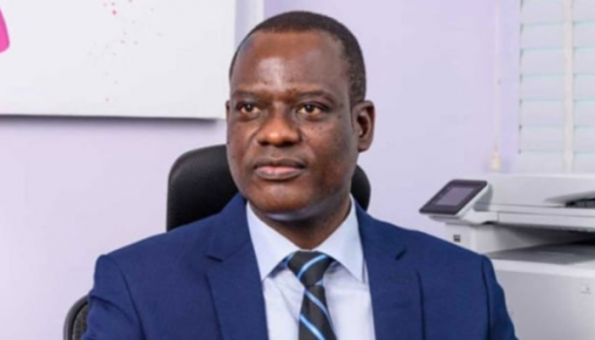
The IMF’s Resident Representative in Nigeria, Christian Ebeke, disclosed this on Wednesday during a meeting with business executives in Lagos.
According to Ebeke, the omission means Nigeria’s fiscal deficit appears lower than it actually is because some government capital expenditure was neither reflected in budget documents nor included in implementation reports.
“So far we think that there are about 2% of GDP of expenditure that were not reported that should be reported and should be recorded, so that this statistical discrepancy will disappear,” he said.
He explained that part of the unreported expenditure was tied to major government projects executed outside the formal budget framework, making it difficult to accurately assess the country’s fiscal position and the scale of public investment.