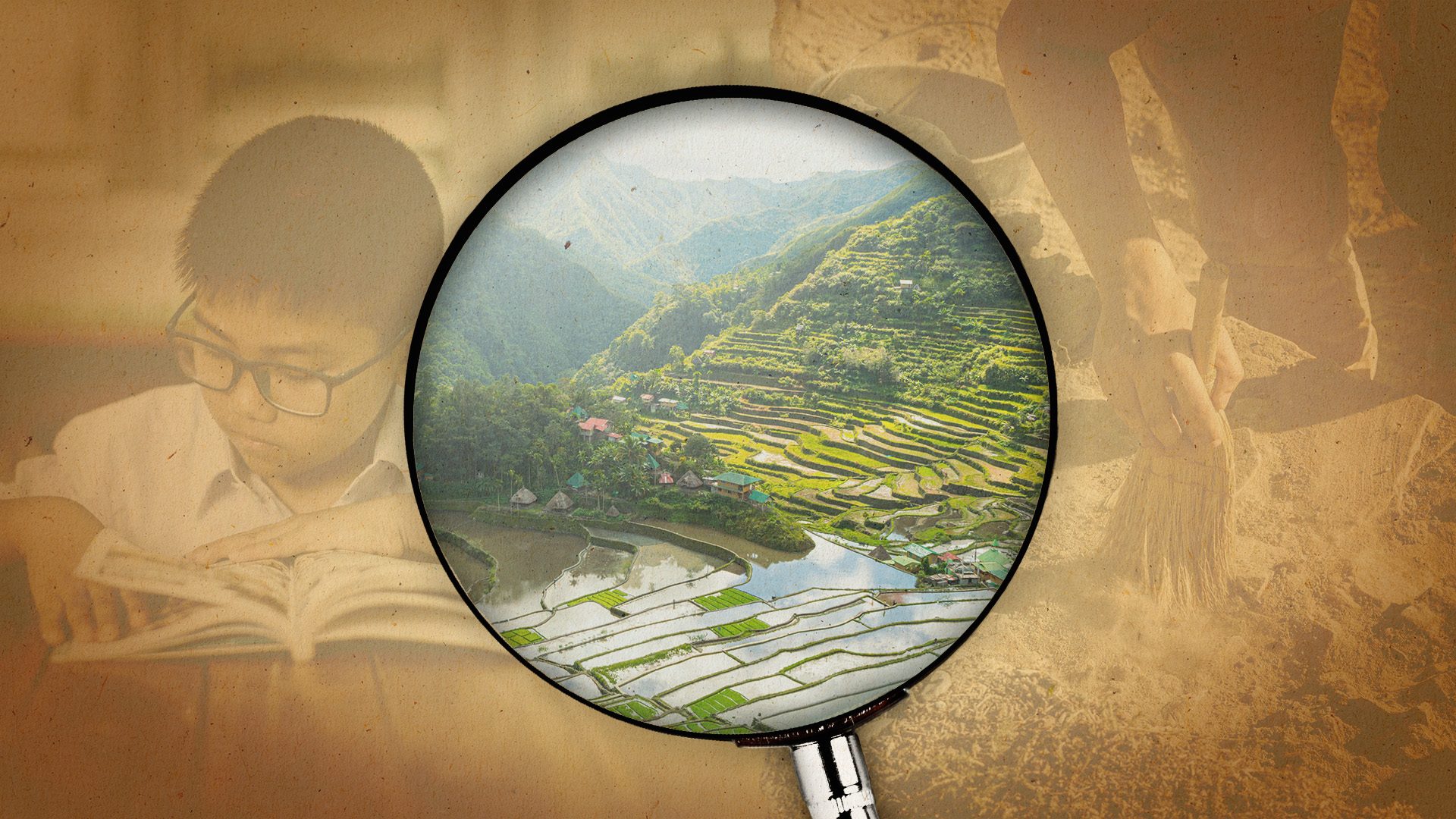
A trowel (/ˈtraʊ.əl/), in the hands of an archaeologist, is like a trusty sidekick – a tiny, yet mighty, instrument that uncovers ancient secrets, one well-placed scoop at a time. It’s the Sherlock Holmes of the excavation site, revealing clues about the past with every delicate swipe.
In one Tao story, a boy on Orchid Island finds a crate washed ashore. Inside is a girl from Batanes. Her father had placed her in the sea during a famine, hoping the current would carry her to another life. The boy brings her home. She marries into the community. Their children become ancestors.
In another story, an Ivatan man travels north in search of a widow on Orchid Island. He marries her, returns with her to Batanes, then comes back to Orchid Island when famine strikes. Other stories speak of trade in cowhide, gold, hooks, yam, and fish. They speak of friendship between Tao and Ivatan men, and of quarrels that ended visits across the Bashi Channel.
These are histories carried in story, memory, boat-building, language, and kinship.
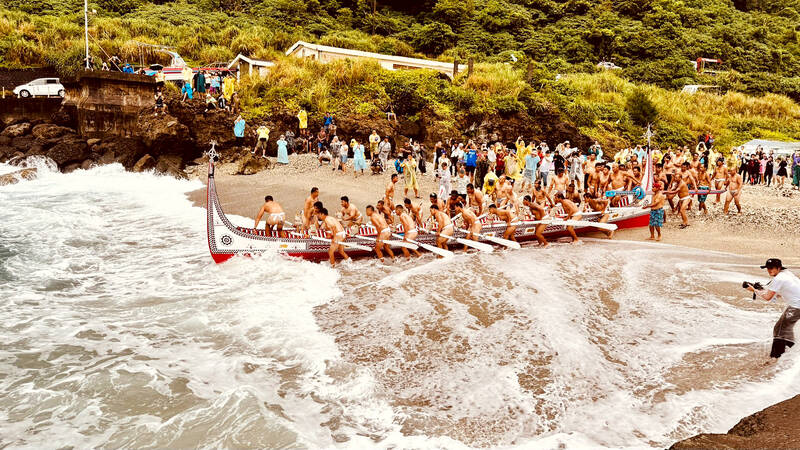
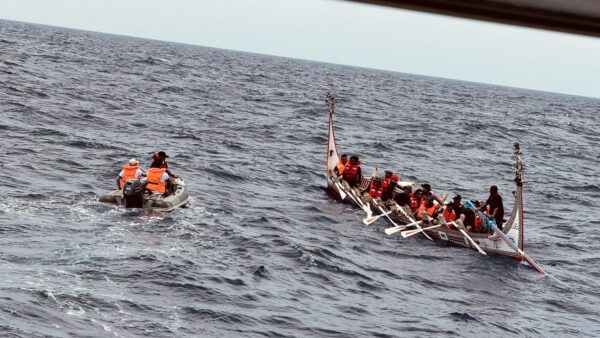
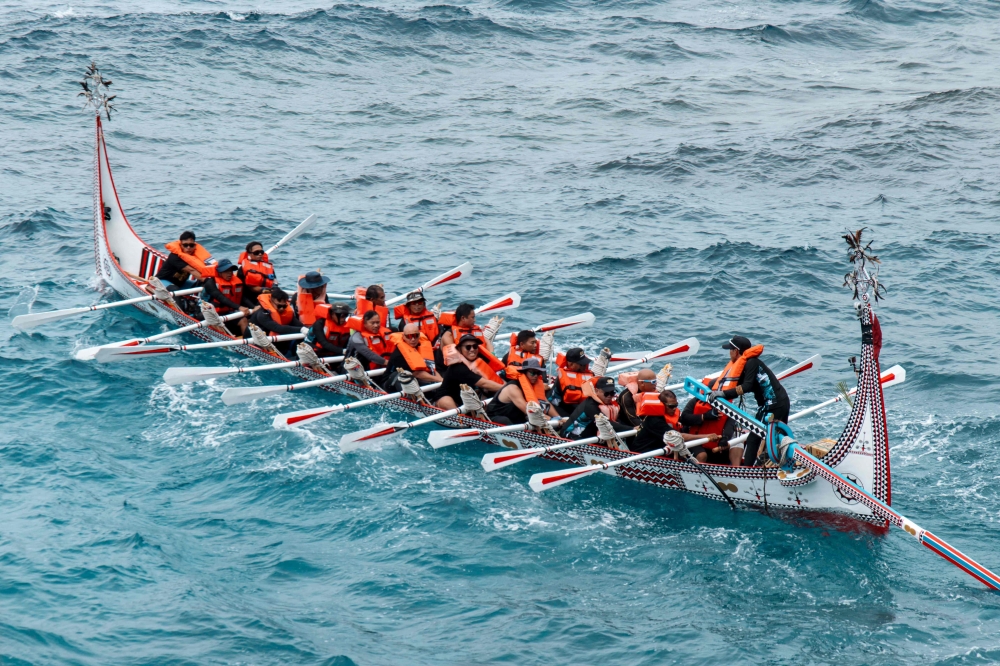
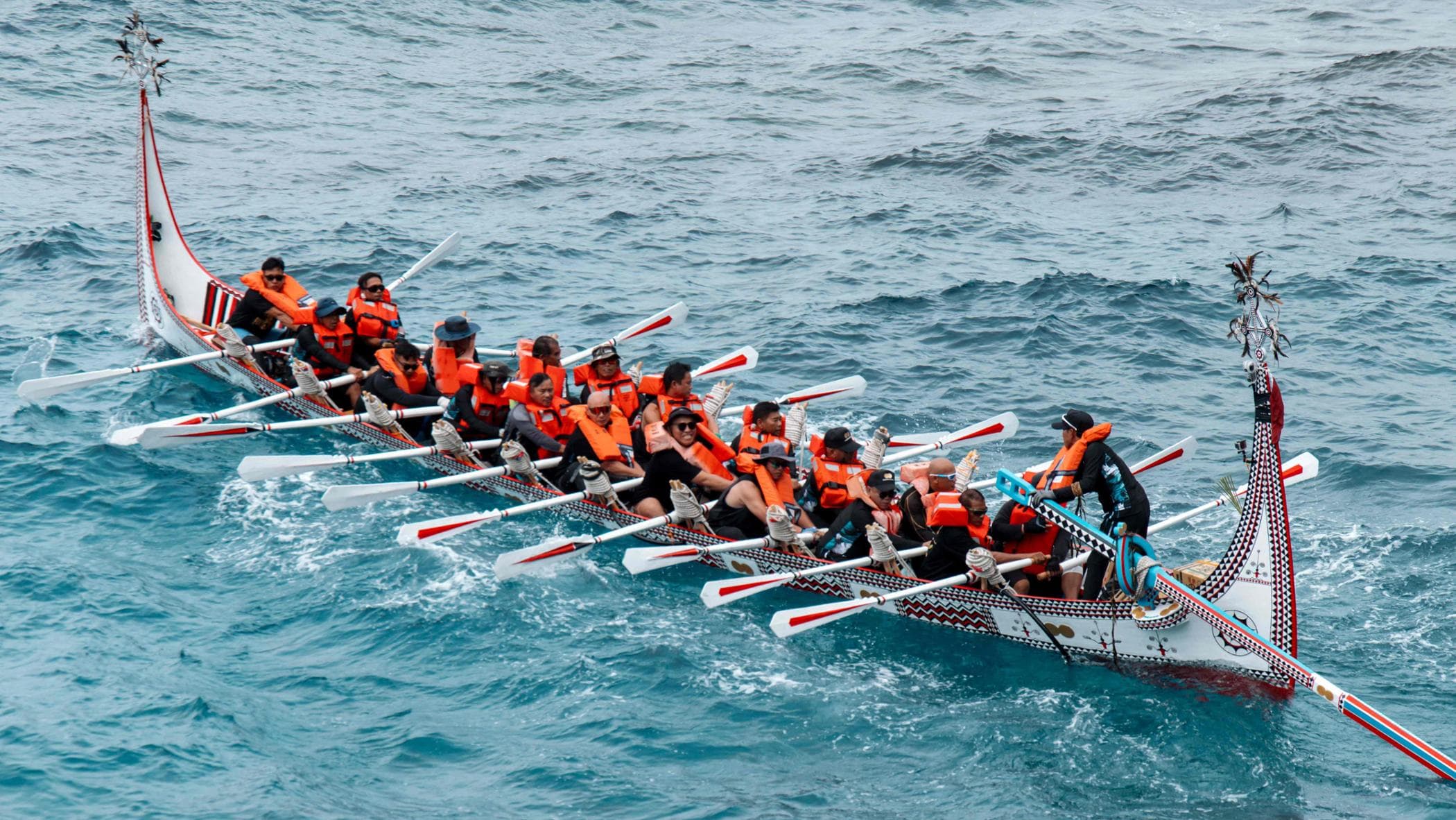
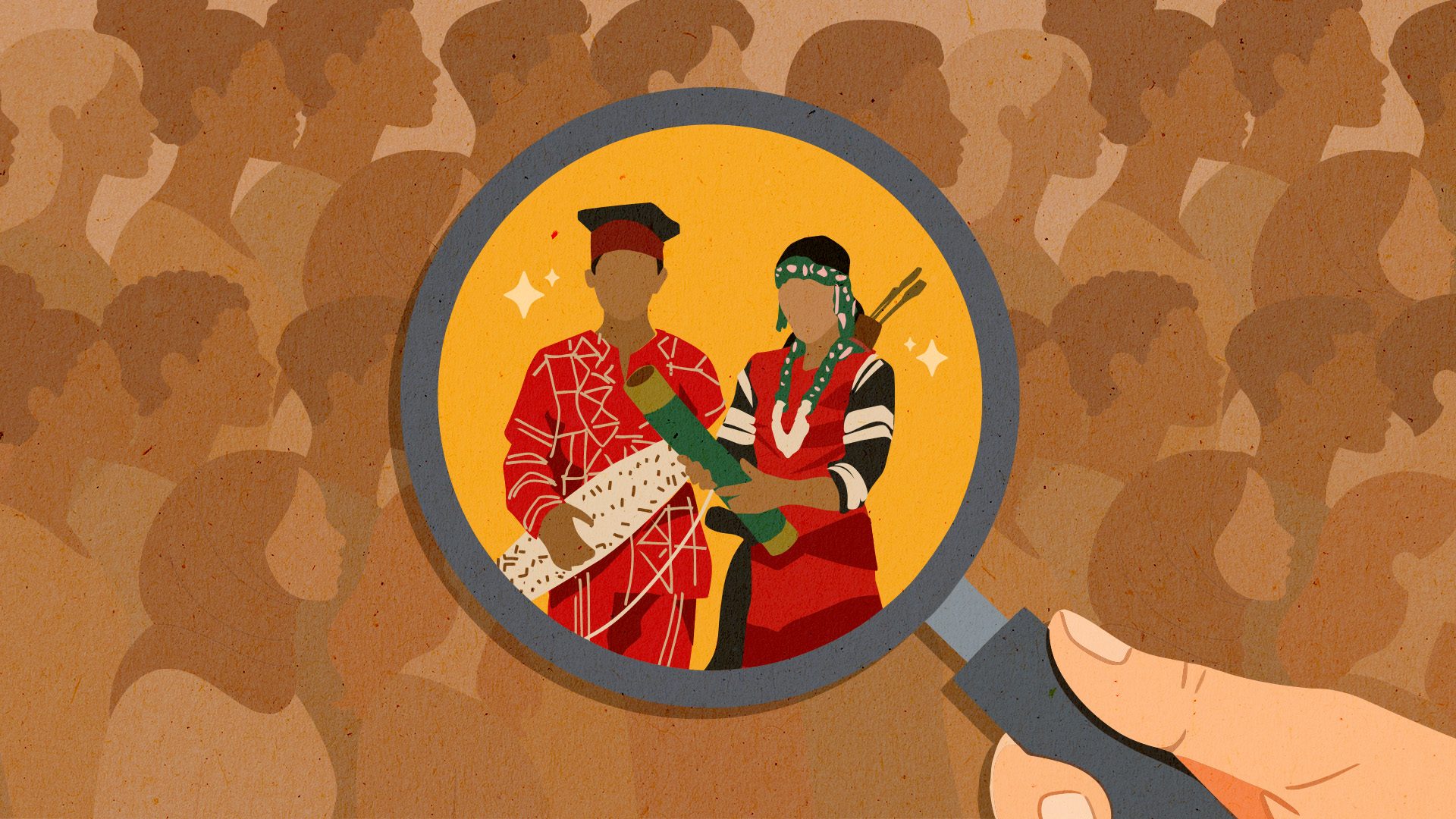
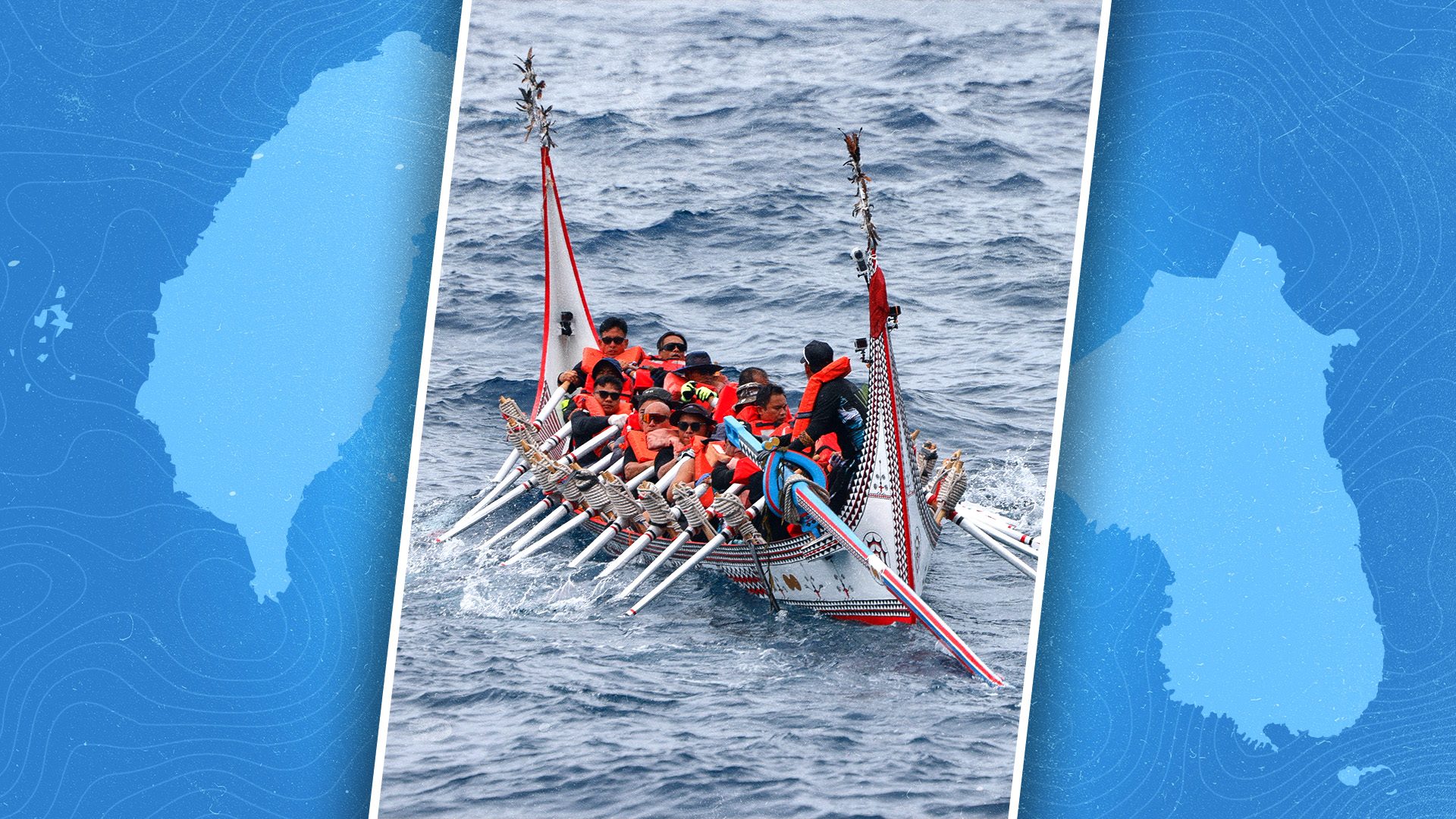
When a Tao vessel crossed from Lanyu to Batanes on June 16, 2026, it renewed a relationship that already had its own stories and obligations. The Tao and Ivatan already had accounts of travel, marriage, exchange, famine, friendship, conflicts, and disconnection. Their languages remain more than 80 percent mutually intelligible. Their elders continue to recognize kin across the water.