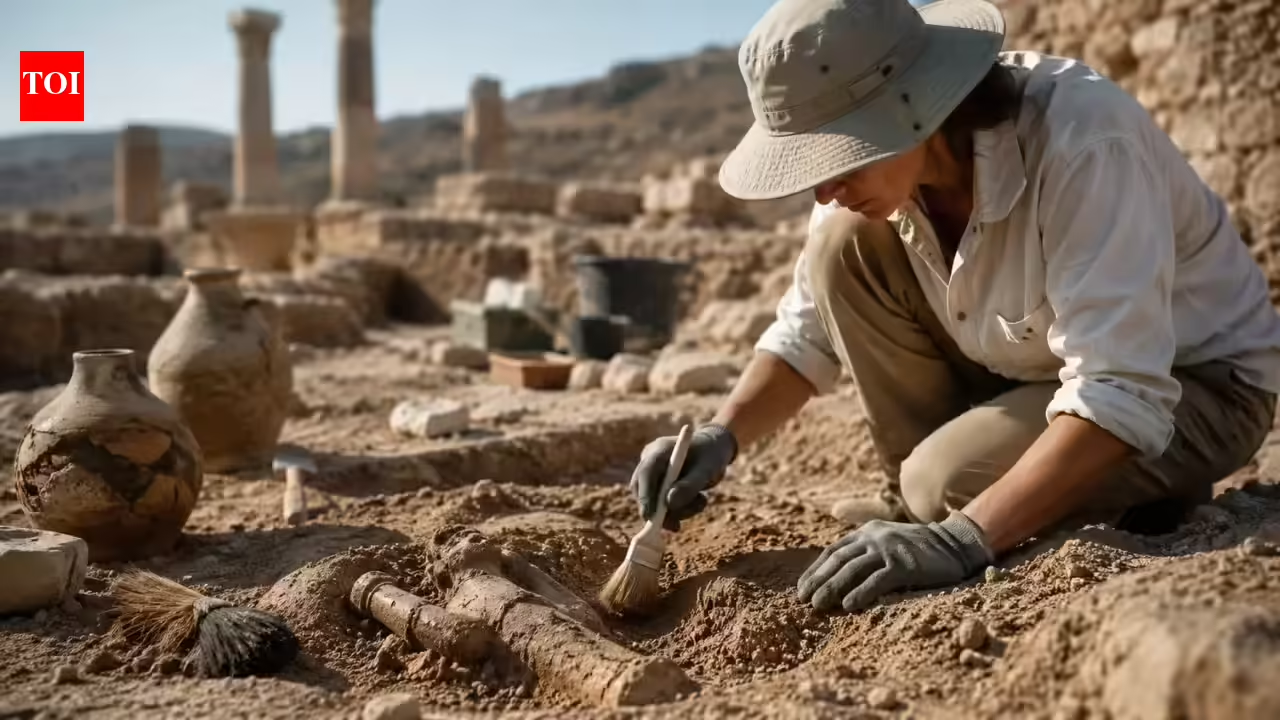
A trowel (/ˈtraʊ.əl/), in the hands of an archaeologist, is like a trusty sidekick – a tiny, yet mighty, instrument that uncovers ancient secrets, one well-placed scoop at a time. It’s the Sherlock Holmes of the excavation site, revealing clues about the past with every delicate swipe.
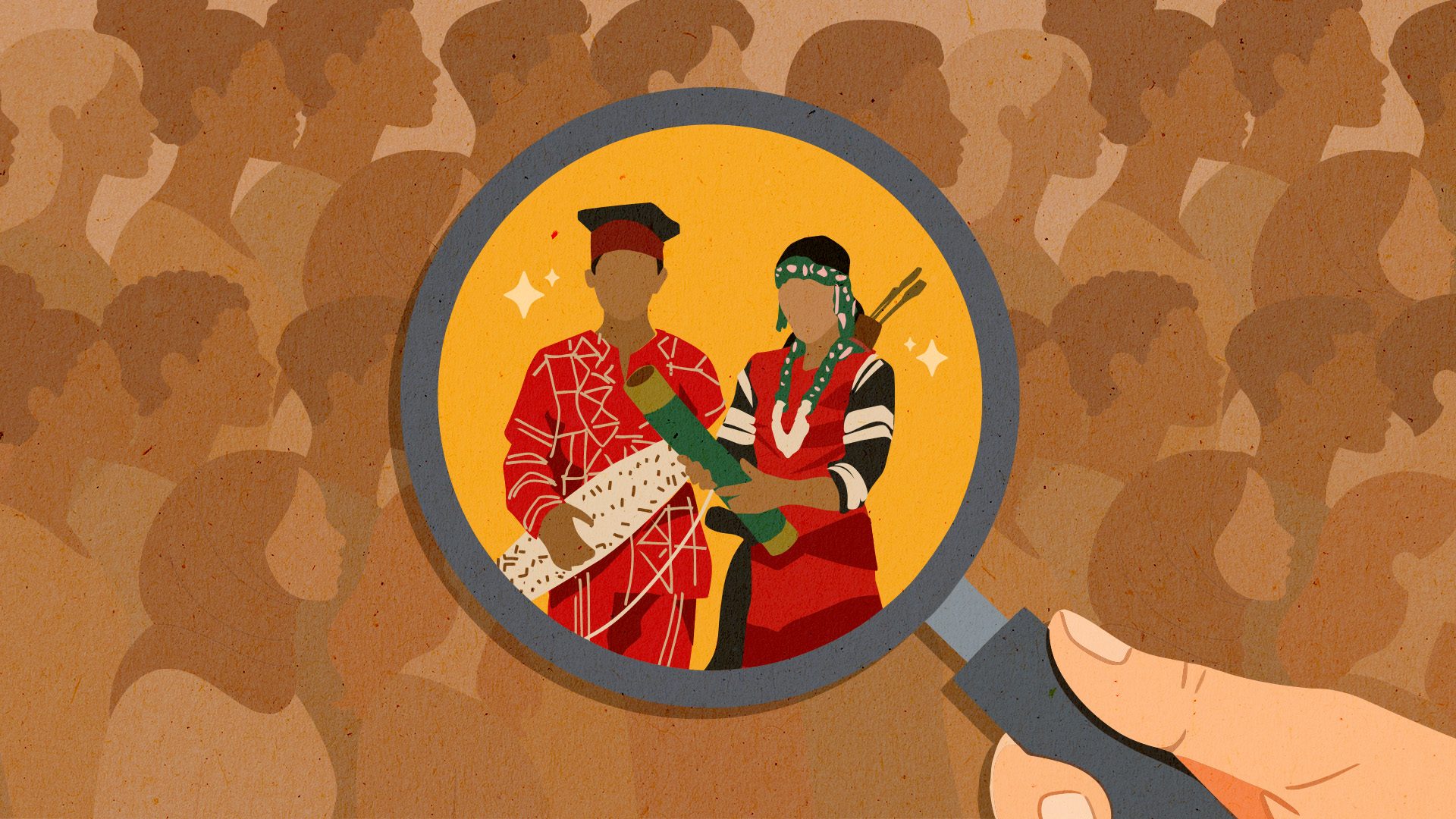
The current debates surrounding General Education (GE) courses in the Philippines highlight why the study of history deserves attention. History is not just about memorizing dates or repeating familiar narratives. It is about examining how knowledge is produced, who produces it, and what evidence supports widely accepted claims.
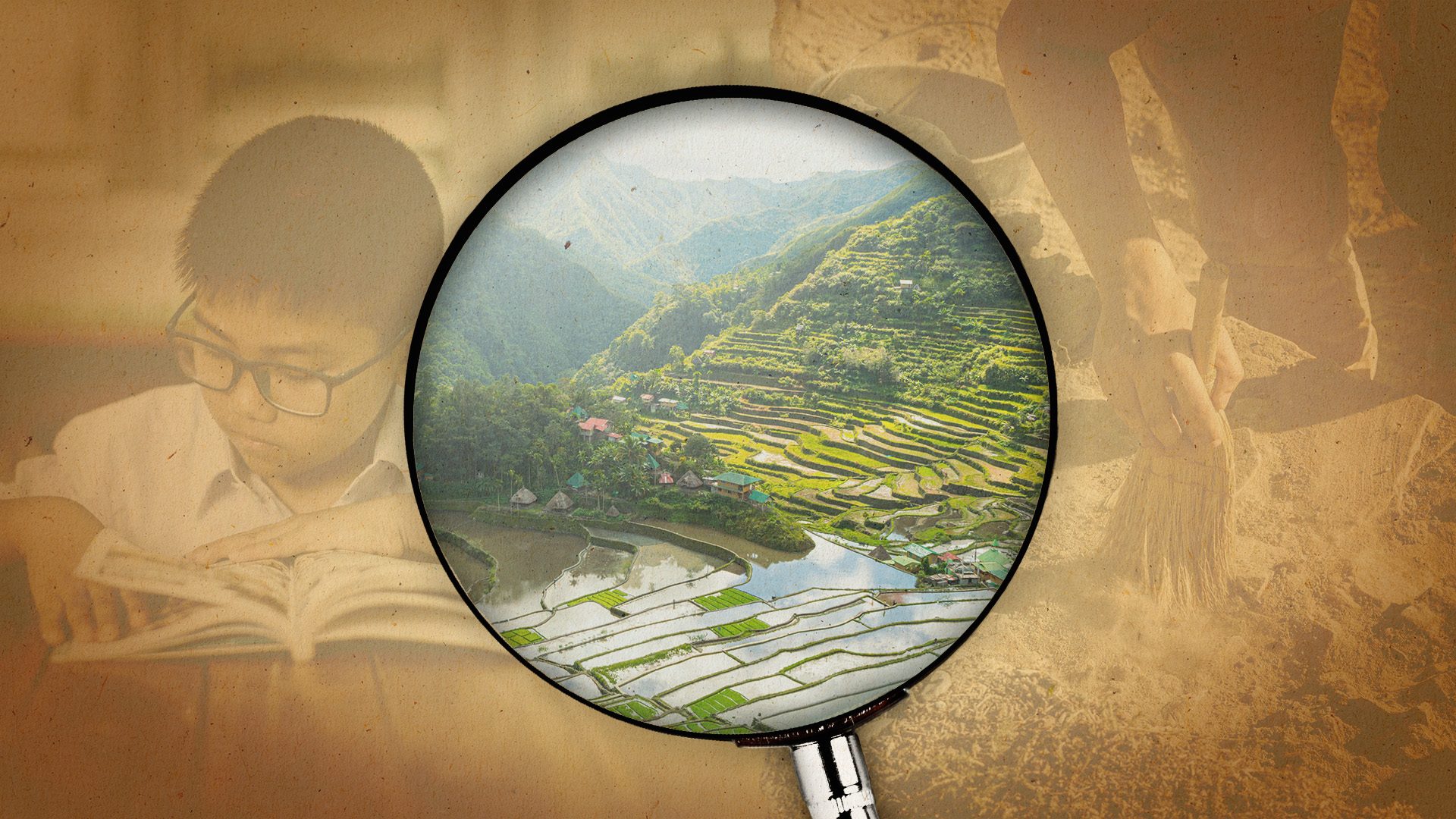
Take, for example, the enduring belief that the Ifugao Rice Terraces are 2,000 years old.
Recent archaeological research suggests that the Ifugao Rice Terraces are much younger than the commonly repeated claim. However, many Filipinos still learn this older date through textbooks, tourism campaigns, documentaries, and social media. Many scholars and institutions continue to repeat the claim with confidence, even though decades of archaeological research no longer support it.
Why should we care about this debate? Because understanding history also requires understanding the historians and archaeologists who wrote it, the assumptions that shaped their arguments, and the evidence they used — or did not use — to support their conclusions.