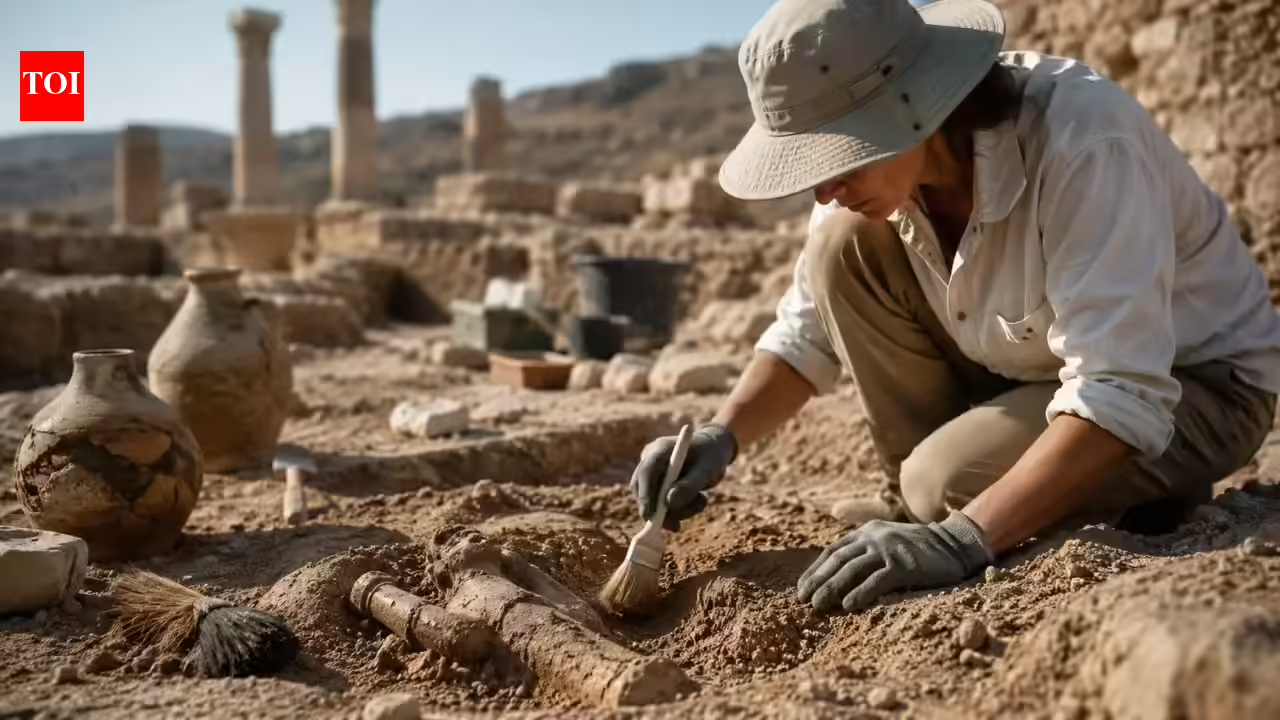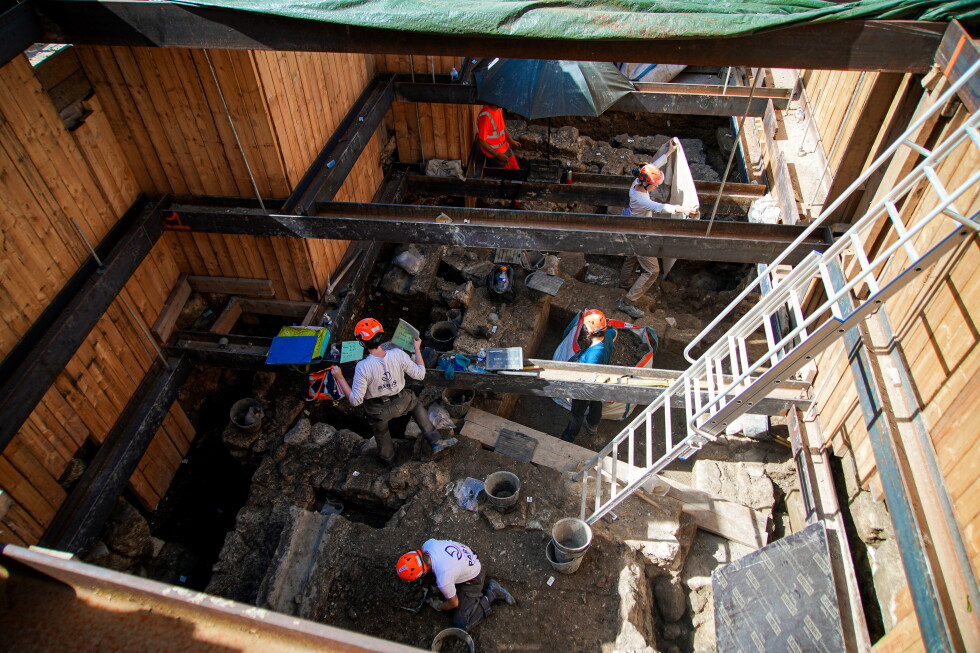
A trowel (/ˈtraʊ.əl/), in the hands of an archaeologist, is like a trusty sidekick – a tiny, yet mighty, instrument that uncovers ancient secrets, one well-placed scoop at a time. It’s the Sherlock Holmes of the excavation site, revealing clues about the past with every delicate swipe.
The older something is, the more valuable we assume it must be.
We celebrate the oldest cities, the oldest churches, the oldest civilizations, and the oldest universities. Historical debates often become competitions over who arrived first or who possesses the longest history.
Several years ago, after a public presentation at the University of the Philippines on our archaeological research in Ifugao, that assumption surfaced in a deceptively simple question: “What did the Ifugao community think when the terraces were dated younger than previously believed?”
Hidden within that question was another one: If the terraces were not 2,000 years old, would they somehow become less important?