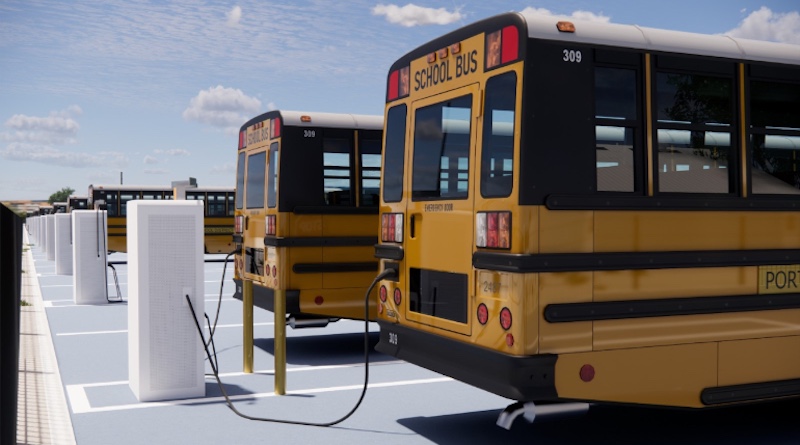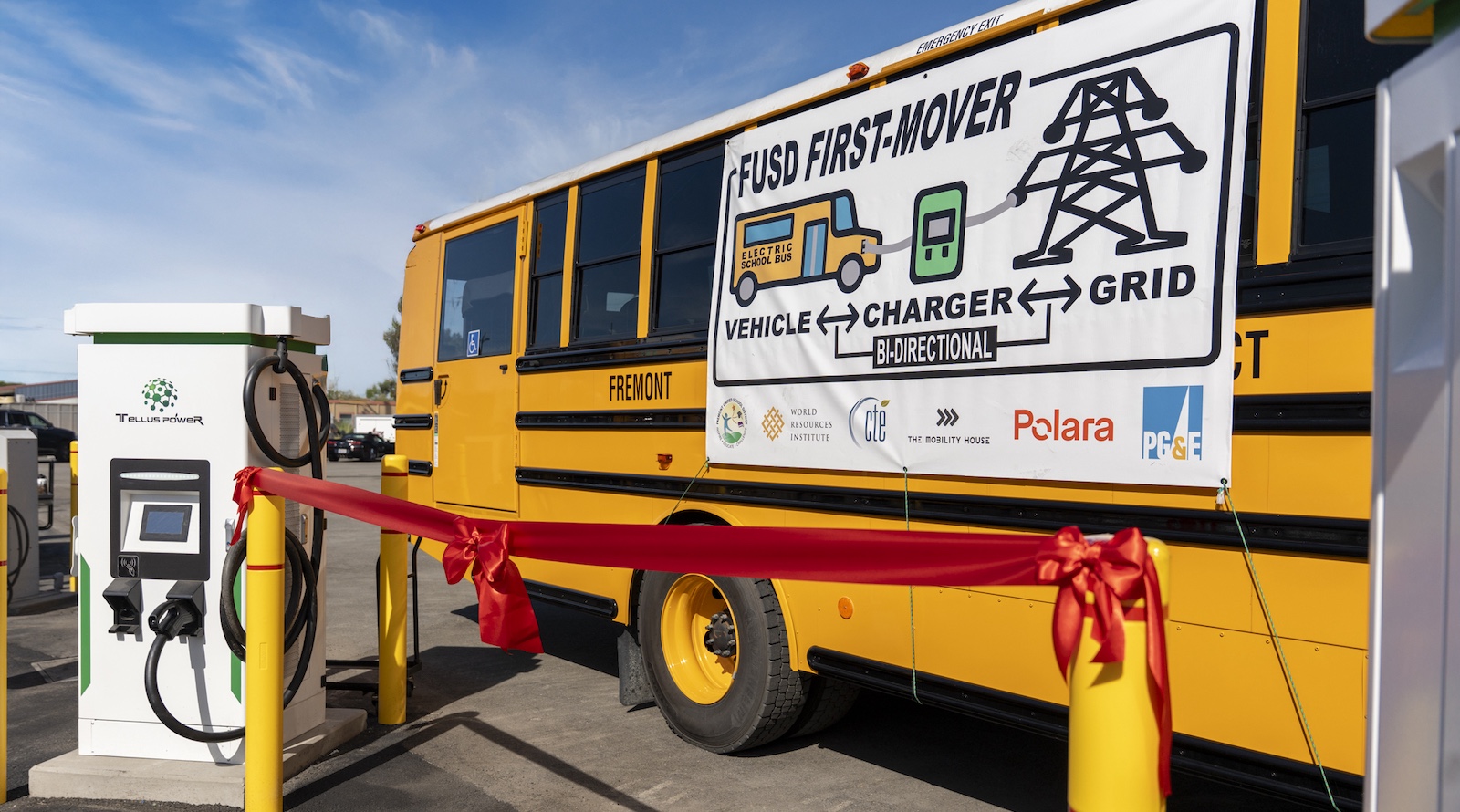
The Mobility House presents Fremont Unified School District Vehicle-to-Grid (V2G) District Unveiling. Celebrating the opening of one of the first V2G school bus depots in PG&E territory. Photo credit: The Mobility House, by Rich McKie.
Support CleanTechnica's work through a Substack subscription or on Stripe.
Just a few days ago, we regaled our readers with a report about how residential storage batteries are being networked together to form virtual power plants that help stabilize the electrical grid. Today, thanks to the sharp eyes of Dan Allard, we are able to expand on that story by reporting that batteries in electric buses are also being used for similar purposes.
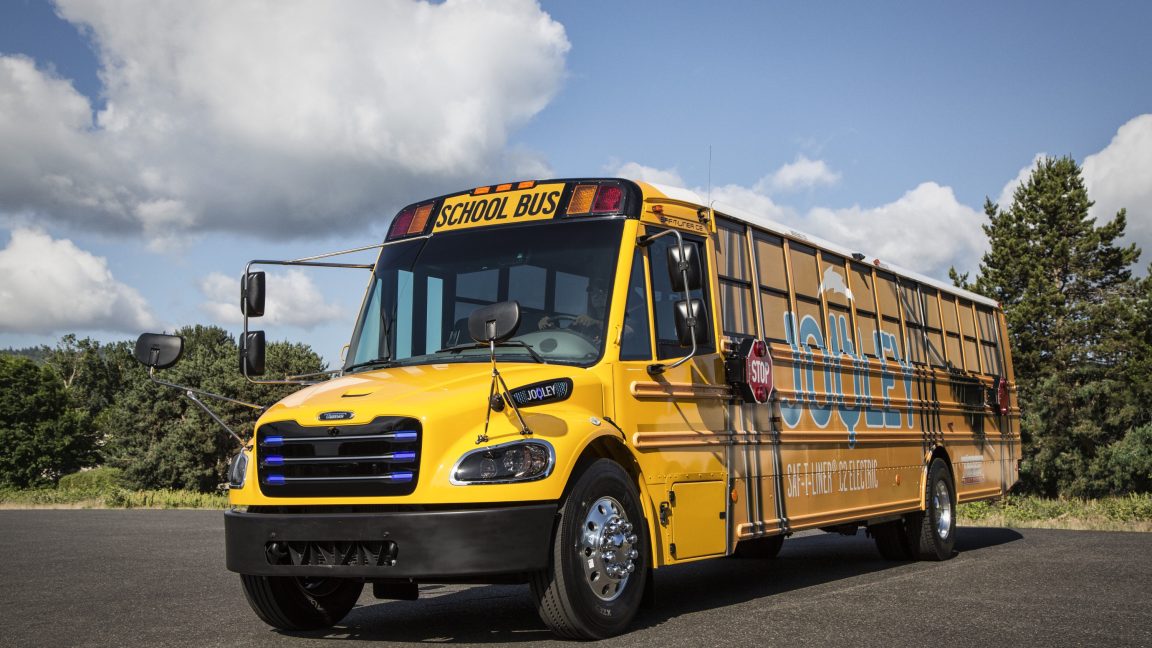
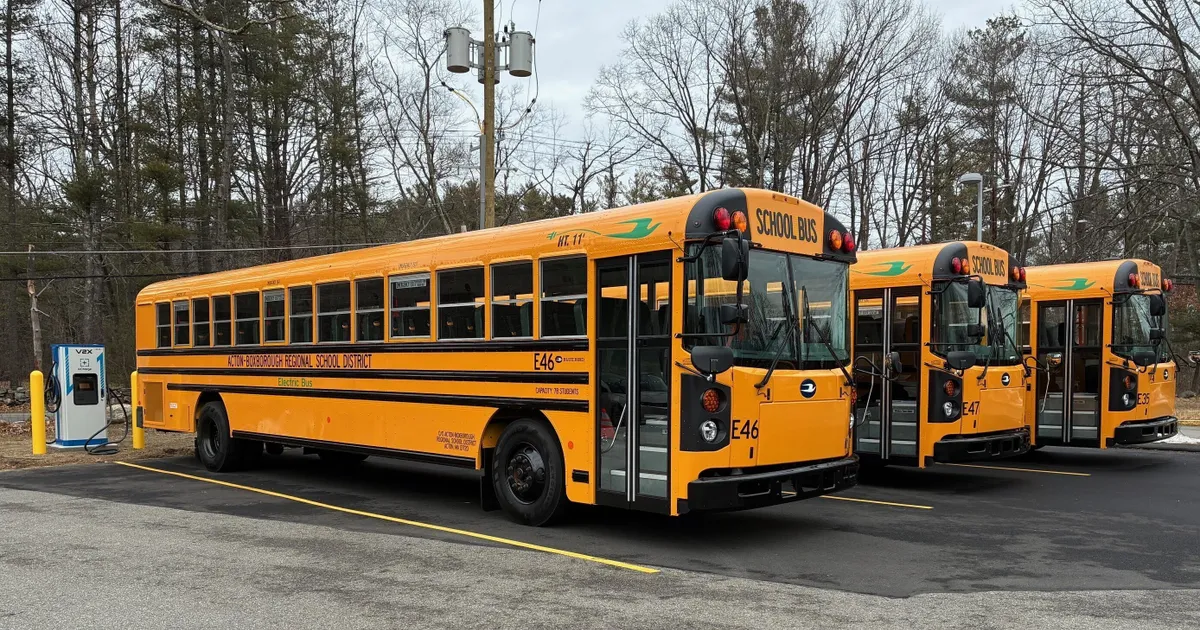
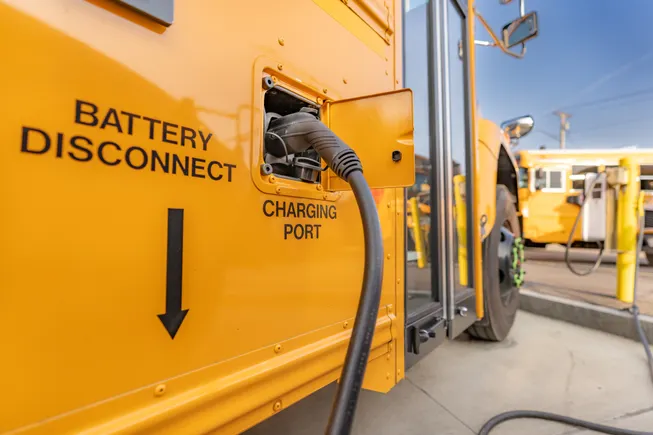
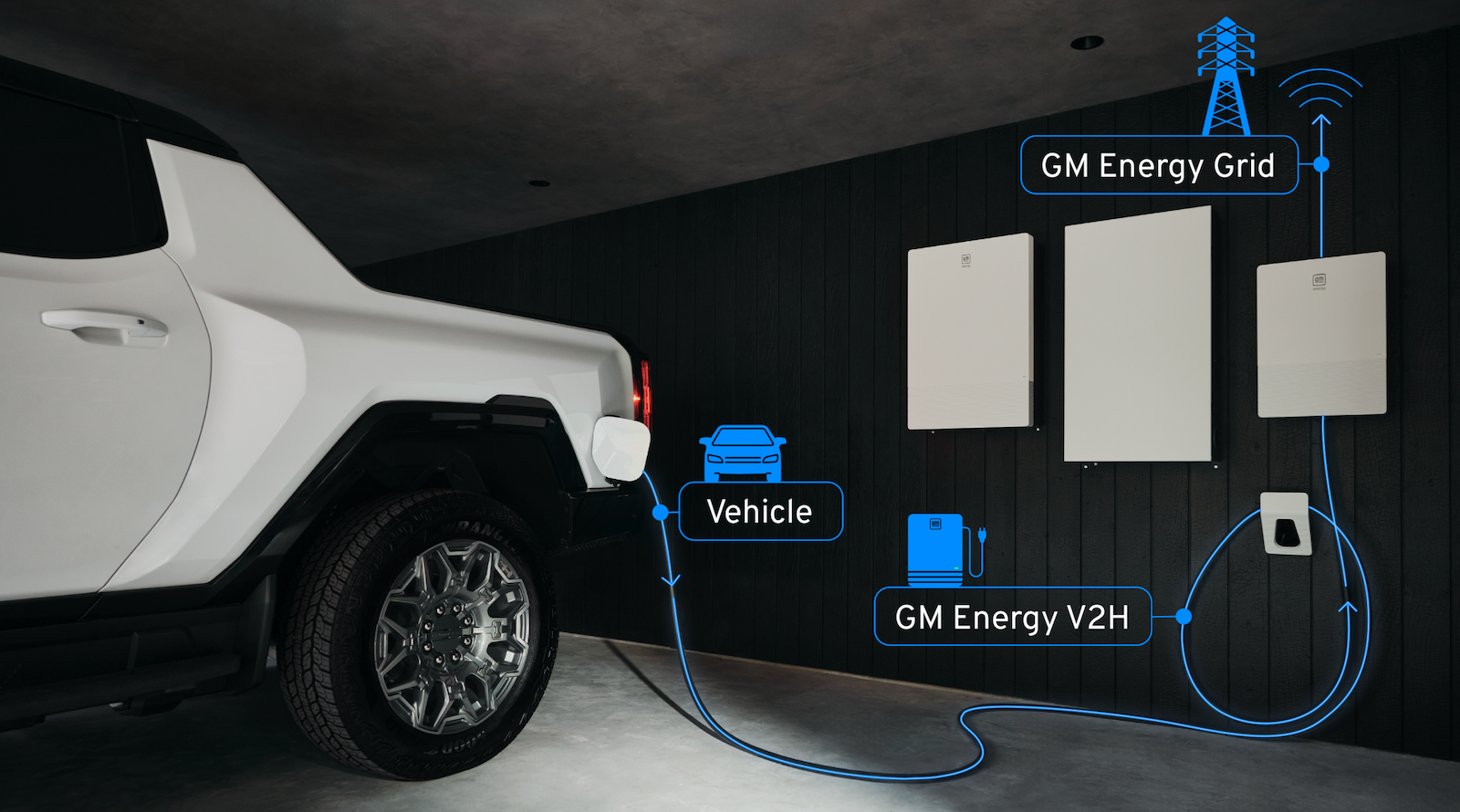
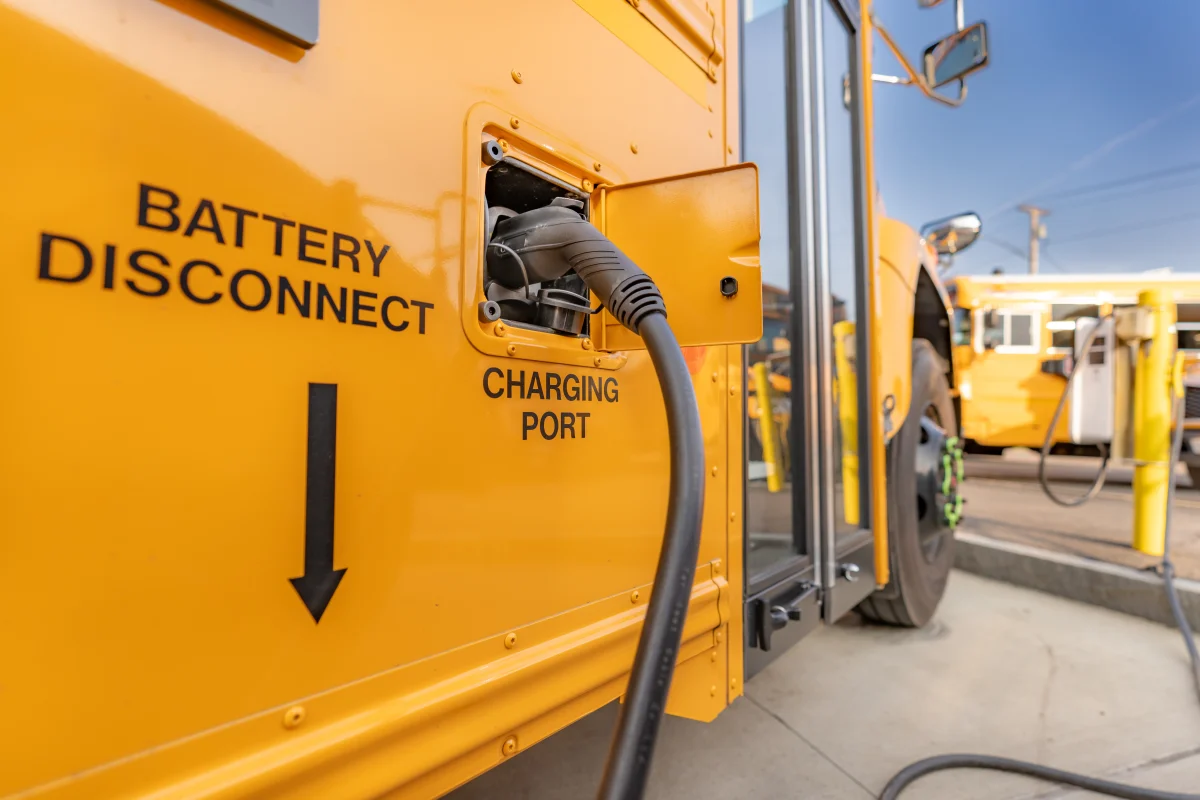
There are more than 6,700 electric school buses deployed and operating in 49 US states, Washington D.C., and tribal nations. With school out for the summer, and with temperatures this summer soaring above normal highs, the demand for electricity is higher than ever. Some of those school bus batteries are helping to meet the need thanks to bi-directional charging technologies, better known as vehicle-to-grid (V2G) capability.
Reuters reported this week that fully deployed V2G projects involving about 230 of the nation’s electric school buses now have the capacity to supply about 8 megawatt-hours of power at any given time, according to the World Resources Institute’s (WRI) Electric School Bus Initiative.