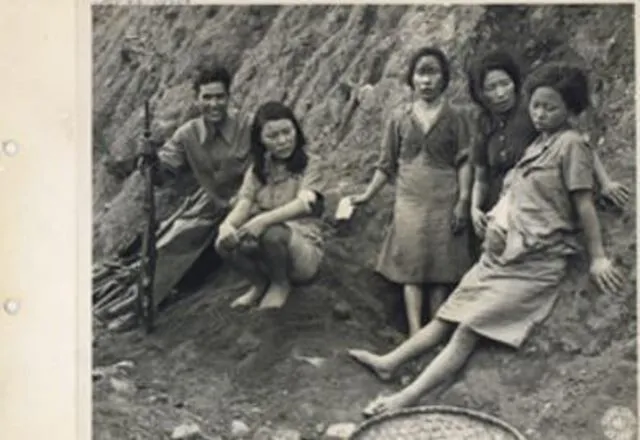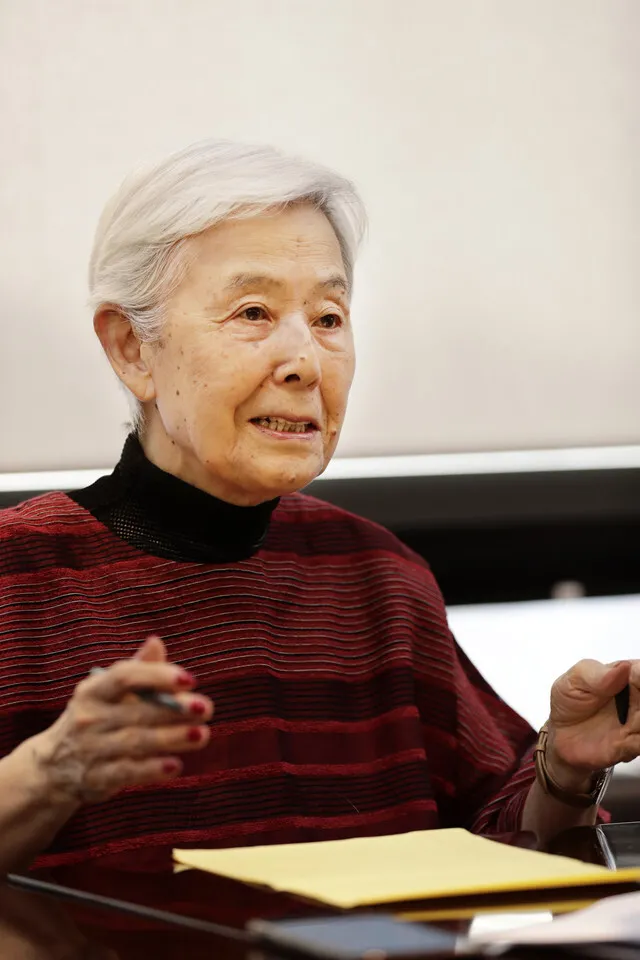
“I think it’s only natural for the Koreans who were subjected under Japan’s colonial occupation to see the comfort women issue as a national issue. But it’s actually an issue of women in wartime.” For Koreans, the issue of the women forced into sexual slavery by the Japanese military is one of the major historical symbols of the cruelty and suffering of Japan’s 36-year colonial occupation. But the point stressed by Michiko Nakahara, professor emeritus of Waseda University, is the universality of the comfort women issue, which constituted a crime against women in war. Nakahara, co-leader of Violence Against Women in War Research Action Center, is a feminist activist who has long been a student of the comfort women issue, as well as a participant in practical efforts to tackle the issue in Japan. Nakahara sat down with the Hankyoreh on Oct. 21 while visiting South Korea to attend a lecture on Oct. 22 commemorating the 19th anniversary of a 2000 international tribunal on war crimes committed against women. She was attending the lecture on the invitation of the Northeast Asian History Foundation. “My original scholarly interest was Malaysia. Rallies about the comfort women issue were being held in Japan in the 1990s, and I advised a Malaysian reporter to cover the rallies. As it happened, that story ran on the front page of a local newspaper, which ignited interest in the comfort women issue in Malaysia. I got involved in the issue while helping out a victim by the name of Rosalind Saw. We got to know each other over tea and meals, and I eventually asked her to become my godmother. That was the beginning of my connection with the comfort women issue,” Nakahara said.
[Interview] Japanese professor claims comfort women system was a “crime of the state”
Michiko Nakahara of Waseda Univ. took part in a civilian trial that convicted Emperor Hirohito
1,126 words~5 min read