Cai Meng
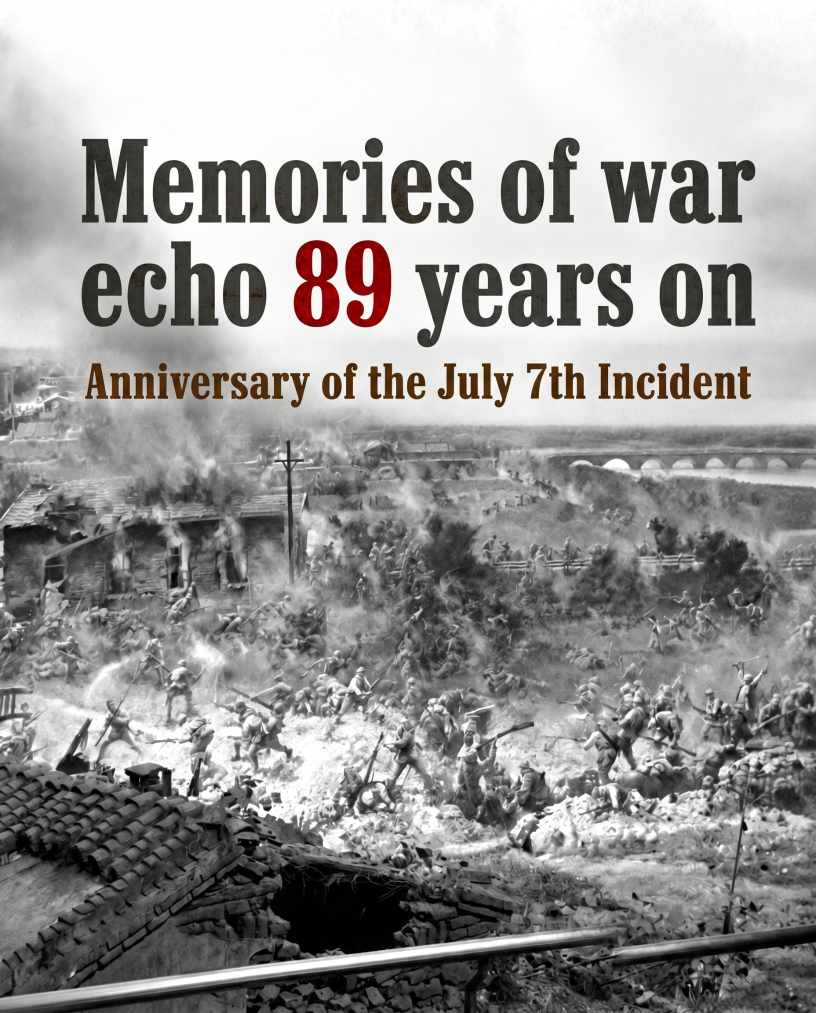
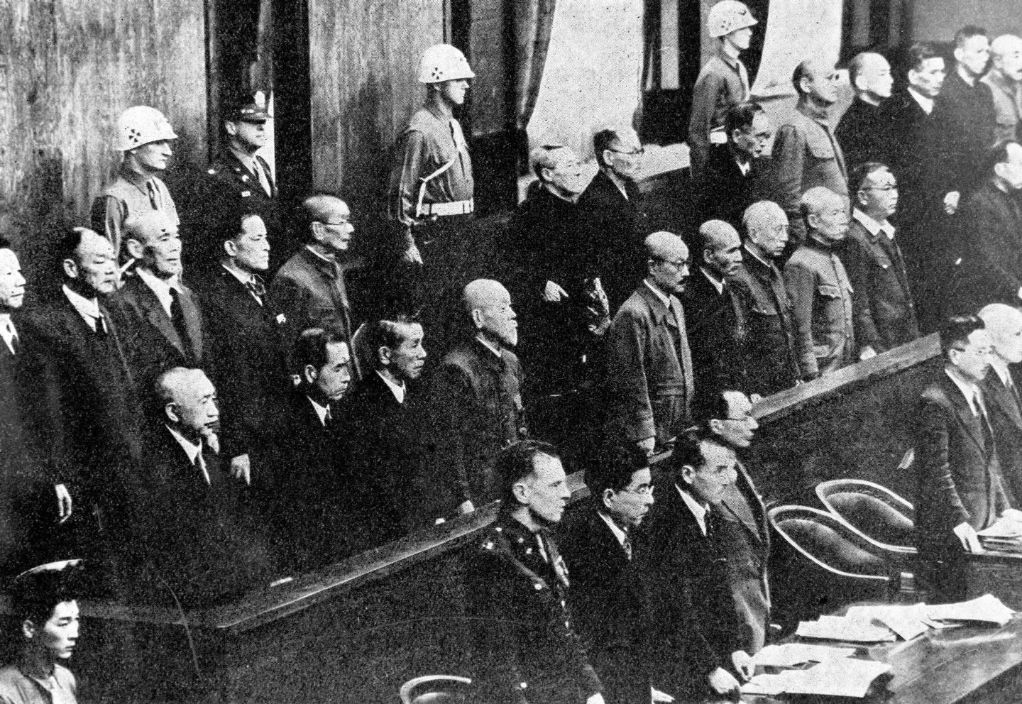
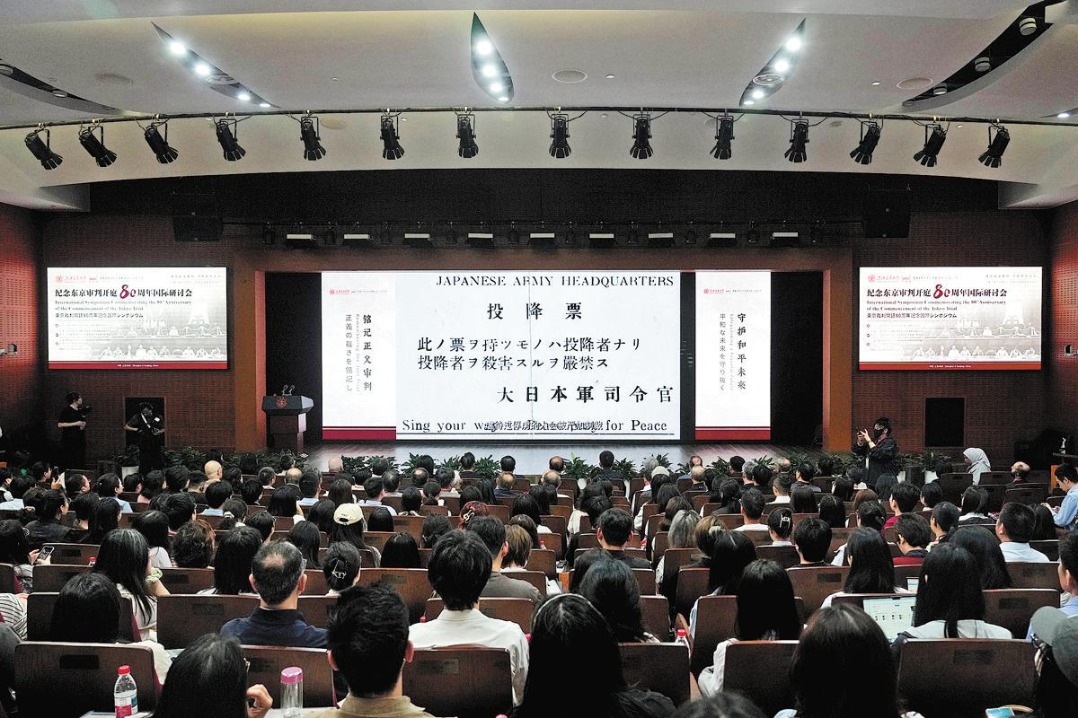
This year marks the 89th anniversary of the July 7 Incident, also known as the Marco Polo Bridge Incident, which was the starting point of Japan's full-scale invasion of China. Eighty years ago, the Tokyo Trials set new precedents by judging war crimes under the new legal norms of "crimes against peace" and "crimes against humanity". The Tokyo Trials were groundbreaking because they delivered justice to the victims of Japan's aggression and contributed to the realization of world peace.
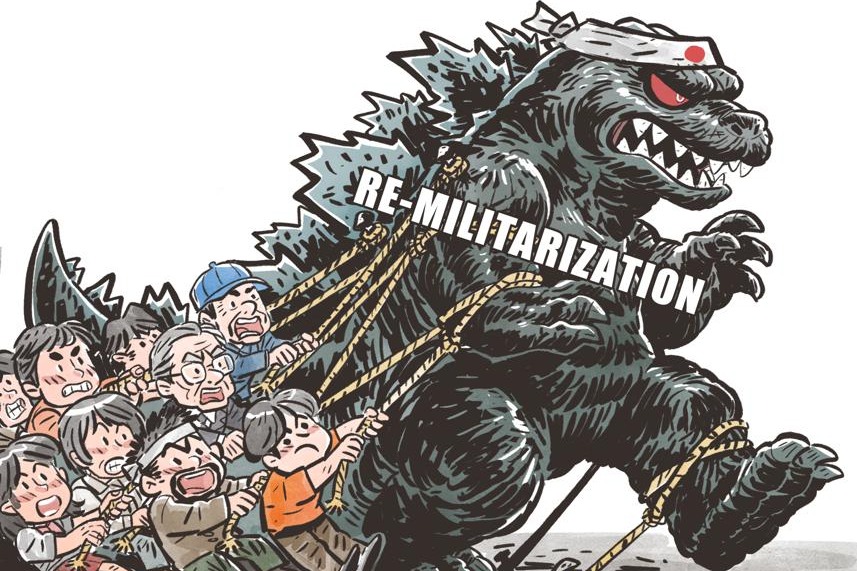
Japan was supposed to learn from these trials and transform itself from a military state to a peaceful nation under a pacifist Constitution. However, there has been no sincere reflection on the mistakes of the past, and Tokyo didn't seriously draw lessons from the trials. This is the fundamental reason for the country's rightward political shifts and remilitarization.
The politics of postwar Japan were heavily influenced by the country's prewar imperial system. Emperor Hirohito, who reigned from 1926 to 1989, was a key figure and the highest authority who started the war of aggression. He not only escaped prosecution in the Tokyo Trials, but many Japanese regarded him as someone who ended the conflict. Britain, the Netherlands, China and others had argued for his prosecution and demanded that he abdicate because the imperial system was the foundation of Japan's militaristic ideology.