A series of field trials led by Emerald AI, in partnership with Nvidia, Oracle Cloud Infrastructure, Salt River Project, and the Electric Power Research Institute, found that AI data centers can dynamically reduce their power consumption by more than 30% during periods of grid stress. The trick: scheduling and shifting workloads based on real-time signals from the electrical grid.
Two trials, two continents, one takeaway
The first trial took place on May 3, 2025, at an Oracle Cloud data center in Phoenix, Arizona. A cluster of 256 Nvidia GPUs achieved a 25% reduction in power consumption, sustained over three hours. The reduction didn’t come at the cost of performance. AI workloads continued running without compromising service quality or throughput.
A follow-up trial in December 2025 pushed the results further. Conducted at a Nebius data center in London with 96 Nvidia Blackwell Ultra GPUs, the second test achieved a load reduction exceeding 30%, reaching approximately 35% at its peak. The response time was striking: power draw decreased within just 30 seconds of receiving a grid signal from National Grid. That reduction was then sustained for up to 10 hours.
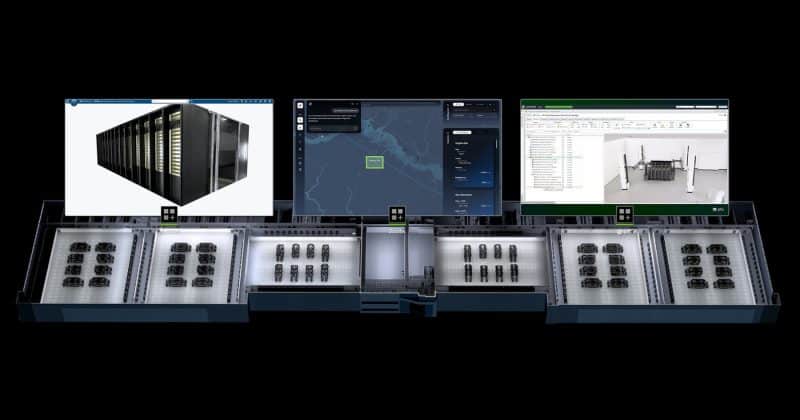
The software orchestrating this flexibility is called Emerald Conductor, a platform developed by Emerald AI. It dynamically shifts or pauses tasks across GPU clusters without human intervention.