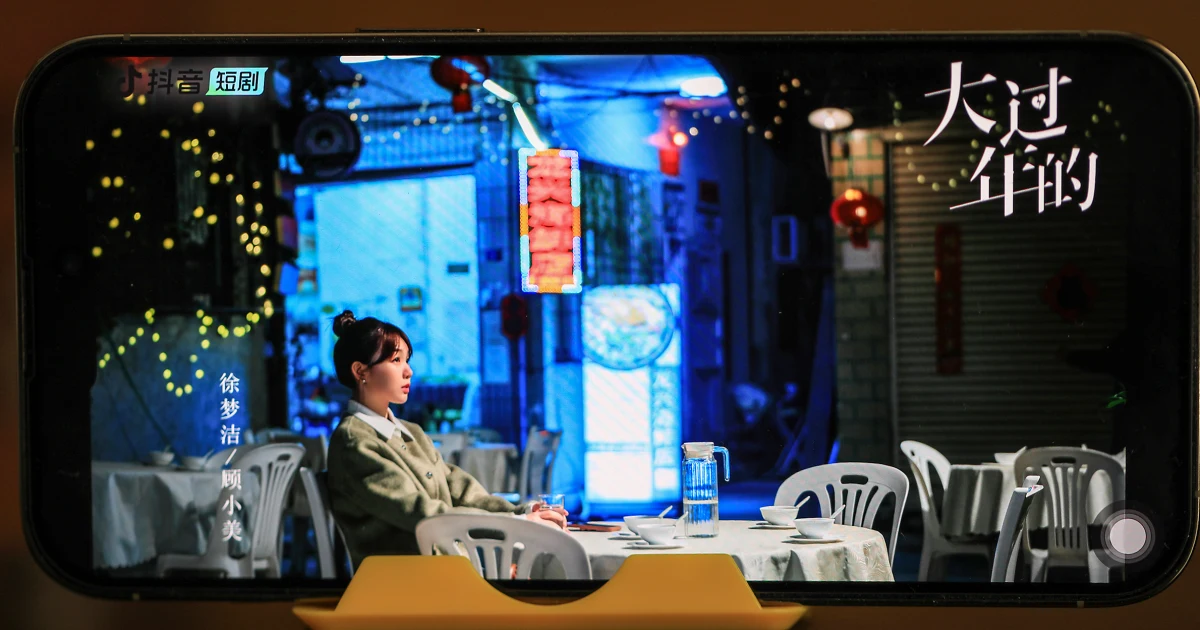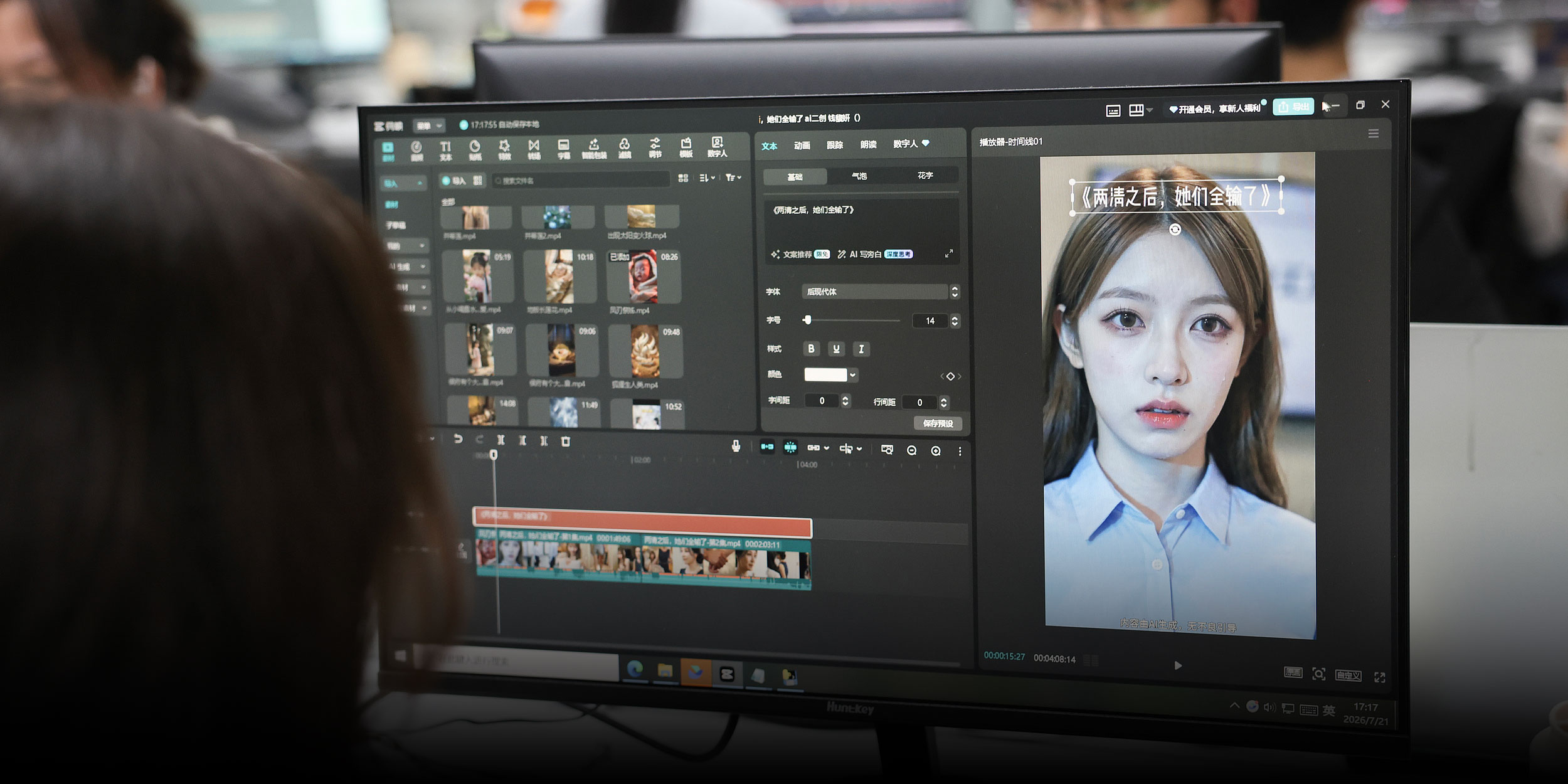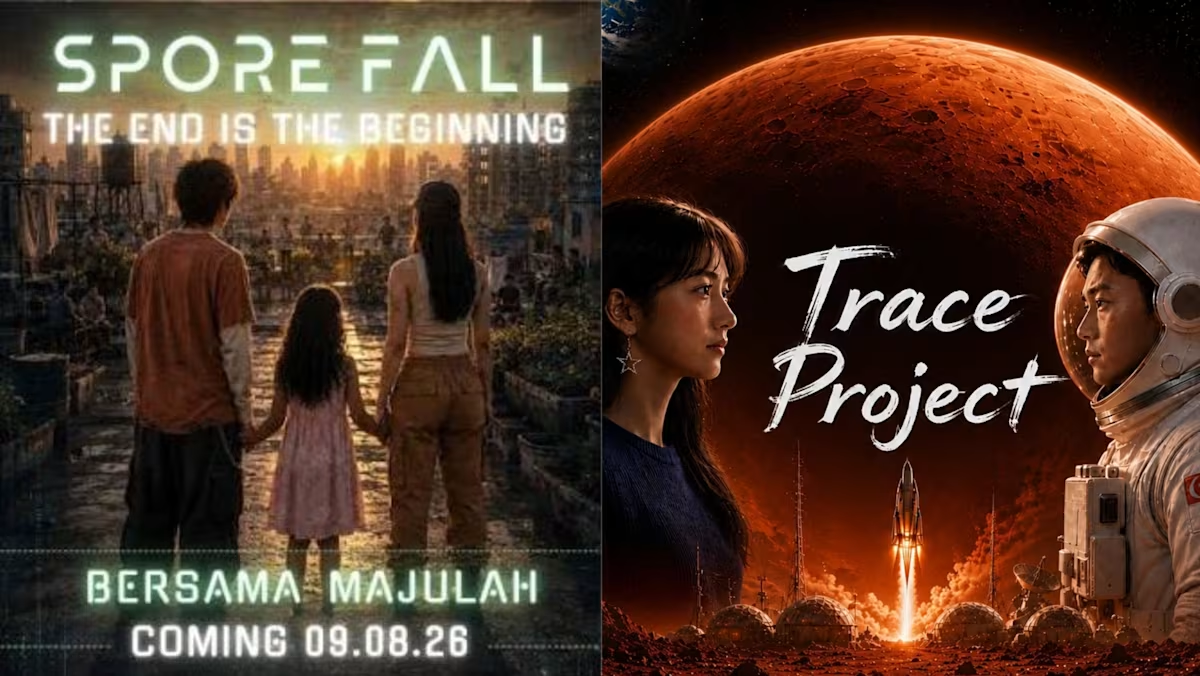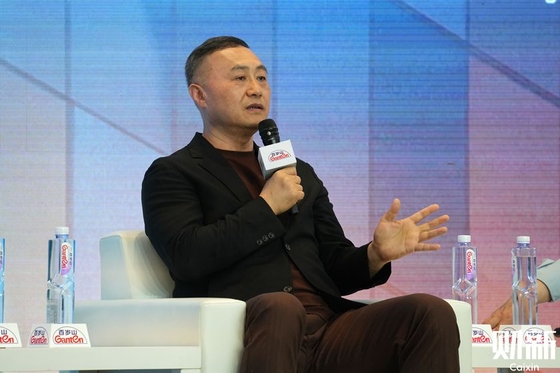
SHANGHAI: Mark Wachholz wanted to answer a question many filmmakers are only beginning to confront: Can audiences judge a film made with artificial intelligence (AI) on its own merits, rather than as an AI film?The Berlin filmmaker spent a month working with Hou Zuxin, a Chinese director who had never used AI before, to make an AI-generated short film."Can we find a bridge … and see if they are not perceived as AI movies, but as movies?" Wachholz told CNA.It is a question increasingly facing China’s screen industry, where AI is moving from the margins to the mainstream of content production - at every scale, from 90-second vertical dramas to feature films bound for cinemas.
But as AI reshapes how films and television are made, it is also disrupting jobs, changing the skills filmmakers need and fuelling debate over whether it can ever replicate the creativity and emotional depth of human storytelling.
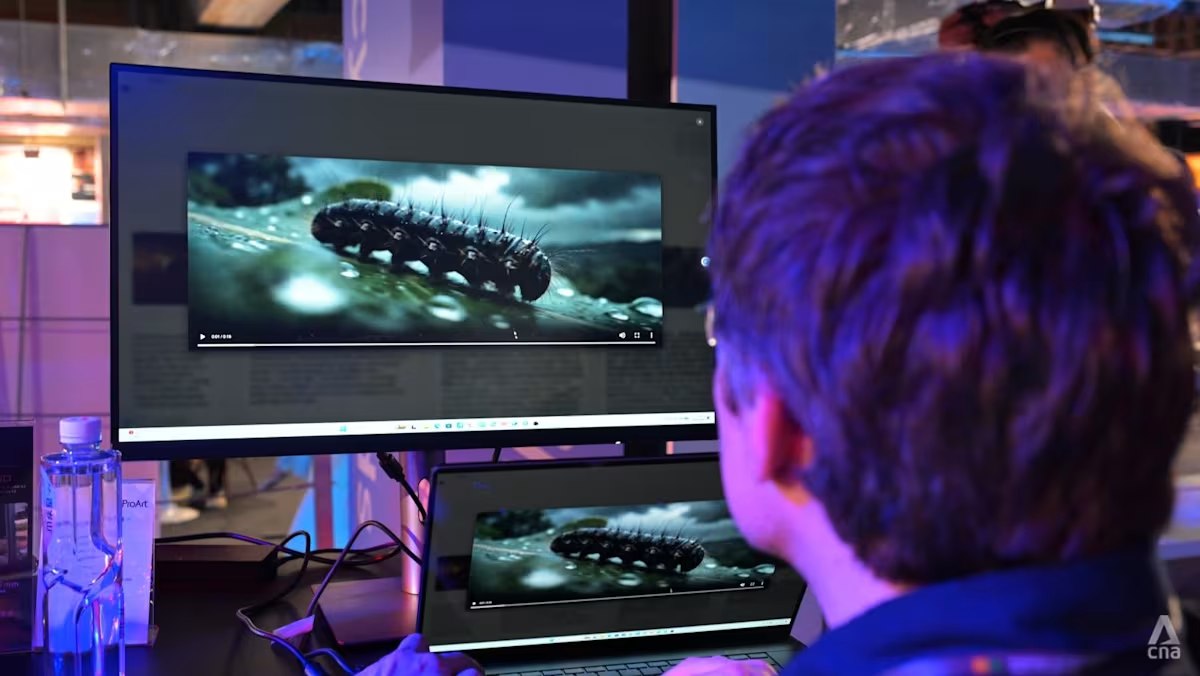
A storyboard of an AI-assisted short film at 28th Shanghai International Film Festival at Shanghai Film Art Centre on Jun 15, 2026. (Photo: CNA/Tan Wen Lin)
MARGINS TO MAINSTREAMOne glimpse of that transformation came at the Shanghai International Film Festival (SIFF) in late June.This year, the festival introduced an AI Backlot programme, pairing traditional filmmakers with AI creators to produce an AI-generated short film over the course of a month. Wachholz and Hou were among the participants.