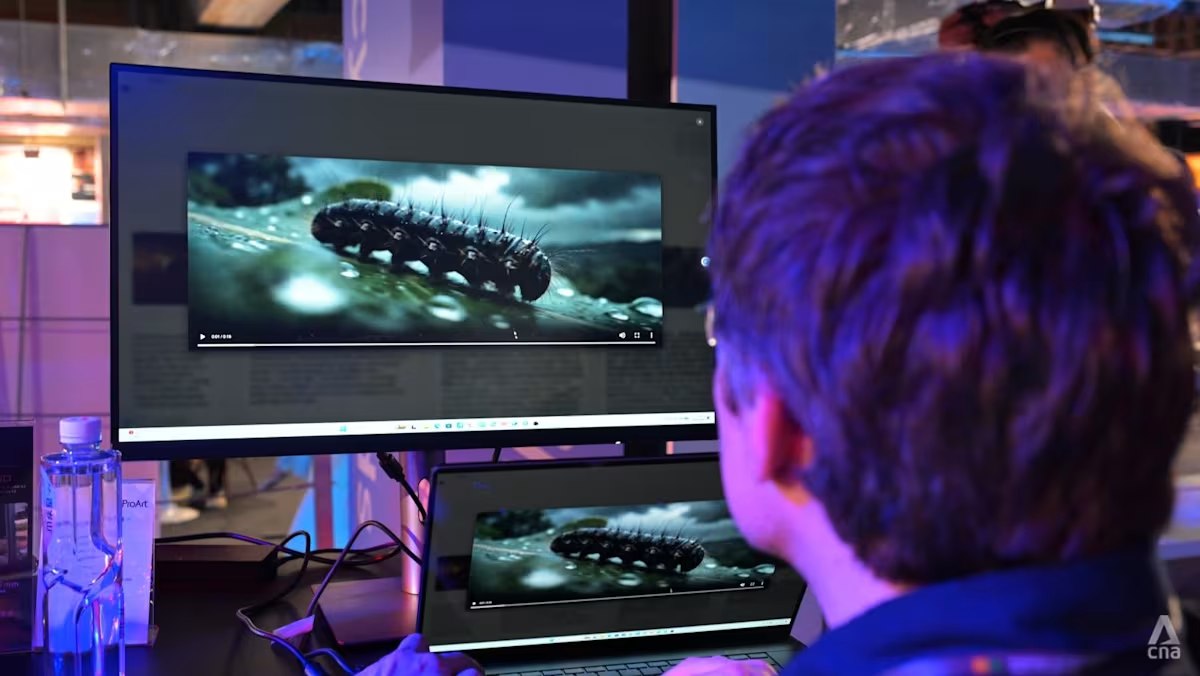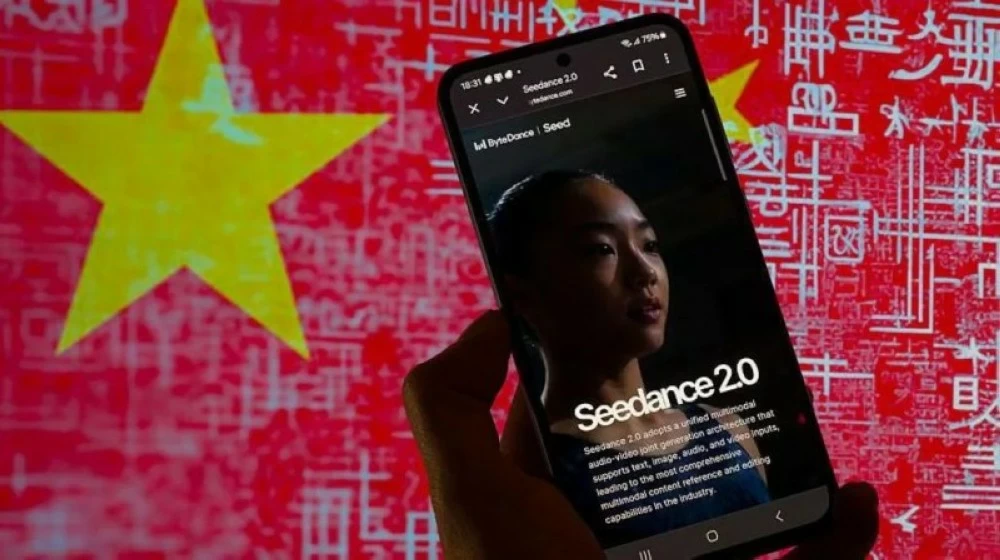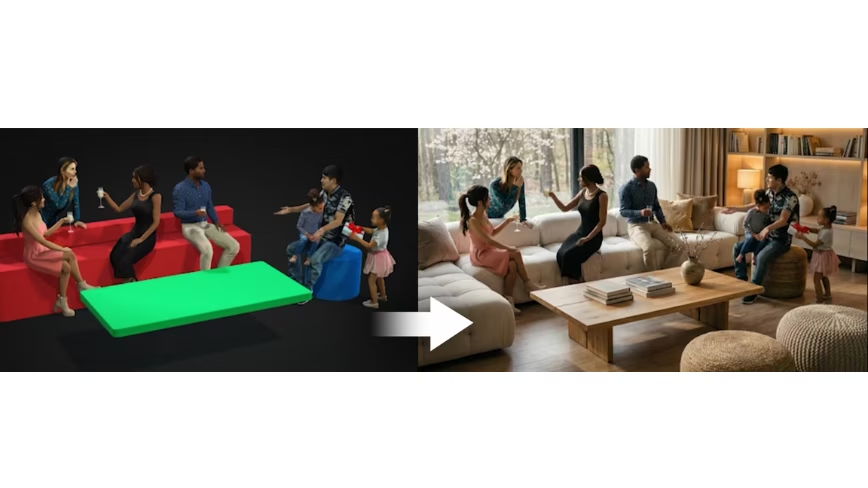
Before Sora, few people inside or outside video production could have imagined that artificial intelligence would spread through the field so quickly. Before Seedance 2.0 appeared, few expected AI to cross the threshold of traditional film and television production so suddenly, making it possible to generate videos lasting dozens of seconds with synchronized audio and visuals almost at the click of a button.
Behind this is a broad efficiency and cost shift, as well as a reshaping of the production chain.
Just as the internet broke one-way communication in media and allowed everyone to speak, AI has lowered the threshold for producing film and TV content. As a result, roles across the production chain are starting to rethink where they stand.
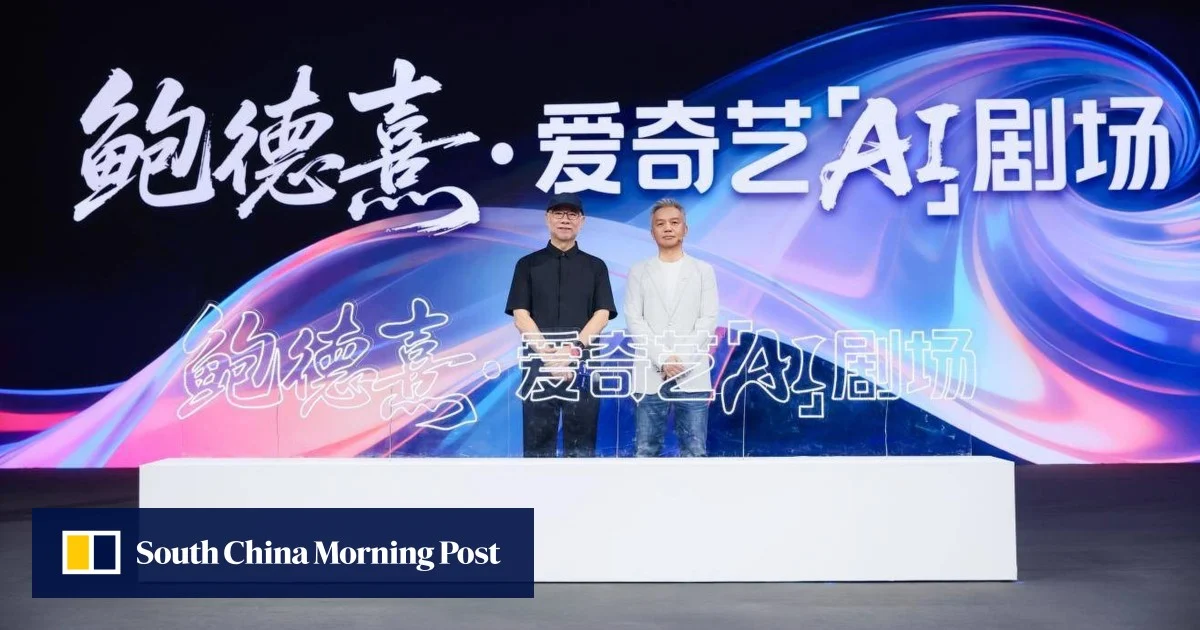
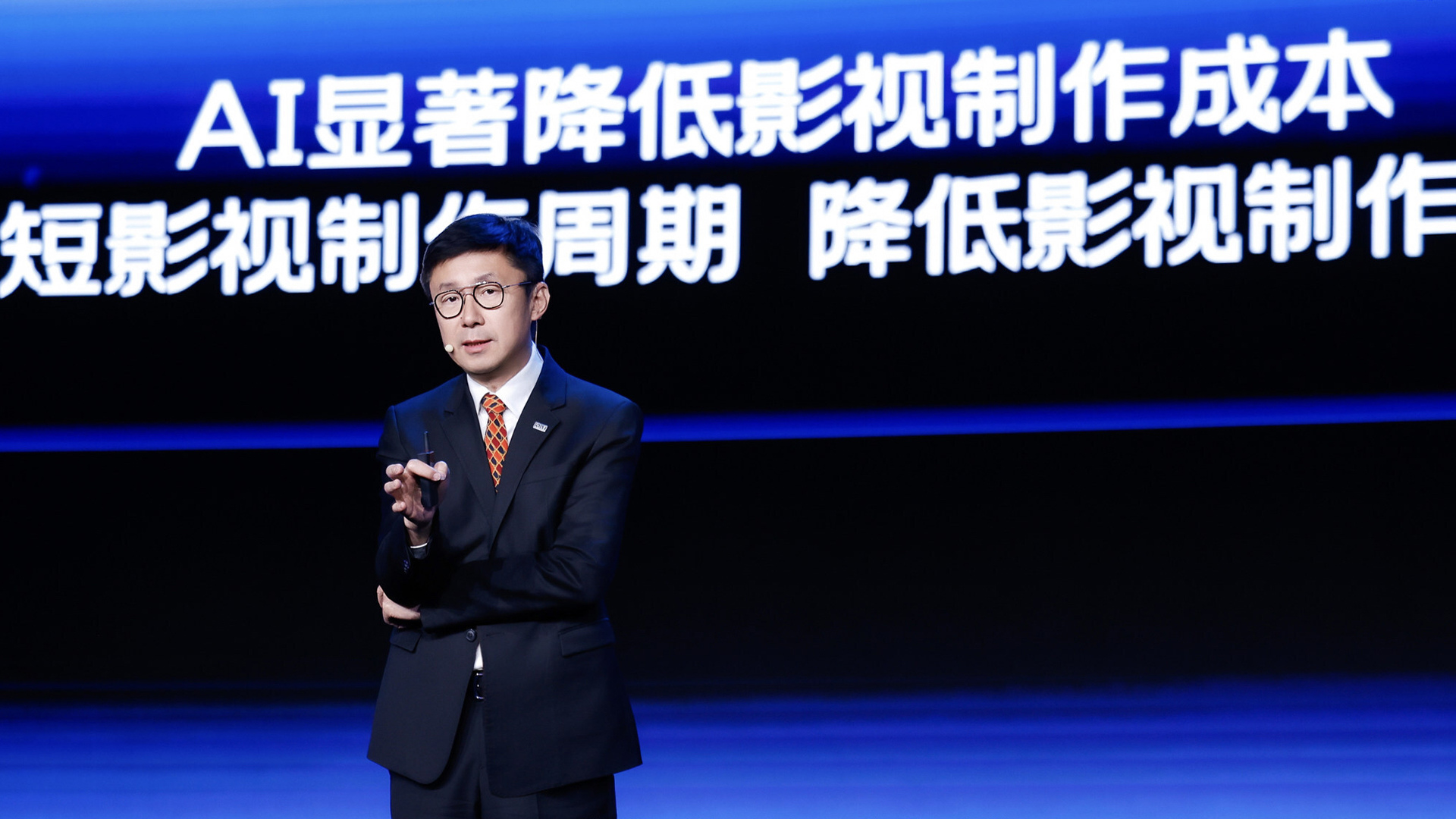
What choice will a longform video platform that produces and distributes film and TV content make in the AI era? For Gong Yu, founder and CEO of iQiyi, the answer is “decentralization.” Gong has been thinking about the concept for a long time and formally introduced it during the company’s earnings call in February.
Over the past decade, China’s longform video industry has looked like an escalating content arms race. Platforms used higher production budgets and more top IP to exchange for users and scale, trying to sustain growth through hits. But as user dividends faded, costs continued to rise, while short video kept siphoning attention and budgets.