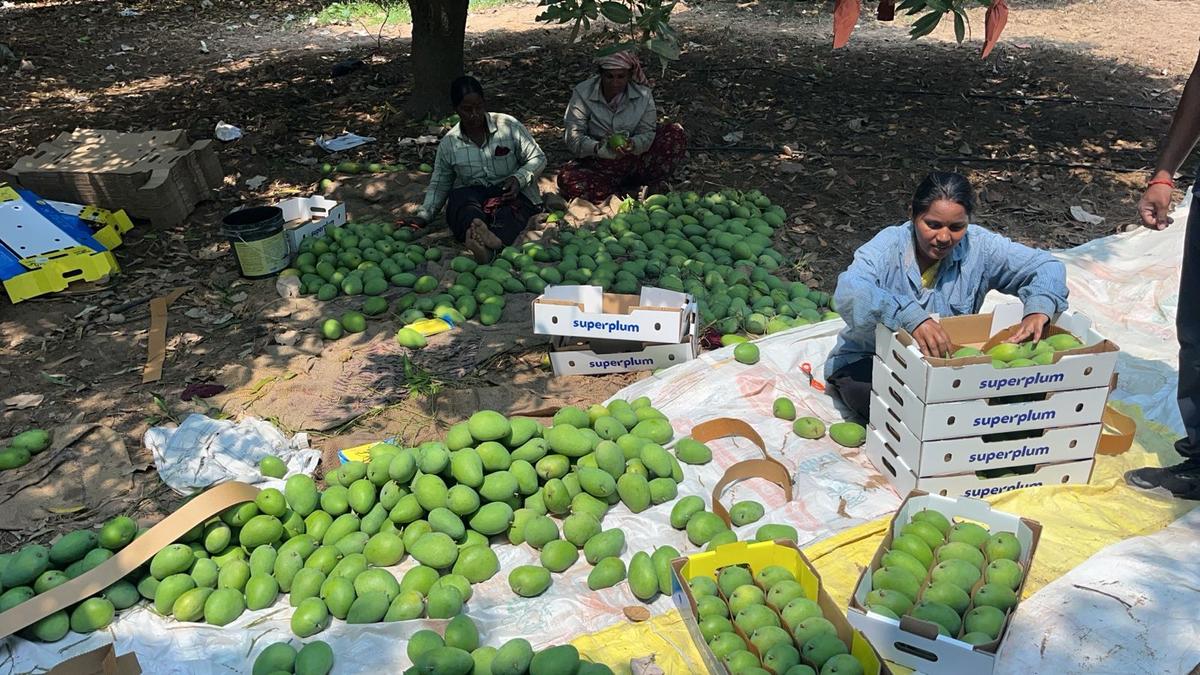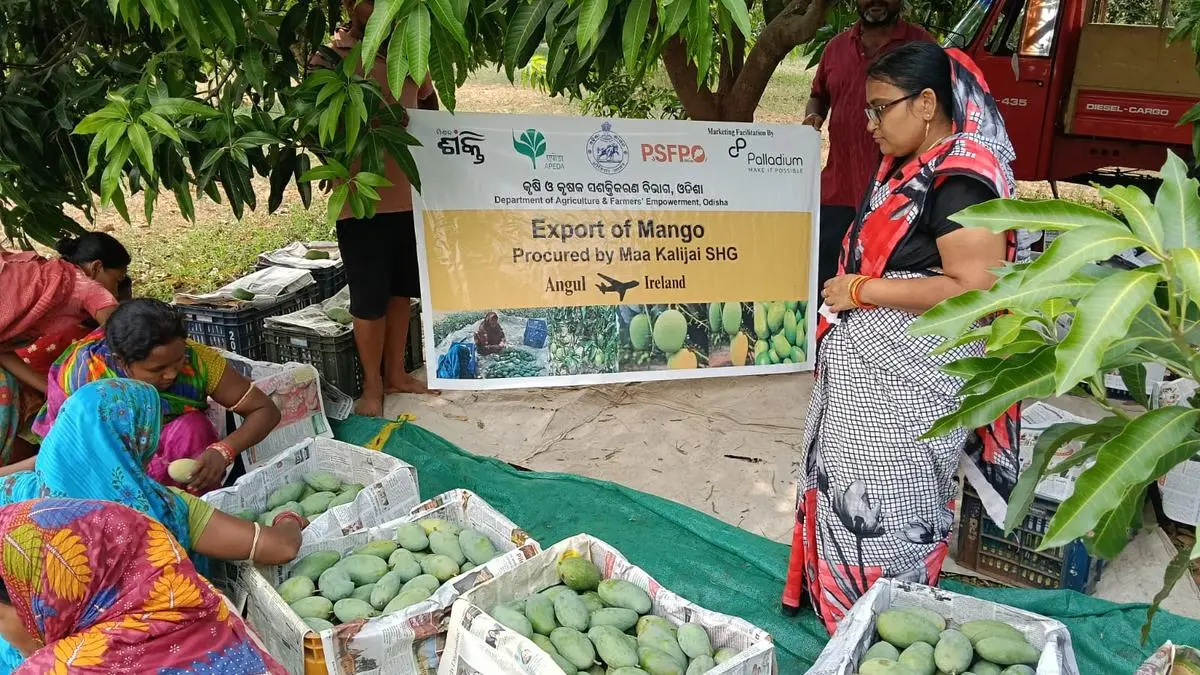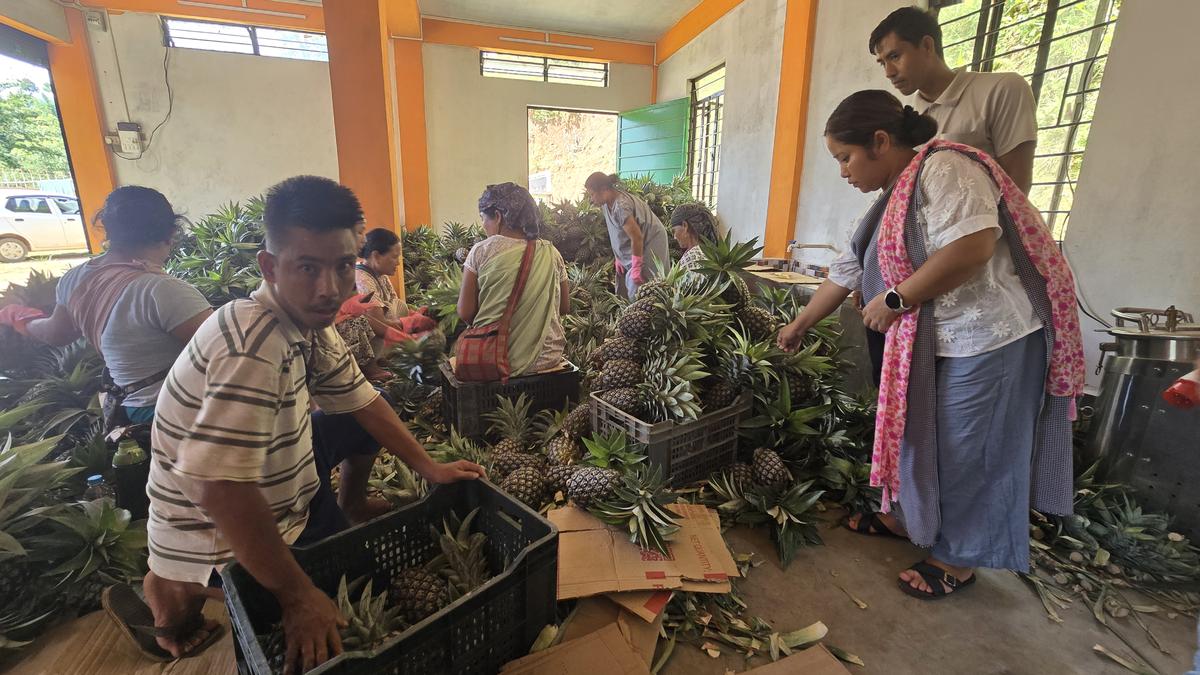
Neighbours Prestina Sangkly, Dilip Rabha, and Mercy Lyngdoh, unknown to each other a decade ago, had something in common. They were farmers who struggled to sell their fruits of labour—the seasonal Khasi Mandarin orange and the Kew and Queen pineapples, and the perennial banana—by the roadside or at weekly markets.Their lives began changing after they and 430 others became “unique numbers” in Meghalaya’s experiment with farm collectivisation with the formation of the Jirang Organic Agro Farmers Producer Company Limited (FPC) in 2017. A block headquarters in the State’s Ri-Bhoi district, Jirang is about 52 km southwest of Guwahati and 120 km northwest of Shillong.“There may be others bearing my name, but none can flaunt SBORG17MLRBJ06035, my farmer code as a member of our FPC, which has helped us increase our collective income from ₹1.5 lakh during 2017-2021 to more than ₹1.17 crore in 2025,” said Ms. Lyngdoh, who has 1.42 hectares out of her 3.1-hectare farm in Warmawsaw village under organic fruit and condiment cultivation.The code number bears the organic certification by a New Delhi-based agency and Meghalaya’s code for rural Jirang.Mr. Rabha of Sukurburia village, who grows pineapples, oranges, banana, ginger, and black pepper on more than 50% of his 2.22-hectare land, is proud of his farmer code too. “From a nameless vendor, I am now exporter number SBORG17MLRBJ02014, who also supplies to major Indian retailing brands in several metros,” he said.‘Big leap’The Jirang FPC was formed under the centrally-aided Mission Organic Value Chain Development for North Eastern Region. Its chief executive officer and farmer, Ibalahun Thangkhiew, said the first few years were spent on coordinating with fellow farmers and training them for the “big leap”.
Roadside vendors turned exporters: Meghalaya’s ‘numbered’ farmers reap fruits of labour
Meghalaya’s farmers transform from roadside vendors to successful exporters through innovative collectivisation and organic farming initiatives.
1,029 words~5 min read