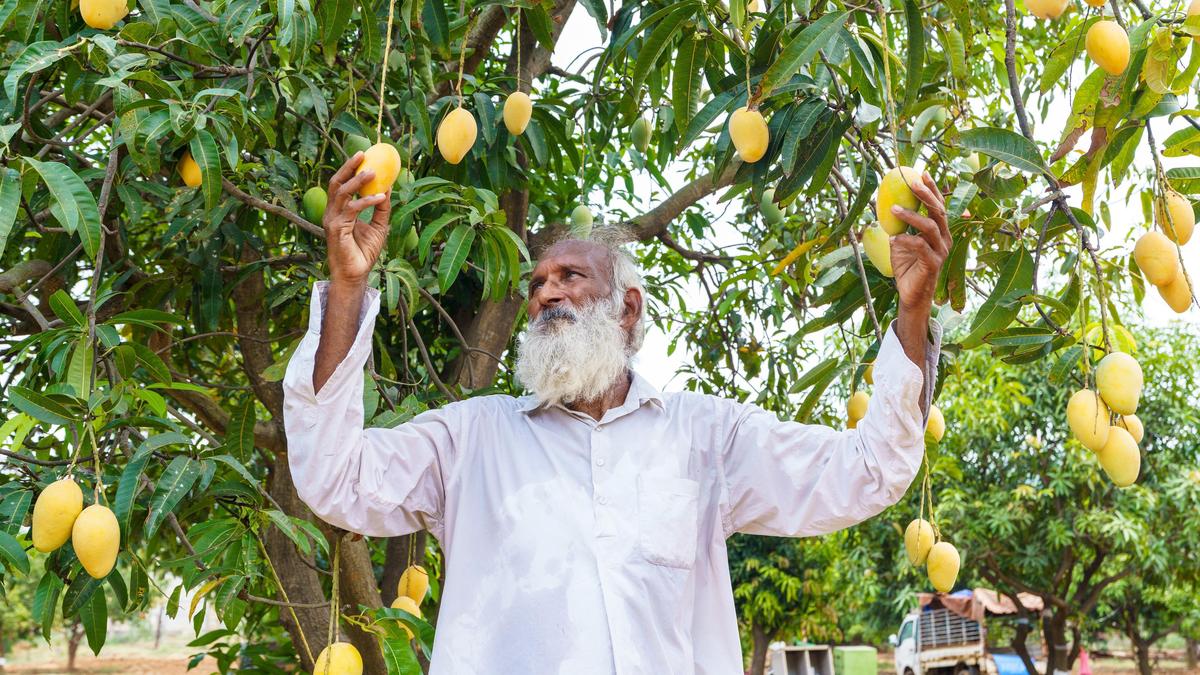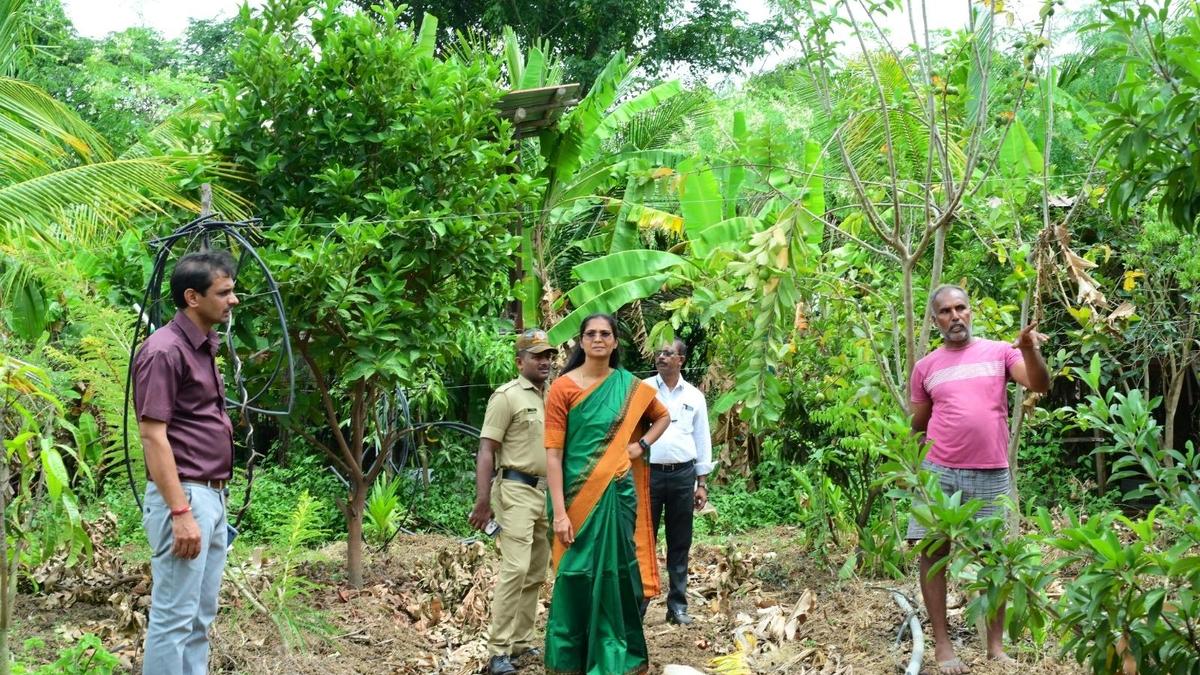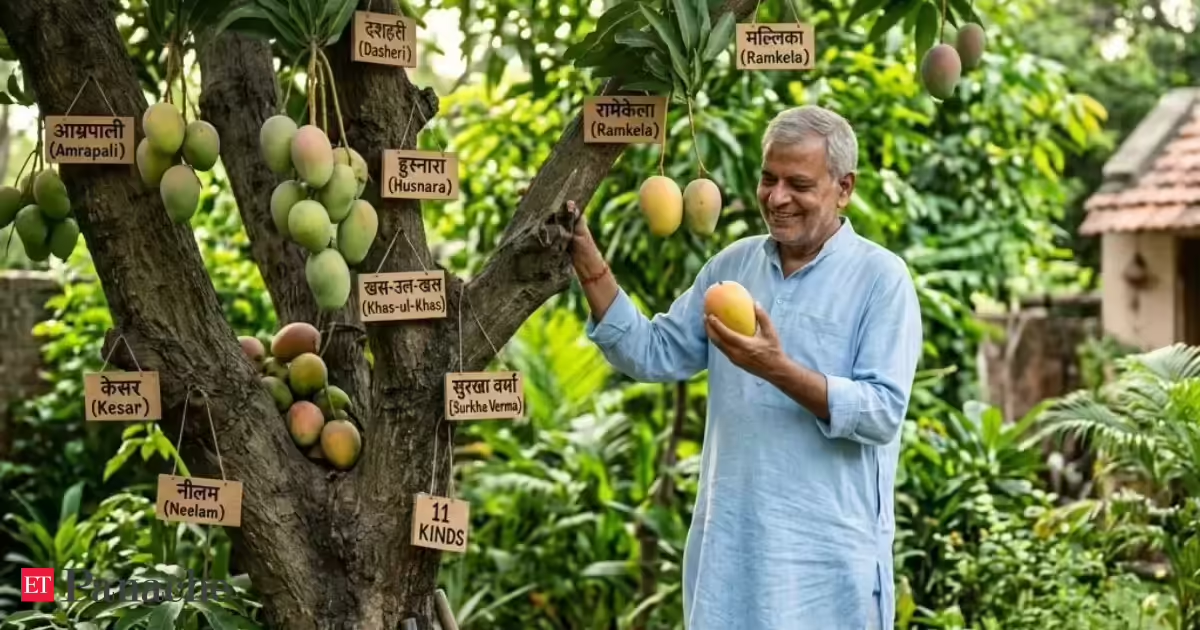
Dr Sameer Nair, a Karnataka-based Ayurvedic practitioner, has built a successful kesar mango farm with Israel-inspired high-density technology and natural farming practices. Based in Belagavi, Dr Nair started farming in 2019 and three years later, the trees started bearing fruits and has grown exponentially since then. This year, he is expecting a produce almost six times higher than what he achieved 4 years ago, which is about nearly 30 tonnes this season. The farm is powered by drip irrigation, solar systems, and water conservation structures, combining sustainability with technology.ALSO READ: Cockroach Janta Party launches new campaignAccording to ETV Bharat report, the harvesting has already begun, and the fruits are being packed and sold under his own brand, with boxes priced between Rs 350 and Rs 700. Since he always wanted to try something in agriculture, he learned Israeli farming techniques in detail before venturing into mango cultivation. Many netizens in the comment section praised his efforts and even asked for Dr Sameer Nair's contact details.ALSO READ: Viral Meta layoff post sparks fear over future of white-collar jobs Doctor turns rocky land into thriving mango orchardInspired by Israeli farming techniques, Dr Naik transformed barren land in Karnataka’s Belagavi into a successful high-density Kesar mango orchard known for natural farming and high yields. Dr Naik said he learned about Israeli agricultural methods through YouTube videos and by visiting farms in Maharashtra that had already adopted the model successfully.Inspired by these techniques, Dr Naik bought 5.5 acres of land in Belagavi taluk and planted 2,800 Kesar mango saplings across four acres whose saplings were sourced from a horticulture centre near Hidkal Dam. Seven years on, the farm is currently witnessing its fourth harvest season.Speaking to ETV Bharat, Dr Naik said traditional mango farming generally involves planting only 35 to 40 trees per acre, with farmers waiting nearly eight to 10 years for production.“With the Israeli model, the trees start bearing fruit within three years. We planted 700 saplings per acre with seven feet distance between plants and 12 feet between rows. The yield has doubled year after year,” he said, adding that Kesar mangoes enjoy strong market demand because of their taste and quality.Mangoes sold under his mother's nameDr Naik markets his produce under the brand “Vaishali Farm Kesar Mango”, named after his mother. He says customers have responded positively, and several people visit the farm directly to buy mangoes. Last year, the orchard also supplied fruits to exporters shipping mangoes to Europe and Gulf countries. However, he said exports became difficult this season due to the ongoing conflict in West Asia.“So this year, we started building our own marketing network,” he explained. Dr Naik also revealed that preparations are underway to convert surplus mangoes into pulp and preserve them naturally for up to two years without spoilage.Natural ripening, no chemicalsExplaining his cultivation process, Dr Naik said the fruits are never harvested before natural ripening. Once a mango reaches around 90 grams in size, each fruit is covered with a protective eco-friendly bag and after nearly 50 to 55 days, the mangoes are ready for harvest.“Many people pluck raw mangoes and use chemicals for artificial ripening, but that is not our approach. We allow the fruits to ripen naturally on the tree. Appearance alone is not enough. The fruit should taste good and should not create health problems,” he said.Being a doctor, he said he often hears complaints from patients about stomach infections and discomfort after consuming chemically ripened mangoes. “People who eat mangoes from our farm do not face such problems,” he claimed.95% organic farming using cow-based manureExplaining the farming methods, Dr Sameer Naik says 95% of the farming practices at the orchard follow organic methods, adding that he rears seven cows and uses cow dung along with farm waste to prepare organic manure. Chemical inputs are used only when absolutely necessary. According to him, maintaining soil health has helped prevent diseases in the orchard while improving flowering and fruit quality.Special protective bags improve food qualityOne of the most unique features of the farm is the use of protective bags for every mango. Dr Naik said the bags shield fruits from sunlight, heat, rain, insects, birds and microbial infections while also improving colour, taste and quality.“We imported eco-friendly bags costing Rs 1.90 each. They help reduce the need for pesticides and fungicides and also prevent environmental pollution,” he said.Calling farming his passion rather than a business, Dr Naik said the land was uneven and rocky when he first bought it.“We worked hard to level the land and build a model orchard. This place gives me peace, fresh oxygen and happiness. Visiting the farm feels like entering paradise,” he said.
How this Karnataka doctor is growing 30 tonnes of chemical-free Kesar mangoes on rocky land with Israeli technology
Dr. Sameer Nair, an Ayurvedic practitioner, transformed rocky land in Belagavi into a thriving Kesar mango orchard using Israel-inspired high-density technology and natural farming. His farm, established in 2019, now yields nearly 30 tonnes annually, with fruits sold under the 'Vaishali Farm Kesar Mango' brand, emphasizing natural ripening and organic practices.
777 words~4 min read