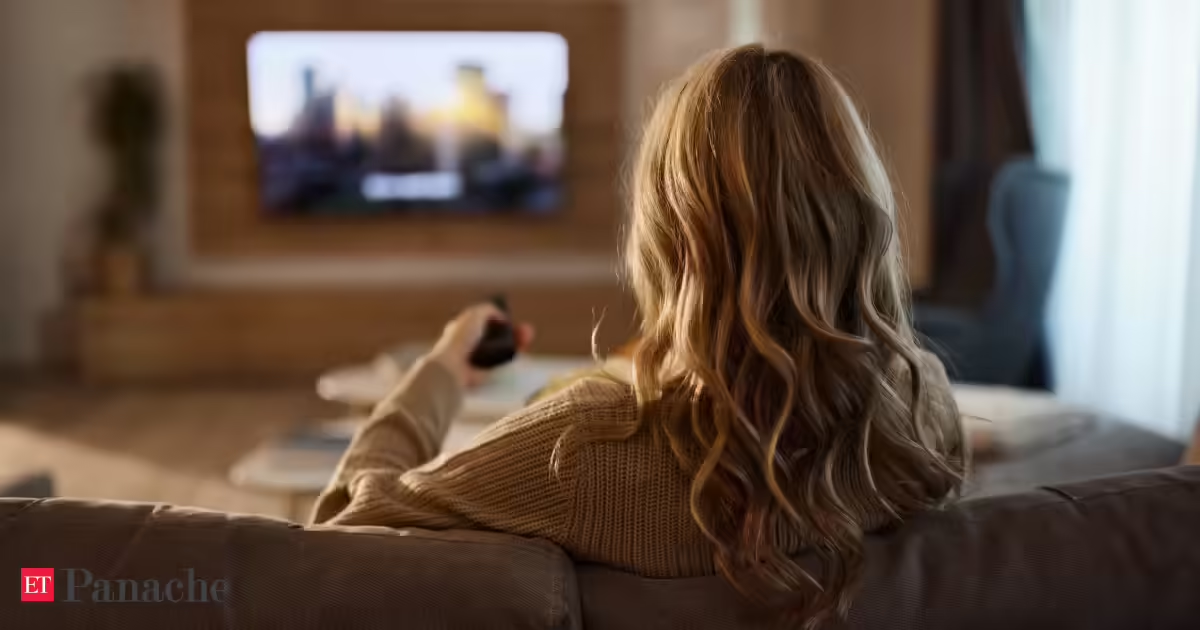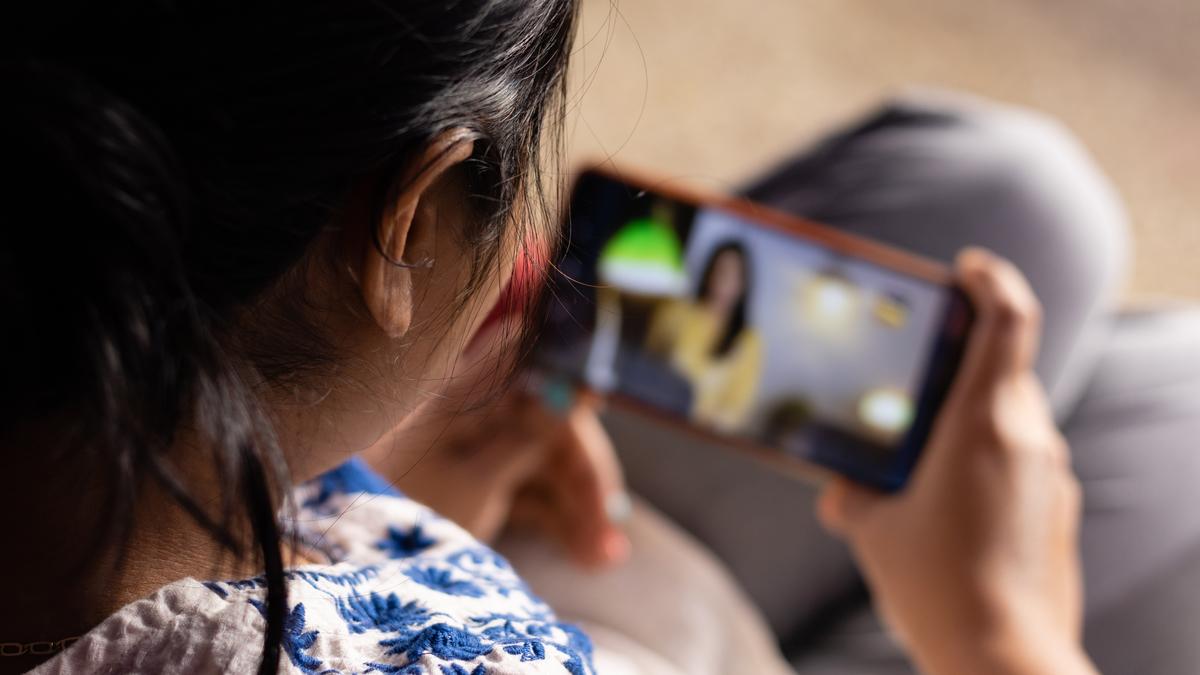
An Indian woman with smart phone enjoying OTT application at home
| Photo Credit: Soumen Hazra
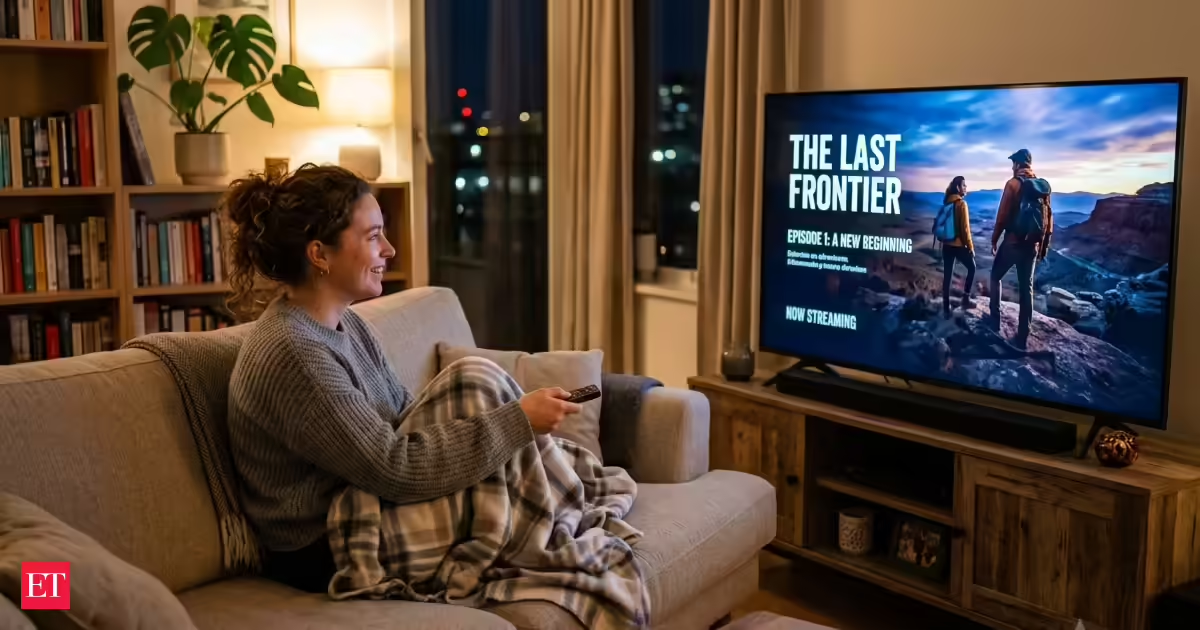
There is a strange kind of silence that comes after finishing an exciting OTT series. You complete the last episode, stare at the screen for a few extra seconds, and suddenly feel like something is missing. The next day feels slightly dull. You open the streaming app again without thinking, hoping there is one more episode left. Even when you know the season is over, your mind is still somewhere inside that story.It is surprising how emotionally attached people have become to OTT shows. A few years ago, watching television was just another part of the day. There were fixed timings, weekly episodes, and enough distance between viewers and the story. Streaming platforms changed all that. People spend entire nights watching the same characters laugh, suffer, fall in love, and break up. After 10 to 15 hours with the same fictional world, attachment becomes unavoidable.What makes these series feel personal is not only the story itself, but the time spent with it. Viewers begin recognising small details about characters the way they would with real people. Their habits become familiar. Their dialogues stay in memory. Sometimes people even start looking forward to returning to those fictional worlds after stressful days, almost like visiting familiar friends.Many OTT shows today are written with emotional realism. The characters are not perfect heroes. They are anxious, lonely, confused, and flawed in ways that feel believable. Viewers often see parts of themselves in them. Someone struggling with failure may connect deeply with a character going through the same thing. Someone feeling emotionally isolated may find comfort in a fictional group of friends sitting in a café every evening.Binge watching makes the emotional connection even stronger. Earlier, television forced people to pause and wait. OTT platforms removed that gap completely. One episode flows into another until viewers are completely absorbed in the story. For a few hours, real life fades into the background while fictional problems begin to feel emotionally important.This is why season endings affect people more than they expect. The sadness is not really about a show ending. It is about suddenly losing a space that had quietly become part of daily life. A routine disappears with it. The excitement of continuing the story disappears too. Even small things feel strange afterward, like opening dinner without an episode playing in the background.Many people try extending the experience instead of letting it end. They watch interviews, scroll through fan pages, read online discussions, and send reels related to the show to friends. Some immediately restart older episodes because they are not emotionally ready to leave that world behind yet.Social media has made this attachment even more intense. Earlier, people watched shows and moved on privately. Today, every popular OTT series becomes part of online conversation. Fans argue about endings, create memes, analyse scenes and emotionally react together in real time. Watching no longer feels like an individual experience. It feels collective.Some people may call this unhealthy attachment, but stories have always affected human beings deeply. People cried over novels long before streaming platforms existed. They waited eagerly for newspaper serials and radio dramas too. The only difference today is that OTT platforms make stories accessible and immersive.Maybe the emptiness people feel after finishing a series says something about modern life itself. Many people are lonely in ways they do not openly admit. Fictional worlds temporarily fill that silence. They offer familiarity, comfort and emotional escape after exhausting days.That is probably why viewers keep searching for the next series immediately after finishing one. They are not just looking for entertainment. They are looking for another world to emotionally belong to for a little while.akashs326@gmail.com Published - July 05, 2026 12:52 am IST