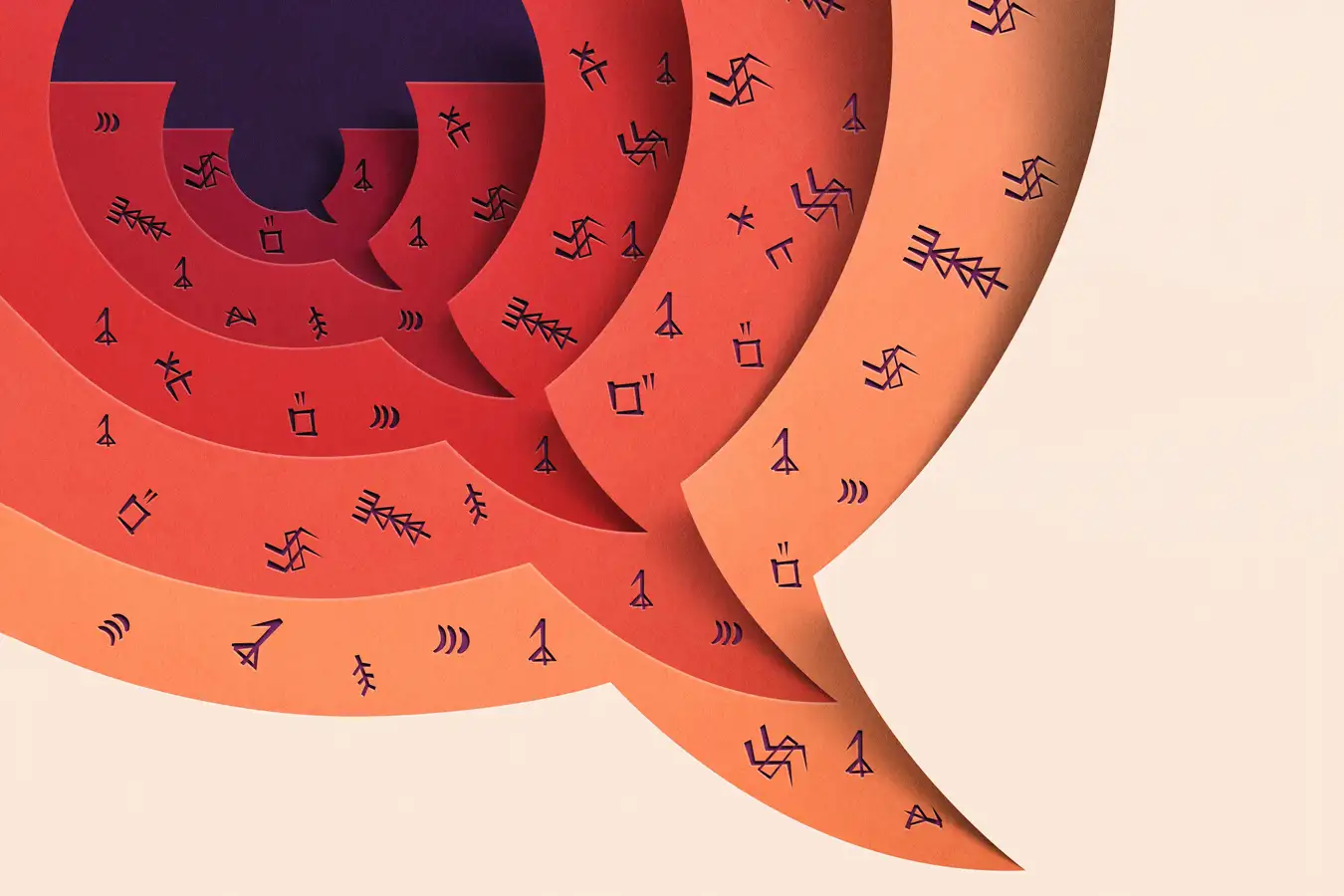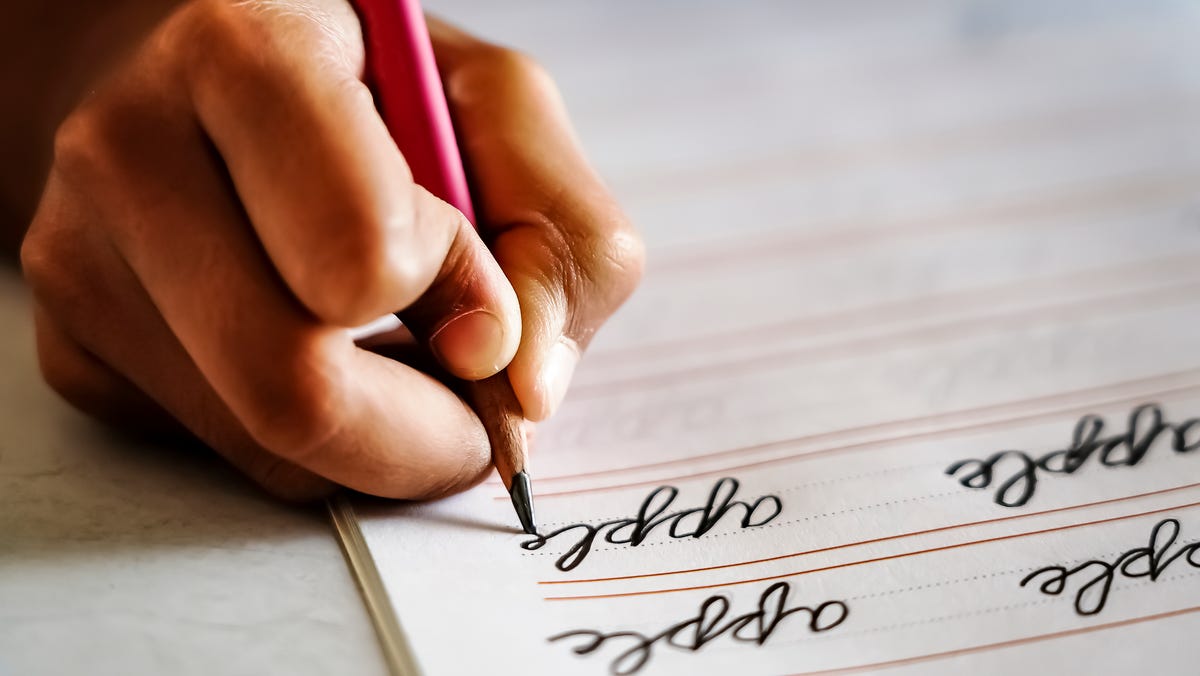
Most of us think about writing systems the way we grew up with one: separate letters, one sound each, read left to right. But not every script works that way — and one great example is Aksara Jawa, the traditional Javanese script from Indonesia, which is still actively used, taught, and preserved today.
It's syllabic, not alphabetic
In Latin script, letters are independent — "k" is just "k" until you add a vowel next to it. Javanese script doesn't work like that. It's syllabic: each character already carries a built-in vowel sound.
There are 20 core characters called aksara carakan, and every one of them is pronounced with an inherent "a" sound by default. So the character ꦲ isn't just "h" — it's automatically "ha." To get a different vowel sound like "hi" or "ho," you attach a diacritic mark above, below, or beside the character instead of swapping the letter itself.
Consonant clusters need their own trick