Introduction
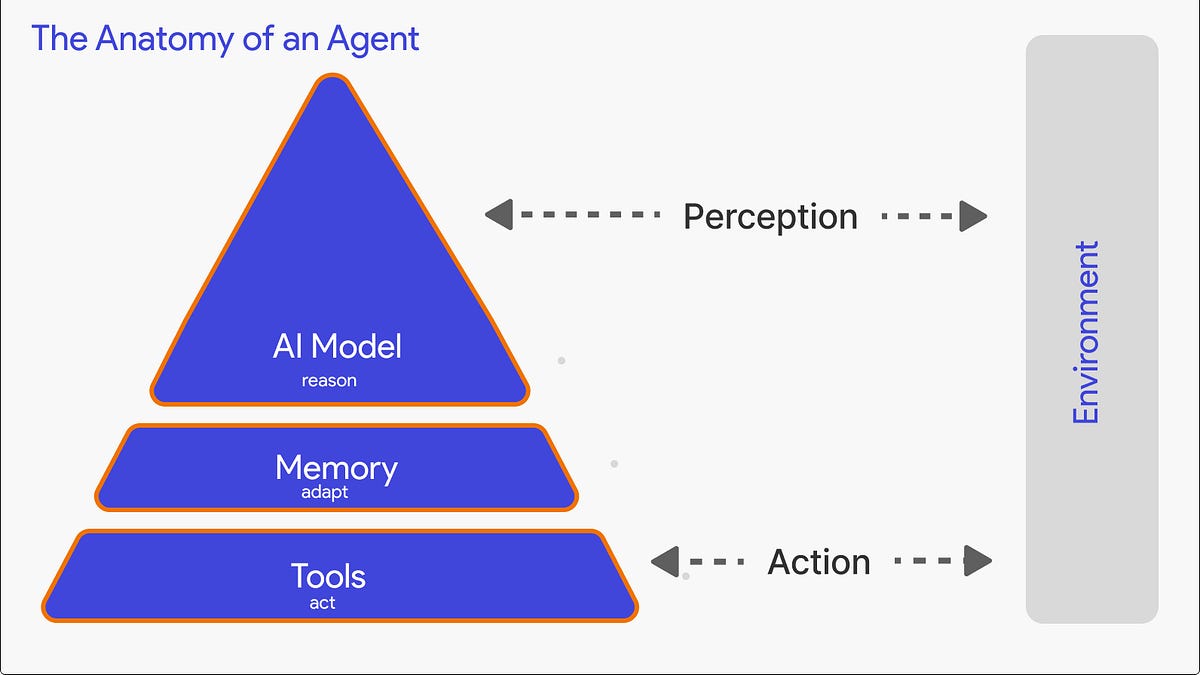
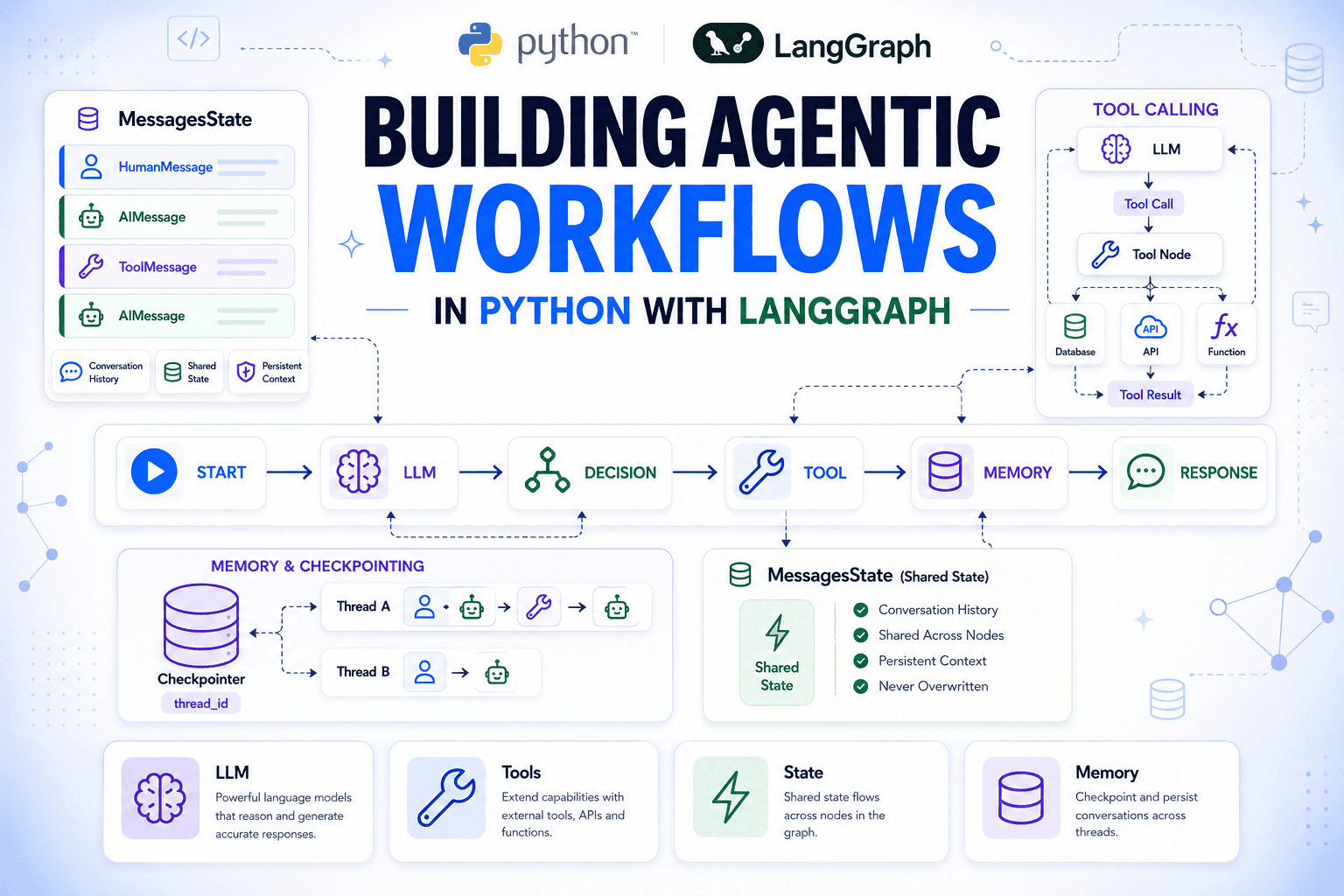
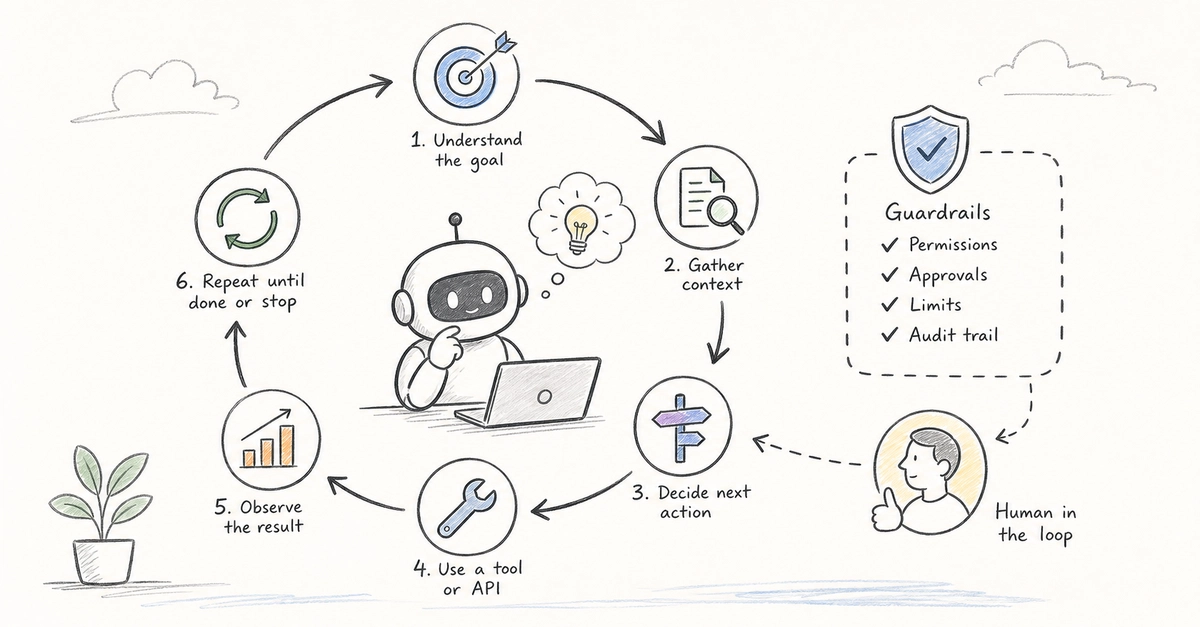
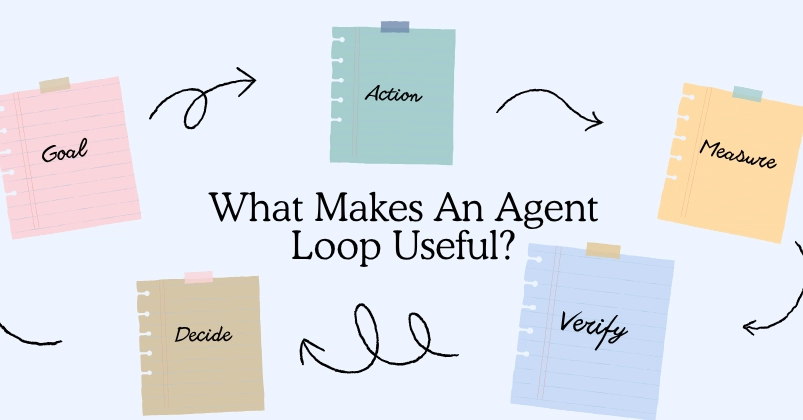
"Agent" has become the word for any program that calls an LLM more than once, which makes it a word worth being precise about. An agent, in the sense this post uses, is a loop: the model decides which tool to call next, your code executes it, and the result feeds back in — repeating until the model decides it's done. That's a genuinely different (and riskier) shape than a single request/response call.
This post builds on Building Reliable LLM Applications in Python: everything said there about retries, structured output, and evaluation still applies once you add a loop — it just applies to every iteration, and now the model is also choosing which side effects to trigger. We'll cover when an agent is actually warranted, the loop itself (manual and SDK-assisted), and the safety controls that make handing a model the wheel defensible.
When to Build an Agent — and When Not To
Reach for an agent only when the task is genuinely multi-step and open-ended: the number and order of actions can't be known ahead of time, so a fixed pipeline can't express it. Most tasks that feel agentic are actually better served by something simpler and more debuggable. There's a ladder, and you should stop climbing it the moment the task is satisfied: