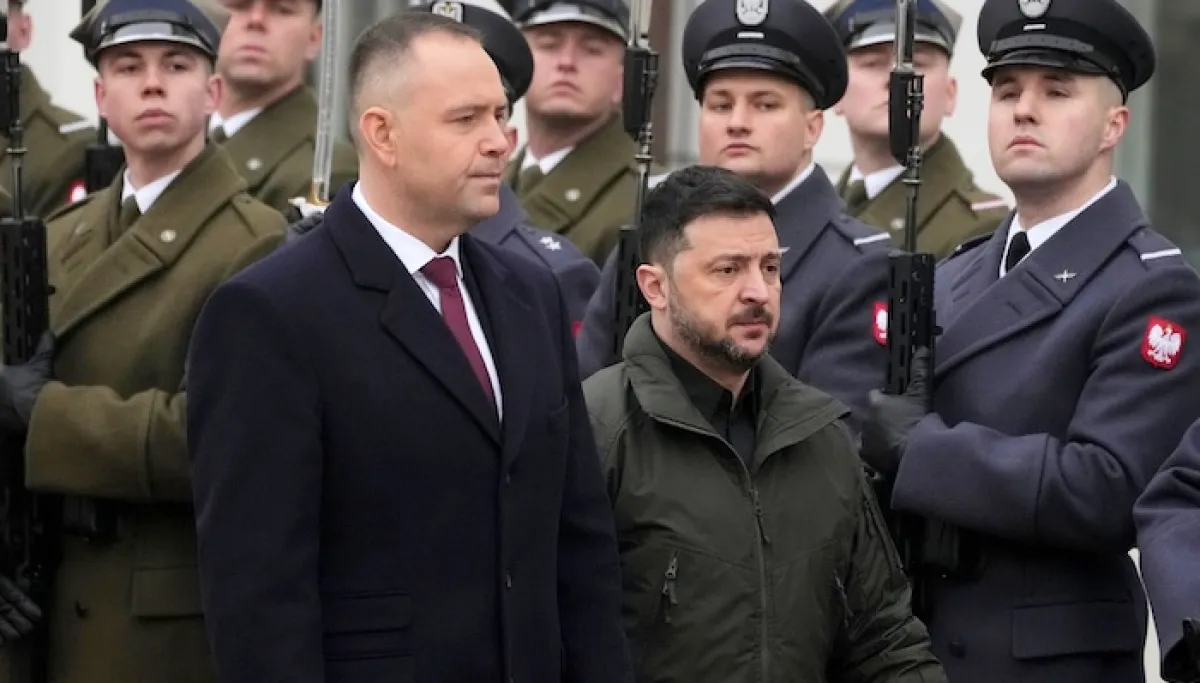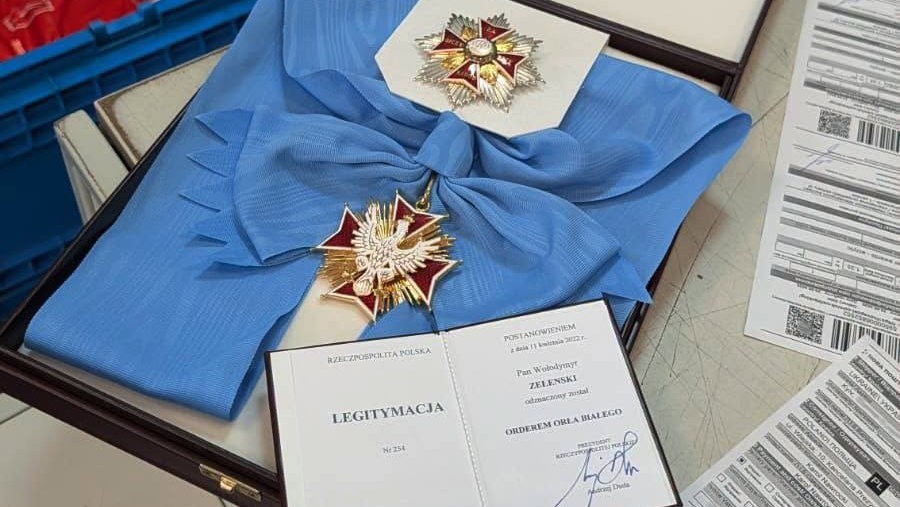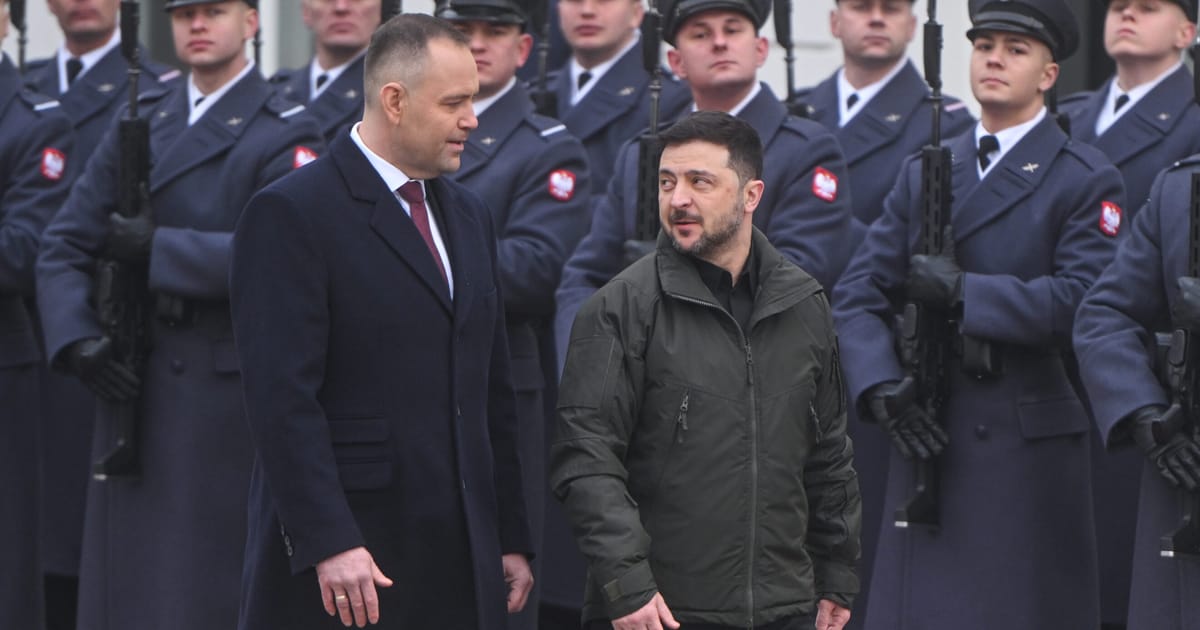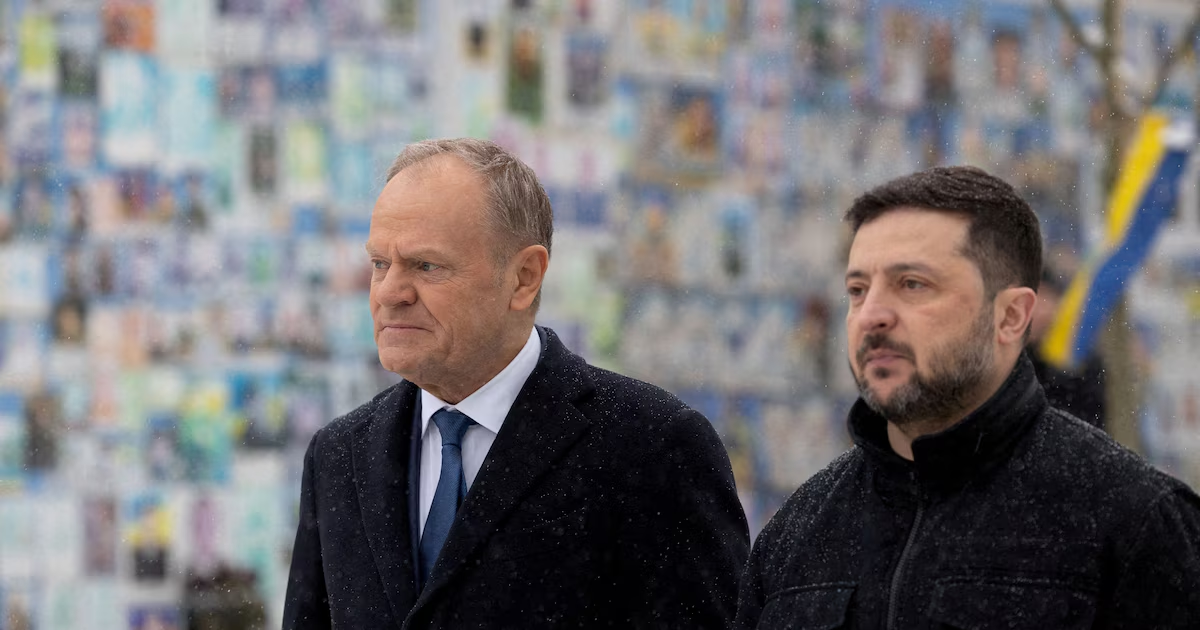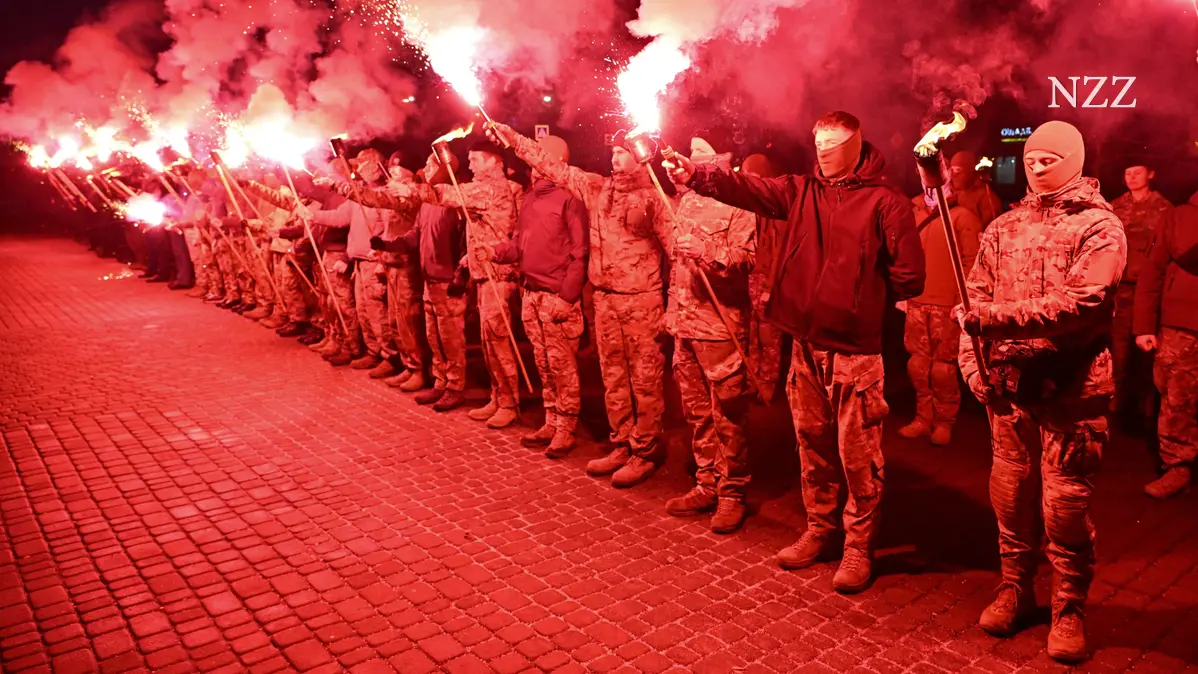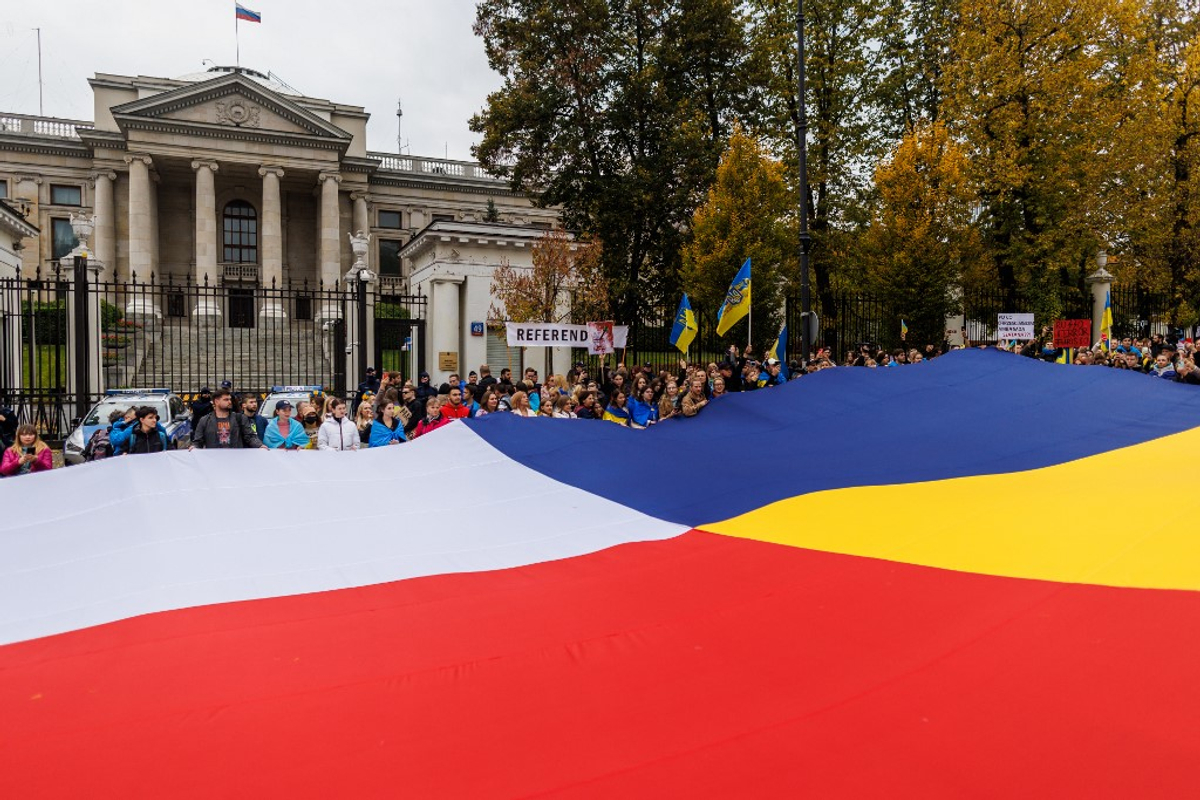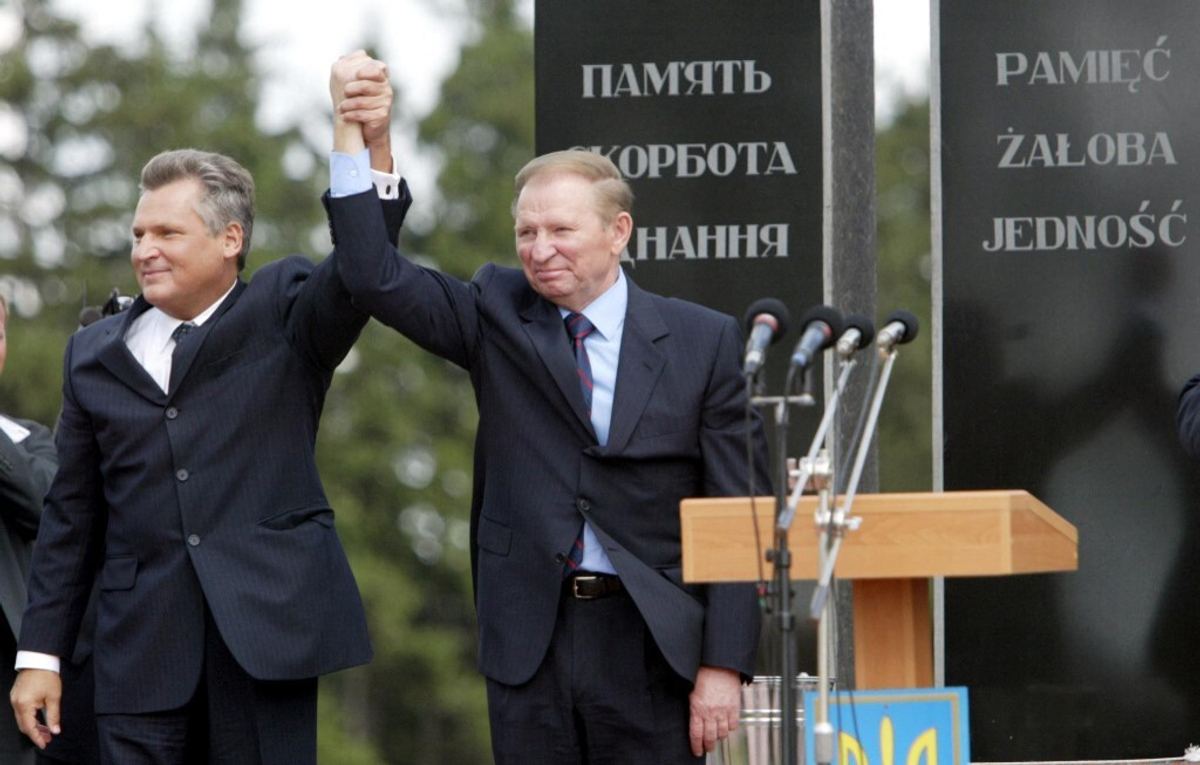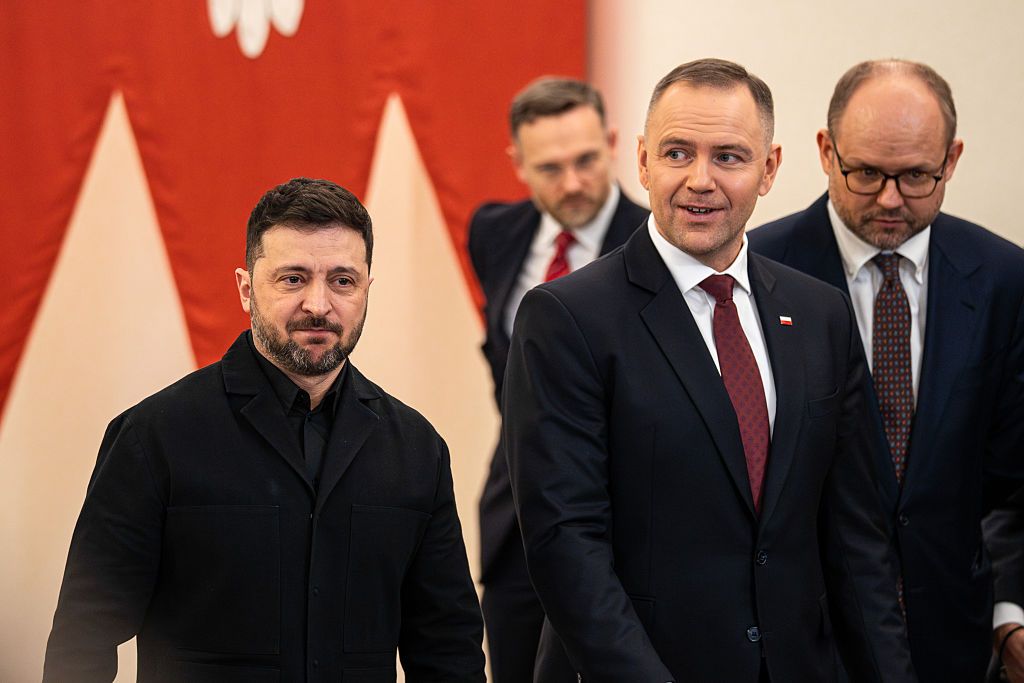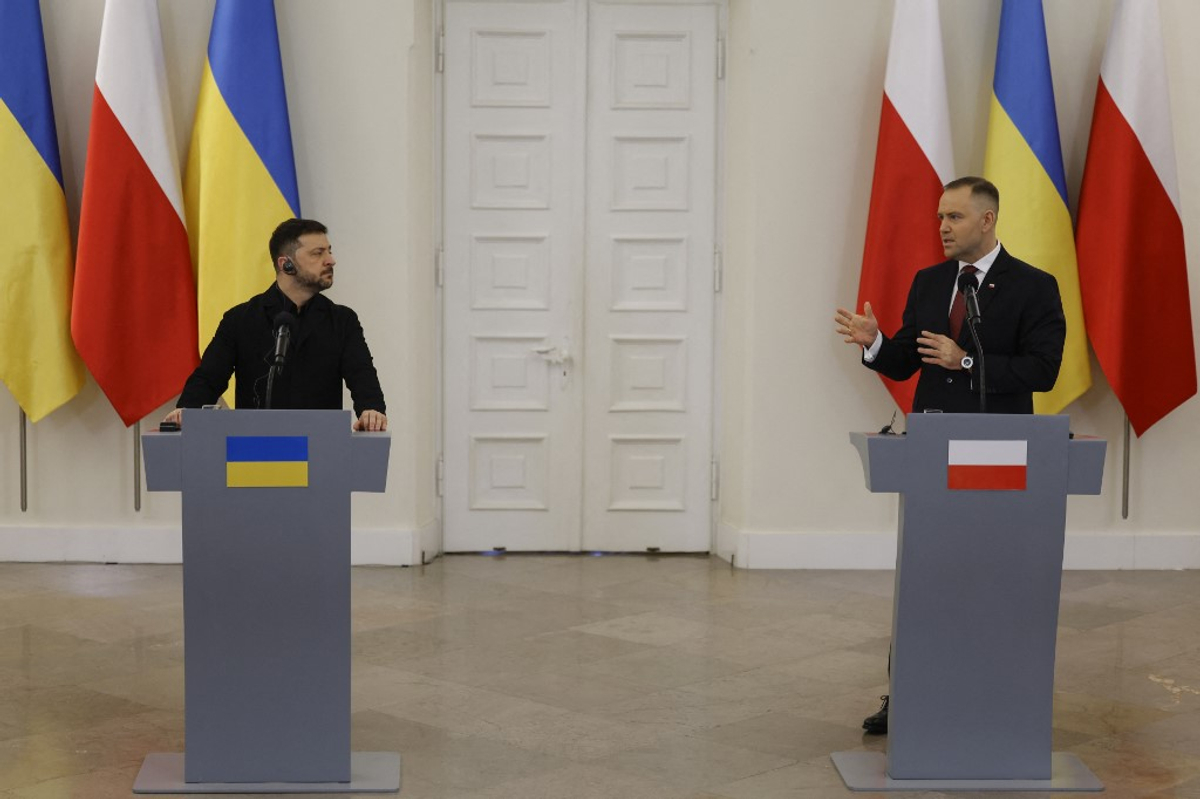
The dispute between Poland and Ukraine over the memory of the Ukrainian Insurgent Army, known as the UPA, is not only a quarrel over one military unit or one presidential decoration. It raises a harder question: whether one state can condemn another’s historical commemorations while refusing the same scrutiny of its own. The controversy followed President Volodymyr Zelensky’s approval of the name “Heroes of the UPA” for a Ukrainian military unit. Polish President Karol Nawrocki responded by deciding to revoke Zelensky’s Order of the White Eagle, Poland’s highest state honor.JOIN US ON TELEGRAMFollow our coverage of the war on the @Kyivpost_official. For Poland, the UPA is associated above all with the Volhynia massacres of 1943, in which tens of thousands of Polish civilians were killed. Polish institutions have described those killings as genocide. For many Ukrainians, however, the UPA is also remembered as an armed formation that fought for Ukrainian independence against both Nazi German and Soviet rule, even though that record is inseparable from crimes committed against Polish civilians. These two memories cannot easily be reconciled. But they also cannot be reduced to a single sentence. The present dispute should be viewed through a legal principle: “clean hands.”
Ukraine, Poland and the Problem of Memory Without Clean Hands
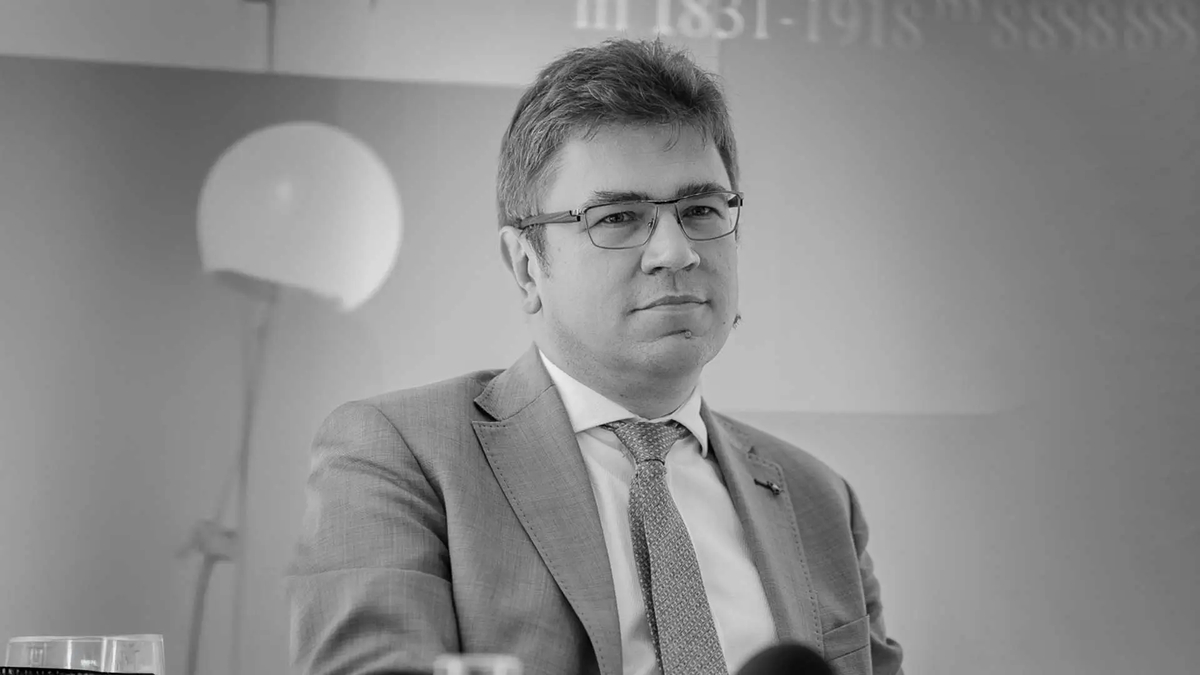
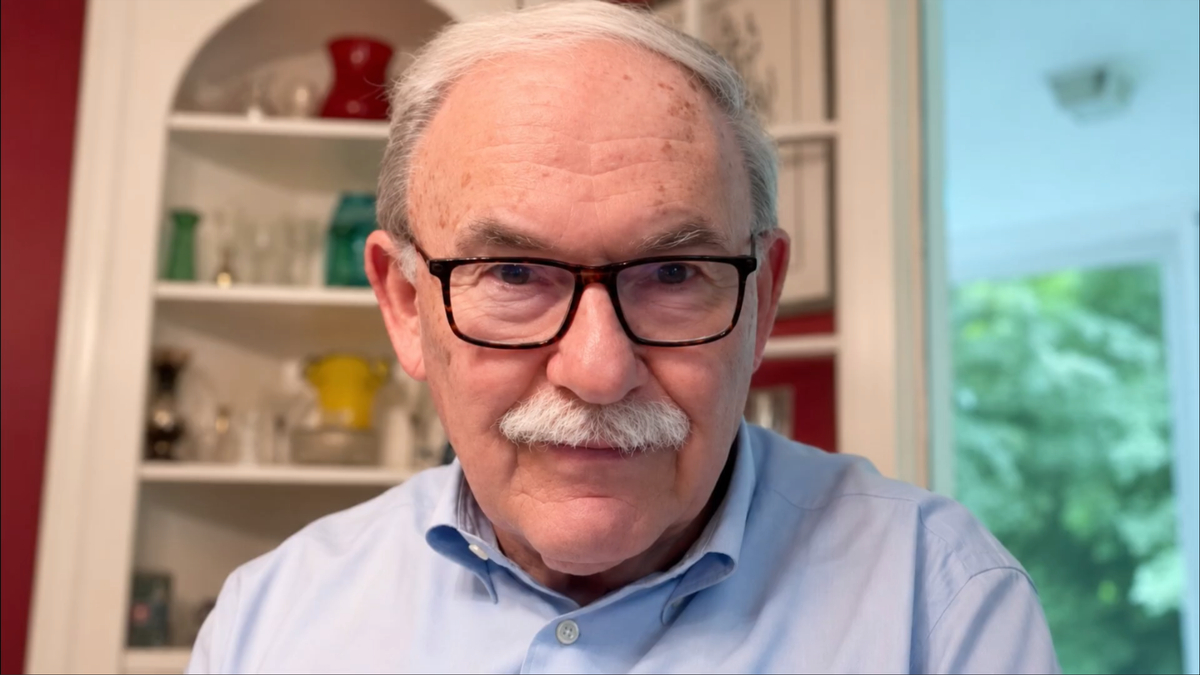
Former US federal prosecutor Bohdan Vitvitsky argues that the Polish-Ukrainian dispute over wartime memory cannot be resolved by only one side judging.
1,069 words~5 min read