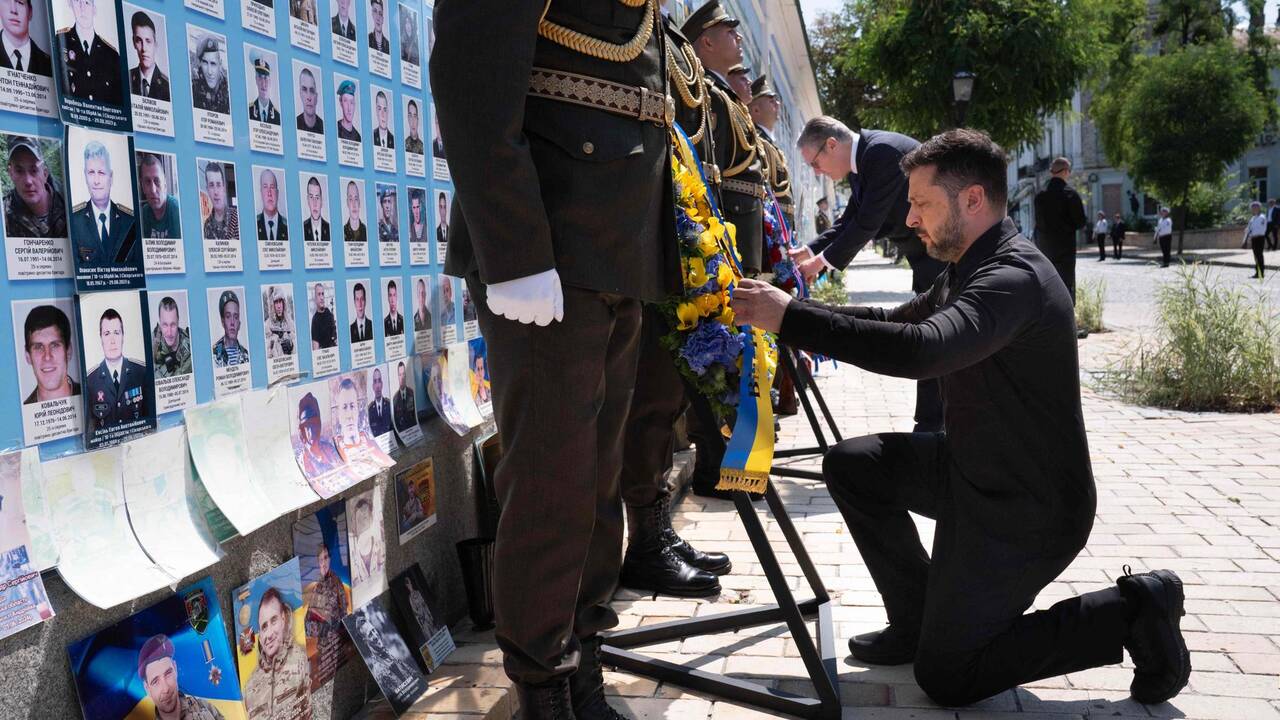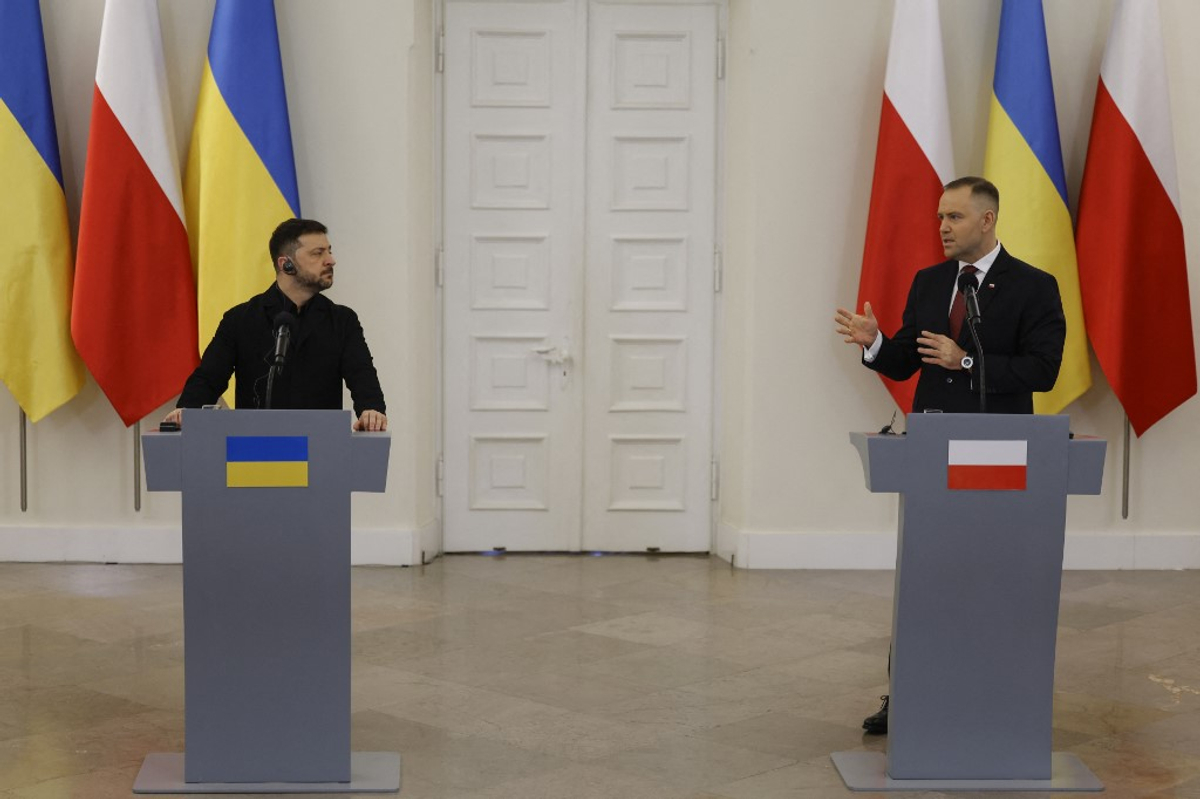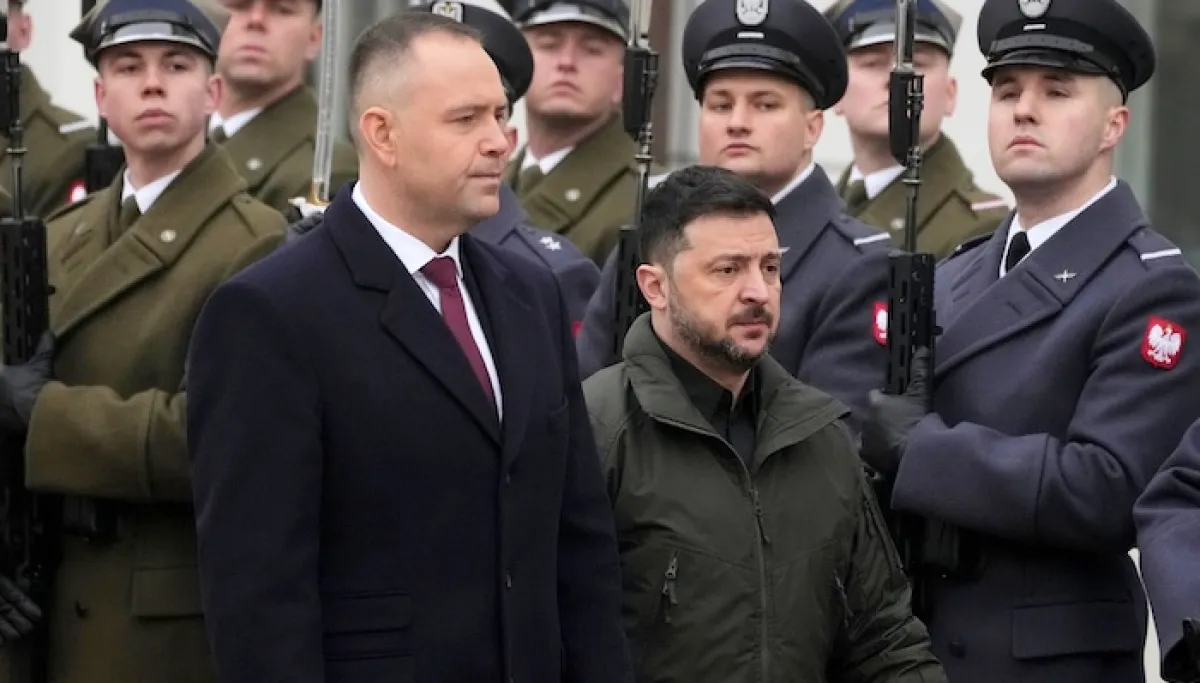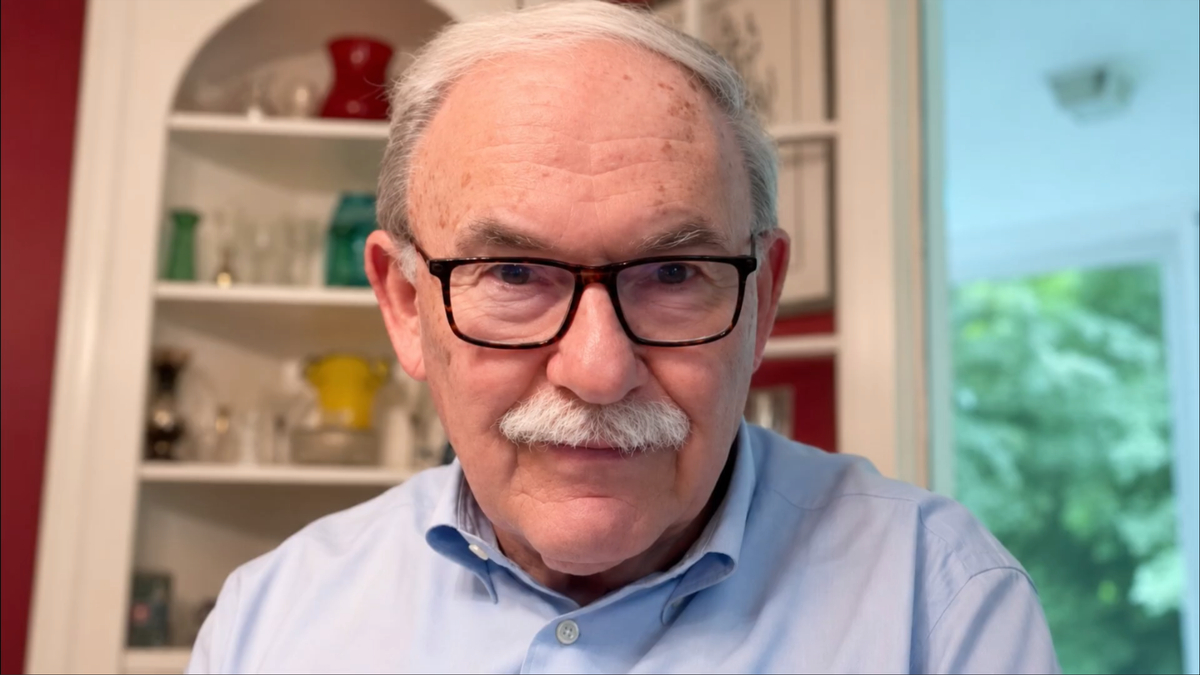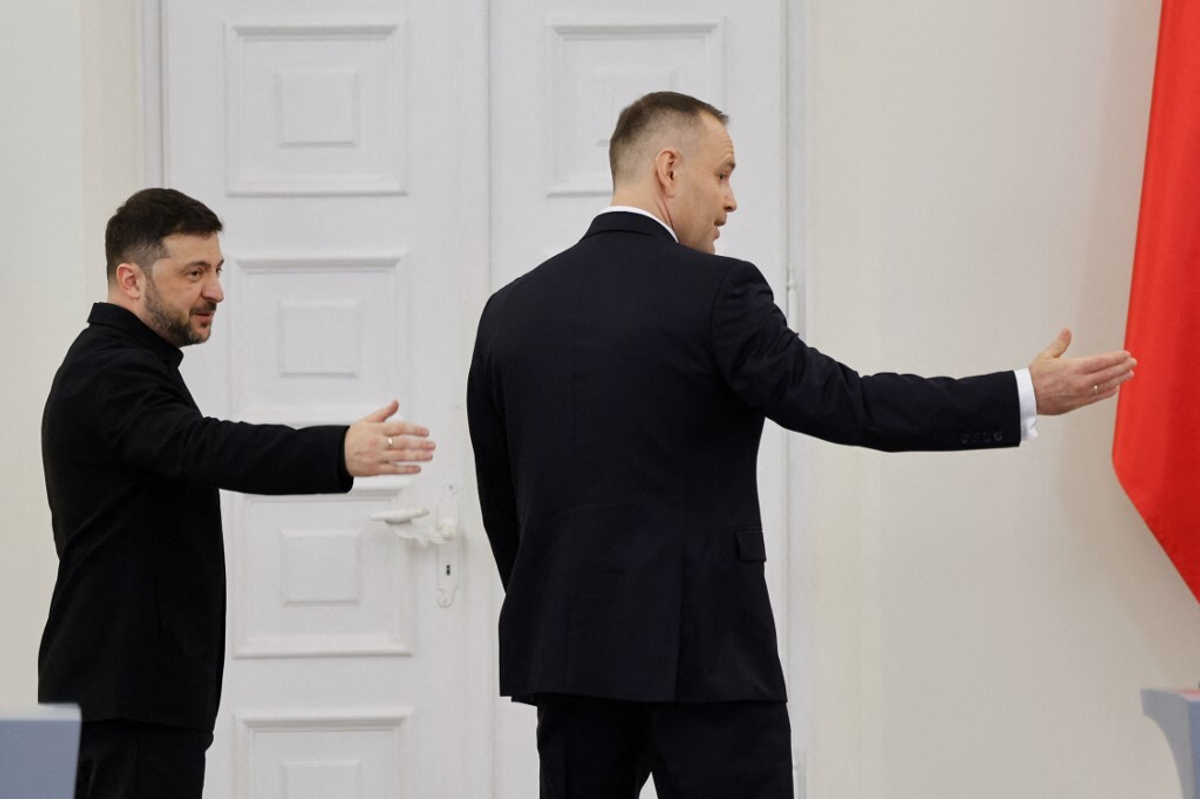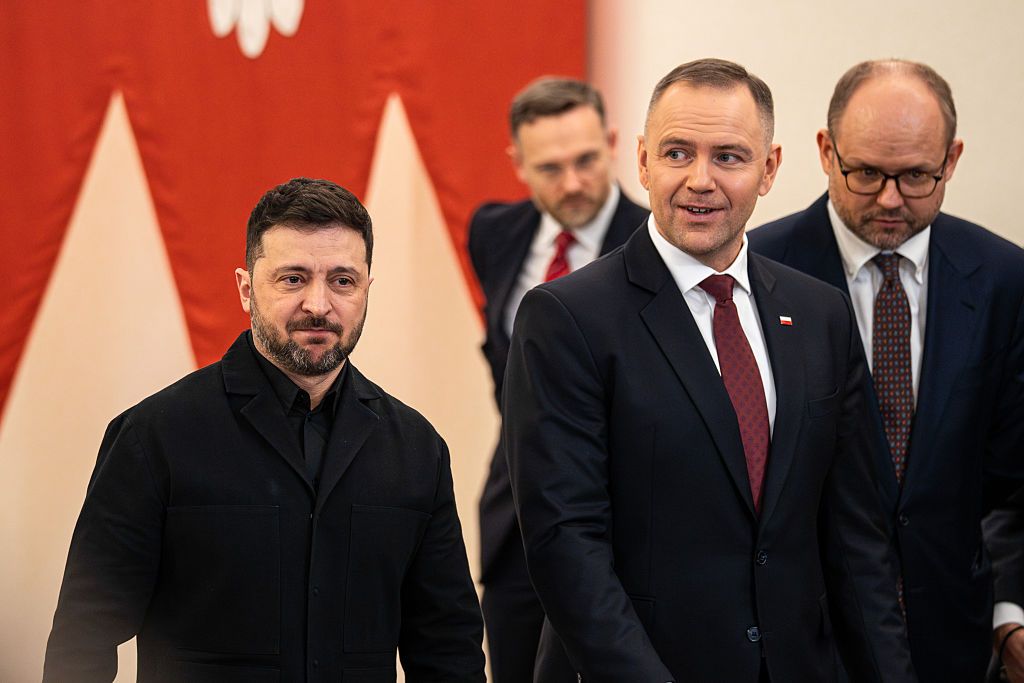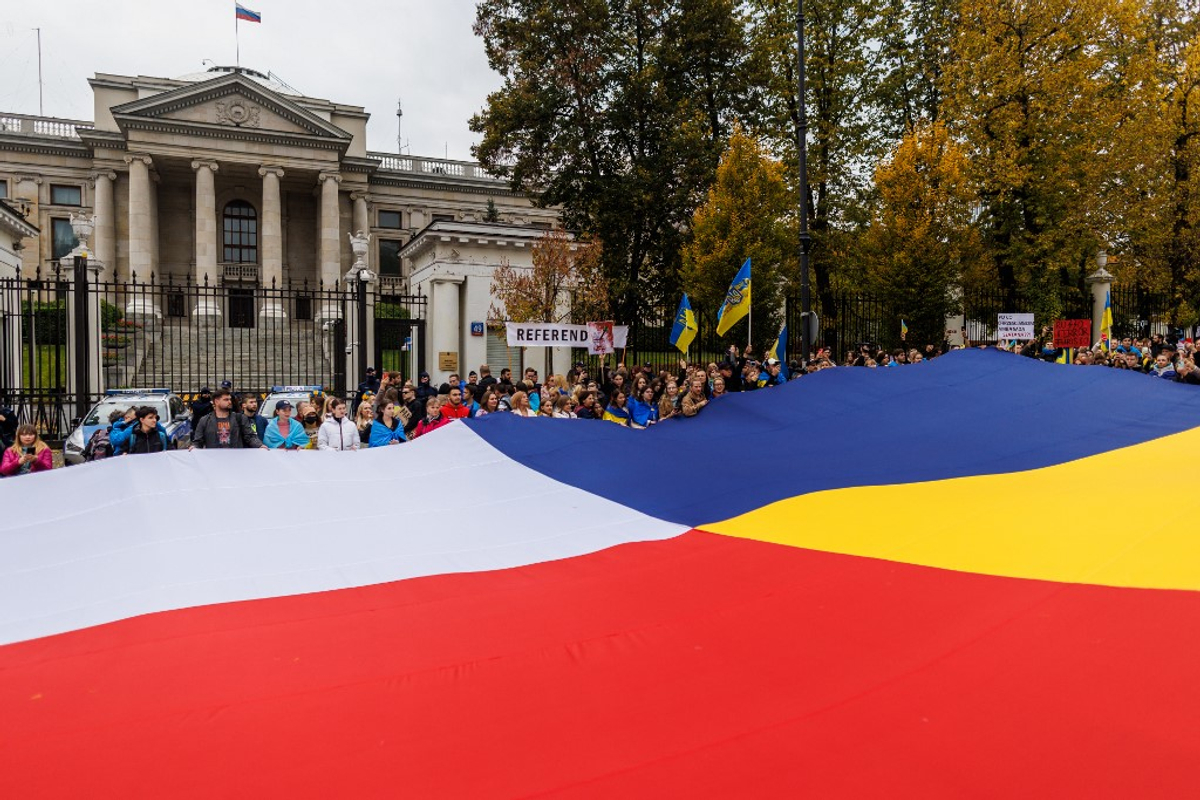
Amidst the controversy initiated by Polish President Karol Nawrocki after Ukrainian President Zelensky validated the choice by a unit of the Ukrainian military to adopt a name memorializing the combatants of the Word War II Ukrainian Insurgent Army (UPA), two sets of statements of sanity stand out. One set of statements was made by the Oxford historian Norman Davies, probably the leading historian of Poland in the English-speaking world and in every respect a friend of Poland.JOIN US ON TELEGRAMFollow our coverage of the war on the @Kyivpost_official. In a recent interview in the Polish digital news platform Wiadomosci Onet, Davies made the following points. Poles should be more careful in what they say about Ukraine and its history. What President Zelensky did when he approved by presidential declaration the vote of the Ukrainian unit to adopt the Heroes of UPA name had nothing to do with Volhynia. Current respect in Ukraine for the UPA is based on their protracted and sacrificial struggle against the Soviet and German occupations of Ukraine, and although what the UPA did in Volhynia in 1943 was obviously a terrible crime, 90% of UPA had nothing to do with Volhynia. And Davies warned Poles that this controversy may cost Poland in the future because at the very moment when Ukraine is in the fifth year of a war with Russia, Polish officials have given Russia a very useful pretext for propaganda. Second, in a brief public presentation, Polish Prime Minister Donald Tusk reminded Poles that attempts to revive historical grievances against Ukrainians constitutes playing with fire. Every missile or drone that Ukraine uses to successfully destroy a Russian missile, drone, or aircraft, makes Poland safer. In summary, helping Ukraine is in Poland’s national security interests. With respect to these statements, it is discouraging that obvious points need to be restated, but restated they need to be.
The Follies of Historical Memory: Poland, Ukraine and the Politics of Selective Remembrance
Stepan Bandera and the UPA are often oversimplified and overlook the broader historical context of Ukraine’s struggle against foreign domination.
2,139 words~10 min read